
In short, yes, they can. Driving back and forth to the hospital for infusions can wear everyone down long before treatment ends. Traffic, parking, waiting rooms, exposure to germs—none of that helps a cancer patient heal or a family caregiver stay steady. Home infusion changes the setting, but not the quality of care. Medications, fluids, and monitoring come to the home, delivered by skilled nurses trained in IV therapy and oncology support.
More cancer patients now receive IV hydration, antibiotics, nausea medications, and other supportive infusions in their own homes, under the guidance of their oncology team and an experienced home infusion staff. The result is often the same treatment plan with far less disruption to daily life.
What Home Infusion and Skilled Nursing Actually Mean
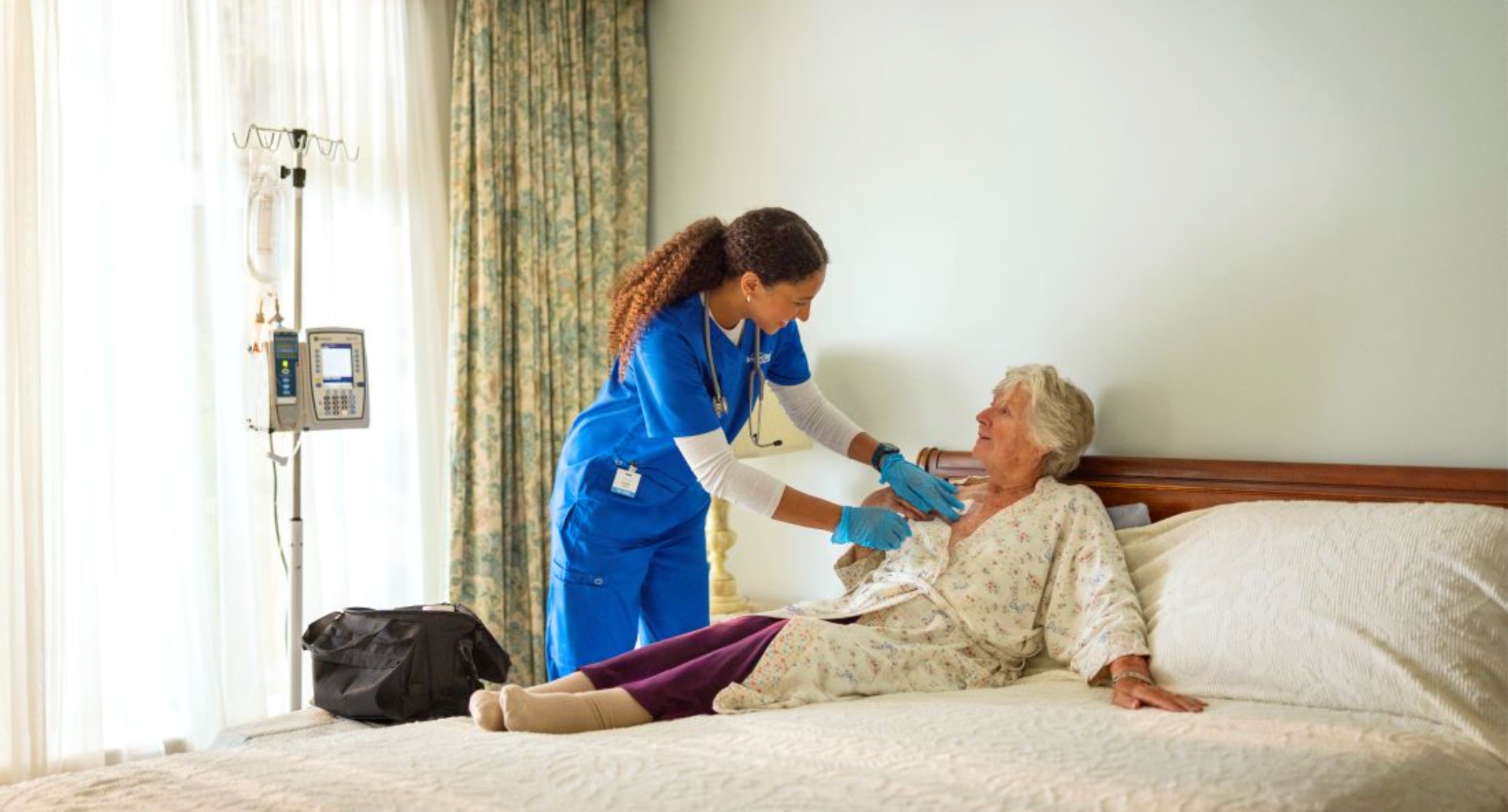
Home infusion simply means IV medications, fluids, or nutrition are given through a vein at home instead of in a hospital or clinic. A skilled nurse handles the technical side: starting or accessing an IV line, programming any pumps, and watching carefully for side effects.
Skilled nursing for cancer patients at home can include:
- Assessing vital signs and symptoms before, during, and after infusions
- Managing PICC lines, ports, or central lines and changing sterile dressings
- Administering IV therapies and injections exactly as ordered by the oncologist
- Teaching caregivers how to spot warning signs and who to call in an emergency
The idea is straightforward: provide treatments that would normally require a hospital chair, but do it where the patient feels most at ease.
IV Therapy, Injections, and More
What skilled nurses can do for cancer patients at home covers a wide range of services. For many families, these services become part of a weekly rhythm—built around the patient’s energy level, not the hospital’s schedule.
Common services include:
- IV hydration to counter dehydration and fatigue from chemo or radiation
- IV antibiotics for serious infections that can’t be treated well with pills alone
- IV anti‑nausea medications when oral meds fail or won’t stay down
- Pain‑control infusions or injections for advanced disease or post‑surgical recovery
- Nutritional support such as total parenteral nutrition (TPN) when eating is very difficult
Instead of multiple departments, the family often works with one coordinated home infusion team plus the oncologist, which simplifies communication and planning.
IV Antibiotics at Home: Treating Infection Without a Full Inpatient Stay
Cancer can weaken the immune system, and certain treatments leave patients especially vulnerable to infections. IV antibiotics are one of the most common reasons people receive home infusion care.
A skilled nurse typically helps by:
- Administering prescribed IV antibiotics on a set schedule to treat infections like pneumonia, bloodstream infections, or skin infections
- Flushing PICC lines or ports and changing dressings to lower the risk of line infections
- Checking temperature, pulse, and blood pressure at each visit and teaching caregivers which symptoms—such as high fever or shaking chills—require immediate help
Research has shown that, in carefully selected low‑risk cancer patients, home IV antibiotic therapy can be both feasible and well‑accepted, with potential cost savings and better quality of life.
IV Nausea Medications
Nausea is one of the most frustrating side effects of cancer treatment. Oral anti‑nausea pills can be hard to keep down, and sometimes they simply don’t get absorbed well. IV anti‑nausea medications work faster because they go straight into the bloodstream.
Better nausea control often leads to more stable eating patterns, easier medication schedules, and fewer panicked calls about sudden vomiting.
Other Infusions and Injections That Support Cancer Care
Beyond hydration, antibiotics, and nausea meds, skilled nurses deliver other ordered therapies that support cancer treatment and comfort. These may include:
- Continuous or intermittent IV pain medications for complex pain situations
- TPN when the digestive system can’t process enough nutrition through regular food
- Certain biologics or immunotherapy drugs, in programs set up for home oncology infusions
- Injections to support blood counts, manage clotting, or balance hormones
Because oncology drugs can be more complex and risky than standard antibiotics or fluids, providers use strict eligibility and safety criteria before approving home administration.
.jpeg?width=500&height=400)
Why Families Choose Home‑Based IV Therapy and Skilled Nursing
For many caregivers, at-home IV therapy becomes the difference between living at the hospital and living at home. Advantages often include:
- Fewer trips to the ER or infusion center, reducing stress and travel time
- Lower exposure to hospital‑acquired infections in crowded facilities
- Care scheduled around the patient’s best energy times instead of fixed clinic slots
- A familiar environment, which can make tough treatment days feel a bit more manageable
Caregivers frequently report that home treatment helps them stay more organized, more rested, and more present with their loved one—not just as a “nurse,” but as family.
FAQs About Home IV Therapy for Cancer Patients
Q: Is home IV therapy safe for cancer patients?
Yes, when coordinated by the oncology team and delivered by properly trained home infusion nurses following safety protocols, home IV therapy is widely used for antibiotics, hydration, and supportive care.
Q: Can chemotherapy itself be given at home?
Some programs provide specific chemotherapy or immunotherapy drugs at home, but decisions are very case‑specific and take into account drug risk, monitoring needs, and available emergency support.
Q: Who manages the IV line and equipment at home?
A skilled nurse typically sets up or connects the IV, changes dressings, and trains the caregiver on basic line care and what symptoms to report right away.
Q: How does a family know if home infusion is appropriate?
The oncologist and home infusion provider review the diagnosis, stability, home environment, and insurance coverage to decide whether home‑based treatment is safe and practical.
Finding the Right Skilled Support That Meets Cancer Patients Where They Live
Home‑based IV hydration, antibiotics, nausea medications, pain control, and other infusions give cancer patients access to powerful treatments without constant hospital trips. Skilled nurses bring assessment, technical skill, and calm oversight into the home, while the oncology team continues to guide the overall care plan.
For family caregivers, this approach can turn treatment days from all‑day hospital events into manageable home routines—freeing up more energy for what matters most: being present with the person they’re fighting for.
Reach out to BrightStar Care of CA - Anaheim / Yorba Linda for a free in-home consultation. No pressure. No obligation.
Your loved one deserves the best. So do you. Visit us at 1440 N Harbor Blvd #721, Fullerton, CA 92835, explore our blog and resources, or call us at (714) 361-5601.
We look forward to helping your loved can heal at home.