
For many veterans, structure is familiar, even comforting. Years of military life shaped their days around predictable rhythms, clear expectations, and shared purpose. When Alzheimer's or dementia enters the picture, that sense of order can crumble, leaving them confused, restless, or withdrawn.
Daily routines that bring comfort to veterans with Alzheimer's or dementia rebuild that sense of safety by making each day more predictable, gentle, and meaningful. With the right plan — and with help from experienced caregivers at BrightStar Care of CA - Anaheim / Yorba Linda — you're not just "getting through the day." You're creating small anchors of peace that help your loved one feel seen, respected, and less alone.
The Power of Daily Routines for Dementia Care: Reducing Anxiety and Confusion
A brain affected by dementia struggles to keep track of time, sequence, and new information. That's why unexpected changes can feel like a tidal wave, even if the shift seems minor.
By keeping wake-up times, meals, medications, and bedtime fairly consistent, you help your veteran know what's coming next. This reduces agitation and outbursts and often leads to a calmer mood throughout the day. Our caregivers are specially trained to build these calming routines and adapt them gently as needs change.
Why Veterans Respond So Well to Structure
Many veterans are used to schedules, rituals, and clear roles, even long after service ends. Bringing that mindset into home life can feel surprisingly natural.
Simple touches — like a morning "briefing," a set time to raise the blinds, or listening to service songs before dinner — can tap into muscle memory and identity. Understanding how to incorporate these military-inspired rituals into daily care, grounding your loved one in who they are, not just what they've lost, is a key benefit our caregivers can provide.
Daily Morning Routines That Bring Comfort to Veterans with Alzheimer's or Dementia
Mornings often set the tone for the entire day. A rushed or chaotic start can quickly snowball into irritability or refusal to cooperate.
Professional caregivers help by establishing a consistent morning pattern: greeting your veteran by name with a warm smile, opening curtains to let in soft light, offering a favorite warm drink, and giving simple, one-step cues for getting dressed and ready. A calm voice and unhurried pace go a long way here.
Our caregivers are trained to read body language and adjust their approach based on how your loved one is feeling each morning — patient, reassuring, and never rushed.
Supporting Hygiene, Medication, and Breakfast
Tasks like bathing, grooming, and taking medications can feel overwhelming for someone with dementia, especially if they're embarrassed or confused.
How caregivers help with morning routines:
Caregivers lay out clothing in order of use and keep toiletries in the same place daily so your veteran doesn't have to search or guess. They use pill organizers and pair medication time with breakfast, turning it into a predictable habit rather than a confusing chore. They offer gentle verbal cues and hands-on assistance with bathing and dressing, always preserving dignity and choice.
Experienced in memory care techniques, our caregivers make these personal tasks feel less invasive and more cooperative.
Midday Routines That Bring Meaning and Purpose
Light Activity and Movement
By late morning or early afternoon, many veterans do well with light activity that keeps their body moving and mind engaged. Too much sitting can increase restlessness and poor sleep at night.
How caregivers support midday movement:
Caregivers encourage short walks indoors or outside (weather and safety permitting), lead simple chair exercises or gentle stretching sessions, and invite your veteran to participate in light household tasks like folding towels, sorting objects, or wiping surfaces to create a sense of usefulness.
We tailor activities to each veteran's physical abilities and energy levels, making sure movement feels achievable, not frustrating.
Activities That Honor Their Service
Veterans often brighten when invited to share or reconnect with their service story. Even if memory is patchy, the emotional connection remains strong.
How caregivers create meaningful moments:
Our caregivers look through old photos or medals with your veteran, play branch-specific or era-specific music that brings back positive memories, and watch short documentaries or patriotic programs in moderation to spark conversation and pride. We honor each veteran's service with respect and sensitivity, creating emotional comfort alongside practical support.
Managing "Sundowning" with Calm Structure
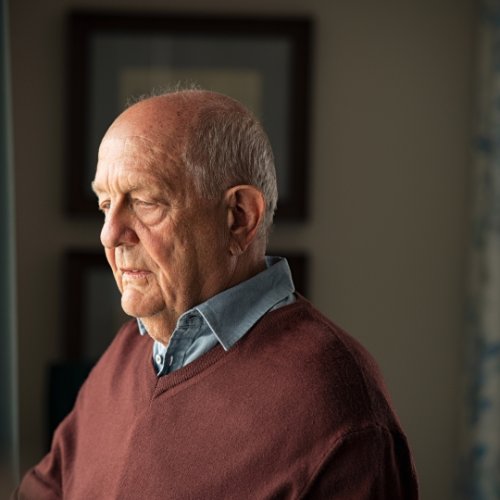
Many families notice late-day confusion, pacing, or agitation — a pattern often called "sundowning." Overstimulation, lighting changes, and fatigue all play a role.
How caregivers help during difficult evening hours:
Caregivers adjust lighting to be soft and warm (avoiding harsh overhead lights), reduce background noise from TVs or radios, and guide your veteran toward familiar, low-demand activities like folding laundry, listening to soothing music, or sitting together quietly. BrightStar Care of CA - Anaheim / Yorba Linda caregivers are skilled at recognizing early signs of agitation and redirecting gently before emotions escalate.
Creating a Comforting Bedtime Ritual
Sleep problems are common with Alzheimer's and dementia, yet a consistent bedtime routine can help.
How caregivers support better sleep:
Our caregivers keep bedtime and wake time similar every day to regulate the body's internal clock. They avoid large evening meals and caffeine that can interfere with rest. They create a simple end-of-night ritual: a prayer, a favorite song, a gentle hand massage, or a brief "goodnight and thank you for your service" moment that reinforces dignity and reassurance. Here, we understand that a peaceful night starts with a calm evening, and our caregivers help families achieve both.
Adapting Routines as Dementia Progresses
A routine isn't carved in stone. As dementia advances, what worked beautifully six months ago may suddenly cause frustration or fatigue. That's normal, though it can feel unsettling.
How caregivers adjust care over time:
Professional caregivers watch for signs your loved one needs more help, such as frequent refusal, increased wandering, or trouble following even one-step directions. They adjust by simplifying tasks, shortening activities, and offering more direct hands-on support while still preserving choices wherever possible.
Getting Help from Professional Caregivers at BrightStar Care of Anaheim / Yorba Linda
Caring for a veteran with dementia can tug on every part of your life — heart, body, and schedule. There's no shame in saying, "This is too much to manage alone."
Trained dementia caregivers can help keep daily routines on track, provide companionship, and support personal care while you rest, work, or simply breathe a bit easier. Our caregivers are specially trained in Alzheimer's and dementia care, with experience supporting veterans and their unique needs.
Many veterans qualify for VA-supported services or in-home care programs designed to keep them safer and more comfortable at home. BrightStar Care of CA - Anaheim / Yorba Linda can guide you through the process of accessing VA benefits like Aid and Attendance to help cover the costs of care.
FAQs About Daily Routines for Veterans with Dementia
Q1: How can I create a daily routine for a veteran with dementia?
Start by keeping key times consistent: meal times, medication schedules, sleep times, and wake times. Build the day around times when your veteran feels most alert and engaged. BrightStar Care of CA - Anaheim / Yorba Linda caregivers can assess your loved one's natural rhythms and help you design a personalized routine that works for your family.
Q2: What should a daily routine for someone with Alzheimer's include?
A healthy daily routine includes morning hygiene and dressing, regular meals with adequate hydration, medication management, light physical activity or movement, engaging activities that provide meaning, afternoon rest time, calming evening activities, and a consistent bedtime.
Q3: How do I manage resistance to daily care routines?
Resistance often signals discomfort, confusion, or a need for your approach to shift. Offer choices ("Would you like to bathe now or after coffee?"), break tasks into single steps, speak calmly, and try different times of day. Avoid power struggles; instead, redirect with patience.
Q4: Why does sundowning happen in the afternoon and evening?
Sundowning occurs when fatigue, shadows, reduced light, sensory overload, or medication effects combine to trigger confusion and agitation. It's common in dementia. Managing sundowning involves soft lighting, quiet environments, familiar activities, and early dinner times.
Q5: How often should daily routines change for someone with advancing dementia?
Routines should stay consistent but adapt as abilities change. Watch for signs like repeated refusals, increased confusion with familiar tasks, or new safety concerns. Review and adjust routines every 4-6 weeks or when you notice changes in behavior or capability. BrightStar Care of CA - Anaheim / Yorba Linda assesses your veteran regularly and updates care plans to match current needs.
Q6: Can daily routines help prevent falls and injuries in veterans with dementia?
Yes. Predictable routines reduce confusion and disorientation, which lowers fall risk. Consistent bathroom times prevent accidents and wandering. Clear pathways and familiar environments during routine activities support safety.
Q7: How do I incorporate military traditions into a daily routine for a veteran with dementia?
Morning briefings, patriotic music, service-related photos, ceremonies for meals, or respectful end-of-day rituals can honor service while supporting familiar, comforting structure.
Q8: What VA benefits help pay for home care support with daily routines?
Veterans may qualify for Aid and Attendance benefits, home-based primary care, homemaker/home health aide services, or respite care through the VA. BrightStar Care of Anaheim / Yorba Linda helps families navigate these benefits and connect with VA resources.
Small Rhythms, Big Comfort with BrightStar Care of CA - Anaheim / Yorba Linda
Daily routines that bring comfort to veterans with Alzheimer's or dementia aren't about perfection; they're about crafting gentle rhythms that help your loved one feel safer, calmer, and more like themselves.
With steady structure, meaningful activities, and help from trained caregivers at BrightStar Care of CA - Anaheim / Yorba Linda, each day can hold moments of connection and peace — for your veteran, and for you.
Contact us today to learn more about our skilled nursing and in-home care services!
Visit us at 1440 N Harbor Blvd #721, Fullerton, CA 92835, explore our blog and resources, or call us at (714) 361-5601.
We look forward to helping your loved one safe at home!