
You've noticed things. The refrigerator with food that's gone bad. The mail piling up. The wince when they get up from a chair that they're hoping you don't catch. You bring it up gently — maybe just a suggestion, maybe a question about whether they've thought about getting a little help around the house — and they wave you off. "I'm fine." End of conversation.
If this sounds familiar, you're not alone. Adult children across Sauk County and Columbia County have this exact experience every day, and most of them carry a version of the same quiet dread: what happens if something goes wrong before we get this figured out?
The hard truth is that the conversation about accepting help at home is often harder than the care itself. But it doesn't have to stay stuck. Understanding why the resistance is there — and changing how you approach it — makes a real difference.
Call 608-355-5015 Our Website
The resistance isn't usually stubbornness for its own sake, even when it feels that way. It's something much more understandable.
For a lot of older adults, accepting help at home feels like the first step toward losing everything they've built: their independence, their identity, their place in the family as someone who gives rather than receives. They watched their own parents go into nursing homes, and somewhere in the back of their mind, accepting a caregiver at the door is the beginning of that story.
There's also the fear of being a burden. Many older adults would genuinely rather struggle privately than feel like they're taking something from their children's lives. And there's pride — a lifetime of managing their own affairs, raising families, running households. Being told they need help with bathing or meals can feel like a verdict on who they are now, not a practical solution to a practical problem.
None of this means they're being irrational. It means they're human. And if you want to have a conversation that actually moves somewhere, starting from that understanding changes everything.
The most common mistake is leading with safety. "Mom, I'm worried you're going to fall." "Dad, what if something happens and no one's there?" Safety is real and it matters, but for someone whose main fear is losing independence, a safety argument sounds like confirmation that they're no longer capable of making their own decisions. It puts them on the defensive before the conversation has really started.
Another common pattern is the family meeting — everyone together, all at once, making the case. From the aging adult's perspective, this can feel like an ambush. Even with the best intentions, being outnumbered doesn't open people up. It shuts them down.
And there's the urgency framing: "We need to figure this out now." Urgency makes sense from the family's side, but it can make an older adult feel like their time is up, like decisions are being made around them rather than with them.
Start with curiosity instead of concern. Ask what a good day looks like for them. Ask what parts of daily life have felt harder lately. Ask what they'd want their life to look like in five years. You might be surprised what they'll say when they don't feel like they're being assessed.
Lead with what they care about, not what you're afraid of. If they care about staying in their home — and most people do — frame home care as the thing that makes that possible, not the thing that signals they can't manage anymore.
Have multiple smaller conversations instead of one big one. The first conversation doesn't need to resolve anything. It just needs to open the door a little.
And if they've had a friend or peer who has used home care and found it helpful, that story is worth more than anything you can say. People are more open to what other people like them have done than to what their adult children are lobbying for.
Call 608-355-5015 Our Website
A lot of the fear around home care comes from not knowing what it actually involves. When people imagine a caregiver coming into their home, they sometimes picture something that feels institutional or infantilizing. The reality is usually much simpler.
Personal care from BrightStar Care of Baraboo might look like a caregiver arriving a few mornings a week to help with bathing and dressing, then sitting down for coffee and conversation before the day starts. It might look like help with meal preparation so there's always something good in the refrigerator. It might be medication reminders, light housekeeping, transportation to appointments, or just a reliable presence in the home for someone who lives alone.
It's not about taking over. It's about filling in the specific gaps that have been making daily life harder, on a schedule that fits the person's life, with someone who gets to know them over time.
One of the most effective reframes for resistant older adults is this: it doesn't have to be all or nothing. A few hours a week is not a life sentence. It's a trial.
Suggesting a small, specific kind of help — maybe just a caregiver coming twice a week for a few hours — feels much less overwhelming than "we're getting you home care." It gives the person a sense of control over the process. And in most cases, once a good caregiver is in the door and a real relationship develops, the conversation about what else might help becomes much easier.
Starting small also lets the family see what works and what doesn't, without the pressure of having committed to a full care plan on day one.
Consistency matters more than most families realize when they're just getting started. A rotating cast of unfamiliar people coming through the door is much harder for an older adult to accept than one or two caregivers they get to know.
BrightStar Care of Baraboo works to match clients with caregivers who are a good fit and to keep that assignment consistent. Every client also has a care coordinator who stays in contact with the family, not just at intake but throughout. And because BrightStar Care is a skilled nursing agency as well as a personal care provider, there's registered nurse oversight behind every care plan — which means families aren't just hiring a helper. They're accessing a clinical team that's paying attention.
For families in Baraboo, Wisconsin Dells, Portage, Reedsburg, Prairie du Sac, and Sauk City who are navigating this moment, that structure matters. It means the care holds up over time, not just in the first few weeks.
If you've had the conversation and hit a wall, or if you haven't found the courage to have it yet, that's okay. Most families spend longer than they expected in this in-between place. But if things are visibly slipping and you're not sure what to do next, the first step is just a phone call.
BrightStar Care of Baraboo can talk you through what home care actually looks like for your specific situation, answer questions about how it works, and help you think through how to approach the conversation with your loved one. That first call doesn't commit anyone to anything. It just gives you more information to work with, and usually a little more confidence going forward.
Call 608-355-5015 Our Website
BrightStar Care of Baraboo provides personal care, companion care, and skilled nursing for families throughout Sauk County and Columbia County, including Baraboo, Wisconsin Dells, Portage, Reedsburg, Prairie du Sac, and Sauk City. To speak with a care coordinator about getting started, contact our office today.
Contact Us Today:
If this sounds familiar, you're not alone. Adult children across Sauk County and Columbia County have this exact experience every day, and most of them carry a version of the same quiet dread: what happens if something goes wrong before we get this figured out?
The hard truth is that the conversation about accepting help at home is often harder than the care itself. But it doesn't have to stay stuck. Understanding why the resistance is there — and changing how you approach it — makes a real difference.
Call 608-355-5015 Our Website
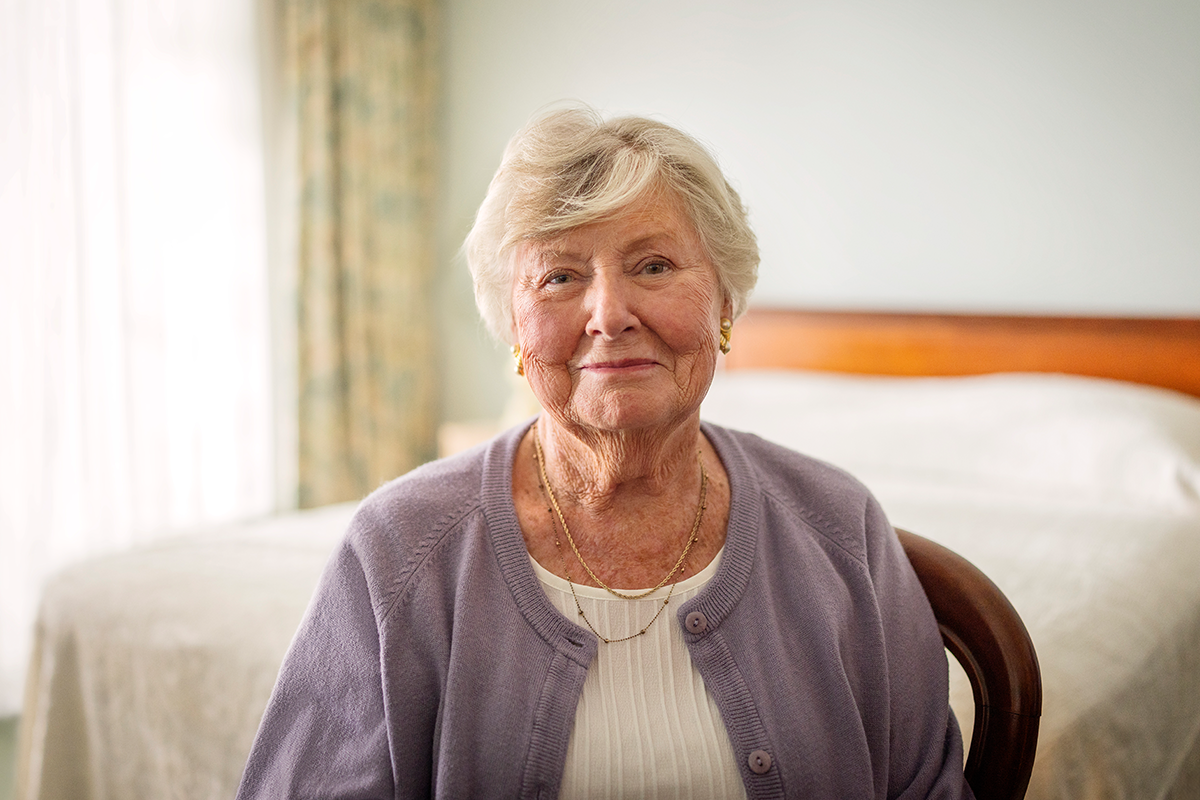
Why Aging Adults Say "I'm Fine" When They're Not
The resistance isn't usually stubbornness for its own sake, even when it feels that way. It's something much more understandable.For a lot of older adults, accepting help at home feels like the first step toward losing everything they've built: their independence, their identity, their place in the family as someone who gives rather than receives. They watched their own parents go into nursing homes, and somewhere in the back of their mind, accepting a caregiver at the door is the beginning of that story.
There's also the fear of being a burden. Many older adults would genuinely rather struggle privately than feel like they're taking something from their children's lives. And there's pride — a lifetime of managing their own affairs, raising families, running households. Being told they need help with bathing or meals can feel like a verdict on who they are now, not a practical solution to a practical problem.
None of this means they're being irrational. It means they're human. And if you want to have a conversation that actually moves somewhere, starting from that understanding changes everything.
How Families Make the Conversation Harder Without Meaning To
The most common mistake is leading with safety. "Mom, I'm worried you're going to fall." "Dad, what if something happens and no one's there?" Safety is real and it matters, but for someone whose main fear is losing independence, a safety argument sounds like confirmation that they're no longer capable of making their own decisions. It puts them on the defensive before the conversation has really started.Another common pattern is the family meeting — everyone together, all at once, making the case. From the aging adult's perspective, this can feel like an ambush. Even with the best intentions, being outnumbered doesn't open people up. It shuts them down.
And there's the urgency framing: "We need to figure this out now." Urgency makes sense from the family's side, but it can make an older adult feel like their time is up, like decisions are being made around them rather than with them.
How to Have the Conversation Differently
Start with curiosity instead of concern. Ask what a good day looks like for them. Ask what parts of daily life have felt harder lately. Ask what they'd want their life to look like in five years. You might be surprised what they'll say when they don't feel like they're being assessed.Lead with what they care about, not what you're afraid of. If they care about staying in their home — and most people do — frame home care as the thing that makes that possible, not the thing that signals they can't manage anymore.
Have multiple smaller conversations instead of one big one. The first conversation doesn't need to resolve anything. It just needs to open the door a little.
And if they've had a friend or peer who has used home care and found it helpful, that story is worth more than anything you can say. People are more open to what other people like them have done than to what their adult children are lobbying for.
Call 608-355-5015 Our Website
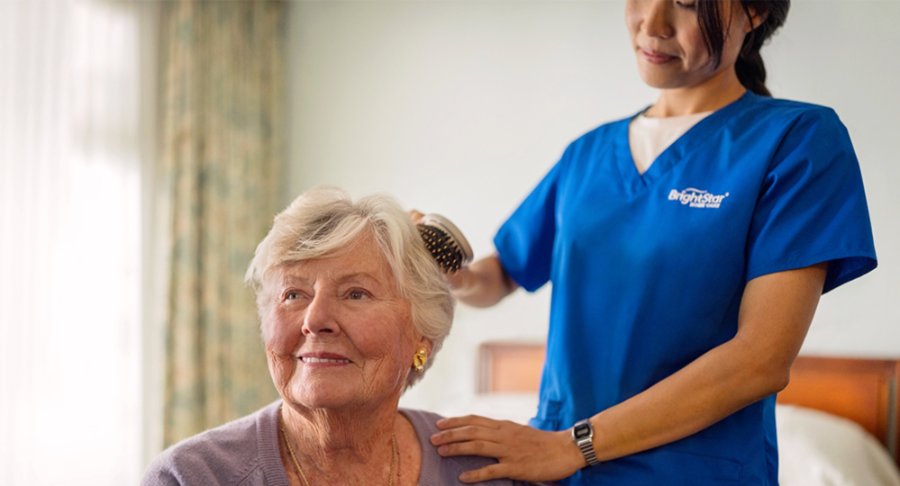
What Personal Care Actually Looks Like Day to Day
A lot of the fear around home care comes from not knowing what it actually involves. When people imagine a caregiver coming into their home, they sometimes picture something that feels institutional or infantilizing. The reality is usually much simpler.Personal care from BrightStar Care of Baraboo might look like a caregiver arriving a few mornings a week to help with bathing and dressing, then sitting down for coffee and conversation before the day starts. It might look like help with meal preparation so there's always something good in the refrigerator. It might be medication reminders, light housekeeping, transportation to appointments, or just a reliable presence in the home for someone who lives alone.
It's not about taking over. It's about filling in the specific gaps that have been making daily life harder, on a schedule that fits the person's life, with someone who gets to know them over time.
The "Start Small" Principle
One of the most effective reframes for resistant older adults is this: it doesn't have to be all or nothing. A few hours a week is not a life sentence. It's a trial.Suggesting a small, specific kind of help — maybe just a caregiver coming twice a week for a few hours — feels much less overwhelming than "we're getting you home care." It gives the person a sense of control over the process. And in most cases, once a good caregiver is in the door and a real relationship develops, the conversation about what else might help becomes much easier.
Starting small also lets the family see what works and what doesn't, without the pressure of having committed to a full care plan on day one.
What BrightStar Care of Baraboo Does Differently
Consistency matters more than most families realize when they're just getting started. A rotating cast of unfamiliar people coming through the door is much harder for an older adult to accept than one or two caregivers they get to know.BrightStar Care of Baraboo works to match clients with caregivers who are a good fit and to keep that assignment consistent. Every client also has a care coordinator who stays in contact with the family, not just at intake but throughout. And because BrightStar Care is a skilled nursing agency as well as a personal care provider, there's registered nurse oversight behind every care plan — which means families aren't just hiring a helper. They're accessing a clinical team that's paying attention.
For families in Baraboo, Wisconsin Dells, Portage, Reedsburg, Prairie du Sac, and Sauk City who are navigating this moment, that structure matters. It means the care holds up over time, not just in the first few weeks.
If You're Stuck Right Now
If you've had the conversation and hit a wall, or if you haven't found the courage to have it yet, that's okay. Most families spend longer than they expected in this in-between place. But if things are visibly slipping and you're not sure what to do next, the first step is just a phone call.BrightStar Care of Baraboo can talk you through what home care actually looks like for your specific situation, answer questions about how it works, and help you think through how to approach the conversation with your loved one. That first call doesn't commit anyone to anything. It just gives you more information to work with, and usually a little more confidence going forward.
Call 608-355-5015 Our Website
Frequently Asked Questions
Q: My parent says they don't need help but I can see they're struggling. What do I do?
A: Start by having a conversation focused on what they want for their own life, not on what you're worried about. Ask about what's been hard lately, and listen without immediately pivoting to solutions. If there's a specific and concrete concern, bring it up in terms of what would help them stay in their home rather than in terms of what could go wrong. Often the first step is just keeping the door to the conversation open rather than trying to resolve everything at once. If things feel urgent, contact BrightStar Care of Baraboo for guidance on how families typically navigate this moment.Q: How do I convince a stubborn aging parent to accept home care?
A: Convincing rarely works. What tends to work better is involving them in the decision rather than presenting it as something being done to them. Ask what kind of help, if any, they might be open to. Suggest starting with something small and specific. Frame home care as a tool for staying home longer and staying in control, not as evidence that they can't manage. If they have a peer who has used home care and found it positive, that story can open doors that family persuasion can't. A BrightStar Care coordinator can also meet with your parent directly to answer their questions in a low-pressure way, which sometimes goes better than the conversation coming only from family.Q: What does personal care from BrightStar Care actually include day to day?
A: Personal care services through BrightStar Care of Baraboo can include assistance with bathing, dressing, and grooming; meal preparation; medication reminders; light housekeeping; transportation to appointments; and companionship. The specific services are matched to what the individual actually needs, and a registered nurse oversees every care plan. Care can start with just a few hours a week and adjust as needs change. All personal care is provided by trained, background-checked caregivers who are matched to the client for consistency.BrightStar Care of Baraboo provides personal care, companion care, and skilled nursing for families throughout Sauk County and Columbia County, including Baraboo, Wisconsin Dells, Portage, Reedsburg, Prairie du Sac, and Sauk City. To speak with a care coordinator about getting started, contact our office today.
Contact Us Today:
- Phone: 608-355-5015
- Address: 502 Oak St. Offices 6 & 7, Baraboo, WI 53913
- Visit Us Online: https://brightstarcare.com/locations/baraboo