
As we recognize Alzheimer’s & Brain Awareness Month this June, it’s a great time to talk about one of the most powerful tools we have for supporting seniors: play.
Many families wonder if a simple game can really make a difference. Think of the brain like a muscle if you don't use it, it gets weaker. While games aren't a cure, they act as a safety net for the mind. They help build up a "backup battery" of mental energy, which can lead to more "good days" and less frustration.
The best part? These games don't require fancy technology. They are simple, affordable, and focus on connection rather than a score.

Here are three ways to turn a normal afternoon into a brain-boosting session:
This is a great way to help a senior feel like the "CEO" of the house again. It uses short-term memory and gives them a sense of purpose.
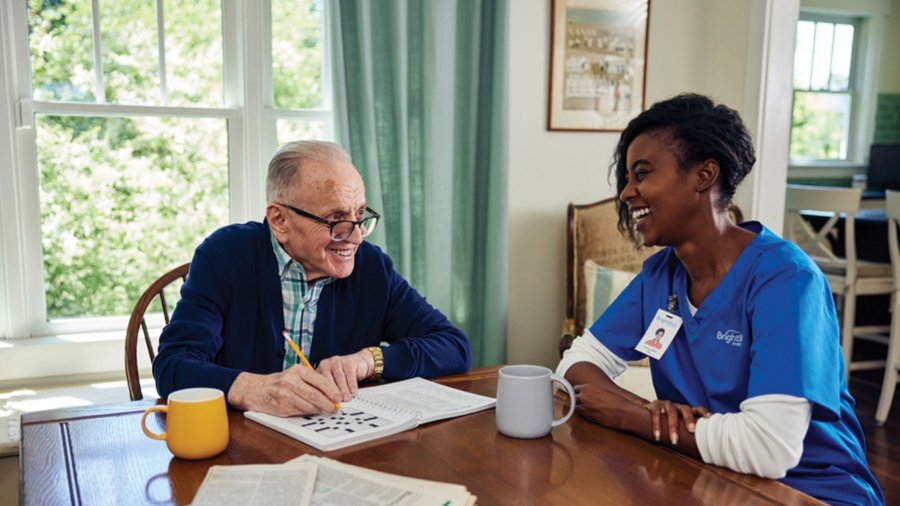
At BrightStar Care, we believe that engagement is just as important as medical care. Our approach is always Nurse-Led, meaning a professional is always looking at the "big picture" of your loved one’s health.
This June, take the pressure off yourself. You don't have to be a medical expert to help your loved one stay sharp. Let our team provide the professional safety net your family deserves.

Don't wait for the middle-of-the-night phone call to take action. Fall prevention isn't about taking away independence; it’s about providing the professional handrail that allows your loved one to stay in the home they love.
Schedule a consultation with us:
Many families wonder if a simple game can really make a difference. Think of the brain like a muscle if you don't use it, it gets weaker. While games aren't a cure, they act as a safety net for the mind. They help build up a "backup battery" of mental energy, which can lead to more "good days" and less frustration.
The best part? These games don't require fancy technology. They are simple, affordable, and focus on connection rather than a score.
3 Simple Brain Games to Try Today
Here are three ways to turn a normal afternoon into a brain-boosting session:
1. The "Kitchen Assistant" Challenge
This is a great way to help a senior feel like the "CEO" of the house again. It uses short-term memory and gives them a sense of purpose.
- How to play: Ask for help "remembering" three items you need for a meal for example: eggs, tuna, and bread.
- The goal: Every so often, ask for a Status Update on what those three items were. If they forget one, just laugh it off and say, "I forgot too! Was it eggs or milk?" Keeping it casual prevents them from feeling like they are taking a test.
2. Name That Tune
Music is like a "back door" to the brain. It can reach memories that words alone sometimes can't.- How to play: Play a few seconds of a song they loved when they were a teenager or in their early twenties.
- The goal: Instead of focusing on the name of the singer, ask questions like, "Does this remind you of a summer night?" or "Did you ever dance to this?" This sparks emotional memory without the pressure of remembering hard facts.
3. The Sorting Station
Sometimes, the brain just needs a simple, repetitive task to feel calm and focused. This is especially helpful if your loved one gets restless in the late afternoon.- How to play: Use a deck of cards, a basket of colorful socks, or even a drawer of nuts and bolts.
- The goal: Ask for help "organizing" them by color, shape, or suit. This uses visual recognition and keeps the hands busy, which can lower anxiety and help clear the "fog" that often comes with memory loss.
Comparing the "Games"
| Activity | What It Helps With | Why It Works |
| Kitchen Assistant | Short-term memory | Gives them purpose. |
| Name That Tune | Emotional connection | Reaches deeper, "hardwired" memories. |
| Sorting Station | Focus and calm | Reduces restlessness and anxiety. |
The Nurse-Led Difference
At BrightStar Care, we believe that engagement is just as important as medical care. Our approach is always Nurse-Led, meaning a professional is always looking at the "big picture" of your loved one’s health.
- Supportive Oversight: Our caregivers are trained to use these games as a way to "course correct" a difficult day. If a senior is feeling overwhelmed, a quick game can help reset their mood.
- Verified Skills: Every caregiver is vetted to ensure they can provide a safe, supportive environment. We handle the heavy lifting so you can focus on being a daughter, son, or spouse.
- Affordable Support: You don't need a massive budget to protect your loved one’s brain health. We focus on simple, everyday shifts that make a real difference.
Ready to Start a New Routine?
This June, take the pressure off yourself. You don't have to be a medical expert to help your loved one stay sharp. Let our team provide the professional safety net your family deserves.
Take the Next Step with BrightStar Care of Bay County
Don't wait for the middle-of-the-night phone call to take action. Fall prevention isn't about taking away independence; it’s about providing the professional handrail that allows your loved one to stay in the home they love.Schedule a consultation with us:
- Phone: 850-238-3270
- Address: 3477 FL-77 Ste B, Lynn Haven, FL 32444
- Visit Us Online: BrightStar Care of Bay County