
September is Alzheimer's and Dementia Awareness Month. For veteran families in Panama City, Lynn Haven, Panama City Beach, Callaway, and throughout Bay County, this month is also an opportunity to address a dimension of dementia that affects veterans at higher rates than the civilian population and that is consistently underrecognized by families and clinicians alike: the co-occurrence of dementia and depression.
These two conditions frequently travel together in aging veterans. Depression can precede dementia, appearing years before cognitive symptoms are recognized. It can accompany dementia, making the cognitive and behavioral symptoms of the disease significantly worse. And it can be caused by dementia, as a direct neurological consequence of the brain changes the disease produces. Untangling which is driving what, and ensuring that both are addressed, is one of the more demanding clinical challenges in veteran care. It is also one where in-home support makes a meaningful difference.
Our Veteran Care Services Call 850-238-3270
Traumatic brain injury, which affects veterans at rates far higher than the civilian population, is independently associated with both increased dementia risk and increased depression risk. The neurological damage TBI causes overlaps with the systems that regulate mood, motivation, and cognitive function. Veterans who sustained even mild TBI during service, including blast exposure that may never have been formally evaluated, carry elevated risk for both conditions decades after the injury.
PTSD, which affects veterans at two to five times the rate of the general population, is similarly linked to both dementia and depression. The chronic stress response associated with PTSD elevates cortisol over long periods, which is toxic to hippocampal neurons. It also disrupts sleep, drives social withdrawal, and creates a chronic inflammatory state that affects brain health over time. Veterans with PTSD who are aging into their sixties, seventies, and eighties are carrying this accumulated neurological burden alongside the normal aging process.
Social isolation, which is disproportionately common among aging veterans, is a significant independent risk factor for both dementia and depression. Veterans who have lost peers, who live alone, who have difficulty integrating into civilian community life, or whose military identity no longer structures their days are at elevated risk.
And the demographics of the veteran population in the Florida Panhandle, including Bay County's substantial military and veteran community around Tyndall Air Force Base and the former Panama City Naval Support Activity, mean that these risks are concentrated locally in ways that make them clinically relevant to families throughout the area.
The interaction between depression and dementia is bidirectional and compounding, which is part of what makes it so difficult to manage.
Depression as a risk factor for dementia. Research consistently shows that a history of depression increases dementia risk, even when the depression occurred decades earlier. The biological pathways involve neuroinflammation, cortisol-related hippocampal damage, and the social and behavioral consequences of depression that reduce the cognitive reserve that buffers against dementia.
Depression as an early symptom of dementia. Depression frequently appears before other recognizable dementia symptoms, sometimes by years. For veterans who develop dementia, depression in the years immediately preceding cognitive diagnosis is common enough that clinicians now consider late-life depression a potential prodromal marker of the disease. Families who notice depression emerging or worsening in an aging veteran parent or spouse should not simply attribute it to aging or to accumulated life circumstances.
Depression worsening dementia symptoms. When depression and dementia co-occur, the depression reliably makes the cognitive symptoms worse. Impaired concentration, slowed processing, withdrawal from stimulating activity, disrupted sleep, and reduced motivation all accelerate the functional decline that dementia produces on its own. Treating depression does not reverse dementia, but it often produces meaningful improvement in the person's functional capacity and quality of life.
Dementia causing depression. As dementia progresses, the neurological damage it causes to mood-regulating systems produces depression as a direct consequence of the disease, not just as a psychological response to it. This is particularly relevant in vascular dementia, which is common in veterans with cardiovascular risk factors, where the brain changes involved directly affect the limbic and prefrontal systems that regulate mood.
Our Veteran Care Services Call 850-238-3270
Several factors make the combination of depression and dementia particularly difficult to identify and treat in veterans.
The symptoms overlap. Apathy, cognitive slowing, withdrawal from activities, memory difficulty, sleep disturbance, and reduced engagement with daily life are features of both depression and dementia. When the two co-occur, each makes the other harder to distinguish. Family members and clinicians alike may attribute all of the symptoms to dementia and never address the depression separately.
Veterans underreport psychological distress. The culture of military service, particularly among older veterans, does not favor disclosure of emotional vulnerability. Depression is frequently not reported, minimized when present, or reframed in terms that do not use mental health language. A veteran who will readily describe pain or fatigue may not describe hopelessness or loss of pleasure in terms that register as depression to the people around them.
PTSD masks and interacts with both. Veterans with PTSD already carry a complex behavioral and emotional picture that can obscure the emergence of both dementia and depression. Nighttime agitation, hypervigilance, emotional numbing, and withdrawal that have been attributed to PTSD for years may intensify as dementia and depression are added to the clinical picture without being separately recognized.
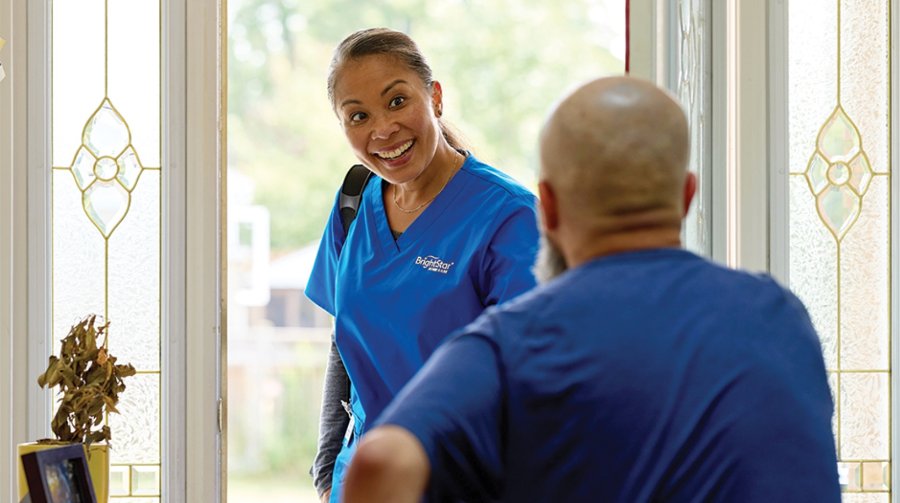
A significant loss of interest or pleasure in activities that were previously meaningful, including hobbies, veteran organizations, social contacts, or activities tied to military identity. Persistent sadness, tearfulness, or emotional flatness that goes beyond normal fluctuation. Hopelessness or expressions of worthlessness that are out of proportion to the cognitive decline the person is experiencing. Significant changes in appetite or sleep. Withdrawal from family contact that represents a departure from previous patterns. Statements suggesting that life is not worth living or that they would be better off dead, which in any older adult and particularly in male veterans should always be taken seriously and acted on promptly.
If these signs are present alongside cognitive symptoms, the treating physician should be informed of both sets of concerns explicitly. Depression in the context of dementia is treatable, and treatment matters.
Our Veteran Care Services Call 850-238-3270
Treatment of co-occurring depression and dementia in veterans requires coordination across the cognitive and mental health dimensions of the person's care.
The VA provides integrated care for veterans with both conditions, including geriatric mental health services, memory care clinics, and behavioral health support that addresses the intersection of PTSD, depression, and cognitive decline. Veterans in Bay County who are not currently engaged with VA healthcare are encouraged to explore enrollment, as the VA's experience with this specific population and its integrated care model represent a meaningful resource.
For veterans who are enrolled in VA care, the Bay Pines VA Healthcare System serves veterans in Northwest Florida, including Bay County residents. The Eglin AFB area is also served by Emerald Coast VA Clinic resources accessible to Okaloosa and nearby counties.
Medication management for co-occurring depression and dementia requires careful geriatric prescribing, as some medications commonly used for depression carry significant risks in older adults with cognitive impairment. A geriatric psychiatrist or a VA physician with experience in this population is the most appropriate prescriber.
Non-pharmacological interventions for depression in the context of dementia include structured social engagement, physical activity, music therapy, meaningful daily routine, and consistent human connection. These are not soft add-ons. They are evidence-based interventions with measurable effects on mood and functional capacity.
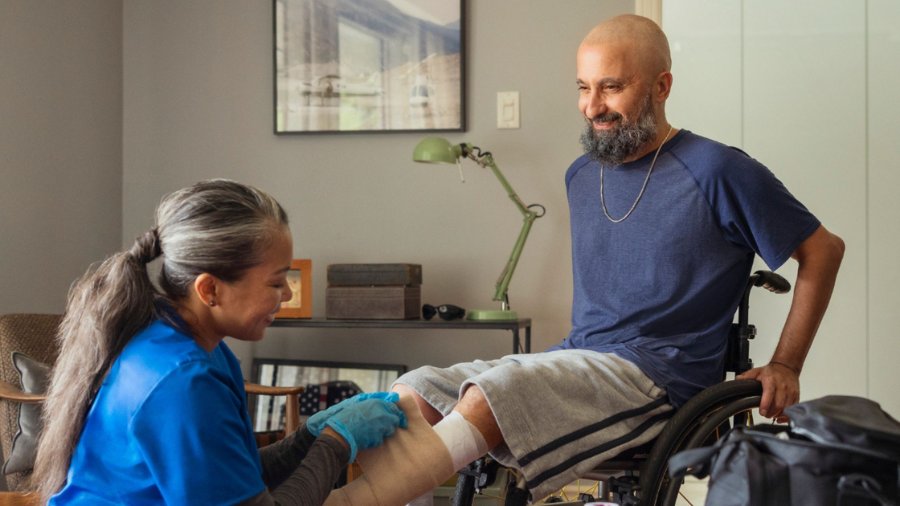
BrightStar Care of Bay County provides skilled nursing and non-medical caregiving for veterans with dementia and their families throughout Panama City, Lynn Haven, Panama City Beach, Callaway, Southport, and surrounding Bay County communities.
Our team has specific experience working with veterans navigating the intersection of dementia, depression, and PTSD. We understand the behavioral and emotional dimensions of caring for a veteran whose military experience shapes how they respond to care, to caregivers, and to the loss of independence that dementia brings.
Skilled nursing oversight monitors the clinical picture over time, flags changes to the family and treating physician, ensures medications are managed correctly, and provides the clinical coordination that complex co-occurring conditions require. For veterans managing both dementia and depression, that monitoring function is particularly important because changes in either condition can affect the other rapidly.
Non-medical caregiving provides the consistent human presence and structured daily engagement that are themselves therapeutic for depression in the context of dementia. A familiar caregiver who shows up reliably, who engages the veteran with genuine warmth and respect for their service, who helps maintain a daily routine that provides meaning and structure, is delivering a form of care that medication alone cannot replicate.
We work closely with VA care teams and with the veteran's other providers to ensure that the care we provide is coordinated with the full picture of their health needs.
Our Veteran Care Services Call 850-238-3270
BrightStar Care of Bay County provides skilled nursing and non-medical home care services for veterans, seniors, and adults throughout Panama City, Lynn Haven, Panama City Beach, Callaway, Southport, and surrounding Bay County communities. To speak with a care coordinator about support for a veteran in your family this September, contact our office today.
Veterans in crisis: call or text 988 and press 1 for the Veterans Crisis Line, available 24 hours a day.
Schedule a consultation with us:
These two conditions frequently travel together in aging veterans. Depression can precede dementia, appearing years before cognitive symptoms are recognized. It can accompany dementia, making the cognitive and behavioral symptoms of the disease significantly worse. And it can be caused by dementia, as a direct neurological consequence of the brain changes the disease produces. Untangling which is driving what, and ensuring that both are addressed, is one of the more demanding clinical challenges in veteran care. It is also one where in-home support makes a meaningful difference.
Our Veteran Care Services Call 850-238-3270
Why Veterans Are at Particular Risk for Both
Veterans carry a specific cluster of risk factors that elevate their likelihood of developing both dementia and depression, often simultaneously.Traumatic brain injury, which affects veterans at rates far higher than the civilian population, is independently associated with both increased dementia risk and increased depression risk. The neurological damage TBI causes overlaps with the systems that regulate mood, motivation, and cognitive function. Veterans who sustained even mild TBI during service, including blast exposure that may never have been formally evaluated, carry elevated risk for both conditions decades after the injury.
PTSD, which affects veterans at two to five times the rate of the general population, is similarly linked to both dementia and depression. The chronic stress response associated with PTSD elevates cortisol over long periods, which is toxic to hippocampal neurons. It also disrupts sleep, drives social withdrawal, and creates a chronic inflammatory state that affects brain health over time. Veterans with PTSD who are aging into their sixties, seventies, and eighties are carrying this accumulated neurological burden alongside the normal aging process.
Social isolation, which is disproportionately common among aging veterans, is a significant independent risk factor for both dementia and depression. Veterans who have lost peers, who live alone, who have difficulty integrating into civilian community life, or whose military identity no longer structures their days are at elevated risk.
And the demographics of the veteran population in the Florida Panhandle, including Bay County's substantial military and veteran community around Tyndall Air Force Base and the former Panama City Naval Support Activity, mean that these risks are concentrated locally in ways that make them clinically relevant to families throughout the area.
How Depression and Dementia Interact
The interaction between depression and dementia is bidirectional and compounding, which is part of what makes it so difficult to manage.Depression as a risk factor for dementia. Research consistently shows that a history of depression increases dementia risk, even when the depression occurred decades earlier. The biological pathways involve neuroinflammation, cortisol-related hippocampal damage, and the social and behavioral consequences of depression that reduce the cognitive reserve that buffers against dementia.
Depression as an early symptom of dementia. Depression frequently appears before other recognizable dementia symptoms, sometimes by years. For veterans who develop dementia, depression in the years immediately preceding cognitive diagnosis is common enough that clinicians now consider late-life depression a potential prodromal marker of the disease. Families who notice depression emerging or worsening in an aging veteran parent or spouse should not simply attribute it to aging or to accumulated life circumstances.
Depression worsening dementia symptoms. When depression and dementia co-occur, the depression reliably makes the cognitive symptoms worse. Impaired concentration, slowed processing, withdrawal from stimulating activity, disrupted sleep, and reduced motivation all accelerate the functional decline that dementia produces on its own. Treating depression does not reverse dementia, but it often produces meaningful improvement in the person's functional capacity and quality of life.
Dementia causing depression. As dementia progresses, the neurological damage it causes to mood-regulating systems produces depression as a direct consequence of the disease, not just as a psychological response to it. This is particularly relevant in vascular dementia, which is common in veterans with cardiovascular risk factors, where the brain changes involved directly affect the limbic and prefrontal systems that regulate mood.
Our Veteran Care Services Call 850-238-3270
Why the Co-Occurrence Is So Hard to Recognize
Several factors make the combination of depression and dementia particularly difficult to identify and treat in veterans.The symptoms overlap. Apathy, cognitive slowing, withdrawal from activities, memory difficulty, sleep disturbance, and reduced engagement with daily life are features of both depression and dementia. When the two co-occur, each makes the other harder to distinguish. Family members and clinicians alike may attribute all of the symptoms to dementia and never address the depression separately.
Veterans underreport psychological distress. The culture of military service, particularly among older veterans, does not favor disclosure of emotional vulnerability. Depression is frequently not reported, minimized when present, or reframed in terms that do not use mental health language. A veteran who will readily describe pain or fatigue may not describe hopelessness or loss of pleasure in terms that register as depression to the people around them.
PTSD masks and interacts with both. Veterans with PTSD already carry a complex behavioral and emotional picture that can obscure the emergence of both dementia and depression. Nighttime agitation, hypervigilance, emotional numbing, and withdrawal that have been attributed to PTSD for years may intensify as dementia and depression are added to the clinical picture without being separately recognized.
Signs That Both May Be Present
Families who are monitoring an aging veteran for dementia should be attentive to the following as indicators that depression may also be part of the picture:A significant loss of interest or pleasure in activities that were previously meaningful, including hobbies, veteran organizations, social contacts, or activities tied to military identity. Persistent sadness, tearfulness, or emotional flatness that goes beyond normal fluctuation. Hopelessness or expressions of worthlessness that are out of proportion to the cognitive decline the person is experiencing. Significant changes in appetite or sleep. Withdrawal from family contact that represents a departure from previous patterns. Statements suggesting that life is not worth living or that they would be better off dead, which in any older adult and particularly in male veterans should always be taken seriously and acted on promptly.
If these signs are present alongside cognitive symptoms, the treating physician should be informed of both sets of concerns explicitly. Depression in the context of dementia is treatable, and treatment matters.
Our Veteran Care Services Call 850-238-3270
What Treatment and Care Look Like
Treatment of co-occurring depression and dementia in veterans requires coordination across the cognitive and mental health dimensions of the person's care.The VA provides integrated care for veterans with both conditions, including geriatric mental health services, memory care clinics, and behavioral health support that addresses the intersection of PTSD, depression, and cognitive decline. Veterans in Bay County who are not currently engaged with VA healthcare are encouraged to explore enrollment, as the VA's experience with this specific population and its integrated care model represent a meaningful resource.
For veterans who are enrolled in VA care, the Bay Pines VA Healthcare System serves veterans in Northwest Florida, including Bay County residents. The Eglin AFB area is also served by Emerald Coast VA Clinic resources accessible to Okaloosa and nearby counties.
Medication management for co-occurring depression and dementia requires careful geriatric prescribing, as some medications commonly used for depression carry significant risks in older adults with cognitive impairment. A geriatric psychiatrist or a VA physician with experience in this population is the most appropriate prescriber.
Non-pharmacological interventions for depression in the context of dementia include structured social engagement, physical activity, music therapy, meaningful daily routine, and consistent human connection. These are not soft add-ons. They are evidence-based interventions with measurable effects on mood and functional capacity.
How BrightStar Care of Bay County Supports Veteran Families
BrightStar Care of Bay County provides skilled nursing and non-medical caregiving for veterans with dementia and their families throughout Panama City, Lynn Haven, Panama City Beach, Callaway, Southport, and surrounding Bay County communities.Our team has specific experience working with veterans navigating the intersection of dementia, depression, and PTSD. We understand the behavioral and emotional dimensions of caring for a veteran whose military experience shapes how they respond to care, to caregivers, and to the loss of independence that dementia brings.
Skilled nursing oversight monitors the clinical picture over time, flags changes to the family and treating physician, ensures medications are managed correctly, and provides the clinical coordination that complex co-occurring conditions require. For veterans managing both dementia and depression, that monitoring function is particularly important because changes in either condition can affect the other rapidly.
Non-medical caregiving provides the consistent human presence and structured daily engagement that are themselves therapeutic for depression in the context of dementia. A familiar caregiver who shows up reliably, who engages the veteran with genuine warmth and respect for their service, who helps maintain a daily routine that provides meaning and structure, is delivering a form of care that medication alone cannot replicate.
We work closely with VA care teams and with the veteran's other providers to ensure that the care we provide is coordinated with the full picture of their health needs.
Our Veteran Care Services Call 850-238-3270
Frequently Asked Questions
Q: My veteran father has been treated for depression for years. How do I know if dementia is also developing?
Look for cognitive changes that go beyond what depression alone would explain: memory loss that does not improve with reminders, difficulty with familiar tasks, confusion about time or place, getting lost in familiar areas, or word-finding difficulty that is clearly worse than before. If you are seeing these changes alongside the depression, raise them explicitly with his physician. Do not assume the cognitive symptoms are entirely attributable to depression. Request a cognitive evaluation specifically if you have concerns.Q: My mother's dementia seems much worse since she became more depressed. Is that possible?
Yes. Depression significantly worsens the cognitive and functional symptoms of dementia through multiple mechanisms. Impaired concentration, slowed processing, reduced motivation, and disrupted sleep all compound the direct effects of the dementia itself. Treating depression does not reverse the underlying dementia, but it often produces meaningful improvement in the person's day-to-day functioning and quality of life. This is one of the strongest arguments for ensuring that depression in the context of dementia is identified and treated rather than attributed entirely to the dementia.Q: My veteran father made a comment about not wanting to be alive anymore. How seriously should I take it?
Very seriously. Comments about not wanting to be alive should always be taken seriously in older adults, and particularly in male veterans, who have among the highest rates of completed suicide of any demographic group. Do not dismiss the comment, and do not promise secrecy. Contact his physician and the Veterans Crisis Line at 988, then press 1, which provides 24/7 support specifically for veterans in crisis. If you believe he is in immediate danger, call 911. The combination of dementia, depression, and military experience creates a specific risk profile that warrants a cautious and prompt response to any expression of suicidal ideation.BrightStar Care of Bay County provides skilled nursing and non-medical home care services for veterans, seniors, and adults throughout Panama City, Lynn Haven, Panama City Beach, Callaway, Southport, and surrounding Bay County communities. To speak with a care coordinator about support for a veteran in your family this September, contact our office today.
Veterans in crisis: call or text 988 and press 1 for the Veterans Crisis Line, available 24 hours a day.
Schedule a consultation with us:
- Phone: 850-238-3270
- Address: 3477 FL-77 Ste B, Lynn Haven, FL 32444
- Visit Us Online: BrightStar Care of Bay County