
Companion care for veterans is non-medical, in-home support that helps veterans stay connected, active and independent at home. A companion caregiver might help with grocery shopping, cook a favorite meal, plan an outing with friends, or help set up a video call with the grandkids.
Companion care isn't limited to veterans, either. Any older adult who wants more connection and support at home can benefit.
We provide companion care for seniors and their families in Carmel Valley, Rancho Santa Fe, La Jolla and surrounding San Diego communities.
Companion care is for everyone, but with Veterans Day around the corner, we wanted to shine a light on the veterans in our community.
November is a natural time to thank the men and women who served and to check in on the veterans in our own lives. Many are now in their 70s, 80s and 90s, and some are spending more time at home alone than their families realize.
Honoring veterans can go beyond a parade or a thank-you post. Sometimes it means making sure the veteran down the street, or the one at your holiday table, has regular company and support.
Everything in this article applies to any older adult in your life, veteran or not.
Companion care is shaped around the person, not a fixed checklist. A typical visit might include:
- Writing letters or catching up on emails
- Crafts, puzzles or reading together
- Rides to appointments, church or community events
- Grocery shopping and other errands
- Light housekeeping and simple meal preparation
- Friendly reminders for medications and appointments
- A walk around the neighborhood or time outdoors
For a veteran, it might also mean help getting to medical appointments or a local Veterans Day ceremony.
Some veterans like to talk about their service. Others would rather talk about anything else. A good companion follows their lead.
As people get older, life can get quieter. Losing a spouse, giving up driving or watching longtime friends move away can make days at home feel long.
That's true for any senior, and veterans who spent years being the ones others relied on may find it especially hard to ask for help.
Social isolation means having little regular contact with other people, and it can creep in slowly.
Many families notice that a loved one who used to be social has become quieter, less active or less interested in the things they once enjoyed. Regular, meaningful connection is one of the simplest ways to support an older adult's overall well-being.
Companion care helps by:
- Building routine: Visits on set days give the week structure and something to look forward to.
- Keeping seniors connected: Rides and outings make it easier to stay involved in the community.
- Supporting independence: Help with errands and household tasks makes staying at home more manageable.
- Giving families peace of mind: Adult children know someone is checking in, even when they live far away.
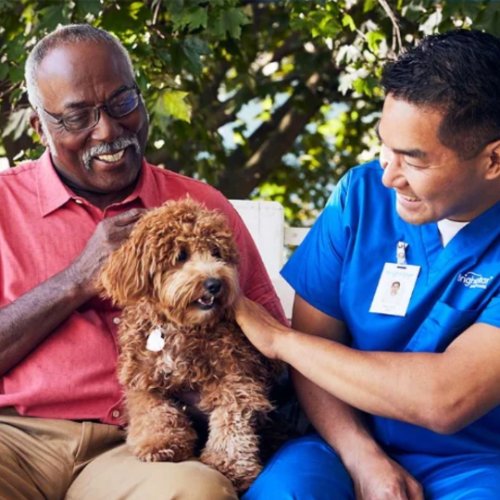
How can you honor a veteran in your life this Veterans Day?
A thank-you matters, but the most meaningful gestures are often the simplest. A few ideas:
- Spend unhurried time together: Share a meal, watch a game or just sit and talk.
- Ask, then listen: Some veterans enjoy sharing stories from their service. Let them decide how much to share.
- Help them get out: Offer a ride to a local Veterans Day event, a parade or a visit with old friends.
- Save their stories: Record a conversation or write down memories so the whole family has them.
- Check in on everyday life: Notice whether they're eating well, getting to appointments and staying connected.
- Plan for ongoing support: If they're spending a lot of time alone, companion care can give them regular company long after the holiday is over.
Whether your loved one is a veteran or not, families often notice small changes first, especially during holiday visits. Watch for:
- Spending most days alone or rarely leaving the house
- Losing interest in hobbies or activities they used to enjoy
- No longer driving, or feeling unsure behind the wheel
- Skipped meals, an empty fridge or missed appointments
- Recently losing a spouse or close friend
- Seeming withdrawn, down or less talkative than usual
If a few of these sound familiar, companion care can be a comfortable first step. It brings in support without major changes to your loved one's life.
- Companion care: Non-medical social and household support, such as errands, transportation, meal prep and activities.
- Personal care: Hands-on help with Activities of Daily Living (ADLs), the basic self-care tasks like bathing, dressing and toileting.
- Skilled nursing: Medical care from licensed nurses, such as wound care, infusions and disease management.
At BrightStar Care of Carmel Valley/ Rancho Santa Fe, every care plan includes Registered Nurse (RN) oversight, so families know someone is watching for changes in their loved one's needs over time.
Many seniors start with companion care and add more support only if their needs change. Because we provide all three, care can grow without switching agencies.
Q: Is companion care only for veterans?
A: No. Companion care is for any older adult who wants more connection, routine and support at home. We're spotlighting veterans this month because Veterans Day is a meaningful time to check in on the veterans in our lives.
Q: How often do companion care visits happen?
A: It depends on your loved one and your family. Some start with a couple of visits a week and add more over time.
Q: Is companion care only for people who live alone?
A: No. It also helps seniors who live with a spouse or family, especially when relatives work or need a break.
Q: What areas do you serve?
A: We serve Carmel Valley, Rancho Santa Fe, La Jolla, Del Mar, Solana Beach, Encinitas, Cardiff by the Sea, Mira Mesa, Pacific Beach and nearby San Diego communities.
Talk to Our Team About Companion Care
This Veterans Day is a great reminder to check in on the people we love, whether they served or not.
If someone in your life could use more connection and support at home, call us to schedule a complimentary in-home consultation, or visit us online to learn more about our in-home care services.
Each agency is independently owned and operated.
This content was created with the assistance of AI.