
Leaving a hospital or rehabilitation facility is supposed to feel like progress. For many patients in Center City Philadelphia and the surrounding neighborhoods, it does — until the first day home reveals how much of the daily routine they cannot yet manage on their own.
The gap between what insurance covers after a facility discharge and what a person actually needs to recover safely at home is real, and it is common. Medicare skilled home health benefits cover specific clinical services for a defined period when certain conditions are met. Private insurance coverage varies significantly. What neither typically covers in full is the consistent, practical daily support that makes the difference between a safe recovery at home and a return trip to the emergency room.
Private pay home care fills that gap. It requires no prior authorization, no physician's order, and no qualifying clinical criteria. Families arrange it directly, it can begin within days, and it is defined by what the person actually needs — not by what a coverage formula permits.
This post is for patients and families in Center City, Rittenhouse Square, Society Hill, Northern Liberties, Fishtown, Fairmount, and surrounding Philadelphia neighborhoods who are navigating the weeks and months after a hospital or rehab discharge and want to understand what private pay home care can provide.
Call (445) 345-2211 Visit Our Website
The weeks immediately following a hospital or rehabilitation discharge are when patients are most vulnerable to setbacks, complications, and readmission. The clinical literature on this is consistent: the post-discharge period carries elevated risk of falls, medication errors, wound complications, dehydration, and the kind of gradual decline that is much easier to prevent than to reverse.
The reasons are straightforward. A patient who has been in a facility has had around-the-clock access to nursing staff, meals, physical assistance, and structured activity. The day they arrive home, that support structure disappears — and the degree to which informal family support can replace it varies enormously. Some patients have family members nearby who can provide substantial help. Many patients in Center City Philadelphia — particularly those who live alone in apartments or condominiums — have minimal informal support and return home to manage an unfamiliar recovery largely on their own.
Private pay home care is not a substitute for skilled clinical care. It is the consistent daily presence that allows recovery to proceed safely when the clinical interventions are handled and what remains is the practical work of getting through each day.
The services that matter most in the immediate post-discharge period are not always the ones insurance covers. Here is what private pay personal care and companion care address.
Personal hygiene and bathing assistance. Bathing is frequently the first practical challenge after a discharge. A patient recovering from a hip replacement, cardiac surgery, or a stroke may not be able to bathe safely or independently. A personal care aide provides the hands-on assistance that makes bathing safe and preserves the person's dignity throughout.
Dressing and grooming. Range of motion limitations, fatigue, and the effects of anesthesia or medication can make dressing and grooming far more physically demanding than patients anticipate. Assistance with these tasks in the morning and evening reduces the energy expenditure that the person needs for their actual recovery activities.
Meal preparation and nutrition. Adequate nutrition is essential to surgical recovery, wound healing, and the management of any chronic condition. For patients who are fatigued, in pain, or limited in mobility, preparing nutritious meals is not a realistic expectation without support. A caregiver who prepares meals, ensures the person is eating and hydrated, and monitors appetite changes provides clinical value that extends well beyond cooking.
Medication reminders. Post-discharge medication regimens are frequently complex — new prescriptions, dosing changes, medications that must be taken with food or at specific intervals. A personal care aide provides reminders and encourages adherence to the schedule, reducing the risk of missed doses that can slow recovery or trigger complications. (Note: medication administration and clinical management remain the domain of skilled nursing.)
Mobility assistance and fall prevention. Falls are the leading cause of post-discharge injury and readmission. A caregiver who provides steadying support during transfers and ambulation, who identifies hazards in the home environment, and who is present when the patient moves from room to room provides fall prevention that no home modification can fully replace.
Transportation to follow-up appointments. Post-discharge care depends on the patient actually getting to their follow-up appointments with their surgeon, cardiologist, or primary care physician. For Center City Philadelphia patients who no longer drive, or who are not yet physically ready to navigate public transit, transportation assistance is a practical necessity that private pay care provides.
Companionship and emotional support. Recovery from a serious illness or surgery is not only physical. Patients who return home alone, or who have limited social contact during recovery, face elevated risk of depression and anxiety that slows healing. A consistent caregiver who provides genuine companionship is addressing a real aspect of recovery, not a luxury.
Light housekeeping and home management. Laundry, dishes, trash, and the basic upkeep of the home environment fall entirely on the patient once they leave a facility. For someone who is fatigued and limited in mobility, these tasks are genuinely burdensome. A caregiver who manages the home environment frees the patient's energy for the work of recovery.
Call (445) 345-2211 Visit Our Website
Families sometimes ask whether to wait for insurance authorization before starting home care. The honest answer is that the post-discharge period is not a good time to wait.
Speed of access. Insurance prior authorization for home care services can take days to weeks. Private pay care can begin within days of the initial call, sometimes sooner. In the immediate post-discharge window — when fall risk, medication complexity, and the adjustment to being home are all at their peak — that timing difference is clinically significant.
No clinical criteria required. Insurance-covered home care typically requires that the patient meet specific qualifying criteria. Private pay care does not. A person who does not meet Medicare's homebound requirement, or whose insurance has authorized fewer hours than they realistically need, can access private pay care without any qualifying threshold.
Flexibility in services and scheduling. Insurance coverage is defined by what the plan authorizes — specific visit types, specific hour limits. Private pay care is defined by what the person needs. The schedule, the services, and the hours can be adjusted as recovery progresses, expanded during difficult periods and reduced as independence returns.
Supplementing authorized coverage. Private pay and insurance-covered care are not mutually exclusive. Many families use private pay care to supplement authorized home health visits — adding personal care and companionship hours around the skilled nursing or therapy visits that insurance covers. The two service types address different dimensions of recovery and work best together.
When a patient is ready to leave the hospital but not yet ready to be fully independent, the discharge team may present two options: transfer to a skilled nursing facility for continued rehabilitation, or return home with home care support.
For many patients in Center City Philadelphia, returning home is strongly preferred. The question is whether going home is safe given their current functional status and the support available to them.
Private pay home care makes returning home possible for patients who might otherwise need a skilled nursing facility stay simply because they lack adequate daily support at home. A patient recovering from a hip replacement who lives alone in a Rittenhouse Square apartment does not necessarily need a skilled nursing facility if consistent daily caregiving support can be arranged. The SNF may be the right choice when the clinical needs are complex and require around-the-clock nursing. But for patients who are medically stable and whose primary need is daily practical support, home with private pay care is often the better option — for recovery, for quality of life, and for cost.
BrightStar Care of Center City Philadelphia can coordinate with discharge planners at Jefferson, Penn, Hahnemann-era successor facilities, and area hospitals to support discharge plans that bring patients home safely.

For post-discharge situations, earlier is better. Reaching out before the discharge date — or on the day of discharge — allows us to have a caregiver in place when the patient arrives home, rather than managing the first days alone while waiting for scheduling to be arranged.
BrightStar Care of Center City Philadelphia serves patients throughout Center City, Rittenhouse Square, Society Hill, Old City, Northern Liberties, Fishtown, Fairmount, and the surrounding Philadelphia neighborhoods. To speak with a care coordinator about post-discharge private pay care, contact our office today.
Call (445) 345-2211 Visit Our Website
BrightStar Care of Center City Philadelphia provides private pay home care — including personal care, companion care, and non-skilled post-discharge support — for patients and families throughout Center City, Rittenhouse Square, Society Hill, Northern Liberties, Fishtown, Fairmount, and surrounding Philadelphia neighborhoods. To speak with a care coordinator, contact our office today through our website or at (445) 345-2211.
The gap between what insurance covers after a facility discharge and what a person actually needs to recover safely at home is real, and it is common. Medicare skilled home health benefits cover specific clinical services for a defined period when certain conditions are met. Private insurance coverage varies significantly. What neither typically covers in full is the consistent, practical daily support that makes the difference between a safe recovery at home and a return trip to the emergency room.
Private pay home care fills that gap. It requires no prior authorization, no physician's order, and no qualifying clinical criteria. Families arrange it directly, it can begin within days, and it is defined by what the person actually needs — not by what a coverage formula permits.
This post is for patients and families in Center City, Rittenhouse Square, Society Hill, Northern Liberties, Fishtown, Fairmount, and surrounding Philadelphia neighborhoods who are navigating the weeks and months after a hospital or rehab discharge and want to understand what private pay home care can provide.
Call (445) 345-2211 Visit Our Website
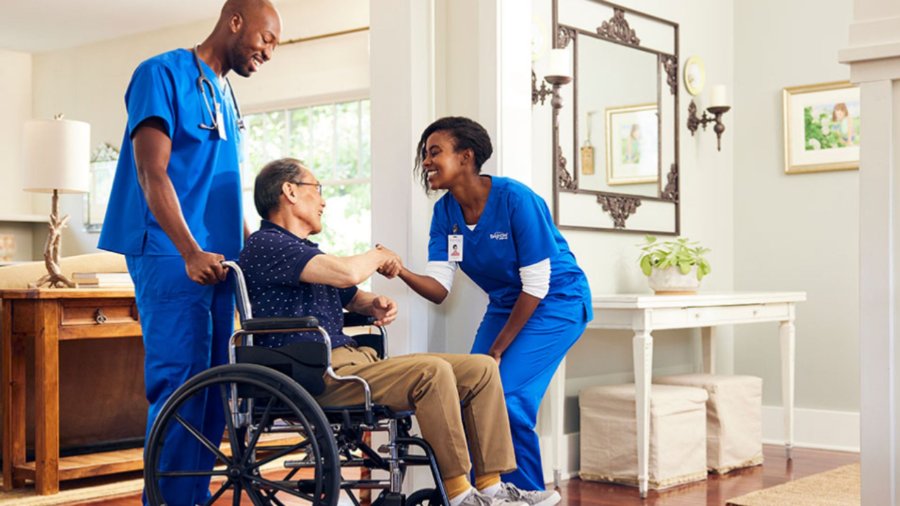
Why the Post-Discharge Period Is the Highest-Risk Window
The weeks immediately following a hospital or rehabilitation discharge are when patients are most vulnerable to setbacks, complications, and readmission. The clinical literature on this is consistent: the post-discharge period carries elevated risk of falls, medication errors, wound complications, dehydration, and the kind of gradual decline that is much easier to prevent than to reverse.The reasons are straightforward. A patient who has been in a facility has had around-the-clock access to nursing staff, meals, physical assistance, and structured activity. The day they arrive home, that support structure disappears — and the degree to which informal family support can replace it varies enormously. Some patients have family members nearby who can provide substantial help. Many patients in Center City Philadelphia — particularly those who live alone in apartments or condominiums — have minimal informal support and return home to manage an unfamiliar recovery largely on their own.
Private pay home care is not a substitute for skilled clinical care. It is the consistent daily presence that allows recovery to proceed safely when the clinical interventions are handled and what remains is the practical work of getting through each day.
What Private Pay Non-Skilled Care Covers After Discharge
The services that matter most in the immediate post-discharge period are not always the ones insurance covers. Here is what private pay personal care and companion care address.Personal hygiene and bathing assistance. Bathing is frequently the first practical challenge after a discharge. A patient recovering from a hip replacement, cardiac surgery, or a stroke may not be able to bathe safely or independently. A personal care aide provides the hands-on assistance that makes bathing safe and preserves the person's dignity throughout.
Dressing and grooming. Range of motion limitations, fatigue, and the effects of anesthesia or medication can make dressing and grooming far more physically demanding than patients anticipate. Assistance with these tasks in the morning and evening reduces the energy expenditure that the person needs for their actual recovery activities.
Meal preparation and nutrition. Adequate nutrition is essential to surgical recovery, wound healing, and the management of any chronic condition. For patients who are fatigued, in pain, or limited in mobility, preparing nutritious meals is not a realistic expectation without support. A caregiver who prepares meals, ensures the person is eating and hydrated, and monitors appetite changes provides clinical value that extends well beyond cooking.
Medication reminders. Post-discharge medication regimens are frequently complex — new prescriptions, dosing changes, medications that must be taken with food or at specific intervals. A personal care aide provides reminders and encourages adherence to the schedule, reducing the risk of missed doses that can slow recovery or trigger complications. (Note: medication administration and clinical management remain the domain of skilled nursing.)
Mobility assistance and fall prevention. Falls are the leading cause of post-discharge injury and readmission. A caregiver who provides steadying support during transfers and ambulation, who identifies hazards in the home environment, and who is present when the patient moves from room to room provides fall prevention that no home modification can fully replace.
Transportation to follow-up appointments. Post-discharge care depends on the patient actually getting to their follow-up appointments with their surgeon, cardiologist, or primary care physician. For Center City Philadelphia patients who no longer drive, or who are not yet physically ready to navigate public transit, transportation assistance is a practical necessity that private pay care provides.
Companionship and emotional support. Recovery from a serious illness or surgery is not only physical. Patients who return home alone, or who have limited social contact during recovery, face elevated risk of depression and anxiety that slows healing. A consistent caregiver who provides genuine companionship is addressing a real aspect of recovery, not a luxury.
Light housekeeping and home management. Laundry, dishes, trash, and the basic upkeep of the home environment fall entirely on the patient once they leave a facility. For someone who is fatigued and limited in mobility, these tasks are genuinely burdensome. A caregiver who manages the home environment frees the patient's energy for the work of recovery.
Call (445) 345-2211 Visit Our Website

Why Private Pay Instead of Waiting for Insurance Coverage
Families sometimes ask whether to wait for insurance authorization before starting home care. The honest answer is that the post-discharge period is not a good time to wait.Speed of access. Insurance prior authorization for home care services can take days to weeks. Private pay care can begin within days of the initial call, sometimes sooner. In the immediate post-discharge window — when fall risk, medication complexity, and the adjustment to being home are all at their peak — that timing difference is clinically significant.
No clinical criteria required. Insurance-covered home care typically requires that the patient meet specific qualifying criteria. Private pay care does not. A person who does not meet Medicare's homebound requirement, or whose insurance has authorized fewer hours than they realistically need, can access private pay care without any qualifying threshold.
Flexibility in services and scheduling. Insurance coverage is defined by what the plan authorizes — specific visit types, specific hour limits. Private pay care is defined by what the person needs. The schedule, the services, and the hours can be adjusted as recovery progresses, expanded during difficult periods and reduced as independence returns.
Supplementing authorized coverage. Private pay and insurance-covered care are not mutually exclusive. Many families use private pay care to supplement authorized home health visits — adding personal care and companionship hours around the skilled nursing or therapy visits that insurance covers. The two service types address different dimensions of recovery and work best together.
Home Care vs. Skilled Nursing Facility: A Discharge Decision Families Face
When a patient is ready to leave the hospital but not yet ready to be fully independent, the discharge team may present two options: transfer to a skilled nursing facility for continued rehabilitation, or return home with home care support.For many patients in Center City Philadelphia, returning home is strongly preferred. The question is whether going home is safe given their current functional status and the support available to them.
Private pay home care makes returning home possible for patients who might otherwise need a skilled nursing facility stay simply because they lack adequate daily support at home. A patient recovering from a hip replacement who lives alone in a Rittenhouse Square apartment does not necessarily need a skilled nursing facility if consistent daily caregiving support can be arranged. The SNF may be the right choice when the clinical needs are complex and require around-the-clock nursing. But for patients who are medically stable and whose primary need is daily practical support, home with private pay care is often the better option — for recovery, for quality of life, and for cost.
BrightStar Care of Center City Philadelphia can coordinate with discharge planners at Jefferson, Penn, Hahnemann-era successor facilities, and area hospitals to support discharge plans that bring patients home safely.
Getting Started in Center City Philadelphia
Starting private pay home care begins with a call to a care coordinator who can learn about the patient's situation, what support is needed, and how quickly care needs to begin.For post-discharge situations, earlier is better. Reaching out before the discharge date — or on the day of discharge — allows us to have a caregiver in place when the patient arrives home, rather than managing the first days alone while waiting for scheduling to be arranged.
BrightStar Care of Center City Philadelphia serves patients throughout Center City, Rittenhouse Square, Society Hill, Old City, Northern Liberties, Fishtown, Fairmount, and the surrounding Philadelphia neighborhoods. To speak with a care coordinator about post-discharge private pay care, contact our office today.
Call (445) 345-2211 Visit Our Website
Frequently Asked Questions
Q: My mother was discharged from Jefferson Hospital and her Medicare home health benefit ends in two weeks. What happens after that?
When a Medicare skilled home health episode ends, the skilled visits — nursing, physical therapy, occupational therapy — stop. If your mother still needs daily personal care support, medication reminders, meal preparation, or companionship after that point, private pay care is typically the path forward. It does not require a physician's order or a new authorization process. Contact BrightStar Care of Center City Philadelphia before the Medicare episode ends so that private pay care can begin seamlessly as the skilled benefit concludes, without a gap in daily support.Q: We want to bring my father home from the rehab facility rather than staying there another week. Is private pay home care a realistic alternative?
It depends on his current clinical needs and functional status, but for many patients the answer is yes. If his primary remaining need is daily practical support — personal care, meals, mobility assistance, medication reminders — rather than skilled clinical interventions that require a nurse or therapist, private pay home care can provide that support at home. A care coordinator can speak with you about his current situation and help assess whether the level of support available through private pay care is a realistic alternative to the additional facility stay. In many cases, patients who come home earlier with strong daily support in place recover at least as well as those who remain in a facility, and they are far happier doing it.Q: How quickly can care start, and do we need to have everything figured out before we call?
Care can typically begin within a few days of the initial call, and you do not need to have everything figured out before reaching out. A care coordinator will ask about the patient's situation, what kind of help is needed, and what the timeline looks like. From there, a registered nurse conducts an in-home assessment that forms the basis of the care plan. The first call does not commit you to services — it starts a conversation that gives your family the information to make a good decision.BrightStar Care of Center City Philadelphia provides private pay home care — including personal care, companion care, and non-skilled post-discharge support — for patients and families throughout Center City, Rittenhouse Square, Society Hill, Northern Liberties, Fishtown, Fairmount, and surrounding Philadelphia neighborhoods. To speak with a care coordinator, contact our office today through our website or at (445) 345-2211.