
Caring for a loved one with dementia at home is filled with meaningful moments—but it also comes with real safety risks that often appear quietly. Families in Central Denver often tell us the same thing: “We didn’t realize how risky things had become until something almost happened.”
Three dangers show up again and again for seniors living with dementia: wandering, falls, and medication mix-ups. Understanding these risks—and knowing when to bring in professional support—can make all the difference in keeping your loved one safe while preserving their independence.
Wandering is one of the most frightening dementia-related risks. A senior may leave home looking for a familiar place, a person from the past, or simply following a sudden sense of urgency—without realizing they’re no longer safe.
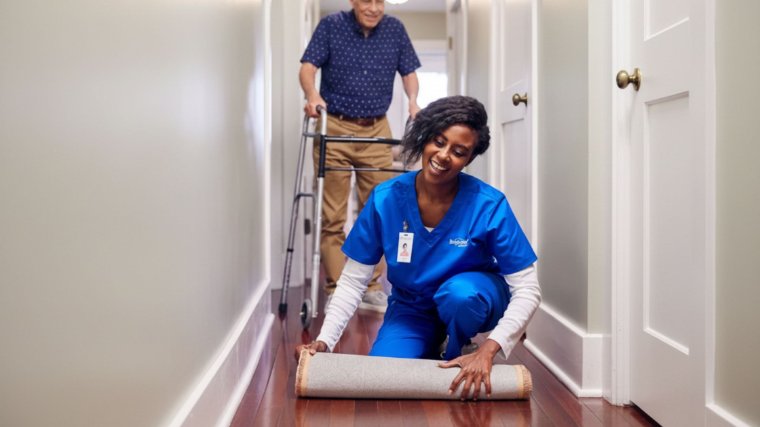
Falls are a leading cause of injury among older adults, and dementia significantly raises that risk. Changes in judgment, balance, vision, and coordination can turn everyday movements into hazards.
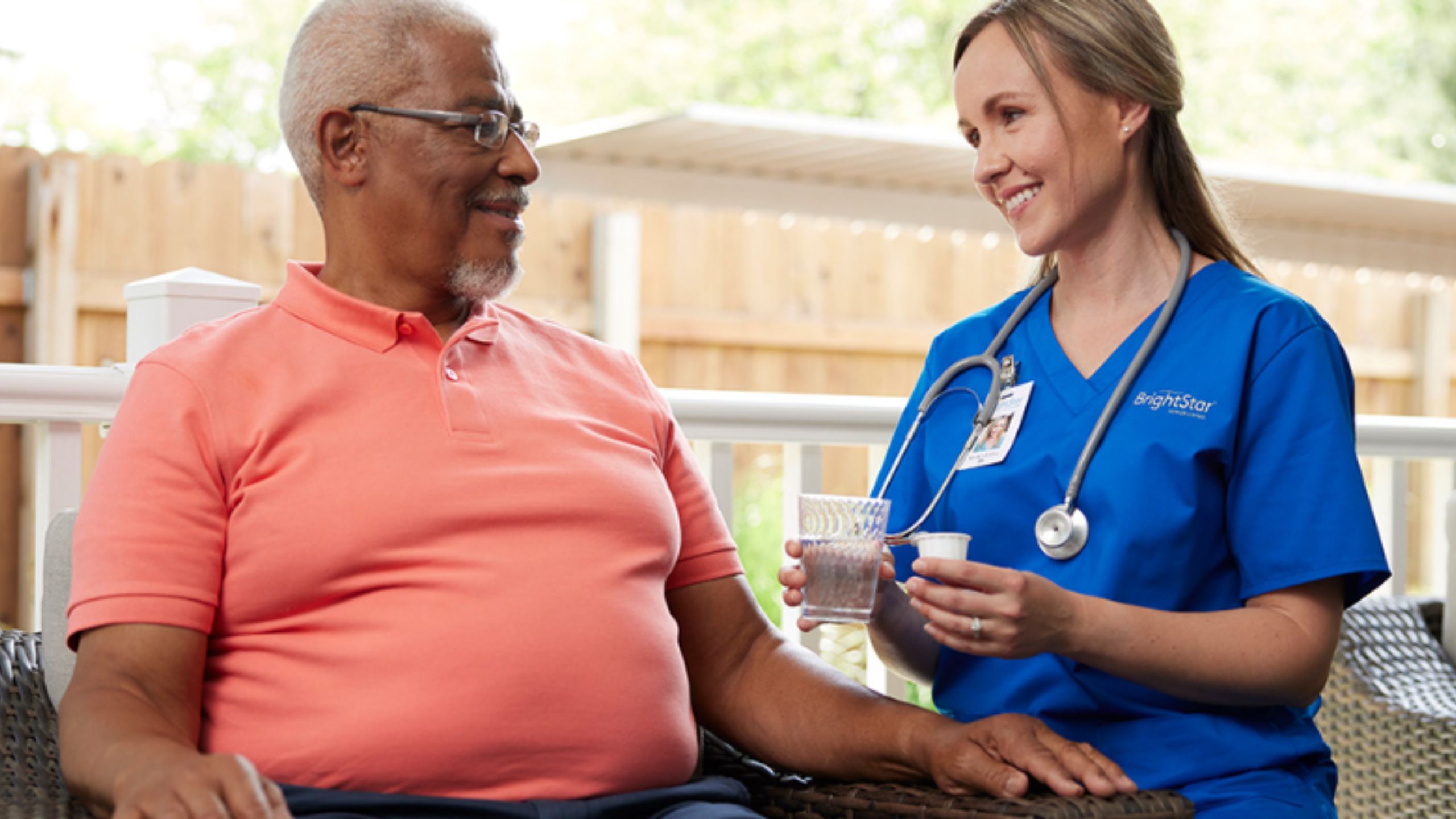
Medication errors are one of the most overlooked dementia dangers. As memory and reasoning decline, even once-simple routines can become unsafe.
Caregivers provide medication reminders, organization, and monitoring. For seniors with complex needs, skilled nursing oversight ensures medications are taken safely and correctly.
Dementia care isn’t just about supervision—it’s about preventing emergencies before they happen. At BrightStar Care of Central Denver, care plans are designed to support safety, dignity, and independence at home.
In-home dementia care can include:
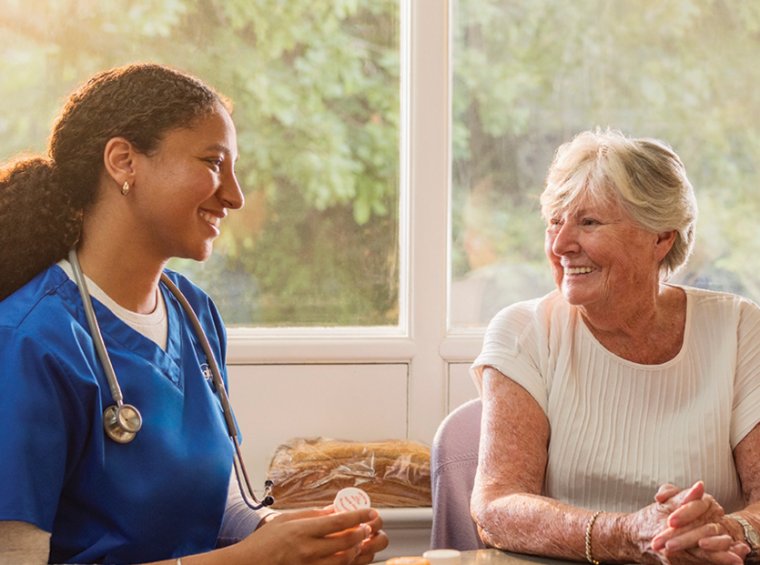
If dementia-related safety risks are starting to feel overwhelming, now is the right time to explore professional in-home care.
BrightStar Care of Central Denver is here to provide the resources and support you need to care for your loved one. Contact us today to learn more about caregiving services! Our office is located at 14334 E Evans Ave, Aurora, CO 80014, United States. You may also call us at 303-300-6666.
We look forward to helping your loved one stay safe - no matter the hour!
You don’t have to wait for an emergency to act.
The right in-home care can help protect your loved one—and help your family breathe easier.
Three dangers show up again and again for seniors living with dementia: wandering, falls, and medication mix-ups. Understanding these risks—and knowing when to bring in professional support—can make all the difference in keeping your loved one safe while preserving their independence.
1. Wandering: When Familiar Places Stop Feeling Familiar
Wandering is one of the most frightening dementia-related risks. A senior may leave home looking for a familiar place, a person from the past, or simply following a sudden sense of urgency—without realizing they’re no longer safe.
Why wandering happens
- Confusion about time or place
- Anxiety or restlessness
- Searching for something that feels “unfinished”
- Changes in routine or environment
Why it’s dangerous
- Exposure to extreme weather
- Traffic risks in busy Denver neighborhoods
- Difficulty asking for help or finding their way home
How in-home care helps
Professional caregivers provide supervision, routine, and reassurance—reducing anxiety that often triggers wandering. Care plans can also include home safety strategies, door alerts, and structured daily schedules that help seniors feel secure.
2. Falls: The Risk That Increases Without Warning
Falls are a leading cause of injury among older adults, and dementia significantly raises that risk. Changes in judgment, balance, vision, and coordination can turn everyday movements into hazards.
Common fall triggers
- Forgetting to use mobility aids
- Misjudging steps, rugs, or curbs
- Nighttime confusion when getting up
- Medication side effects
Why falls are especially serious
- Longer recovery times
- Increased fear of movement afterward
- Higher chance of hospitalization or loss of independence
How in-home care helps
Caregivers assist with safe mobility, monitor changes in balance, and help keep pathways clear. With consistent support, seniors can move with more confidence—and families gain peace of mind.
3. Medication Mix-Ups: A Hidden but Serious Threat
Medication errors are one of the most overlooked dementia dangers. As memory and reasoning decline, even once-simple routines can become unsafe.
What families often notice
- Missed doses or double dosing
- Confusion between pills that look similar
- Taking medications at the wrong time
- Forgetting recent medication changes after doctor visits
Why it matters
Medication mistakes can cause dizziness, confusion, falls, hospitalizations, and serious health complications—sometimes without obvious warning signs.
How in-home care helps
Caregivers provide medication reminders, organization, and monitoring. For seniors with complex needs, skilled nursing oversight ensures medications are taken safely and correctly.
Why Families in Central Denver Turn to In-Home Dementia Care
Dementia care isn’t just about supervision—it’s about preventing emergencies before they happen. At BrightStar Care of Central Denver, care plans are designed to support safety, dignity, and independence at home.In-home dementia care can include:
- One-on-one supervision and companionship
- Fall prevention and mobility support
- Medication reminders or skilled nursing oversight
- Consistent routines that reduce confusion
- Support for family caregivers who need relief
When Safety Starts to Feel Uncertain, It’s Time to Talk
If you’ve caught yourself worrying about:- “What if they wander when I’m not there?”
- “What if they fall again?”
- “Did they take their medication today… or already take it twice?”
In-Home Care Support in Central Denver
If dementia-related safety risks are starting to feel overwhelming, now is the right time to explore professional in-home care.BrightStar Care of Central Denver is here to provide the resources and support you need to care for your loved one. Contact us today to learn more about caregiving services! Our office is located at 14334 E Evans Ave, Aurora, CO 80014, United States. You may also call us at 303-300-6666.
We look forward to helping your loved one stay safe - no matter the hour!
Frequently Asked Questions
1. Is wandering a sign that my loved one needs in-home care?
Wandering is often a strong indicator that additional supervision is needed. Even occasional episodes can become dangerous quickly, especially in busy urban areas like Central Denver.2. Can in-home care really prevent falls for someone with dementia?
While no solution eliminates all risk, consistent supervision, mobility assistance, and a safer home environment significantly reduce fall risk and related injuries.3. When should skilled nursing be involved in dementia care?
Skilled nursing support is especially helpful when medications are complex, health conditions overlap, or symptoms change. A nurse can monitor health, manage medications, and adjust care as needs evolve.You don’t have to wait for an emergency to act.
The right in-home care can help protect your loved one—and help your family breathe easier.