
Every year, Milwaukee-area hospitals discharge approximately 100,000 patients. Statewide, that number is over 530,000. Most of those patients go home believing the hardest part is behind them. For a significant portion of them particularly older adults and those managing chronic conditions it is not.
The thirty-day readmission rate for urban chronic-condition patients in Milwaukee runs between twelve and fifteen percent. That means roughly one in eight patients discharged from a hospital like Froedtert or Aurora returns within a month not because their original condition was untreatable at home, but because the transition from hospital to home was not adequately supported. A medication was not taken correctly. A warning sign was not recognized. A follow-up appointment was missed. A wound changed in a way that no one with clinical training was present to notice.
These are not inevitable outcomes. They are preventable ones and the research on what prevents them is consistent. Skilled, consistent clinical oversight in the home during the post-discharge period is one of the most effective interventions available for reducing hospital readmissions and supporting genuinely successful recovery.
At BrightStar Care of Central Milwaukee, post-discharge care is one of our core areas of focus. We work with families navigating the transition home from Froedtert Medical Center, Aurora St. Luke's, Aurora Sinai, Columbia St. Mary's, and other Milwaukee-area hospitals building care plans that provide the clinical oversight and daily support that make the difference between a recovery that stays on track and one that ends in a return trip to the emergency room.
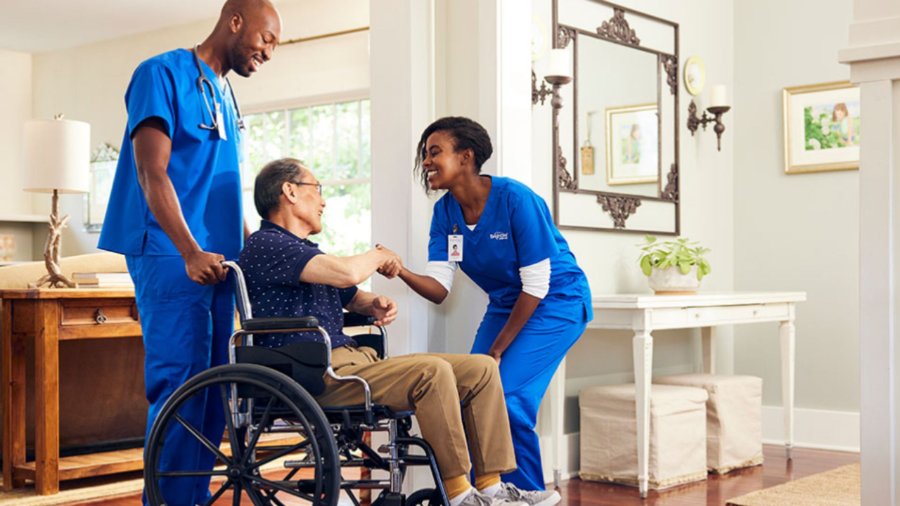
The sheer scale of hospital discharge activity in the Milwaukee metro area approximately 100,000 patients per year, with Froedtert and the Aurora network alone accounting for a significant share of central Milwaukee's volume means that the post-discharge transition is one of the most common and most consequential health transitions happening in this community at any given time.
Central Milwaukee's hospitals serve a patient population with high rates of chronic disease burden: heart failure, COPD, diabetes, chronic kidney disease, and the combinations of these conditions that make post-discharge management particularly complex. These are the patients for whom the twelve to fifteen percent readmission figure is most relevant and for whom the quality of the post-discharge support arrangement has the most direct impact on outcomes.
For families in Milwaukee, Wauwatosa, West Allis, Greenfield, Cudahy, and throughout the central Milwaukee area, the question is not whether a loved one will need post-discharge support. For many patients discharged from the major Milwaukee hospital systems, some level of in-home support is not optional it is what the clinical situation requires. The question is whether that support is going to be adequate to actually prevent the readmission, or whether it is going to leave gaps that a 12:00 a.m. change in condition falls through.
Call Us Today Our Services
Families who have navigated a loved one's hospital discharge know that the experience rarely matches the expectation. Discharge happens faster than anticipated often with a same-day or next-morning notice that can feel abrupt given the seriousness of the condition being managed. The discharge education provided by the hospital nursing team is thorough but delivered under conditions a patient who is exhausted, a family member who is anxious, a timeline that is compressed that are not conducive to retention.
The patient arrives home with a new or significantly changed medication list, activity restrictions, dietary guidelines, wound care instructions, and a follow-up appointment that may be days away. The clinical infrastructure that surrounded them in the hospital the nursing station down the hall, the physician rounding each morning, the pharmacy team reviewing every order is gone. What replaces it is whatever support the family has arranged.
For many families, particularly those managing the discharge of an older parent with multiple chronic conditions, what they have arranged is not enough not because they have not tried, but because the complexity of what is actually needed exceeds what family members without clinical training can safely provide.
The twelve to fifteen percent readmission rate among urban chronic-condition patients in Milwaukee is not evenly distributed. The patients most likely to return are those managing heart failure, who require daily weight monitoring for fluid retention and whose decompensation can progress rapidly without clinical recognition. Patients discharged following pneumonia or COPD exacerbations, whose respiratory status requires ongoing assessment. Patients with diabetes whose medication regimens have been adjusted and whose glucose management is in transition. And patients with multiple comorbidities the combination presentations that Froedtert and Aurora's clinical teams manage at high volume for whom the interaction effects between conditions and medications require a level of clinical literacy that most family caregivers do not have.
For these patients specifically, a skilled nurse who visits in the days following discharge is not a supplemental service. It is a clinical necessity the mechanism through which the deterioration that leads to readmission is identified and addressed before it becomes an emergency.
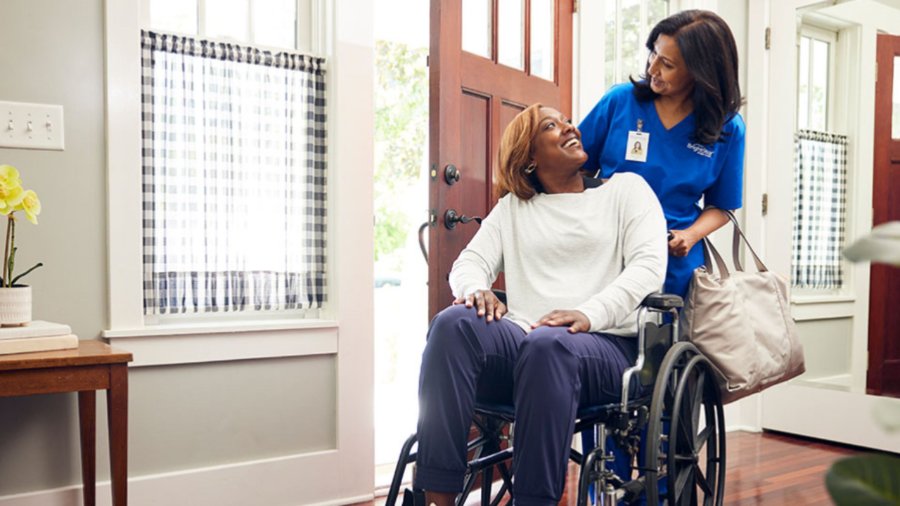
For central Milwaukee patients discharged from Froedtert or Aurora following cardiac, respiratory, or orthopedic admissions, this consistent clinical assessment is the primary mechanism for early intervention the mechanism that catches the three-pound overnight weight gain before it becomes acute decompensated heart failure, the wound erythema before it becomes a deep tissue infection requiring readmission.
A skilled nurse who conducts medication reconciliation at the initial post-discharge visit reviewing what the patient has at home, what they are actually taking, how they understand their schedule, and whether there are concerning interactions or gaps catches the errors that would otherwise present clinically days later. For patients on anticoagulants, cardiac medications, diuretics, and complex diabetes regimens, this review is not administrative. It is clinical.
A skilled nurse who assesses and documents wound status at each visit and who communicates findings to the surgical or procedural team closes the clinical loop between the procedure and the follow-up appointment.
At BrightStar Care of Central Milwaukee, non-medical caregivers work within a care plan developed and supervised by a registered nurse. The two layers of care skilled nursing and daily caregiving are coordinated so that observations made by a caregiver between nursing visits reach the clinical team, and the clinical findings from nursing visits inform the caregiver's daily focus.
Call Us Today Our Services
The most effective post-discharge care arrangements begin before the patient leaves the hospital. When a care coordinator can connect with the hospital discharge team two to three days before the anticipated discharge date, the care plan is ready to begin the day the patient arrives home not several days later while scheduling catches up.
For families of patients at Froedtert Medical Center, Aurora St. Luke's, Aurora Sinai, or Columbia St. Mary's, we encourage reaching out to BrightStar Care of Central Milwaukee during the hospitalization rather than waiting for discharge. Our care coordinators are experienced in coordinating with hospital discharge planners and social workers, and in building care plans that reflect the specific post-discharge needs the hospital team has identified.
The thirty-day readmission window begins the moment a patient leaves the hospital. The sooner clinical oversight is in place at home, the more of that window is protected.
At BrightStar Care of Central Milwaukee, we provide both skilled nursing and non-medical home care for patients navigating hospital discharge throughout Milwaukee, Wauwatosa, West Allis, Greenfield, Cudahy, St. Francis, and surrounding central Milwaukee communities.
Our clinical team understands the post-discharge landscape specific to this market the discharge volume, the chronic disease burden, the readmission risk profile, and the specific follow-up requirements of the major Milwaukee hospital systems. We work with families to build care plans that address the highest-priority clinical and practical needs in the post-discharge period, and we remain in contact with the treating physician team throughout.
For a community where 100,000 hospital discharges happen every year and twelve to fifteen percent of high-risk patients return within thirty days, the question is not whether post-discharge home care matters. It is whether the arrangement a family has in place is actually adequate to prevent one of those readmissions from being their loved one's.
We want to help make sure the answer is yes.
Contact BrightStar Care of Central Milwaukee for a Free Consultation:
BrightStar Care of Central Milwaukee provides skilled nursing and non-medical home care services for patients navigating hospital discharge and recovery throughout Milwaukee, Wauwatosa, West Allis, Greenfield, Cudahy, St. Francis, and surrounding central Milwaukee communities. To speak with a care coordinator about post-discharge care, contact our office today.
Call Us Today Our Services
The thirty-day readmission rate for urban chronic-condition patients in Milwaukee runs between twelve and fifteen percent. That means roughly one in eight patients discharged from a hospital like Froedtert or Aurora returns within a month not because their original condition was untreatable at home, but because the transition from hospital to home was not adequately supported. A medication was not taken correctly. A warning sign was not recognized. A follow-up appointment was missed. A wound changed in a way that no one with clinical training was present to notice.
These are not inevitable outcomes. They are preventable ones and the research on what prevents them is consistent. Skilled, consistent clinical oversight in the home during the post-discharge period is one of the most effective interventions available for reducing hospital readmissions and supporting genuinely successful recovery.
At BrightStar Care of Central Milwaukee, post-discharge care is one of our core areas of focus. We work with families navigating the transition home from Froedtert Medical Center, Aurora St. Luke's, Aurora Sinai, Columbia St. Mary's, and other Milwaukee-area hospitals building care plans that provide the clinical oversight and daily support that make the difference between a recovery that stays on track and one that ends in a return trip to the emergency room.
Why Milwaukee's Discharge Volume Makes This Especially Important
The sheer scale of hospital discharge activity in the Milwaukee metro area approximately 100,000 patients per year, with Froedtert and the Aurora network alone accounting for a significant share of central Milwaukee's volume means that the post-discharge transition is one of the most common and most consequential health transitions happening in this community at any given time.Central Milwaukee's hospitals serve a patient population with high rates of chronic disease burden: heart failure, COPD, diabetes, chronic kidney disease, and the combinations of these conditions that make post-discharge management particularly complex. These are the patients for whom the twelve to fifteen percent readmission figure is most relevant and for whom the quality of the post-discharge support arrangement has the most direct impact on outcomes.
For families in Milwaukee, Wauwatosa, West Allis, Greenfield, Cudahy, and throughout the central Milwaukee area, the question is not whether a loved one will need post-discharge support. For many patients discharged from the major Milwaukee hospital systems, some level of in-home support is not optional it is what the clinical situation requires. The question is whether that support is going to be adequate to actually prevent the readmission, or whether it is going to leave gaps that a 12:00 a.m. change in condition falls through.
Call Us Today Our Services
What the Post-Discharge Window Actually Looks Like From the Inside
Families who have navigated a loved one's hospital discharge know that the experience rarely matches the expectation. Discharge happens faster than anticipated often with a same-day or next-morning notice that can feel abrupt given the seriousness of the condition being managed. The discharge education provided by the hospital nursing team is thorough but delivered under conditions a patient who is exhausted, a family member who is anxious, a timeline that is compressed that are not conducive to retention.The patient arrives home with a new or significantly changed medication list, activity restrictions, dietary guidelines, wound care instructions, and a follow-up appointment that may be days away. The clinical infrastructure that surrounded them in the hospital the nursing station down the hall, the physician rounding each morning, the pharmacy team reviewing every order is gone. What replaces it is whatever support the family has arranged.
For many families, particularly those managing the discharge of an older parent with multiple chronic conditions, what they have arranged is not enough not because they have not tried, but because the complexity of what is actually needed exceeds what family members without clinical training can safely provide.
The Specific Risks in the Central Milwaukee Post-Discharge Context
The twelve to fifteen percent readmission rate among urban chronic-condition patients in Milwaukee is not evenly distributed. The patients most likely to return are those managing heart failure, who require daily weight monitoring for fluid retention and whose decompensation can progress rapidly without clinical recognition. Patients discharged following pneumonia or COPD exacerbations, whose respiratory status requires ongoing assessment. Patients with diabetes whose medication regimens have been adjusted and whose glucose management is in transition. And patients with multiple comorbidities the combination presentations that Froedtert and Aurora's clinical teams manage at high volume for whom the interaction effects between conditions and medications require a level of clinical literacy that most family caregivers do not have.For these patients specifically, a skilled nurse who visits in the days following discharge is not a supplemental service. It is a clinical necessity the mechanism through which the deterioration that leads to readmission is identified and addressed before it becomes an emergency.
What Skilled In-Home Care Provides in the Post-Discharge Period
Clinical Assessment and Condition Monitoring
A registered nurse who visits a patient at home in the days following discharge brings clinical eyes to a setting where clinical eyes are otherwise absent. Vital signs, weight, respiratory status, wound appearance, medication adherence, mental status all of these indicators are assessed at each visit and compared to the patient's established baseline. Changes that would be significant to the treating cardiologist or pulmonologist are identified and communicated, not left to a family member to decide whether to mention at the follow-up appointment.For central Milwaukee patients discharged from Froedtert or Aurora following cardiac, respiratory, or orthopedic admissions, this consistent clinical assessment is the primary mechanism for early intervention the mechanism that catches the three-pound overnight weight gain before it becomes acute decompensated heart failure, the wound erythema before it becomes a deep tissue infection requiring readmission.
Medication Reconciliation and Management
The post-discharge medication list is one of the most consistent sources of preventable complications. New drugs, discontinued drugs, dose changes, and complex timing schedules administered to a patient who may be cognitively impaired, fatigued, or simply overwhelmed create a high-risk environment for error.A skilled nurse who conducts medication reconciliation at the initial post-discharge visit reviewing what the patient has at home, what they are actually taking, how they understand their schedule, and whether there are concerning interactions or gaps catches the errors that would otherwise present clinically days later. For patients on anticoagulants, cardiac medications, diuretics, and complex diabetes regimens, this review is not administrative. It is clinical.
Wound Care and Procedural Site Management
Patients discharged following cardiac catheterization, orthopedic surgery, abdominal procedures, or other interventions often have wounds or procedural sites requiring skilled nursing assessment and management. Infection, dehiscence, hematoma formation, and other early wound complications are identifiable with clinical assessment long before they become apparent to a family caregiver or the patient themselves.A skilled nurse who assesses and documents wound status at each visit and who communicates findings to the surgical or procedural team closes the clinical loop between the procedure and the follow-up appointment.
Daily Non-Medical Support
Between skilled nursing visits, patients need consistent, reliable daily support help with personal care during the period of restricted activity and reduced stamina, meal preparation aligned with any post-discharge dietary modifications, medication reminders, and the kind of attentive daily presence that notices when something is different.At BrightStar Care of Central Milwaukee, non-medical caregivers work within a care plan developed and supervised by a registered nurse. The two layers of care skilled nursing and daily caregiving are coordinated so that observations made by a caregiver between nursing visits reach the clinical team, and the clinical findings from nursing visits inform the caregiver's daily focus.
Transportation to Follow-Up Appointments
Froedtert and Aurora schedule post-discharge follow-up appointments within seven to fourteen days of discharge clinical checkpoints that exist because they matter. Patients who miss them have significantly higher readmission rates than those who attend. A caregiver who provides reliable transportation and actively facilitates these appointments is doing something that directly affects outcomes.Call Us Today Our Services
Starting Before Discharge: The Most Effective Approach
The most effective post-discharge care arrangements begin before the patient leaves the hospital. When a care coordinator can connect with the hospital discharge team two to three days before the anticipated discharge date, the care plan is ready to begin the day the patient arrives home not several days later while scheduling catches up.For families of patients at Froedtert Medical Center, Aurora St. Luke's, Aurora Sinai, or Columbia St. Mary's, we encourage reaching out to BrightStar Care of Central Milwaukee during the hospitalization rather than waiting for discharge. Our care coordinators are experienced in coordinating with hospital discharge planners and social workers, and in building care plans that reflect the specific post-discharge needs the hospital team has identified.
The thirty-day readmission window begins the moment a patient leaves the hospital. The sooner clinical oversight is in place at home, the more of that window is protected.
How BrightStar Care of Central Milwaukee Approaches Post-Discharge Care
At BrightStar Care of Central Milwaukee, we provide both skilled nursing and non-medical home care for patients navigating hospital discharge throughout Milwaukee, Wauwatosa, West Allis, Greenfield, Cudahy, St. Francis, and surrounding central Milwaukee communities.Our clinical team understands the post-discharge landscape specific to this market the discharge volume, the chronic disease burden, the readmission risk profile, and the specific follow-up requirements of the major Milwaukee hospital systems. We work with families to build care plans that address the highest-priority clinical and practical needs in the post-discharge period, and we remain in contact with the treating physician team throughout.
For a community where 100,000 hospital discharges happen every year and twelve to fifteen percent of high-risk patients return within thirty days, the question is not whether post-discharge home care matters. It is whether the arrangement a family has in place is actually adequate to prevent one of those readmissions from being their loved one's.
We want to help make sure the answer is yes.
Contact BrightStar Care of Central Milwaukee for a Free Consultation:
- Phone: 414-944-0280
- Address: 10425 W North Ave #246, Milwaukee, WI 53226, United States
- Visit Us Online: BrightStar Care of Central Milwaukee

Frequently Asked Questions
Q: Why are hospital readmission rates so high in Milwaukee for patients with chronic conditions?
The twelve to fifteen percent thirty-day readmission rate among urban chronic-condition patients in Milwaukee reflects several compounding factors: the complexity of managing multiple chronic conditions simultaneously, the speed of hospital discharge relative to the clinical stability of the patient, the inadequacy of post-discharge support in many cases, and the difficulty of medication adherence and self-monitoring for patients managing heart failure, COPD, diabetes, and similar conditions. Research consistently identifies medication errors, missed follow-up appointments, unrecognized warning signs, and the absence of clinical oversight at home as the primary drivers of preventable readmissions.Q: When should a family arrange post-discharge home care before or after the patient leaves the hospital?
Before ideally two to three days before the anticipated discharge date. Arranging care before discharge allows the care plan to be developed in coordination with the hospital team, ensures that a skilled nursing assessment can be conducted within twenty-four hours of the patient arriving home, and eliminates the gap between discharge and the start of clinical oversight that is when complications most often arise. Families of patients at Milwaukee-area hospitals are encouraged to contact BrightStar Care of Central Milwaukee during the hospitalization rather than waiting for the discharge day.Q: Does Medicare cover skilled nursing visits at home after a hospital discharge?
Medicare Part A may cover skilled home health services including skilled nursing visits following a qualifying hospital stay of three or more days when the patient meets the homebound criteria and services are physician-ordered and medically necessary. Coverage is time-limited and subject to specific eligibility requirements. Medicare does not cover ongoing non-medical caregiving such as personal care assistance or companion care, which is typically funded through private pay or long-term care insurance. A care coordinator can help families understand what Medicare coverage may apply to their specific situation and what additional support would need to be funded differently.BrightStar Care of Central Milwaukee provides skilled nursing and non-medical home care services for patients navigating hospital discharge and recovery throughout Milwaukee, Wauwatosa, West Allis, Greenfield, Cudahy, St. Francis, and surrounding central Milwaukee communities. To speak with a care coordinator about post-discharge care, contact our office today.
Call Us Today Our Services