
Spring often brings a noticeable rise in hospital discharges. Whether it’s recovery from winter-related illnesses, postponed procedures finally being scheduled, or elective surgeries timed before summer travel, many Milwaukee families find themselves suddenly preparing to bring a loved one home.
The discharge papers may be clear.
The real-life logistics at home often aren’t.
For families in Central Milwaukee, the first two weeks after discharge are critical. Without the right support in place, small issues like missed medications or improper wound care can quickly turn into complications and even hospital readmissions.
Here are five essential things to plan for before your loved one comes home.
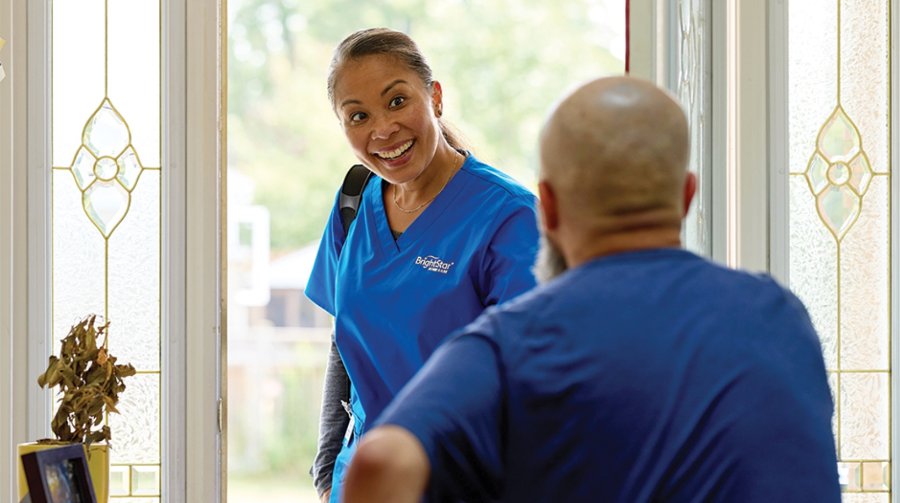
Discharge instructions often include:
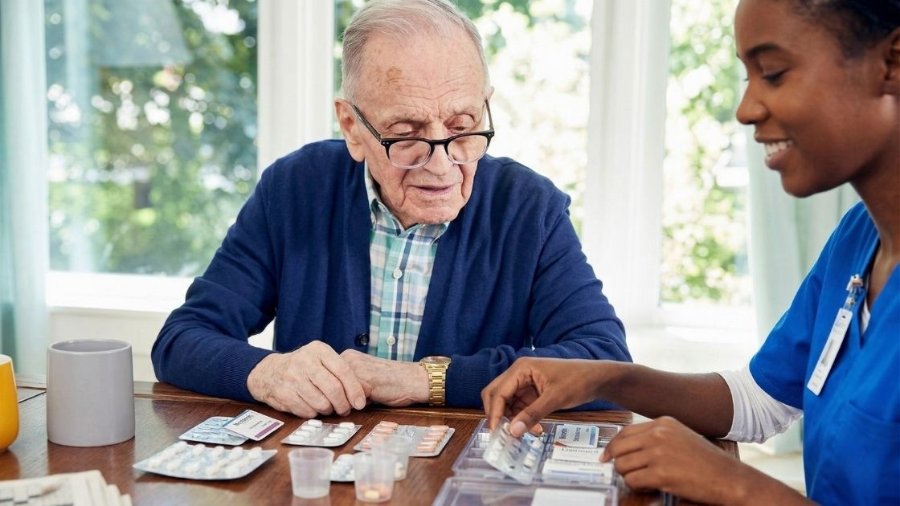
Having skilled nursing oversight ensures instructions are followed correctly, medications are administered as ordered, and any changes in condition are identified early.
RN-led monitoring can make a significant difference in preventing complications.
Spring discharges often include patients recovering from:
RN-led wound care at home provides:

Some patients return home with:
In-home infusion therapy supervised by licensed nurses ensures:
After hospitalization, strength and balance are often reduced.
Even individuals who were independent before admission may now need:
Professional caregivers trained in mobility assistance can help maintain safety while routines are re-established.
Recovery needs can change rapidly.
Some families need only short-term skilled nursing. Others require a mix of clinical care and daily assistance.
BrightStar Care of Central Milwaukee provides:
Skilled nursing services led by Registered Nurses
Not all home care is the same.
While some agencies focus solely on companion support, post-hospital recovery often requires clinical oversight to reduce risk and support healing.
RN-led care ensures:

RN-led care includes clinical monitoring, wound care, infusion therapy, and coordination with physicians—services that go beyond basic supervision or companionship.
If your loved one is preparing for a spring hospital discharge, planning ahead can make all the difference.
BrightStar Care of Central Milwaukee provides skilled nursing and in-home support designed to help families manage recovery safely and confidently.
Contact BrightStar Care of Central Milwaukee today at 414-944-0280 to schedule a free in-home consultation or visit our website to learn how RN-led home care can support a successful recovery. Our address is 10425 W North Ave #246, Milwaukee, WI 53226, United States.
The discharge papers may be clear.
The real-life logistics at home often aren’t.
For families in Central Milwaukee, the first two weeks after discharge are critical. Without the right support in place, small issues like missed medications or improper wound care can quickly turn into complications and even hospital readmissions.
Here are five essential things to plan for before your loved one comes home.
1. Clear Understanding of the Care Plan
Discharge instructions often include:
- Medication changes
- Wound care steps
- Follow-up appointments
- Therapy recommendations
- Activity restrictions
Having skilled nursing oversight ensures instructions are followed correctly, medications are administered as ordered, and any changes in condition are identified early.
RN-led monitoring can make a significant difference in preventing complications.
2. Wound Care and Infection Prevention
Spring discharges often include patients recovering from:
- Surgical procedures
- Joint replacements
- Cardiac interventions
- Chronic wound treatment
RN-led wound care at home provides:
- Sterile dressing changes
- Monitoring for infection
- Documentation and communication with physicians
- Education for family members
3. Infusion and Medication Management
Some patients return home with:
- IV antibiotics
- Hydration therapy
- Specialty medications
- Complex medication schedules
In-home infusion therapy supervised by licensed nurses ensures:
- Safe administration
- Monitoring for adverse reactions
- Accurate documentation
- Coordination with physicians
4. Safe Mobility and Fall Prevention
After hospitalization, strength and balance are often reduced.Even individuals who were independent before admission may now need:
- Help transferring
- Assistance with toileting
- Supervision while walking
- Support navigating stairs
Professional caregivers trained in mobility assistance can help maintain safety while routines are re-established.
5. Flexible Support That Adapts Quickly
Recovery needs can change rapidly.Some families need only short-term skilled nursing. Others require a mix of clinical care and daily assistance.
BrightStar Care of Central Milwaukee provides:
Skilled nursing services led by Registered Nurses
- In-home infusion therapy
- Medication management
- Personal care and mobility support
- RN oversight and care coordination
Why RN-Led Care Makes a Difference
Not all home care is the same.While some agencies focus solely on companion support, post-hospital recovery often requires clinical oversight to reduce risk and support healing.
RN-led care ensures:
- Early detection of complications
- Proper wound management
- Accurate medication administration
- Coordination with discharge planners and physicians
FAQs
1. Why are hospital readmissions common after discharge?
Readmissions often occur due to medication errors, wound complications, infections, or falls during the early recovery period.2. Does home care reduce hospital readmission risk?
Yes. Skilled nursing oversight, proper wound care, and medication management can help identify issues early and prevent complications.
3. What makes RN-led home care different from companion care?
RN-led care includes clinical monitoring, wound care, infusion therapy, and coordination with physicians—services that go beyond basic supervision or companionship.
Planning for a Safe Recovery in Central Milwaukee
If your loved one is preparing for a spring hospital discharge, planning ahead can make all the difference.BrightStar Care of Central Milwaukee provides skilled nursing and in-home support designed to help families manage recovery safely and confidently.
Contact BrightStar Care of Central Milwaukee today at 414-944-0280 to schedule a free in-home consultation or visit our website to learn how RN-led home care can support a successful recovery. Our address is 10425 W North Ave #246, Milwaukee, WI 53226, United States.