
When a loved one starts skipping meals, losing weight, or surviving on crackers and canned soup, it's easy to assume it's just "getting older." But poor nutrition in seniors is rarely that simple and it's almost never inevitable.
For families in the East Los Gatos and San Jose area caring for an aging parent or spouse, understanding why eating habits change is the first step toward doing something about it. And often, what's needed isn't a medical intervention, it's the right kind of daily support.
Food that used to be enjoyable can gradually lose its appeal. Aging dulls the senses of taste and smell, which are deeply tied to the pleasure of eating. Medications many of which seniors take daily can worsen this further, leaving food tasting metallic, bland, or simply unappetizing.
This one is underestimated by nearly every family. Studies consistently show that older adults who eat alone consume significantly less food than those who share meals with others. Eating is a social act. When there's no one at the table, there's often very little motivation to cook a proper meal or finish what's on the plate.

Arthritis in the hands makes chopping and stirring painful. Reduced grip strength makes opening jars or lifting pots difficult. Standing for extended periods becomes exhausting. Many seniors quietly stop cooking not because they don't want to eat well, but because preparing food has become genuinely hard work.
For seniors experiencing early cognitive decline or dementia, the structure of mealtimes can erode. They may forget to eat, lose track of whether they've already eaten, struggle to follow a recipe, or become confused by a busy kitchen environment. What looks like a lack of appetite is often a disruption in routine and cognitive cues.
The later years of life carry real emotional weight: the loss of a spouse, close friends, independence, and purpose. Depression is significantly underdiagnosed in older adults, and one of its most common symptoms is a loss of appetite. When a senior stops caring about meals, it's sometimes a sign they're struggling far beneath the surface.
Ill-fitting dentures, missing teeth, mouth pain, or swallowing difficulties (dysphagia) can make eating genuinely uncomfortable or even frightening. Rather than ask for help or admit the problem, many seniors quietly eliminate the foods that cause them difficulty often the most nutritious ones.
Poor nutrition in seniors isn't a minor inconvenience. It's a serious health risk that compounds over time. Malnutrition weakens the immune system, accelerates muscle loss, impairs wound healing, increases the risk of falls, and can worsen the progression of chronic conditions like diabetes, heart disease, and dementia.
In the South Bay region, where many seniors are aging in place and adult children are balancing demanding careers and their own families, nutritional decline can go unnoticed for months. By the time it becomes visible rapid weight loss, fatigue, increased confusion it's already taken a toll.
This is where consistent, compassionate in-home support makes a real difference. At BrightStar Care of E. Los Gatos / San Jose, our caregivers provide non-skilled home care services that directly address the daily barriers standing between your loved one and good nutrition.
Our caregivers can shop for groceries, prepare fresh, balanced meals tailored to a senior's dietary preferences and any restrictions they may have low sodium, diabetic-friendly, soft foods for swallowing difficulties, and more. Meals are made at home, in the senior's kitchen, in an environment that feels familiar and comfortable.
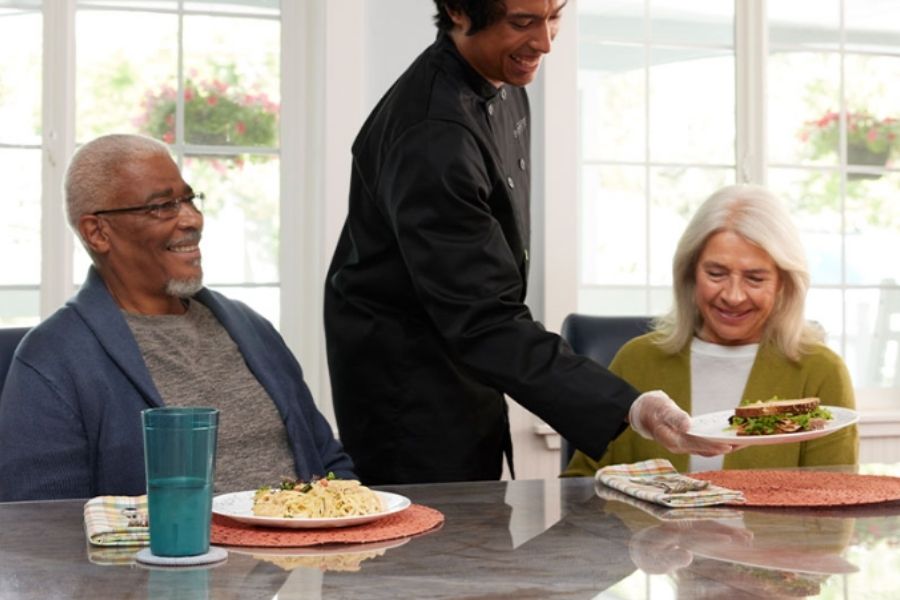
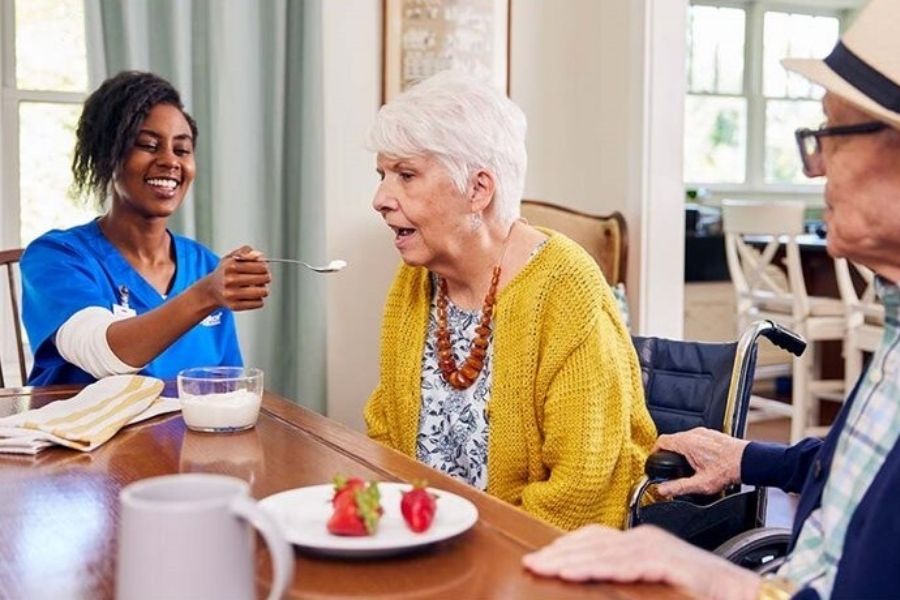
Sitting down together for a meal is one of the most quietly powerful things a caregiver can do. When a senior has company at the table, they eat more and they look forward to mealtimes again. Our caregivers share meals with clients not because it's on a checklist, but because it works.
Caregivers who visit regularly get to know what a client normally eats, what they enjoy, and when something seems off. If a senior starts refusing meals, losing interest in foods they used to love, or appears to be losing weight, a good caregiver notices and communicates that to the family.
Dehydration is as dangerous as malnutrition for older adults, and it's just as easy to miss. Seniors often don't feel thirsty even when they need fluids. Caregivers can make hydration a consistent part of the daily routine offering water, herbal tea, broth, and hydrating foods throughout the day.
For seniors with cognitive changes, a predictable daily structure around meals at the same time, same place, a calm and familiar environment can make an enormous difference in whether they eat consistently. Caregivers help build and maintain that structure visit by visit.
Call Us Today Visit Our Website
Watching a parent or spouse lose weight and pull away from food they used to love is painful. It's also one of those situations where family members often feel helpless; they want to help, but they can't be there every day at every mealtime.
That's exactly what in-home care is for. You don't need a medical diagnosis or a crisis moment to ask for support. If your loved one is eating poorly, struggling to cook, or eating alone every day, that's reason enough to consider bringing in consistent, professional help.
BrightStar Care of E. Los Gatos / San Jose serves families throughout the South Bay from Los Gatos and Campbell to Willow Glen, Almaden Valley, and beyond. Our care team is available to talk through your family's situation and help you figure out the right level of support.
Contact Us for a Free Consultation:
A non-medical home caregiver can help with grocery shopping, preparing nutritious meals suited to a senior's dietary needs, sitting with them at mealtimes for companionship, monitoring hydration, and establishing a consistent daily routine around food. These practical, consistent supports address many of the most common reasons seniors stop eating well without requiring skilled medical care.
It can be. Nutritional decline in older adults is often an early indicator that daily life is becoming harder to manage independently whether due to physical limitations, cognitive changes, loneliness, or depression. If a senior in your life is consistently eating poorly, it may be time to assess whether they would benefit from regular in-home care support, even a few days per week.
BrightStar Care of E. Los Gatos / San Jose provides non-medical home care services for seniors and adults throughout the South Bay. To learn more or speak with a care coordinator, contact our local office at 408-357-9801 today.
Call Us Today Visit Our Website
For families in the East Los Gatos and San Jose area caring for an aging parent or spouse, understanding why eating habits change is the first step toward doing something about it. And often, what's needed isn't a medical intervention, it's the right kind of daily support.
Why Seniors Stop Eating Well: The Real Reasons
1. Appetite Naturally Decreases With Age
The body's hunger signals weaken over time. Seniors produce less of the hormones that trigger appetite, and the digestive process slows down, which means they feel full faster and stay full longer. This is physiological, it happens to most people as they age and it's one reason seniors can become malnourished even when they insist they're "not hungry."
2. Taste and Smell Change
Food that used to be enjoyable can gradually lose its appeal. Aging dulls the senses of taste and smell, which are deeply tied to the pleasure of eating. Medications many of which seniors take daily can worsen this further, leaving food tasting metallic, bland, or simply unappetizing.
3. Eating Alone Kills the Appetite
This one is underestimated by nearly every family. Studies consistently show that older adults who eat alone consume significantly less food than those who share meals with others. Eating is a social act. When there's no one at the table, there's often very little motivation to cook a proper meal or finish what's on the plate.
4. Physical Limitations Make Cooking Hard
Arthritis in the hands makes chopping and stirring painful. Reduced grip strength makes opening jars or lifting pots difficult. Standing for extended periods becomes exhausting. Many seniors quietly stop cooking not because they don't want to eat well, but because preparing food has become genuinely hard work.
5. Cognitive Changes Disrupt Meal Routines
For seniors experiencing early cognitive decline or dementia, the structure of mealtimes can erode. They may forget to eat, lose track of whether they've already eaten, struggle to follow a recipe, or become confused by a busy kitchen environment. What looks like a lack of appetite is often a disruption in routine and cognitive cues.
6. Depression and Grief Suppress Hunger
The later years of life carry real emotional weight: the loss of a spouse, close friends, independence, and purpose. Depression is significantly underdiagnosed in older adults, and one of its most common symptoms is a loss of appetite. When a senior stops caring about meals, it's sometimes a sign they're struggling far beneath the surface.
7. Dental and Swallowing Issues
Ill-fitting dentures, missing teeth, mouth pain, or swallowing difficulties (dysphagia) can make eating genuinely uncomfortable or even frightening. Rather than ask for help or admit the problem, many seniors quietly eliminate the foods that cause them difficulty often the most nutritious ones.
Why This Matters More Than Families Realize
Poor nutrition in seniors isn't a minor inconvenience. It's a serious health risk that compounds over time. Malnutrition weakens the immune system, accelerates muscle loss, impairs wound healing, increases the risk of falls, and can worsen the progression of chronic conditions like diabetes, heart disease, and dementia.In the South Bay region, where many seniors are aging in place and adult children are balancing demanding careers and their own families, nutritional decline can go unnoticed for months. By the time it becomes visible rapid weight loss, fatigue, increased confusion it's already taken a toll.
What BrightStar Care Caregivers Can Do
This is where consistent, compassionate in-home support makes a real difference. At BrightStar Care of E. Los Gatos / San Jose, our caregivers provide non-skilled home care services that directly address the daily barriers standing between your loved one and good nutrition.
Meal Preparation and Planning
Our caregivers can shop for groceries, prepare fresh, balanced meals tailored to a senior's dietary preferences and any restrictions they may have low sodium, diabetic-friendly, soft foods for swallowing difficulties, and more. Meals are made at home, in the senior's kitchen, in an environment that feels familiar and comfortable.
Companionship at Mealtimes
Sitting down together for a meal is one of the most quietly powerful things a caregiver can do. When a senior has company at the table, they eat more and they look forward to mealtimes again. Our caregivers share meals with clients not because it's on a checklist, but because it works.
Encouragement and Gentle Monitoring
Caregivers who visit regularly get to know what a client normally eats, what they enjoy, and when something seems off. If a senior starts refusing meals, losing interest in foods they used to love, or appears to be losing weight, a good caregiver notices and communicates that to the family.
Hydration Support
Dehydration is as dangerous as malnutrition for older adults, and it's just as easy to miss. Seniors often don't feel thirsty even when they need fluids. Caregivers can make hydration a consistent part of the daily routine offering water, herbal tea, broth, and hydrating foods throughout the day.
Establishing and Maintaining Routine
For seniors with cognitive changes, a predictable daily structure around meals at the same time, same place, a calm and familiar environment can make an enormous difference in whether they eat consistently. Caregivers help build and maintain that structure visit by visit.Call Us Today Visit Our Website
A Note for Families in the East Los Gatos and San Jose Area
Watching a parent or spouse lose weight and pull away from food they used to love is painful. It's also one of those situations where family members often feel helpless; they want to help, but they can't be there every day at every mealtime.That's exactly what in-home care is for. You don't need a medical diagnosis or a crisis moment to ask for support. If your loved one is eating poorly, struggling to cook, or eating alone every day, that's reason enough to consider bringing in consistent, professional help.
BrightStar Care of E. Los Gatos / San Jose serves families throughout the South Bay from Los Gatos and Campbell to Willow Glen, Almaden Valley, and beyond. Our care team is available to talk through your family's situation and help you figure out the right level of support.
Contact Us for a Free Consultation:
- Phone: +1 408-357-9801
- Address: 4820 Harwood Rd Suite 110, San Jose, CA 95124
- Visit Us Online: BrightStar Care E. Los Gatos San Jose
Frequently Asked Questions
Q: Why has my elderly parent suddenly stopped eating?
A sudden decrease in appetite in an older adult can have several causes, including medication side effects, depression, dental pain, swallowing difficulties, or early cognitive changes. If the change is abrupt or accompanied by rapid weight loss, it's worth discussing with their doctor. In many cases, increased daily support including companionship at mealtimes and home-cooked meals can significantly improve intake.
Q: What can a non-medical home caregiver do to help a senior eat better?
A non-medical home caregiver can help with grocery shopping, preparing nutritious meals suited to a senior's dietary needs, sitting with them at mealtimes for companionship, monitoring hydration, and establishing a consistent daily routine around food. These practical, consistent supports address many of the most common reasons seniors stop eating well without requiring skilled medical care.
Q: Is poor nutrition in seniors a sign that they need more care?
It can be. Nutritional decline in older adults is often an early indicator that daily life is becoming harder to manage independently whether due to physical limitations, cognitive changes, loneliness, or depression. If a senior in your life is consistently eating poorly, it may be time to assess whether they would benefit from regular in-home care support, even a few days per week.BrightStar Care of E. Los Gatos / San Jose provides non-medical home care services for seniors and adults throughout the South Bay. To learn more or speak with a care coordinator, contact our local office at 408-357-9801 today.
Call Us Today Visit Our Website