
When we think about aging in Glendale or Sun City, we often focus on physical health managing joint pain or heart health. But as we recognize Alzheimer’s & Brain Awareness Month this June, it’s time to talk about the most important "muscle" in your body: your brain.
Cognitive longevity isn't about expensive supplements or complicated medical programs. It’s about the small, daily choices that protect what we call the "clinical whole." Whether you are in your 40s or your 80s, these five simple shifts can help keep your mind sharp and your spirit engaged.

You don’t need a complicated "superfood" list to fuel your brain. The goal is to avoid "corporate fluff" in your diet and stick to simple, nutrient-dense foods that support blood flow to the brain.
Exercise isn't just for your heart; it’s the best way to deliver oxygen to your brain. In Sun City, we are lucky to have world-class recreation centers that make movement social and fun.
Isolation is one of the fastest accelerators of memory loss. Your brain is a social organ; it thrives on conversation and connection.
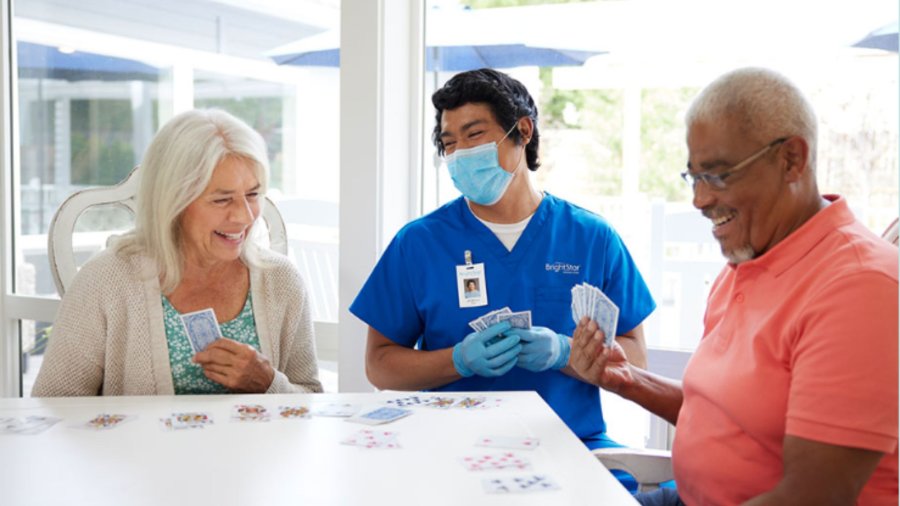
Games shouldn't feel like a school test. The best brain games are the ones that feel like a casual, supportive challenge.
While you sleep, your brain is busy "cleaning" itself, washing away the proteins that can lead to memory loss.
At BrightStar Care of Glendale / Sun City, we believe that brain health is a clinical priority. We avoid medical jargon and focus on clear, supportive instructions that help our clients stay independent.
This Alzheimer’s & Brain Awareness Month, choose one of these five shifts to start today. Whether you’re a senior looking to stay sharp or a family member providing care, we are here to support your journey with a higher standard of nurse-led care.
Contact Us Today for a Free Consultation:
Cognitive longevity isn't about expensive supplements or complicated medical programs. It’s about the small, daily choices that protect what we call the "clinical whole." Whether you are in your 40s or your 80s, these five simple shifts can help keep your mind sharp and your spirit engaged.
1. Diet: Keep it Simple and Clean
You don’t need a complicated "superfood" list to fuel your brain. The goal is to avoid "corporate fluff" in your diet and stick to simple, nutrient-dense foods that support blood flow to the brain.
- Simple Staples: Incorporate easy-to-assemble proteins like eggs or tuna. These are affordable and provide the healthy fats your brain needs to maintain its protective coating.
- The "Whole Food" Rule: Focus on colorful vegetables and fruits. If it grew from the ground, your brain probably loves it.
- Hydration: Dehydration is a leading cause of temporary confusion in seniors. Keep water as your primary drink to stay clear-headed.
2. Exercise: Movement is Brain Fuel
Exercise isn't just for your heart; it’s the best way to deliver oxygen to your brain. In Sun City, we are lucky to have world-class recreation centers that make movement social and fun.
- Pickleball and Badminton: These "racquet sports" are excellent for brain health because they require "split-second" decision-making and hand-eye coordination.
- Consistency over Intensity: You don't need to lift heavy weights every day. A brisk walk through a local Glendale park or a light weightlifting session three times a week is enough to trigger the release of brain-boosting chemicals.
3. Social Habits: The Power of the "Coffee Chat"
Isolation is one of the fastest accelerators of memory loss. Your brain is a social organ; it thrives on conversation and connection.
- Status Updates: Make it a habit to sync up with friends or family regularly. Even a 10-minute phone call to give a "status update" on your week keeps the language centers of your brain active.
- Community Engagement: Join a local club or volunteer. Being around others forces your brain to process new information, which builds "cognitive reserve."
4. Brain Games: Make it a Mission
Games shouldn't feel like a school test. The best brain games are the ones that feel like a casual, supportive challenge.
- The "Grocery Store" Challenge: Try to remember a simple list of three items (like eggs, tuna, and bread) without writing it down until you reach the checkout.
- The Soundtrack Game: Play a few seconds of a song from your youth and try to "Name That Tune." This reaches deep emotional memories that are often untouched by aging.
- Pantry Sorting: Organizing a kitchen cabinet by color or size is a great way to practice "Executive Function" in a low-stress way.
5. Quality Sleep: The "Cleanup Crew"
While you sleep, your brain is busy "cleaning" itself, washing away the proteins that can lead to memory loss.
- Routine Matters: Go to bed and wake up at the same time every day to establish a predictable rhythm for your body.
- Cool and Dark: Keep your bedroom in Glendale cool and dark to ensure you reach the deep stages of sleep where the best "brain cleaning" happens.
Simple Habits, Significant Results
| Lifestyle Area | Small Shift | Why It Works |
| Diet | Add eggs or tuna to lunch. | Provides essential brain-healthy fats. |
| Exercise | Play pickleball or walk 20 minutes. | Increases oxygen flow to the mind. |
| Social | Weekly "Status" call with family. | Reduces isolation and cognitive decline. |
| Games | Practice the "3-Item" grocery list. | Strengthens short-term memory recall. |

The Nurse-Led Safety Net
At BrightStar Care of Glendale / Sun City, we believe that brain health is a clinical priority. We avoid medical jargon and focus on clear, supportive instructions that help our clients stay independent.
- Verified Competency: Our caregivers are trained to integrate these brain-boosting routines into daily care. Our Registered Nurse (RN) Director of Nursing personally verifies these skills.
- Professional Oversight: Our RNs act as the "eyes and ears" for your doctors, ensuring that any small change in memory or mood is caught early.
- Affordable Support: We provide the professional infrastructure you need to keep your loved one safe at home, without the "corporate fluff."
Protect Your Legacy This June
This Alzheimer’s & Brain Awareness Month, choose one of these five shifts to start today. Whether you’re a senior looking to stay sharp or a family member providing care, we are here to support your journey with a higher standard of nurse-led care.Contact Us Today for a Free Consultation:
- Phone: 480-302-5139
- Address: 18001 N 79TH Ave A4, Glendale, AZ 85308
- Visit Us Online: BrightStar Care of Glendale / Sun City / Surprise