
Home should be the place where someone feels safest. For a veteran living with post-traumatic stress disorder (PTSD), that feeling often depends on everyday details: knowing what the day will look like, having a familiar seat in the room, or not being caught off guard by a sudden noise.
If you're caring for a veteran with PTSD at home in Glendale, Sun City, Surprise, or anywhere in the West Valley, you don't need to overhaul your household. Steady routines, honest conversations, and some planning ahead can go a long way.
PTSD can show up later in life
According to the VA's National Center for PTSD, symptoms can appear or return years after service, sometimes during major life changes like retirement, losing a spouse or close friend, or a new health challenge. A veteran who seemed fine for decades may start having trouble sleeping, feel on edge, or avoid certain places or conversations.
This isn't a sign of weakness. It's a common response to experiences that were truly hard. Treatment and support are available, and the veteran's healthcare team is the right place to start. This article is educational and does not replace medical or mental health advice.
Why predictability helps
When the day follows a familiar rhythm, there's less to brace for. Predictability can give a sense of control and make it easier to relax. For most families, consistent habits matter more than big gestures.
Practical ways to create a calmer home
Keep a steady daily rhythm. Regular times for waking, meals, walks, and winding down help the day feel manageable. A written schedule on the fridge keeps everyone, including visitors and caregivers, on the same page.
Talk openly about what helps. Certain sounds, crowds, or news stories may feel harder than others. Instead of guessing, ask when things are calm: "Is there anything that makes a day tougher? Anything that helps?" Then listen.
Make the space feel secure. A favorite chair, good lighting, working locks, and a quiet corner that's theirs can all add to a sense of ease at home.
Give a heads-up before loud or busy moments. Fireworks around the Fourth of July and New Year's, or a house full of holiday guests, can feel jarring. Letting your loved one know ahead of time, and having a quieter option available, can help.
Avoid surprises. Knock before entering, say who's arriving, and explain what you're about to do before helping with something like dressing or moving. Courtesies like these build trust.
Offer choices. "Would you like to walk before or after lunch?" Feeling in control of everyday decisions matters.
Comfort, not avoidance
A calm home is about comfort, not shutting out the world. Over time, steering around every possible reminder can make life smaller and harder to enjoy. Many mental health providers encourage people with PTSD to gently re-engage with activities, places, and people at a pace that feels manageable.
Families don't have to figure out that balance alone. Ask your loved one's provider how you can support progress at home, and which accommodations help versus which ones might hold them back.
What not to do
- Don't push for service stories. Let your loved one decide what to share and when.
- Don't take irritability or distance personally. Tension or withdrawal is often part of PTSD, not a reflection of how they feel about you.
- Don't treat them as fragile. A veteran living with PTSD is still capable, independent, and deserving of respect.
- Don't make every decision for them. Protecting someone from every challenge can take away their sense of control.
- Don't try to be their therapist. Your role is support. Leave treatment to trained professionals.
- Don't ignore your own limits. Caregivers who are exhausted can't give their best. Asking for help is part of the plan.
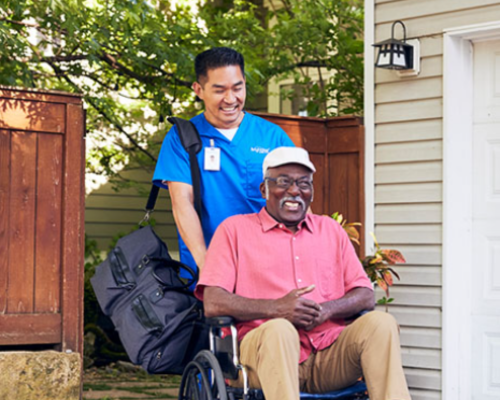
Take care of yourself, too
Living with or caring for someone with PTSD can be tiring, especially for spouses and adult children who are on call around the clock. The VA Caregiver Support Program, family counseling through the Vet Center, and in-home respite care can all give you time to rest and recharge.
Frequently asked questions
What's the difference between a Vet Center and a VA clinic?
Vet Centers offer free, confidential counseling in a non-medical setting for eligible veterans, service members, and their families. VA clinics provide medical and mental health care for enrolled veterans. In the West Valley, the West Valley Vet Center is in Peoria (14050 N. 83rd Ave.) and the Northwest VA Clinic is in Surprise (13985 W. Grand Ave.).
What does a caregiver do differently for a veteran with PTSD?
The focus is on consistency and respect: following the same daily routine, announcing arrivals, explaining each step before helping with personal care, and offering choices rather than directions. Caregivers support daily life. They don't provide mental health treatment.
Should we avoid everything that might upset our loved one?
Not necessarily. Comfort matters, but avoiding every reminder can make life harder over time. Work with your loved one's provider to find the right balance.
Can family members get support too?
Yes. Eligible families can receive counseling through Vet Centers, and the VA Caregiver Support Program offers resources and training for people caring for veterans.
How BrightStar Care Glendale supports veterans and their families
The habits in this article are the same ones our caregivers bring into the home. We follow your loved one's daily routine, knock and say who we are when we arrive, explain each step before helping with personal care, and offer choices throughout the day. The goal is a predictable, respectful presence that fits into the calm you're building.
Every care plan is overseen by a Registered Nurse and built around the person, including their routines, preferences, and what helps them feel at ease. We keep your family in the loop and adjust the plan as needs change. BrightStar Care is accredited by The Joint Commission.
We serve veterans, surviving spouses, and families across Glendale, Sun City, Sun City West, Surprise, Peoria, and Litchfield Park. Our team can walk you through care options and help you explore whether VA benefits may help cover the cost.
Call 480-302-5139 or visit brightstarcare.com/locations/glendale-sun-city-surprise to talk with our local team.