
You’re visiting for the weekend, and you notice something small. As your mother walks from the kitchen to the living room, her hand never truly leaves a surface. A light brush against the countertop, a steadying palm on the back of the sofa, a lingering touch on the hallway wall.
In clinical circles, we call this "furniture walking." To the untrained eye, it looks like she’s just being cautious or perhaps her "knees are acting up." But for the adult daughter watching closely this May, this "Hallway Handrail" habit is often a subconscious safety maneuver that signals something much deeper than just "getting older."

Most people assume that balance is strictly a muscular or inner-ear issue. However, for senior women—the Matriarchs of our family's balance is often the first visible symptom of atypical cardiac fatigue.
When a heart is struggling to keep up with the body’s demands, it prioritizes blood flow to the vital organs. The "leftovers" go to the extremities and the brain. If her heart is under-circulating, she might experience micro-bouts of dizziness or a "heavy" feeling in her legs.
She isn't touching the wall because her legs are weak; she’s touching the wall because her heart is tired.
We often refer to senior women’s health as a "Unicorn Case" because their symptoms don't follow the "Hollywood" rules. A man might experience chest clutching; a woman over 70 experiences "the hallway handrail."
Because these shifts are so quiet, they are easily missed during a standard 15-minute doctor's appointment. By the time a fall happens, the clinical "red flags" have often been flying for months.
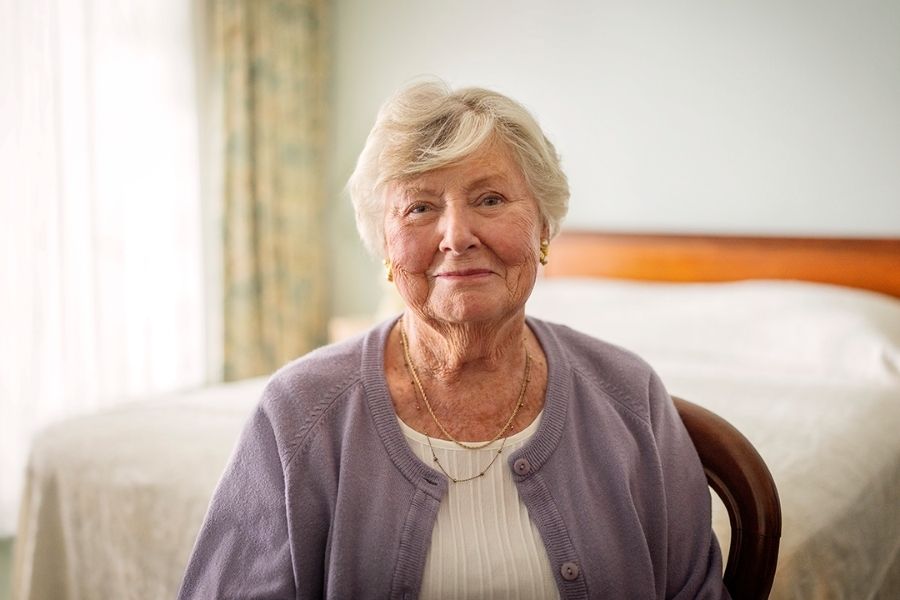
This Women’s Health Month, the goal isn't to take away her independence, it's to provide the Professional Infrastructure that allows her to keep it.
Don't wait for a fall to be the "trigger" for help. Use the observations you’ve made as a bridge:
"Mom, I noticed you’re using the walls for a little extra support lately. Since it’s Women’s Health Month, I’d love for us to have a nurse come by just to check your 'stats' and make sure your heart is getting the support it needs so you can stay as mobile as you want to be."

You’ve spent years leaning on her. Now, let us provide the professional handrail she deserves. Let’s catch the "quiet signals" together before they become a loud crisis.
Contact Us Today for a Free Consultation:
In clinical circles, we call this "furniture walking." To the untrained eye, it looks like she’s just being cautious or perhaps her "knees are acting up." But for the adult daughter watching closely this May, this "Hallway Handrail" habit is often a subconscious safety maneuver that signals something much deeper than just "getting older."
Connecting the Dots: Balance vs. The Heart
Most people assume that balance is strictly a muscular or inner-ear issue. However, for senior women—the Matriarchs of our family's balance is often the first visible symptom of atypical cardiac fatigue.When a heart is struggling to keep up with the body’s demands, it prioritizes blood flow to the vital organs. The "leftovers" go to the extremities and the brain. If her heart is under-circulating, she might experience micro-bouts of dizziness or a "heavy" feeling in her legs.
She isn't touching the wall because her legs are weak; she’s touching the wall because her heart is tired.
| Observation | What it Looks Like | What it Might Actually Be |
| Furniture Walking | Touching walls/tables for stability. | Atypical Cardiac Fatigue: Reduced oxygen flow causing subtle instability. |
| The "Staircase Pause" | Stopping midway up the stairs. | Silent Shortness of Breath: Her heart signaling it needs a "recharge" break. |
| The "Slower Pace" | Walking significantly slower than last year. | Poor Circulation: The heart struggling to pump enough blood to the leg muscles. |
The "Unicorn Case": Why Women’s Symptoms Are Different
We often refer to senior women’s health as a "Unicorn Case" because their symptoms don't follow the "Hollywood" rules. A man might experience chest clutching; a woman over 70 experiences "the hallway handrail."Because these shifts are so quiet, they are easily missed during a standard 15-minute doctor's appointment. By the time a fall happens, the clinical "red flags" have often been flying for months.
Moving from "Caution" to "Clinical Strategy"
This Women’s Health Month, the goal isn't to take away her independence, it's to provide the Professional Infrastructure that allows her to keep it.
- The Nurse-Led Perspective: A Registered Nurse (RN) doesn't just see a woman touching a wall; they see a potential cardiac shift. A nurse-led assessment bridges the gap between her daily life at home and her specialist’s office.
- The "Rhythm Keeper" Approach: Stability is improved when the heart isn't stressed by dehydration or missed medications. A professional caregiver acts as a "Rhythm Keeper," ensuring the clinical small things (like hydration and exact med timing) are managed perfectly.
How to Start the Conversation
Don't wait for a fall to be the "trigger" for help. Use the observations you’ve made as a bridge:"Mom, I noticed you’re using the walls for a little extra support lately. Since it’s Women’s Health Month, I’d love for us to have a nurse come by just to check your 'stats' and make sure your heart is getting the support it needs so you can stay as mobile as you want to be."
Take the Next Step Toward Her Safety Net
You’ve spent years leaning on her. Now, let us provide the professional handrail she deserves. Let’s catch the "quiet signals" together before they become a loud crisis.Contact Us Today for a Free Consultation:
- Phone: 480-302-5139
- Address: 18001 N 79TH Ave A4, Glendale, AZ 85308
- Visit Us Online: BrightStar Care of Glendale / Sun City / Surprise