
When families think about mental health concerns in aging parents, depression is usually the first thing that comes to mind. Anxiety which is actually the most common mental health condition in older adults tends to get less attention. It is subtler, easier to dismiss, and frequently mistaken for something else entirely: personality, stubbornness, excessive worry, or simply the natural discomfort of getting older.
It is none of those things. Anxiety in older adults is a clinical condition with identifiable symptoms, measurable health consequences, and effective treatments most of which older adults in Spartanburg, Easley, Greer, Duncan, and throughout the Upstate are not receiving.
This post is written to change that for at least some families. Not to replace a clinical evaluation, but to give families the information they need to recognize what they are seeing, take it seriously, and know where to turn.
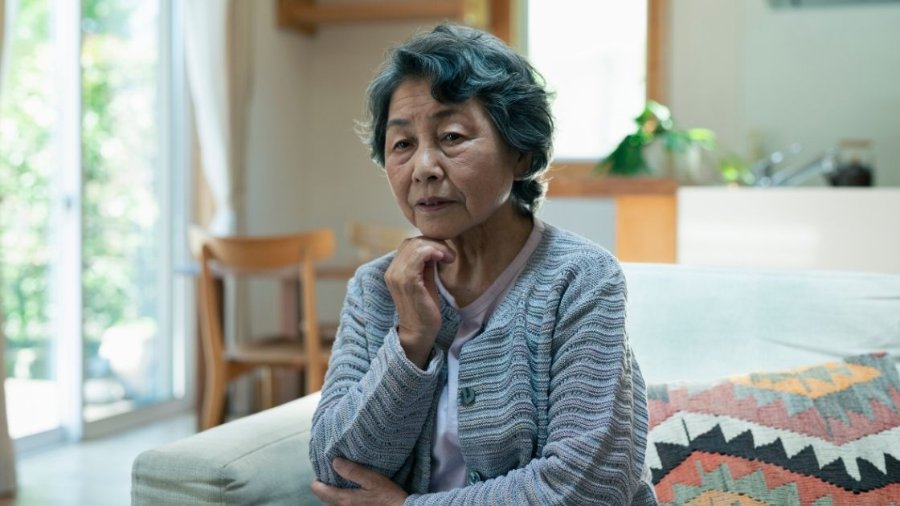
The gap between the prevalence of anxiety in older adults and the rate at which it is identified and treated is significant and well-documented. Studies consistently show that anxiety disorders affect between 10 and 20 percent of older adults making them among the most common mental health conditions in this population yet the majority of affected individuals never receive a diagnosis or treatment.
Several factors explain this gap.
Older adults minimize their symptoms. Generations that came of age before mental health was widely discussed as a health issue often carry a deep reluctance to name psychological distress as a medical concern. Symptoms that a younger person might readily describe as anxiety are reframed by many older adults as "just nerves," "being a worrier," or something to manage privately rather than bring to a doctor.
Anxiety presents differently in older adults. The racing heart, the sense of impending doom, the acute panic attacks that characterize anxiety in younger people are less common in older adults. Instead, anxiety in the older population is more likely to present as excessive worry about health, rumination about finances or family, avoidance of activities that were previously enjoyed, irritability, sleep disturbance, fatigue, or somatic symptoms headaches, gastrointestinal complaints, muscle tension that lead to medical workups rather than mental health referrals.
Primary care visits are too short. The average primary care appointment does not leave adequate time to explore the psychological dimensions of a patient's experience, particularly when the appointment is driven by a list of physical complaints and medication reviews. Anxiety that is not named by the patient is rarely identified in a fifteen-minute visit.
It gets attributed to aging itself. Fatigue, sleep difficulty, worry about health, reduced activity these are real features of anxiety in older adults, but they are also easy to attribute to the aging process, to chronic disease, or to the reasonable concerns of someone whose health and independence are changing. The attribution matters. When symptoms are treated as normal aging, the anxiety driving them goes untreated.
It co-occurs with other conditions that take priority. Anxiety in older adults frequently co-occurs with depression, chronic pain, heart disease, COPD, and dementia. When multiple conditions are present simultaneously, anxiety tends to receive less clinical attention than the physical diagnoses even when the anxiety is significantly driving the patient's distress and functional decline.
Call for a Free Assessment Our In-home Care Services
Families who know what to look for are better positioned to raise the issue with a physician. The most common presentations of anxiety in older adults include:
Excessive, persistent worry — particularly about health, safety, finances, or family members that is disproportionate to the actual situation and that the person has difficulty controlling even when they recognize it is excessive.
Avoidance behavior — stopping activities, outings, or social engagements that were previously part of life, not because of physical inability but because of worry or fear about what might happen. A person who stops going to church, to the senior center, or to family gatherings because they are anxious about falling, about being away from home, or about what might happen is showing a meaningful clinical signal.
Physical symptoms without clear medical explanation — recurrent headaches, stomach distress, muscle tension, or chest tightness that workups consistently fail to explain. Somatic expression of anxiety is more common in older adults than in younger ones, particularly in individuals who were raised to manage emotional distress through physical complaints rather than psychological language.
Sleep disturbance — difficulty falling asleep, waking repeatedly through the night, or waking early and being unable to return to sleep, accompanied by racing thoughts or worry. Sleep problems in older adults have multiple causes, but anxiety is among the most common and most undertreated.
Irritability and emotional reactivity — an older adult who has become significantly more impatient, short-tempered, or reactive than their previous baseline may be experiencing anxiety rather than simply a change in personality.
Hypervigilance about health — frequent checking of blood pressure, repeated calls to physicians about symptoms, excessive monitoring of medications, or disproportionate fear about minor health changes. Health anxiety is among the most common anxiety presentations in older adults and is particularly likely in those managing chronic conditions.
Restlessness and inability to relax — the sense that something is wrong, that they need to be doing something, that they cannot settle even in the absence of a specific worry they can articulate.
Anxiety in older adults is not simply uncomfortable. It is clinically consequential in ways that extend well beyond the psychological.
Chronic anxiety activates sustained stress responses elevated cortisol, inflammatory signaling, autonomic dysregulation that worsen cardiovascular health, suppress immune function, and accelerate cognitive decline. Anxiety is independently associated with increased fall risk, reduced medication adherence, worse outcomes in chronic disease management, accelerated functional decline, and significantly elevated risk of depression. In older adults, the interaction between anxiety and depression is bidirectional and compounding: each makes the other worse.
Untreated anxiety also drives social isolation. An older adult who avoids activities because of anxiety progressively narrows their world: fewer social contacts, less physical activity, reduced engagement with the community in ways that compound both the anxiety and its health consequences.
Call for a Free Assessment Our In-home Care Services
The important message here for families who may feel that mental health treatment is unlikely to help an older parent or who encounter resistance to the idea is that anxiety in older adults is treatable. The evidence base is solid.
Psychotherapy, particularly cognitive behavioral therapy (CBT), has strong evidence for effectiveness in older adults with anxiety disorders. CBT adapted for older adults addresses the specific thought patterns and avoidance behaviors that sustain anxiety, and it does so without medication side effects. Telehealth delivery has significantly expanded access for older adults who have difficulty with transportation.
Medication is an appropriate component of treatment for many older adults with anxiety, with the important caveat that some medications commonly used for anxiety particularly benzodiazepines are associated with fall risk, cognitive effects, and dependence in older adults, and require careful prescribing by a physician familiar with geriatric pharmacology.
Exercise has a well-documented anxiolytic effect and is among the most underutilized interventions for anxiety in older adults. Even modest increases in regular physical activity walking, gentle stretching, chair exercise produce measurable reductions in anxiety symptoms.
Social engagement and structured routine address the isolation and unpredictability that sustain anxiety in older adults. A person with a predictable schedule, consistent social contact, and meaningful activity to structure their days is meaningfully less vulnerable to anxiety than one who is isolated and unstructured.
For families in the Spartanburg, Easley, Greer, and Pickens County area, several local resources are worth knowing about.
Spartanburg Regional Healthcare System's Behavioral Health Services provides diagnostic assessment and treatment of mental disorders in adults, including psychotherapy and psychiatric care. Their behavioral health team is a meaningful resource for older adults whose primary care physician has identified a mental health need requiring specialist evaluation.
The Carolina Center for Behavioral Health, located in Greer, operates a Senior Adult Psychiatric Program that specifically serves adults 65 and older dealing with depression, anxiety, behavioral disturbances, and dementia-related conditions. Its location in Greer makes it accessible to families across the Greenville-Spartanburg corridor.
Spartanburg Area Mental Health Center, located at 250 Dewey Avenue in Spartanburg, provides outpatient treatment and telehealth services including individual psychotherapy, group therapy, and cognitive behavioral therapy for seniors 65 and older. Sliding-scale and publicly funded options make this an accessible resource for families across income levels.
Mind Over Matter Psychiatry, based in Spartanburg, specializes in diagnosing and managing depression, anxiety, and memory-related conditions in older adults, and offers telepsychiatry services for those in rural or less accessible areas.
The Appalachian Area Agency on Aging, serving Anderson, Cherokee, Greenville, Oconee, Pickens, and Spartanburg counties, can connect older adults and families with information and referral services, caregiver support programs, and community resources. They can be reached at 864-242-9733.
The national 988 Suicide and Crisis Lifeline (call or text 988) provides 24/7 support for individuals in mental health crisis and is available to older adults and their family members.
BrightStar Care of Greenville/Spartanburg/Easley-Piedmont is not a mental health provider. We do not diagnose or treat anxiety, and we want to be clear about that boundary.
What we can do is meaningful. Consistent human presence from a caregiver who knows and genuinely cares about the person they are working with is itself a buffer against the isolation and unpredictability that sustain anxiety in older adults. A caregiver who observes changes in behavior, mood, or daily patterns who notices that the person has stopped engaging with activities they used to enjoy, or who seems more restless and worried than before is positioned to communicate those observations to family members who may not be present daily.
Skilled nursing oversight provides another layer. An RN who is regularly involved in the client's care can flag mental health concerns to the family and to the primary care physician, coordinate with the care team when mental health treatment is underway, and monitor for medication effects that may be relevant to the anxiety picture.
If you have a loved one in the Upstate area and you are concerned about anxiety that is not being addressed, we are glad to be a resource in terms of the care we provide and in terms of connecting you with local mental health resources that can help.
Call for a Free Assessment Our In-home Care Services
BrightStar Care of Greenville/Spartanburg/Easley-Piedmont provides skilled nursing and non-medical home care services for older adults and their families throughout Spartanburg, Greenville, Easley, Greer, Duncan, Piedmont, and surrounding Upstate South Carolina communities. To speak with a care coordinator about support for your loved one, contact our office today.
Contact BrightStar Care of Greenville / Spartanburg / Easley-Piedmont, SC
It is none of those things. Anxiety in older adults is a clinical condition with identifiable symptoms, measurable health consequences, and effective treatments most of which older adults in Spartanburg, Easley, Greer, Duncan, and throughout the Upstate are not receiving.
This post is written to change that for at least some families. Not to replace a clinical evaluation, but to give families the information they need to recognize what they are seeing, take it seriously, and know where to turn.
Why Anxiety in Older Adults Is Systematically Underdiagnosed
The gap between the prevalence of anxiety in older adults and the rate at which it is identified and treated is significant and well-documented. Studies consistently show that anxiety disorders affect between 10 and 20 percent of older adults making them among the most common mental health conditions in this population yet the majority of affected individuals never receive a diagnosis or treatment.Several factors explain this gap.
Older adults minimize their symptoms. Generations that came of age before mental health was widely discussed as a health issue often carry a deep reluctance to name psychological distress as a medical concern. Symptoms that a younger person might readily describe as anxiety are reframed by many older adults as "just nerves," "being a worrier," or something to manage privately rather than bring to a doctor.
Anxiety presents differently in older adults. The racing heart, the sense of impending doom, the acute panic attacks that characterize anxiety in younger people are less common in older adults. Instead, anxiety in the older population is more likely to present as excessive worry about health, rumination about finances or family, avoidance of activities that were previously enjoyed, irritability, sleep disturbance, fatigue, or somatic symptoms headaches, gastrointestinal complaints, muscle tension that lead to medical workups rather than mental health referrals.
Primary care visits are too short. The average primary care appointment does not leave adequate time to explore the psychological dimensions of a patient's experience, particularly when the appointment is driven by a list of physical complaints and medication reviews. Anxiety that is not named by the patient is rarely identified in a fifteen-minute visit.
It gets attributed to aging itself. Fatigue, sleep difficulty, worry about health, reduced activity these are real features of anxiety in older adults, but they are also easy to attribute to the aging process, to chronic disease, or to the reasonable concerns of someone whose health and independence are changing. The attribution matters. When symptoms are treated as normal aging, the anxiety driving them goes untreated.
It co-occurs with other conditions that take priority. Anxiety in older adults frequently co-occurs with depression, chronic pain, heart disease, COPD, and dementia. When multiple conditions are present simultaneously, anxiety tends to receive less clinical attention than the physical diagnoses even when the anxiety is significantly driving the patient's distress and functional decline.
Call for a Free Assessment Our In-home Care Services
What Anxiety Actually Looks Like in an Older Adult
Families who know what to look for are better positioned to raise the issue with a physician. The most common presentations of anxiety in older adults include:Excessive, persistent worry — particularly about health, safety, finances, or family members that is disproportionate to the actual situation and that the person has difficulty controlling even when they recognize it is excessive.
Avoidance behavior — stopping activities, outings, or social engagements that were previously part of life, not because of physical inability but because of worry or fear about what might happen. A person who stops going to church, to the senior center, or to family gatherings because they are anxious about falling, about being away from home, or about what might happen is showing a meaningful clinical signal.
Physical symptoms without clear medical explanation — recurrent headaches, stomach distress, muscle tension, or chest tightness that workups consistently fail to explain. Somatic expression of anxiety is more common in older adults than in younger ones, particularly in individuals who were raised to manage emotional distress through physical complaints rather than psychological language.
Sleep disturbance — difficulty falling asleep, waking repeatedly through the night, or waking early and being unable to return to sleep, accompanied by racing thoughts or worry. Sleep problems in older adults have multiple causes, but anxiety is among the most common and most undertreated.
Irritability and emotional reactivity — an older adult who has become significantly more impatient, short-tempered, or reactive than their previous baseline may be experiencing anxiety rather than simply a change in personality.
Hypervigilance about health — frequent checking of blood pressure, repeated calls to physicians about symptoms, excessive monitoring of medications, or disproportionate fear about minor health changes. Health anxiety is among the most common anxiety presentations in older adults and is particularly likely in those managing chronic conditions.
Restlessness and inability to relax — the sense that something is wrong, that they need to be doing something, that they cannot settle even in the absence of a specific worry they can articulate.

Why Untreated Anxiety Matters: The Health Consequences
Anxiety in older adults is not simply uncomfortable. It is clinically consequential in ways that extend well beyond the psychological.Chronic anxiety activates sustained stress responses elevated cortisol, inflammatory signaling, autonomic dysregulation that worsen cardiovascular health, suppress immune function, and accelerate cognitive decline. Anxiety is independently associated with increased fall risk, reduced medication adherence, worse outcomes in chronic disease management, accelerated functional decline, and significantly elevated risk of depression. In older adults, the interaction between anxiety and depression is bidirectional and compounding: each makes the other worse.
Untreated anxiety also drives social isolation. An older adult who avoids activities because of anxiety progressively narrows their world: fewer social contacts, less physical activity, reduced engagement with the community in ways that compound both the anxiety and its health consequences.
Call for a Free Assessment Our In-home Care Services
What Helps: Treatment Options That Work for Older Adults
The important message here for families who may feel that mental health treatment is unlikely to help an older parent or who encounter resistance to the idea is that anxiety in older adults is treatable. The evidence base is solid.Psychotherapy, particularly cognitive behavioral therapy (CBT), has strong evidence for effectiveness in older adults with anxiety disorders. CBT adapted for older adults addresses the specific thought patterns and avoidance behaviors that sustain anxiety, and it does so without medication side effects. Telehealth delivery has significantly expanded access for older adults who have difficulty with transportation.
Medication is an appropriate component of treatment for many older adults with anxiety, with the important caveat that some medications commonly used for anxiety particularly benzodiazepines are associated with fall risk, cognitive effects, and dependence in older adults, and require careful prescribing by a physician familiar with geriatric pharmacology.
Exercise has a well-documented anxiolytic effect and is among the most underutilized interventions for anxiety in older adults. Even modest increases in regular physical activity walking, gentle stretching, chair exercise produce measurable reductions in anxiety symptoms.
Social engagement and structured routine address the isolation and unpredictability that sustain anxiety in older adults. A person with a predictable schedule, consistent social contact, and meaningful activity to structure their days is meaningfully less vulnerable to anxiety than one who is isolated and unstructured.
Local Resources in the Spartanburg and Upstate Area
For families in the Spartanburg, Easley, Greer, and Pickens County area, several local resources are worth knowing about.Spartanburg Regional Healthcare System's Behavioral Health Services provides diagnostic assessment and treatment of mental disorders in adults, including psychotherapy and psychiatric care. Their behavioral health team is a meaningful resource for older adults whose primary care physician has identified a mental health need requiring specialist evaluation.
The Carolina Center for Behavioral Health, located in Greer, operates a Senior Adult Psychiatric Program that specifically serves adults 65 and older dealing with depression, anxiety, behavioral disturbances, and dementia-related conditions. Its location in Greer makes it accessible to families across the Greenville-Spartanburg corridor.
Spartanburg Area Mental Health Center, located at 250 Dewey Avenue in Spartanburg, provides outpatient treatment and telehealth services including individual psychotherapy, group therapy, and cognitive behavioral therapy for seniors 65 and older. Sliding-scale and publicly funded options make this an accessible resource for families across income levels.
Mind Over Matter Psychiatry, based in Spartanburg, specializes in diagnosing and managing depression, anxiety, and memory-related conditions in older adults, and offers telepsychiatry services for those in rural or less accessible areas.
The Appalachian Area Agency on Aging, serving Anderson, Cherokee, Greenville, Oconee, Pickens, and Spartanburg counties, can connect older adults and families with information and referral services, caregiver support programs, and community resources. They can be reached at 864-242-9733.
The national 988 Suicide and Crisis Lifeline (call or text 988) provides 24/7 support for individuals in mental health crisis and is available to older adults and their family members.

Where Home Care Fits In
BrightStar Care of Greenville/Spartanburg/Easley-Piedmont is not a mental health provider. We do not diagnose or treat anxiety, and we want to be clear about that boundary.What we can do is meaningful. Consistent human presence from a caregiver who knows and genuinely cares about the person they are working with is itself a buffer against the isolation and unpredictability that sustain anxiety in older adults. A caregiver who observes changes in behavior, mood, or daily patterns who notices that the person has stopped engaging with activities they used to enjoy, or who seems more restless and worried than before is positioned to communicate those observations to family members who may not be present daily.
Skilled nursing oversight provides another layer. An RN who is regularly involved in the client's care can flag mental health concerns to the family and to the primary care physician, coordinate with the care team when mental health treatment is underway, and monitor for medication effects that may be relevant to the anxiety picture.
If you have a loved one in the Upstate area and you are concerned about anxiety that is not being addressed, we are glad to be a resource in terms of the care we provide and in terms of connecting you with local mental health resources that can help.
Call for a Free Assessment Our In-home Care Services
Frequently Asked Questions
Q: How do I bring up anxiety concerns with my parent's doctor if my parent doesn't want to discuss it?
You can contact the physician's office before or after an appointment to share your observations of what you have noticed in terms of behavior, sleep, avoidance, and worry even if your parent is reluctant to raise it themselves. Most physicians welcome this kind of family input. Framing it as what you have observed rather than a diagnosis you are suggesting gives the physician the clinical information they need to ask the right questions during the visit.Q: My parent says they are "just a worrier" and always have been. How do I know if this is anxiety that needs treatment?
The distinction between lifelong personality traits and a clinical anxiety disorder is often less important than the question of impairment: is the worry causing the person meaningful distress? Is it preventing them from doing things they want to do or need to do? Has it gotten significantly worse? If the answer to any of these is yes, the worry has crossed a threshold where clinical evaluation is warranted, regardless of whether it has been present in some form throughout the person's life. Lifelong worriers are not immune to developing anxiety disorders, and many benefit significantly from treatment.Q: Is it safe for older adults to take medication for anxiety?
Some medications for anxiety are well-suited to older adults and have a reasonable safety profile when prescribed by a physician who is attentive to geriatric pharmacology. Others particularly benzodiazepines carry significant risks in older adults including fall risk, cognitive effects, and physical dependence, and are generally not recommended as a first-line treatment. A psychiatrist or geriatrician with experience in older adult mental health is the most appropriate person to make medication decisions in this context. The short answer is that medication can be a safe and helpful part of treatment for older adults with anxiety, but it requires careful prescribing and monitoring.BrightStar Care of Greenville/Spartanburg/Easley-Piedmont provides skilled nursing and non-medical home care services for older adults and their families throughout Spartanburg, Greenville, Easley, Greer, Duncan, Piedmont, and surrounding Upstate South Carolina communities. To speak with a care coordinator about support for your loved one, contact our office today.
Contact BrightStar Care of Greenville / Spartanburg / Easley-Piedmont, SC
- Call us: (864) 599-0452
- Serving: Spartanburg, Easley, Piedmont, and the surrounding Upstate, SC areas
- Address: 110 W Church St Ste A, Greer, SC 29650
- Visit Our Website: https://www.brightstarcare.com/locations/greenville-spartanburg-easley-piedmont/