
“Management of CHF is extensive, which requires massive demands on the healthcare systems and resources due to long lengths of stay in hospitals, multiple readmissions over time, and high death rates. CHF symptoms can be gradually or abrupt and can be non-specific and vary from person to person which makes caring for this population more difficult. As disease progresses, acute episodes become more common, and mortality increases.” [1] We are striving to increase time at home while making a best effort to keep the patient safe and happy at home.
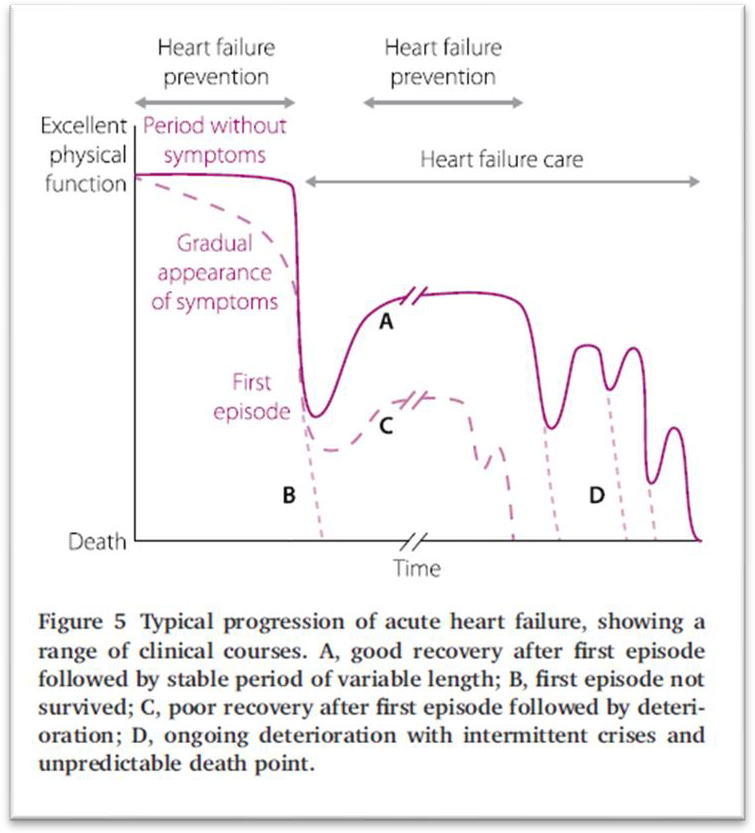
Contributing factors to acute exacerbations [1]:
- High blood pressure, poor diet, high cholesterol, lack of medication adherence, physical decompensation/lack of exercise, lifestyle choices (smoking, excessive alcohol intake, drug usage)
- CHF requires lifestyle modifications which promotes acute preventions: many older adults need help with grocery shopping (buying healthy food and snacks) along with having someone to cook healthy meals (adherence to low salt diet increases) and can encourage exercise to help improve overall health.
- In addition, by reinforcing the post-discharge plan of care and the importance of diet and exercise will reduce the deterioration process, extend the amount of “home time” and decrease the amount of negative clinical outcomes such as ED visits, urgent care visits and hospitalizations.
How BrightStar Care can help reduce negative and expensive healthcare outcomes [1]:
- Better transitions of care
- Improved patient education and support
- Equity of care for all patients
- Promote acute heart failure prevention
- Symptom monitoring and management
- Improved end of life care OR self-care
Registered Nurses RN Oversight on all Clients
- Reviews D/C instructions and transitional care functions: discharge planning directions and teaching is reiterated once the patient is home (better learning environment)
- Assessment and reassessments to identify clinical exacerbations which allow for a clinical set of eyes in the field in between clinic appts and hospitalizations
- Medication reconciliation: identifies gaps in the medication list or gaps in medication adherence
- Provides education to Clients and Families on signs and symptoms of disease exacerbation, lifestyle changes which will help decrease negative impact of the disease, and importance of adherence to the plan of care
- Recommends risk mitigation strategies (fall reduction, home safety, emergency planning, etc.)
- Identifies accurate changes in condition and escalates them to external Care Teams
Certified Nursing Assistants and Caregivers
Our CNA’s/Caregivers must answer change of condition questions at the end of each shift. The RN is immediately notified and can intervene and/or investigate the situation.
The CNA/caregiver becomes the “eyes and ears” of the post-discharge POC and are available to encourage the patient to follow the plan, to alert the nurse if there’s a change in condition.
Self-care - many older adults living with chronic disease often can have depression or anxiety Our staff help to assist by providing companionship, creating routines, planning safe daily activities to do and to do together!
Personal Care tasks - help with fall safety to reduce falls and injuries, help with bathing and grooming to decrease infections and skin breakdown which all results in lower risk of hospitalization
Certified Nursing Assistants
- Medication Reminders
- Monitors Vital Signs (state specific)
- Helps with Lifestyle Modifications
- Encourages exercise, helps with low salt/low fat diet by the way of meal prep or grocery shopping
- Reports changes to the RN
- Self-Care / End of life support
- Personal Care: toileting, dressing, bathing, feeding, help ambulating
Caregivers
- Medication Reminders
- Meal prep
- Transportation
- Running errands
- Companionship
- Encourages exercise