
Falls are one of the most common and most life-altering events that can happen to an aging adult. They often happen quietly, in familiar spaces, during ordinary moments. A trip to the bathroom at night. A reach for something on a high shelf. A misstep on a rug that has been in the same spot for twenty years. And in a single second, everything shifts.
At BrightStar Care of Las Vegas, we believe in-home fall prevention is not simply about telling someone to be more careful. It is about understanding the real reasons falls happen, addressing those reasons with intention, and creating an environment where your loved one can move through their home with confidence rather than fear. During Fall Prevention Awareness Month and beyond, we want every family to know that most falls are not accidents. They are preventable.
Muscle weakness, changes in vision, medication side effects, chronic conditions like arthritis or diabetes, and environmental hazards all contribute to fall risk. What makes this so difficult for families is that these changes happen gradually. Your loved one may not mention that they feel unsteady. They may not notice that their balance has shifted. And by the time a fall happens, the underlying risks have often been building for months.
The truth is that being careful is not a prevention strategy. Prevention requires looking at the whole picture, understanding the physical, environmental, and medical factors at play, and responding with real support before a fall forces the conversation. A professional fall risk assessment is one of the most effective first steps a family can take.
But this withdrawal creates a cycle that actually increases fall risk. Less movement leads to weaker muscles, reduced flexibility, and poorer balance. Isolation sets in. Confidence erodes. What started as caution becomes confinement, and your loved one's world gets smaller without anyone quite noticing when it happened.
Fall prevention for seniors is not just about removing throw rugs and installing grab bars. It is about helping your loved one maintain the strength, engagement and confidence they need to keep aging in place safely and fully in their own home.
Holding onto furniture while walking across a room. Taking longer to stand up from a chair. Avoiding activities they once enjoyed. Bruises they cannot explain or choose not to explain. These are not signs of aging that must simply be accepted. They are signals that something has changed and that the right support could make a meaningful difference.
Fall Prevention Awareness is about learning to see those signals before they escalate. It is about having the conversations that feel uncomfortable now so you do not have to have the harder ones later in a hospital room.
Simple changes like improving lighting in hallways, securing loose rugs, clearing walkways, adding grab bars in the bathroom and ensuring that frequently used items are within easy reach can all reduce risk significantly. But environmental changes alone are not enough. They need to be paired with consistent physical support, medication management and ongoing attention to how your loved one is moving and feeling day to day.
A professional caregiver is trained to recognize potential safety concerns and changes in a client’s condition, helping ensure concerns are identified and communicated before they lead to a more serious issue
Our fall prevention support may include:
No matter where you are in the valley, our care team can typically begin services within 24 hours.
If your loved one has fallen before, takes multiple medications, has difficulty with balance or mobility, lives with a chronic condition, or has recently become less active, their fall risk is elevated. Even one of these factors is worth paying attention to.
Q: Does in-home care actually reduce falls?
Yes. Consistent support with mobility, medication management, home safety, and daily routines significantly reduces the likelihood of falls. Having a trained caregiver present also means that if a fall does occur, your loved one is not alone and can receive immediate help.
Q: What if my loved one resists help or says they are fine?
That is very common. Many older adults associate accepting help with losing independence. Our caregivers build trust gradually, offering support in ways that feel collaborative rather than controlling. Over time, most clients come to welcome the partnership.
Q: Is fall prevention care only for people who have already fallen?
Not at all. In fact, the most effective fall prevention happens before a fall occurs. Early intervention allows us to address risks while your loved one is still strong and mobile, rather than after an injury has already limited their ability to recover.
The goal of fall prevention is not simply to prevent injuries. It is to preserve your loved one's independence, confidence, and quality of life so they can continue living fully in the home they love, on their own terms, for as long as possible.
If your family is beginning to notice the signs, or if you simply want to get ahead of the risk before it becomes urgent, you do not have to figure this out alone. BrightStar Care of Las Vegas is here to help your loved one stay safe, steady, and confident while aging in place, with care that honors who they are and protects the independence they have worked a lifetime to build.
Call BrightStar Care of Las Vegas at (702) 982-2273 to speak with a care specialist about in-home fall prevention support for your family.
At BrightStar Care of Las Vegas, we believe in-home fall prevention is not simply about telling someone to be more careful. It is about understanding the real reasons falls happen, addressing those reasons with intention, and creating an environment where your loved one can move through their home with confidence rather than fear. During Fall Prevention Awareness Month and beyond, we want every family to know that most falls are not accidents. They are preventable.
Why Falls Happen More Often Than Families Expect
The statistics are staggering. One in four adults over the age of 65 falls each year, and many of those falls happen at home, in the very place that is supposed to feel the safest. But falls are rarely caused by a single factor. They are usually the result of several risks layering on top of one another over time.Muscle weakness, changes in vision, medication side effects, chronic conditions like arthritis or diabetes, and environmental hazards all contribute to fall risk. What makes this so difficult for families is that these changes happen gradually. Your loved one may not mention that they feel unsteady. They may not notice that their balance has shifted. And by the time a fall happens, the underlying risks have often been building for months.
The truth is that being careful is not a prevention strategy. Prevention requires looking at the whole picture, understanding the physical, environmental, and medical factors at play, and responding with real support before a fall forces the conversation. A professional fall risk assessment is one of the most effective first steps a family can take.
Warning Signs: How to Recognize Increasing Fall Risk
Many families do not realize fall risk is escalating until after an injury occurs. The following subtle indicators may signal that your loved one's stability and safety are changing:- Holding onto furniture, walls, or countertops while walking across a room
- Avoiding stairs or activities they once did without hesitation
- Unexplained bruises, especially on arms, hips, or knees
- Moving noticeably slower than they used to
- Difficulty standing from a seated position without using their hands or multiple attempts
- Increased hesitation or fear before stepping off a curb or threshold
- Less willingness to leave the house or walk unaccompanied
The Fear of Falling Can Be Just as Dangerous as the Fall Itself
One of the least talked about consequences of fall risk is the psychological toll it takes. Many older adults who have fallen, or who fear falling, begin limiting their own movement. They stop going for walks. They avoid stairs. They sit more and move less because stillness feels safer than the uncertainty of standing.But this withdrawal creates a cycle that actually increases fall risk. Less movement leads to weaker muscles, reduced flexibility, and poorer balance. Isolation sets in. Confidence erodes. What started as caution becomes confinement, and your loved one's world gets smaller without anyone quite noticing when it happened.
Fall prevention for seniors is not just about removing throw rugs and installing grab bars. It is about helping your loved one maintain the strength, engagement and confidence they need to keep aging in place safely and fully in their own home.
Home Safety Checklist: Practical Steps to Reduce Fall Risk
A safe home does not have to feel clinical. These practical adjustments can significantly reduce fall risk while preserving the warmth and familiarity your loved one depends on:- Improve lighting in hallways, stairways, bathrooms, and nighttime paths to the bedroom
- Remove or secure loose rugs, cords, and clutter from walkways
- Install grab bars near the toilet, inside the shower, and along stairways
- Keep frequently used items (dishes, medications, phone) within easy reach, not on high shelves
- Make sure handrails are sturdy and present on both sides of staircases
- Remove low furniture or obstacles that are hard to see in dim lighting
What Families Often Miss Until It Is Too Late
Most families do not think about fall prevention until after a fall has already happened. That is not a criticism. It is simply the reality of how these situations unfold. When your loved one seems to be managing fine, it is easy to assume they are. But the early signs of increased fall risk are subtle, and they are easy to overlook when you are not there every day.Holding onto furniture while walking across a room. Taking longer to stand up from a chair. Avoiding activities they once enjoyed. Bruises they cannot explain or choose not to explain. These are not signs of aging that must simply be accepted. They are signals that something has changed and that the right support could make a meaningful difference.
Fall Prevention Awareness is about learning to see those signals before they escalate. It is about having the conversations that feel uncomfortable now so you do not have to have the harder ones later in a hospital room.
Creating a Home That Supports Safety Without Shrinking Independence
A safe home does not have to feel like a clinical space. Fall prevention at home is about thoughtful adjustments that reduce risk while preserving the warmth and familiarity your loved one depends on. It is about making their environment work with their body rather than against it.Simple changes like improving lighting in hallways, securing loose rugs, clearing walkways, adding grab bars in the bathroom and ensuring that frequently used items are within easy reach can all reduce risk significantly. But environmental changes alone are not enough. They need to be paired with consistent physical support, medication management and ongoing attention to how your loved one is moving and feeling day to day.
A professional caregiver is trained to recognize potential safety concerns and changes in a client’s condition, helping ensure concerns are identified and communicated before they lead to a more serious issue
Caregiver Self-Assessment: Is It Time for Additional Support?
If you are a family member helping a loved one at home, ask yourself the following questions:- Do I worry about my loved one falling when I am not there?
- Has my loved one fallen or had a near-fall in the past six months?
- Am I helping with tasks like bathing, dressing, or walking more than I used to?
- Do I feel physically or emotionally exhausted from caregiving?
- Has my loved one become less active, more isolated, or more fearful of movement?
- Am I unsure whether their medications could be affecting their balance?
How BrightStar Care of Las Vegas Supports Fall Prevention at Home
BrightStar Care of Las Vegas provides in-home fall prevention support that goes beyond surface-level safety checks. We look at the full picture, your loved one's physical health, their home environment, their daily routines and their emotional well-being, and we build a plan that addresses each layer of risk with skill and compassion.Our fall prevention support may include:
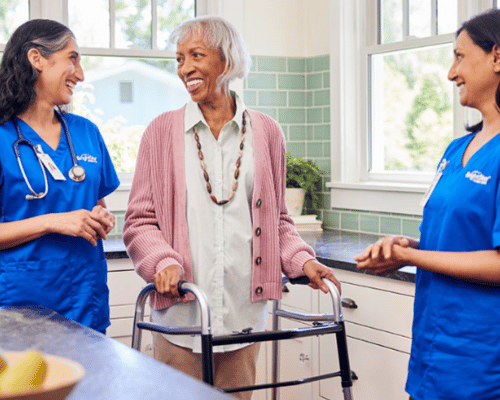
- Trained caregivers who assist with mobility, transfers and daily tasks that carry fall risk such as bathing, dressing and navigating stairs
- Home safety assessments that identify environmental hazards and recommend practical modifications
- Medication reminders and monitoring to reduce the risk of dizziness, drowsiness, or disorientation caused by prescriptions
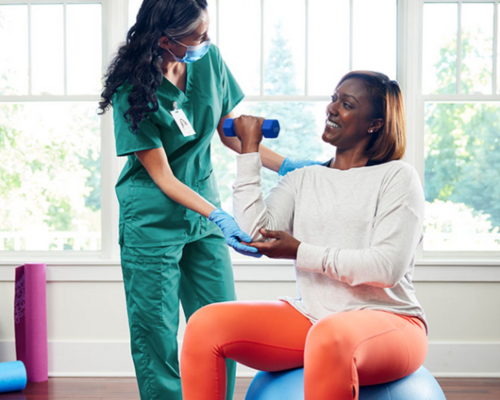
- Light exercise support and mobility encouragement to maintain strength, flexibility and balance over time
- Supervision and companionship that keeps your loved one active and engaged rather than isolated and sedentary
- Ongoing communication with family and the broader care team to ensure that changes in condition are addressed quickly
Serving Families Throughout Las Vegas
BrightStar Care of Las Vegas proudly provides in-home fall prevention care throughout Summerlin, Centennial Hills, Southwest Las Vegas, Henderson, Las Vegas, The Lakes, North Las Vegas, Spring Valley, Spanish Trails, Spanish Hills, Blue Diamond, The Ridges, The Summit, Red Rock Country Club, MacDonald Highlands, and Southern Highlands.No matter where you are in the valley, our care team can typically begin services within 24 hours.
Quick FAQs About Fall Prevention and In-Home Care
Q: How do I know if my loved one is at risk for a fall?If your loved one has fallen before, takes multiple medications, has difficulty with balance or mobility, lives with a chronic condition, or has recently become less active, their fall risk is elevated. Even one of these factors is worth paying attention to.
Q: Does in-home care actually reduce falls?
Yes. Consistent support with mobility, medication management, home safety, and daily routines significantly reduces the likelihood of falls. Having a trained caregiver present also means that if a fall does occur, your loved one is not alone and can receive immediate help.
Q: What if my loved one resists help or says they are fine?
That is very common. Many older adults associate accepting help with losing independence. Our caregivers build trust gradually, offering support in ways that feel collaborative rather than controlling. Over time, most clients come to welcome the partnership.
Q: Is fall prevention care only for people who have already fallen?
Not at all. In fact, the most effective fall prevention happens before a fall occurs. Early intervention allows us to address risks while your loved one is still strong and mobile, rather than after an injury has already limited their ability to recover.
Awareness Is Only the Beginning
Fall Prevention Awareness asks us to pay attention, to look more closely at the people we love and the spaces they live in and to take action before a fall rewrites their story. But awareness without action is just worry. And your loved one deserves more than worry. They deserve a plan.The goal of fall prevention is not simply to prevent injuries. It is to preserve your loved one's independence, confidence, and quality of life so they can continue living fully in the home they love, on their own terms, for as long as possible.
If your family is beginning to notice the signs, or if you simply want to get ahead of the risk before it becomes urgent, you do not have to figure this out alone. BrightStar Care of Las Vegas is here to help your loved one stay safe, steady, and confident while aging in place, with care that honors who they are and protects the independence they have worked a lifetime to build.
Call BrightStar Care of Las Vegas at (702) 982-2273 to speak with a care specialist about in-home fall prevention support for your family.