
A Henry County guide to early detection and prevention
At the 3rd Annual Henry County Health and Wellness Fair, kidney disease was the focus of important conversations about prevention and early care. The reason this topic matters is straightforward: chronic kidney disease (CKD) can quietly reduce kidney function for years, while simple blood and urine tests can detect signs of damage. Knowing your risk, asking for the right tests, and managing conditions such as high blood pressure and diabetes can help protect kidney health.
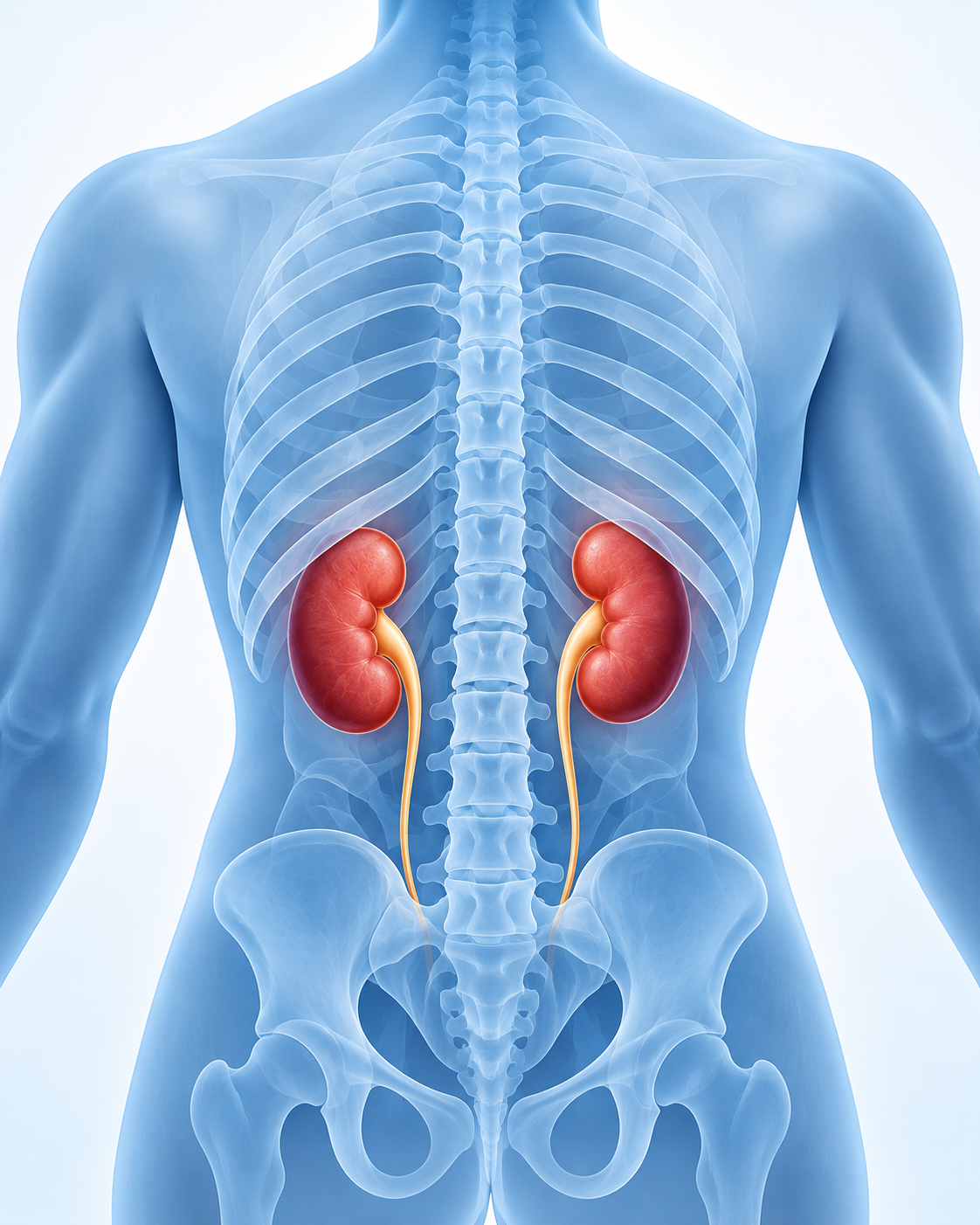
The kidneys filter waste and extra fluid from the blood, help regulate blood pressure, support red blood cell production, and keep minerals in balance. CKD means the kidneys are damaged or are not filtering as well as they should. It can progress over time and raise the risk of heart disease and stroke. Treatment can often slow its progression, especially when the condition is found early.[1]
The numbers in Henry County
Nationally, about 14% of U.S. adults—roughly 37 million people—are estimated to have CKD. CDC estimates that as many as 9 in 10 people with CKD do not know they have it. The burden is especially high among adults with diabetes: about 38% are estimated to have CKD.[1, 2]
Local figures also tell us why awareness and screening belong in community health conversations. A Piedmont Henry community health assessment reported that in 2022, 3.1% of Henry County residents said they had kidney disease, compared with 3.3% statewide.[3] That measure is based on reported, recognized disease; it does not count every person with undiagnosed CKD.
A separate CDC measure looks specifically at Medicare beneficiaries age 65 and older with a recorded diagnosis. For 2021, diagnosed CKD prevalence in this Henry County Medicare population was 30.83%.[4] This figure is not a rate for all county residents, and diagnosis-code data may miss people whose CKD has not been identified. These local measures use different populations and methods, but together they point to the value of asking about kidney health—especially for older adults and people with common risk factors.
Why kidney disease can go unnoticed
Early CKD often causes no noticeable symptoms. A person may feel well even while kidney damage is developing. In later stages, symptoms can include swelling in the legs or feet, fatigue, changes in urination, poor appetite, nausea, or trouble concentrating—but these symptoms can also have other causes. Waiting for symptoms is not a reliable way to find kidney disease. Testing is the way to know.[2, 5]
Two tests help detect CKD
Ask your health care provider whether you need both of the main kidney tests:
-
A blood test for serum creatinine, used to calculate estimated glomerular filtration rate (eGFR). This estimates how well the kidneys filter blood. An eGFR below 60 may indicate CKD, especially if it persists for at least three months or is accompanied by other evidence of kidney damage.
-
A urine albumin-to-creatinine ratio (UACR). Albumin is a protein that can leak into urine when kidney filters are damaged. A UACR above 30 mg/g may signal kidney damage; clinicians may repeat a test to confirm an abnormal result.[5]
One result does not always establish chronic disease. A clinician interprets results in context and may repeat testing over time. If you have diabetes, NIDDK recommends kidney checks every year. People with high blood pressure, heart disease, or a family history of kidney failure should ask their provider how often they should be tested.[5]
Prevention starts with managing the major risks
Diabetes and high blood pressure are leading causes of CKD in adults. The most effective prevention plan often starts with controlling these conditions and keeping up with routine care. Practical steps include:
-
Know your numbers. Check blood pressure and, if you have diabetes, follow your care team’s plan for blood sugar monitoring and A1C testing. Bring questions about eGFR and urine albumin to appointments.
-
Take prescribed medicines as directed. Ask a clinician or pharmacist before starting frequent over-the-counter pain relievers such as ibuprofen or naproxen; regular use can harm the kidneys in some people. Do not stop prescribed medicine without medical advice.[6]
-
Choose a heart-healthy eating pattern. Favor vegetables, fruit, whole grains, and minimally processed foods, and limit excess sodium. NIDDK suggests most people aim for less than 2,300 mg of sodium per day; individual needs can differ, particularly for people with kidney or heart conditions.[6]
-
Stay active, work toward a healthy weight, avoid tobacco, and limit alcohol. These habits support blood pressure, blood sugar, and cardiovascular health, which also matter for the kidneys.[6]
-
Follow up on abnormal results. Early CKD may be manageable with monitoring, lifestyle support, and medication. Your clinician can determine whether a nephrologist or renal dietitian should be involved.
A useful next step for families
If kidney disease runs in your family, or you or a loved one has diabetes, high blood pressure, or heart disease, ask at the next appointment: “What are my eGFR and urine albumin results, and when should they be checked again?” Write down the answers and keep a copy of results so changes can be followed over time.
We appreciated seeing Henry County residents and community partners at the health and wellness fair. BrightStar Care of Locust Grove and McDonough supports older adults and families with in-home care, including help with daily routines and coordination around changing needs. For questions about home care support, contact our team. Kidney screening and medical treatment should be arranged through a licensed health care provider.
Sources
[1] CDC, Chronic Kidney Disease in the United States (updated March 31, 2026): https://www.cdc.gov/kidney-disease/php/data-research/index.html
[2] CDC, Chronic Kidney Disease Basics: https://www.cdc.gov/kidney-disease/about/index.html
[3] Piedmont Henry Hospital, Community Health Needs Assessment (2025; local kidney disease comparison reports 2022 data): https://www.piedmont.org/media/file/2025-06-PHH-Community-Health-Needs-Assessment.pdf
[4] CDC Kidney Disease Surveillance System, Prevalence of Diagnosed CKD Among Medicare Beneficiaries Age 65 and Older, by State and County (2021): https://wwwn.cdc.gov/kdss/detail.aspx?Qnum=Q705
[5] NIDDK, Chronic Kidney Disease Tests and Diagnosis: https://www.niddk.nih.gov/health-information/kidney-disease/chronic-kidney-disease-ckd/tests-diagnosis
[6] NIDDK, Preventing Chronic Kidney Disease: https://www.niddk.nih.gov/health-information/kidney-disease/chronic-kidney-disease-ckd/prevention
This article is for general education and is not a substitute for medical advice, diagnosis, or treatment.