
Discharged Doesn’t Mean “Fully Recovered”
Picture this: you’ve just had major surgery or you’re recovering from a stroke, heart procedure, or serious illness.The doctor says you can go home. You feel relieved… and honestly, a little scared.
You’re handed a binder of instructions. Restrictions. Medication changes. Therapy orders. Follow-ups. And somehow you’re expected to absorb it all while you’re exhausted, sore, and still foggy from the hospital experience.
Then you’re home and suddenly it’s quiet.
No nurses. No monitors. No one checking in every few hours.
And that’s where families get stuck:
- Is this pain normal?
- Is a slight fever “fine”… or a warning sign?
- Why does breathing feel harder today than yesterday?
- Who do we call and who actually owns the plan?
Why the First 30 Days Are a High-Risk Window
When the hospital discharges someone, it usually means they’re stable enough to leave the facility.It does not mean:
- the medication routine is clear and manageable
- therapy is properly coordinated with real-life home limitations
- the primary doctor and specialists are aligned
- someone is watching for early signs of complications
- your family knows what’s “normal” versus “dangerous”
That’s why readmissions happen.
About 1 in 5 patients are readmitted within 30 days of discharge, and many readmissions can be prevented with better coordination and follow-through.
BrightStar Care Pittsburgh believes this: coordination isn’t optional, it’s the difference between recovery and setback.
The Hidden Problem: Nobody Owns the Recovery
A common story we hear:A family notices a small change more fatigue, more confusion, a low-grade fever, pain that’s increasing instead of easing.
They call the surgeon.
They call primary care.
They call the pharmacy.
They wait for callbacks.
And meanwhile, the patient is getting worse.
Not because anyone “did something wrong.”
But because no one was assigned to connect the dots.

What BrightStar Care Pittsburgh Does Differently
We step in to make sure recovery isn’t guesswork.We start with coordination, not chaos
When you choose BrightStar Care after hospitalization, we work to gather the full picture:
- discharge instructions and restrictions
- current medication list and changes
- therapy orders and safety considerations
- follow-up appointments and timing
Day 1 at home: support + clarity
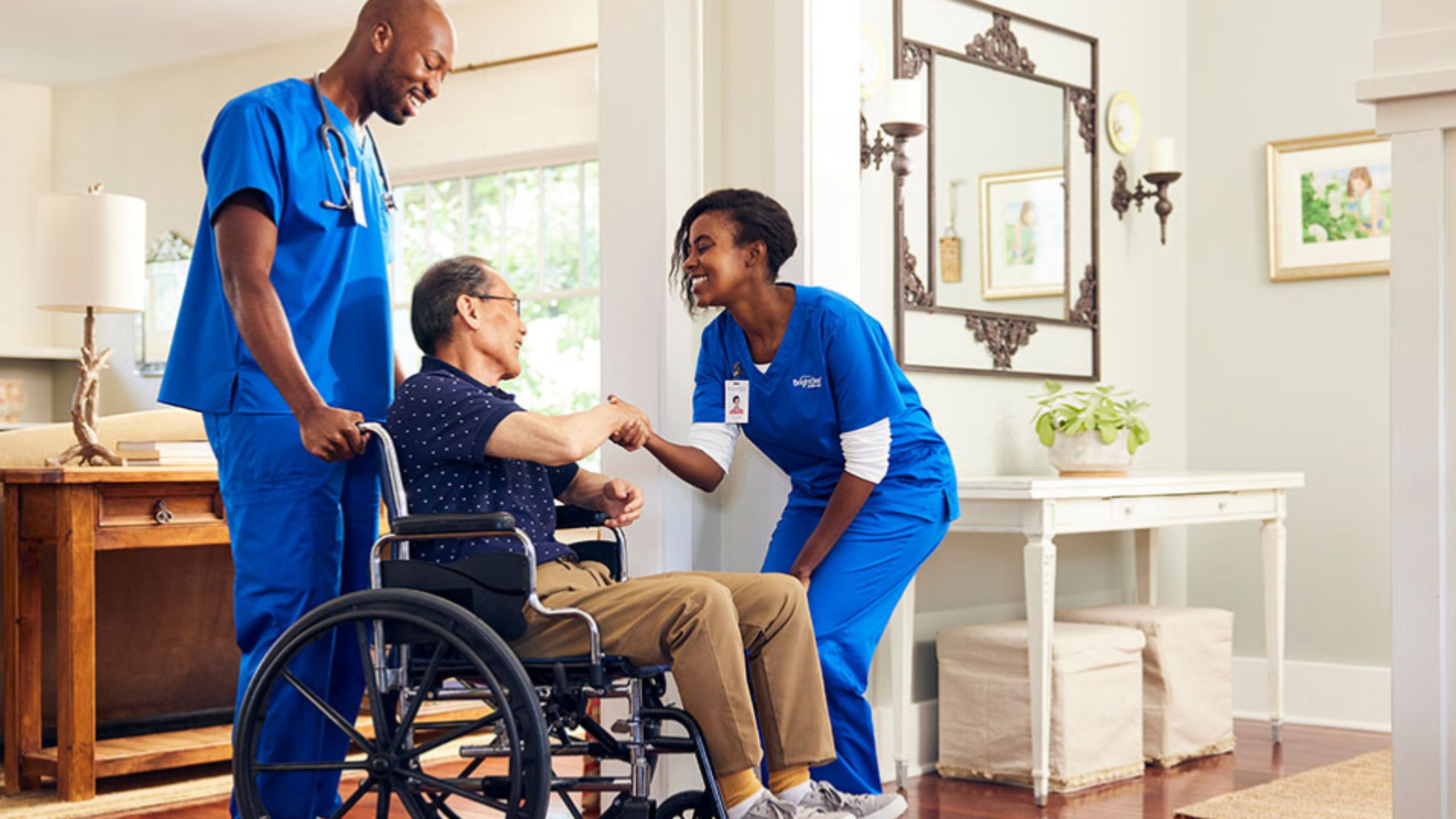
A caregiver arrives to help you settle in safely and reduce strain. That can include:
- personal care support
- mobility assistance and fall prevention
- meal and hydration support
- light household help (so recovery is the priority)
- medication reminders and routine setup
Ongoing: monitoring, escalation, and follow-through
In the following weeks, our team watches for early warning signs and communicates changes promptly.We help connect information across:
- your surgeon/specialist
- your primary care provider
- therapy providers
- family caregivers

What You Get in Those First 30 Days
Post-hospital support can be tailored based on need, but families typically want help with:
- safe routines at home (bathing, dressing, moving safely)
- medication organization after changes
- mobility support and fall prevention
- therapy consistency (so progress doesn’t stall)
- early complication spotting (so issues get addressed fast)
- clear communication so the family isn’t carrying it alone
When Pittsburgh Families Call Us
Most families reach out the moment discharge papers land in their hands because they know:Home is where recovery happens…
but it’s also where things can slip through the cracks.
They want:
- someone watching
- someone coordinating
- someone accountable
Frequently Asked Questions
Q: Can BrightStar Care start before I leave the hospital?
A: Yes. When possible, we coordinate with the discharge team before you go home so services and routines are ready immediately after discharge.Q: How long does post-hospital recovery care usually last?
A: Most families need the most support in the first 2–4 weeks, but care can continue longer depending on recovery progress, mobility, and medical complexity.Q: What if complications develop while recovering at home?
A: We help monitor for early warning signs and escalate concerns quickly to the appropriate provider. Catching changes early can prevent bigger complications and reduce the risk of readmission.
Ready to Plan a Safer Recovery at Home?
If you or a loved one is preparing to leave the hospital, call BrightStar Care North Hills/Pittsburgh as early as possible, ideally before you’re discharged.Contact BrightStar Care Pittsburgh at 412-369-5100 or visit our website to schedule a free consultation and learn more about the services we offer. Our address is 5000 McKnight Rd #200, Pittsburgh, PA 15237.
Good recovery requires coordination. We provide it.