
If you or a loved one has knee replacement, hip replacement, or another major joint surgery scheduled this fall, the most important thing you can do before the operation is prepare your home for a safe recovery. That means removing fall hazards, setting up a recovery station near everything you will need, making the bathroom accessible, and having a plan for medication management, wound care, and mobility support during the first several weeks. Many families focus entirely on the surgery itself and overlook the recovery environment, which is where most complications actually happen. Professional in-home care can fill the gaps that even the most well-meaning family members are not trained to handle.
Here is what to focus on before discharge day.
Why Does Your Home Setup Matter After Knee or Hip Surgery?
Post-surgical home care is the skilled and personal support a patient receives at home after being discharged from the hospital. It can include wound monitoring, physical therapy coordination, medication management, and help with daily tasks like bathing, dressing, and moving safely between rooms. Short-term transitional care is specifically designed for this recovery window, bridging the gap between hospital discharge and full independence.
The first three to six weeks after a major orthopedic procedure are when patients are most vulnerable to setbacks. Falls, infections from improperly managed wounds, and missed medications are the most common problems, and they often lead to hospital readmissions that could have been avoided. A home that has not been adjusted for limited mobility is one of the biggest contributing factors.
What Are the Biggest Fall Risks to Fix Before Surgery?
Fall prevention takes on a double meaning this time of year. As autumn settles into Orland Park and Will County, the seasonal hazards outside your front door add another layer of risk for someone recovering from joint surgery.
Address these before you come home from the hospital:
- Loose rugs and runners. Roll them up or secure them with non-slip pads. This is the single easiest fix with the biggest impact.
- Wet leaves and uneven walkways. Keep porches, steps, and sidewalks clear of fallen leaves, especially after rain. A single wet leaf on concrete is dangerously slick for someone on a walker or crutches.
- Poor lighting. Daylight gets shorter through October and November. Add motion-sensor lights to hallways, bathrooms, and any exterior path you will use. Do not rely on overhead lights you have to walk to in the dark.
- Cords and clutter on the floor. Extension cords, pet toys, shoes by the door. Move anything that could catch a foot or a walker leg.
- Bathroom hazards. Install grab bars near the toilet and inside the shower or tub. A raised toilet seat and a shower bench can make a major difference in safety and independence.
- Stairs. If your bedroom is on the second floor, consider setting up a temporary recovery space on the main level. Stairs are one of the biggest barriers to safe movement after hip or knee surgery.
How Should You Set Up a Recovery Station at Home?
Think of this as your home base for the first few weeks. Choose a room on the main floor if possible, close to a bathroom, and organize it so you rarely have to get up for essentials.
- Adjust the bed or couch height so you can sit and stand without straining the surgical joint. Risers under bed legs work well.
- Set up a nightstand or small table within arm's reach with your phone and charger, water bottle, medications, tissues, and a small trash bin.
- Keep a medication organizer pre-filled with your daily doses so nothing gets missed or doubled.
- Place a bell, baby monitor, or phone nearby so you can call for help without getting up.
- Stock easy-to-prepare meals and snacks at counter height. Anything above shoulder level or below knee level is difficult to reach safely while recovering.
Can Family Members Handle Post-Surgical Care Alone?
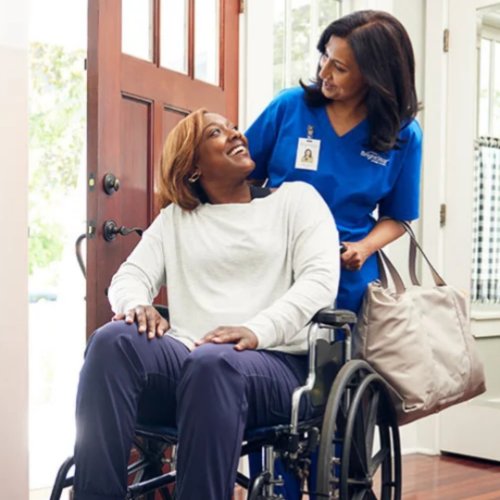
Family members can provide meaningful support, especially emotional comfort, companionship, meals, and rides to follow-up appointments. But there is a difference between keeping someone company and managing a clinical recovery. Understanding the different levels of home care can help families figure out what kind of support they actually need.
Where it gets difficult is the clinical side: monitoring a surgical wound for signs of infection, managing multiple new medications without errors, assisting with safe transfers in and out of bed, and making sure physical therapy exercises are being done correctly. These are tasks that require training, not just good intentions.
Many families try to fill every role themselves, taking time off work, sleeping on the couch, improvising care techniques they were never trained for. Companion care can handle the daily support side, while skilled nursing covers the medical needs. It is manageable for a day or two, but joint surgery recovery lasts weeks, and caregiver fatigue is real.
When Should You Call a Home Care Provider?
If any of the following apply, professional in-home support is worth considering:
- The patient lives alone or their primary caregiver works during the day
- The surgical team recommended skilled nursing or PT coordination at home
- The home has stairs, narrow hallways, or a bathroom that is difficult to navigate with limited mobility
- The patient takes multiple medications that need to be managed carefully
- Family members are unsure how to help with wound care, safe transfers, or post-surgical exercises
BrightStar Care of Orland Park / Will County provides skilled post-surgical transitional care at home, including Registered Nurses who coordinate directly with the surgical team and physical therapists. Support can start the same day as discharge in most cases, so there is no gap between leaving the hospital and having qualified help at home.
Frequently Asked Questions.
Q: What kind of nurse visits after joint surgery?
A: A Registered Nurse can monitor surgical wounds, manage medications, coordinate with your surgeon and physical therapist, and watch for signs of complications like infection or blood clots. Learn more about skilled nursing services in Orland Park / Will County.
Q: How soon after discharge should home care start?
A: Ideally the same day. The transition from hospital to home is when patients are most vulnerable, and having skilled support from day one reduces the risk of falls and complications.
Q: Does insurance cover in-home post-surgical care?
A: Coverage varies by plan and situation. Many insurance providers and Medicare cover some level of post-surgical home health services. BrightStar Care can help you understand your options.
Q: How do you prevent falls during recovery in the fall and winter months?
A: Keep outdoor walkways clear of leaves and ice, add lighting to dim areas, remove loose rugs, and have someone with you for the first few weeks when moving around the house. Shorter daylight and cooler temperatures make outdoor fall hazards worse through the autumn months.
Ready to Plan Your Recovery Before Surgery Day?
You do not have to figure out post-surgical care alone. BrightStar Care of Orland Park / Will County helps families across Joliet, Plainfield, Homer Glen, New Lenox, Mokena, Frankfort, Lockport, and communities throughout Will County prepare for a safe, supported recovery at home.
Call us today or contact us online to schedule a complimentary consultation before your procedure. Same-day support is available in most cases.
BrightStar Care of Orland Park / Will County is independently owned and operated.
This content was produced by a human author with the assistance of AI. Similar to humans, AI can make mistakes too. We have done our best to ensure the accuracy of the information presented.