
You’ve started noticing the changes.
Maybe it’s increased weakness.
More confusion.
A wound that isn’t healing.
Medications piling up on the counter.
You’re not in a full-blown emergency but something feels different. And the quiet fear sets in:
“Are they declining?”
“Can we safely manage this at home?”
For many families in Orland Park and throughout Will County, that uncertainty is one of the hardest parts of caregiving. The good news? Skilled nursing support at home can turn that fear into relief and help stabilize small issues before they become serious problems.
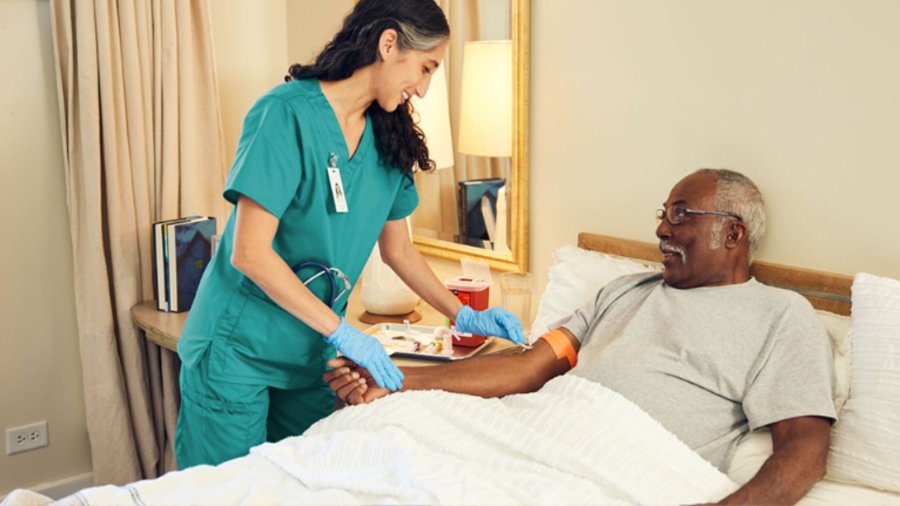
Decline doesn’t usually happen overnight. It tends to show up in subtle ways:
That’s where skilled nursing makes a difference.
Skilled nursing care goes beyond basic supervision. It provides clinical oversight in the comfort of home, reducing hospital visits and offering peace of mind.
Here’s how skilled nurses help:
Medication errors are one of the most common causes of preventable decline.
Skilled nurses can:
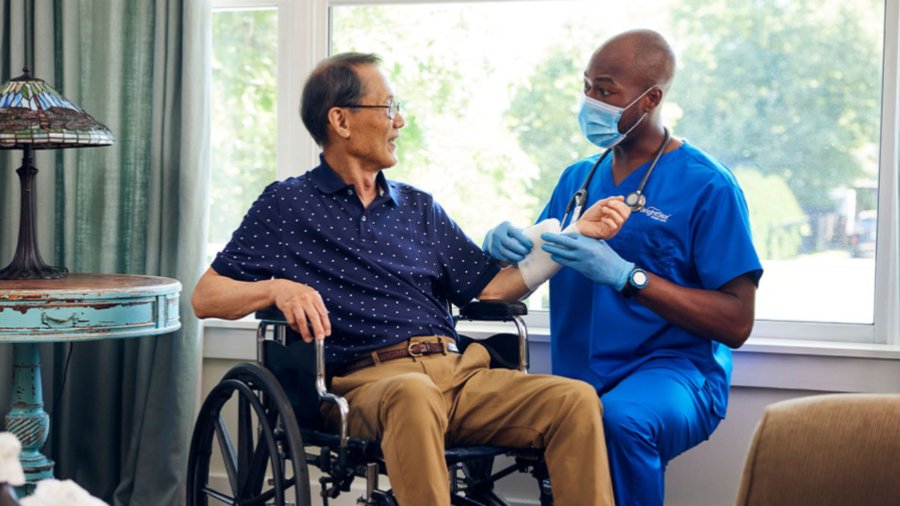
Unmanaged wounds can quickly escalate.
Skilled nursing includes:
Conditions such as heart failure, diabetes, COPD, and Parkinson’s require close monitoring.
Skilled nurses help:
If your loved one recently returned home from the hospital, the first few weeks are critical.
Skilled nursing can:
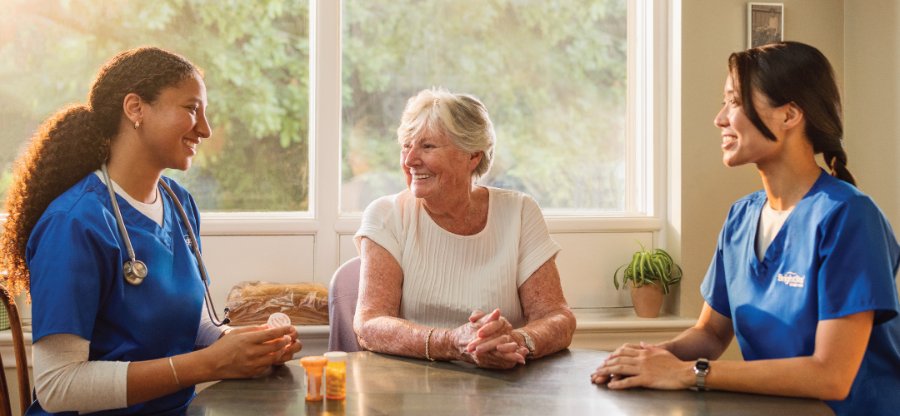
When decline is suspected, families often experience:
One of the biggest misconceptions is that skilled nursing is only needed in severe situations.
In reality, bringing in clinical oversight early can:
BrightStar Care of Orland Park / Will County provides RN-supervised skilled nursing services tailored to each client’s medical needs.
Our team partners with families to:

No. Skilled nursing can support chronic conditions, wound care, medication management, and health monitoring at any stage.
Yes. Care plans are regularly reassessed and adapted as conditions evolve.
If you’re worried about decline at home, trust your instincts.
You don’t need to manage uncertainty alone.
Skilled nursing support can transform fear into clarity — and provide the stability your loved one needs to remain safe at home.
Contact BrightStar Care of Orland Park / Will County today at 708-226-5100 to schedule a consultation or visit our website to learn how our skilled nurses can support your family with confidence and care. Our office is also located at 9501 W 144th Pl #302, Orland Park, IL 60462, United States.
Maybe it’s increased weakness.
More confusion.
A wound that isn’t healing.
Medications piling up on the counter.
You’re not in a full-blown emergency but something feels different. And the quiet fear sets in:
“Are they declining?”
“Can we safely manage this at home?”
For many families in Orland Park and throughout Will County, that uncertainty is one of the hardest parts of caregiving. The good news? Skilled nursing support at home can turn that fear into relief and help stabilize small issues before they become serious problems.
What “Decline” Often Looks Like at Home
Decline doesn’t usually happen overnight. It tends to show up in subtle ways:
- Increased fatigue or sleeping more than usual
- Skipped medications or confusion about dosing
- Reduced appetite or dehydration
- Trouble standing or walking safely
- New or worsening wounds
- Changes in memory or behavior
- Shortness of breath with normal activity
That’s where skilled nursing makes a difference.
What Skilled Nurses Can Handle at Home
Skilled nursing care goes beyond basic supervision. It provides clinical oversight in the comfort of home, reducing hospital visits and offering peace of mind.Here’s how skilled nurses help:
1. Clinical Assessment & Monitoring
A Registered Nurse can:- Evaluate vital signs
- Assess physical and cognitive changes
- Identify early warning signs of complications
- Communicate directly with physicians
2. Medication Management
Medication errors are one of the most common causes of preventable decline.Skilled nurses can:
- Review medication lists
- Administer injections or IV medications
- Monitor for side effects
- Ensure proper timing and dosage
3. Wound Care & Infection Prevention
Unmanaged wounds can quickly escalate.Skilled nursing includes:
- Sterile dressing changes
- Monitoring for infection
- Measuring healing progress
- Coordinating treatment updates with physicians
4. Chronic Condition Management
Conditions such as heart failure, diabetes, COPD, and Parkinson’s require close monitoring.Skilled nurses help:
- Track symptoms
- Reinforce care plans
- Educate families on warning signs
- Provide interventions before conditions worsen
5. Post-Hospital Stabilization
If your loved one recently returned home from the hospital, the first few weeks are critical.Skilled nursing can:
- Reinforce discharge instructions
- Monitor recovery progress
- Provide therapy support coordination
- Reduce the risk of rehospitalization
The Emotional Relief Families Feel
When decline is suspected, families often experience:
- Constant worry
- Second-guessing decisions
- Sleep disruption
- Fear of “missing something”
- A trained professional is assessing changes
- Care plans are being followed correctly
- Someone is watching for red flags
You Don’t Have to Wait for a Crisis
One of the biggest misconceptions is that skilled nursing is only needed in severe situations.In reality, bringing in clinical oversight early can:
- Stabilize health conditions
- Prevent falls
- Avoid infections
- Reduce hospital visits
- Support long-term independence
Skilled Nursing Support in Orland Park & Will County
BrightStar Care of Orland Park / Will County provides RN-supervised skilled nursing services tailored to each client’s medical needs.Our team partners with families to:
- Assess health changes
- Create personalized care plans
- Deliver hands-on clinical support
- Coordinate with physicians and specialists
- Adjust care as needs evolve
FAQs
How do I know if my loved one needs skilled nursing at home?
If you notice physical decline, medication confusion, worsening wounds, or chronic condition changes, a skilled nursing assessment is recommended.
Is skilled nursing only for post-hospital care?
No. Skilled nursing can support chronic conditions, wound care, medication management, and health monitoring at any stage.
Can care be adjusted if needs change?
Yes. Care plans are regularly reassessed and adapted as conditions evolve.
From Fear to Confidence
If you’re worried about decline at home, trust your instincts.You don’t need to manage uncertainty alone.
Skilled nursing support can transform fear into clarity — and provide the stability your loved one needs to remain safe at home.
Contact BrightStar Care of Orland Park / Will County today at 708-226-5100 to schedule a consultation or visit our website to learn how our skilled nurses can support your family with confidence and care. Our office is also located at 9501 W 144th Pl #302, Orland Park, IL 60462, United States.