
For most of his life, he was never alone. There was the unit, then the job, then a house full of kids. Now the television runs from morning until night, and when his daughter calls, he gives her the same answer every time: "Fine. Quiet."
Or maybe it is your mother. She served as an Army nurse, raised a family and was the one everyone called in a crisis. These days she rarely leaves the house, and her friends from church have stopped coming by.
Quiet is worth listening to.
According to the U.S. Census Bureau, about 43 percent of veterans 65 and older have at least one characteristic of social isolation, such as living alone or having serious difficulty getting around. The good news is that connection can be rebuilt, often through small, steady moments. This Veterans Day, here is how families in Pembroke Pines can recognize loneliness in an aging veteran and help them feel part of something again.
Why Are Aging Veterans in Pembroke Pines at Risk for Loneliness?
Military life is built on belonging. You eat together, train together and look out for the person beside you. Many veterans carry that sense of unit with them for life, which is why losing it later can feel so heavy.
The losses usually come slowly. Retirement takes away the daily routine. Friends from the service pass away one at a time. A spouse who kept the social calendar full is gone. Then driving stops, or a bad knee makes the trip to the post feel like too much. None of these changes is a crisis on its own, but together they can shrink a veteran's world.
Women veterans can feel this in their own way. Many served at a time when few women did, and they may never have had a community of peers who shared their experience. Whatever their service history, most veterans will not bring loneliness up on their own. For a generation that learned to push through, it can feel like something you simply do not say.
How Does Loneliness Affect a Veteran's Health?
Loneliness is more than a passing mood. The U.S. Surgeon General's advisory on social connection links long-term loneliness to a higher risk of heart disease, stroke and dementia in older adults, and the same research makes the hopeful point that social connection protects health.
Much of the change shows up in daily habits. When no one else is at the table, meals become snacks. Without a reason to go out, a person moves less. Small symptoms go unmentioned because no one is there to notice. A regular visitor, a shared meal or a weekly outing can turn many of those habits around.
What Are the Signs of Loneliness in an Aging Veteran?
Loneliness rarely looks dramatic. It looks like a routine that gets a little smaller each week. Watch for:
- Dropping out of a regular group, meeting or place of worship
- Shorter phone calls, or never being the one to call first
- Snacks in front of the TV instead of real meals
- More daytime sleep and restless nights
- Being more irritable, forgetful or flat than usual
- Mail piling up or the house getting less attention
- Talking often about the past and rarely about the week ahead
If two or three of these sound familiar, it is worth a gentle conversation. Not a decision, just a conversation.
How Can Families Help a Veteran Stay Connected?
Small, steady contact matters more than big gestures. A call on the same day each week gives them something to look forward to. Ask about their service, then let them take their time with the stories, even the ones you have heard before. Offer a ride to the post, to church or to the VA clinic, and go along when you can. A standing lunch date can change the whole shape of someone's week.
It also helps to frame support as company, not care. Many veterans will turn down "help" but welcome a visitor who shares their interest in baseball, gardening or old war movies. Pride is part of who they are, and the right approach respects it instead of fighting it.
How Does Companion Care for Veterans Work in Pembroke Pines?
Families cannot always be there as often as they would like. Jobs, distance and their own children all compete for time. That is where companion care for veterans can fill the gaps, without replacing the family.
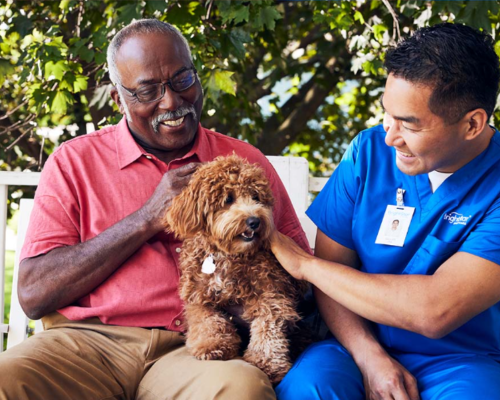
With companion care, the same caregiver visits on a regular schedule, so your loved one comes to know a familiar face rather than a rotation of strangers. Visits are built around what matters to them. That could be conversation over coffee, cooking a favorite meal together, a drive to the post on meeting night, or a walk around the neighborhood once the afternoon cools down. Light help around the house and reminders to take medications fit naturally into the visit.
Over time, the caregiver also becomes someone who notices. When appetite, mood or energy changes, they share it with a registered nurse who oversees the plan of care and can adjust support as needs change. For families, that means one more set of caring eyes, and fewer worried phone calls that end with "Fine. Quiet."
Frequently Asked Questions
What if my parent says they like being alone?
Some people truly enjoy solitude. Pay attention to the pattern. If being alone comes with skipped meals, poor sleep or a shrinking routine, it is worth a closer look.
How do I bring up loneliness without hurting their pride?
Skip the word "lonely." Talk about specific things you can do together, like a weekly lunch or a ride to an event, and let them choose. Feeling in control makes it much easier to say yes.
What about veterans who live with a spouse?
They can feel isolated too, especially when the spouse is also aging or is the main caregiver. Caregivers need support as well, and respite care can give them a well-earned break.
No One Who Served Should Feel Forgotten
They spent their younger years serving something bigger than themselves. Their later years should be full of people, stories and reasons to get out of the house.
This Veterans Day, make the call. Ask about the stories. Plan the visit. And if your family could use an extra hand keeping someone you love connected, BrightStar Care of Pembroke Pines is here for veterans and families throughout Pembroke Pines, Weston, Miami Lakes, Hollywood, Hallandale Beach and surrounding communities. Call (954) 518-3420.