
When people picture an aging veteran, the image that comes to mind is, more often than not, a man. This is not an accident. For most of American military history, that image reflected reality. But it no longer does, and the gap between the image and the reality has real consequences for the women who served and are now growing older.
Women have served in every branch of the U.S. military for decades, and the population of female veterans is both substantial and aging. Many served during Vietnam, the Gulf War, and the post-9/11 conflicts in Iraq and Afghanistan. They worked as nurses, mechanics, intelligence officers, pilots, military police, and in countless other role many of them in environments and under conditions that the broader public, and sometimes even their own families, have little understanding of.
And yet, when it comes to aging and care, female veterans are frequently overlooked. The VA healthcare system was built around a predominantly male population, and is still adjusting. Research on veteran health has historically underrepresented women. And in daily life, female veterans are simply less likely to identify as veterans, less likely to be recognized as veterans by others, and less likely to access the benefits and care they have earned.
For the Pensacola and Okaloosa County area home to a significant military community connected to NAS Pensacola, Eglin Air Force Base, and Hurlburt Field this is not an abstract issue. It is a population of women living in our community whose service and whose aging needs deserve real attention.
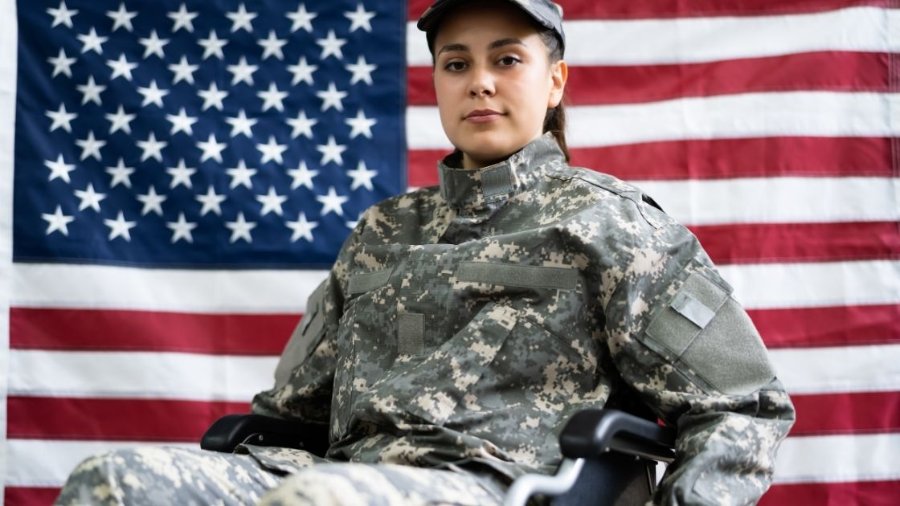
The practical effect is significant. A woman who does not think of herself as a veteran is less likely to seek out veteran-specific healthcare, less likely to apply for VA benefits she may be entitled to, and less likely to mention her service history to her doctor or to a home care agency all of which means that her care may not account for service-related factors that are directly relevant to her health.
Many healthcare providers, including those outside the VA system, do not routinely ask patients about military service as part of a standard health history and when they do, the question is sometimes phrased or framed in ways that assume a male respondent. A female patient may never be asked the question that would surface a service history relevant to her current health.
This matters because military service carries health implications that are directly relevant to aging exposure to environmental hazards, physical injuries from training and deployment, and the psychological impact of service, including combat exposure, sexual trauma, and the unique stressors that come with serving in environments not originally designed with women in mind.
The VA healthcare system has made real progress in expanding services for women veterans, including women's health clinics at VA facilities and increased screening for conditions specific to female veterans. But access varies significantly by location, and many female veterans report that VA care still does not always feel designed with them in mind from the physical environment of VA facilities to the assumptions embedded in how care is delivered.
For aging female veterans in the Pensacola and Okaloosa area, this can mean that even when VA benefits are technically available, the experience of accessing them does not always feel welcoming or appropriate to their needs.
For an aging female veteran with a history of MST, the experience of needing personal care assistance with bathing, dressing, or other intimate tasks can be profoundly difficult in ways that have nothing to do with modesty in the conventional sense and everything to do with trauma. A caregiver who understands this, who moves slowly, explains what they are doing before they do it, and creates an environment of safety and control, can make an enormous difference. A caregiver who does not understand this can inadvertently cause real distress.
Women who served, particularly in physically demanding roles, often carry musculoskeletal injuries from their service years back injuries, knee and joint damage, and chronic pain conditions that were sometimes under-treated or dismissed during their time in service. As these women age, these injuries compound with the normal effects of aging in ways that require thoughtful, informed care.
Female veterans may have health histories related to reproductive health that intersect with their service including exposure to environmental hazards that have been linked to reproductive health concerns, and the effects of stress and physical demands of service on long-term hormonal health. As these women reach menopause and beyond, these histories are relevant contexts that are often missing from their care picture.
Like their male counterparts, women who served, particularly those who served in the Gulf War era and in Iraq and Afghanistan, may have been exposed to environmental hazards including burn pits, contaminated water, and other toxic substances. Recent legislative changes have expanded VA eligibility for conditions linked to these exposures but female veterans are sometimes less aware that these expansions apply to them as well, partly because outreach about these benefits has often been framed around combat roles that women were historically excluded from, even when their actual exposure was similar.
Female veterans, particularly those who served in earlier eras when women were a small minority within their units, sometimes describe a unique form of isolation having served in environments where they had few peers who shared their experience, and returning to civilian life without a community of other women veterans to relate to. As these women age and may lose spouses, friends, and the structure that work provides, this isolation can deepen. Depression and loneliness among aging female veterans are real and often under-recognized.
Call Us Today Visit Our Website
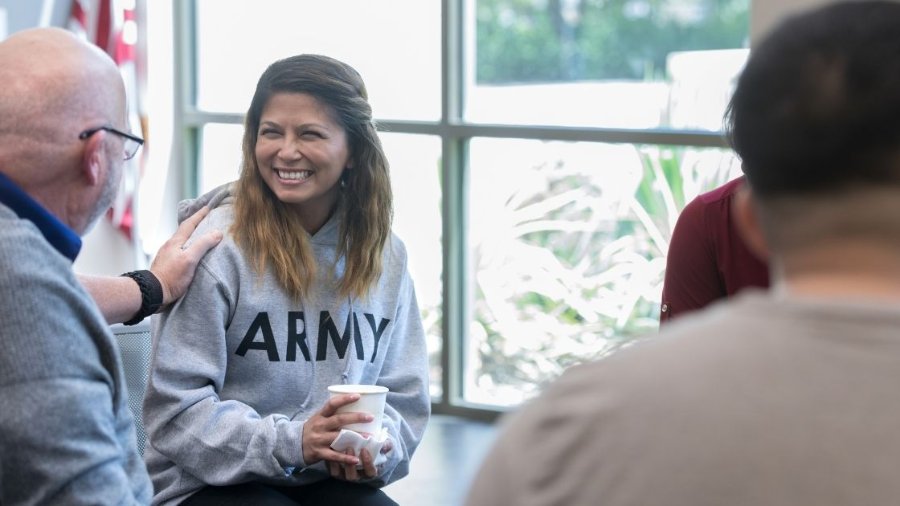
If you are working with a home care agency, a primary care physician, or any healthcare provider, your military service history is relevant information not just for benefits purposes, but because it may explain physical injuries, health conditions, and sensitivities that have everything to do with decisions about your care. Sharing this history, even if it feels distant or unimportant, helps your care team understand you more fully.
If you have a history of military sexual trauma or other service-related trauma, you deserve a care team that understands this and approaches your care accordingly. This is not something you need to disclose in detail to receive sensitive, respectful care a well-trained caregiver approaches personal care with dignity, communication, and consent as standard practice, for every client. But if there are specific things that would help you feel safer and more comfortable, you are entitled to communicate them, and a good care team will listen.
We recognize that female veterans are a meaningful part of this community, and that their care needs deserve the same attention and informed approach that we bring to any veteran. Our caregivers are trained in dignity-focused, trauma-informed personal care an approach that benefits every client, and that is especially important for individuals with histories of trauma. Our skilled nursing team provides clinical care for the physical health conditions, including service-related musculoskeletal injuries and the effects of environmental exposures, that many aging veterans, including women, carry with them.
Our care coordinators are also experienced in helping veterans and their families navigate VA benefits, including Aid and Attendance, and can help connect female veterans with VA women's health resources when appropriate.
If you are an aging female veteran in the Pensacola or Okaloosa area, or if you are a family member of one, we want you to know: your service matters, your needs are real, and you do not have to navigate this without support.
Schedule a consultation with us:
BrightStar Care of Pensacola / Okaloosa provides skilled nursing and non-medical home care services for veterans and their families throughout Pensacola, Okaloosa County, and the surrounding Florida Panhandle, including the communities connected to NAS Pensacola, Eglin Air Force Base, and Hurlburt Field. To speak with a care coordinator about veteran care and benefit navigation, contact our office today at (800) 850-3904.
Call Us Today Visit Our Website
Women have served in every branch of the U.S. military for decades, and the population of female veterans is both substantial and aging. Many served during Vietnam, the Gulf War, and the post-9/11 conflicts in Iraq and Afghanistan. They worked as nurses, mechanics, intelligence officers, pilots, military police, and in countless other role many of them in environments and under conditions that the broader public, and sometimes even their own families, have little understanding of.
And yet, when it comes to aging and care, female veterans are frequently overlooked. The VA healthcare system was built around a predominantly male population, and is still adjusting. Research on veteran health has historically underrepresented women. And in daily life, female veterans are simply less likely to identify as veterans, less likely to be recognized as veterans by others, and less likely to access the benefits and care they have earned.
For the Pensacola and Okaloosa County area home to a significant military community connected to NAS Pensacola, Eglin Air Force Base, and Hurlburt Field this is not an abstract issue. It is a population of women living in our community whose service and whose aging needs deserve real attention.
Why Female Veterans Are Often Overlooked
They Don't Always Identify as Veterans
Studies have consistently found that women who served are less likely than men to self-identify as veterans, even when directly asked. Some of this is generational women who served decades ago were often told, implicitly or explicitly, that their service was secondary or supportive rather than "real" military service, regardless of the actual nature of their roles. Some of it reflects a broader cultural pattern in which women are less likely to claim titles and identities that center their own accomplishments.The practical effect is significant. A woman who does not think of herself as a veteran is less likely to seek out veteran-specific healthcare, less likely to apply for VA benefits she may be entitled to, and less likely to mention her service history to her doctor or to a home care agency all of which means that her care may not account for service-related factors that are directly relevant to her health.
Healthcare Providers Don't Always Ask
Many healthcare providers, including those outside the VA system, do not routinely ask patients about military service as part of a standard health history and when they do, the question is sometimes phrased or framed in ways that assume a male respondent. A female patient may never be asked the question that would surface a service history relevant to her current health.This matters because military service carries health implications that are directly relevant to aging exposure to environmental hazards, physical injuries from training and deployment, and the psychological impact of service, including combat exposure, sexual trauma, and the unique stressors that come with serving in environments not originally designed with women in mind.
The VA System Has Been Slow to Adapt
The VA healthcare system has made real progress in expanding services for women veterans, including women's health clinics at VA facilities and increased screening for conditions specific to female veterans. But access varies significantly by location, and many female veterans report that VA care still does not always feel designed with them in mind from the physical environment of VA facilities to the assumptions embedded in how care is delivered.For aging female veterans in the Pensacola and Okaloosa area, this can mean that even when VA benefits are technically available, the experience of accessing them does not always feel welcoming or appropriate to their needs.
Health Considerations Specific to Aging Female Veterans
Military Sexual Trauma
Military sexual trauma, commonly referred to as MST, refers to sexual assault or repeated, threatening sexual harassment experienced during military service. The prevalence of MST among female veterans is significant, and its effects can persist for decades including post-traumatic stress disorder, depression, anxiety, and difficulty trusting caregivers and healthcare providers.For an aging female veteran with a history of MST, the experience of needing personal care assistance with bathing, dressing, or other intimate tasks can be profoundly difficult in ways that have nothing to do with modesty in the conventional sense and everything to do with trauma. A caregiver who understands this, who moves slowly, explains what they are doing before they do it, and creates an environment of safety and control, can make an enormous difference. A caregiver who does not understand this can inadvertently cause real distress.
Musculoskeletal Injuries From Service
Women who served, particularly in physically demanding roles, often carry musculoskeletal injuries from their service years back injuries, knee and joint damage, and chronic pain conditions that were sometimes under-treated or dismissed during their time in service. As these women age, these injuries compound with the normal effects of aging in ways that require thoughtful, informed care.
Reproductive and Hormonal Health Considerations
Female veterans may have health histories related to reproductive health that intersect with their service including exposure to environmental hazards that have been linked to reproductive health concerns, and the effects of stress and physical demands of service on long-term hormonal health. As these women reach menopause and beyond, these histories are relevant contexts that are often missing from their care picture.
Environmental and Toxic Exposures
Like their male counterparts, women who served, particularly those who served in the Gulf War era and in Iraq and Afghanistan, may have been exposed to environmental hazards including burn pits, contaminated water, and other toxic substances. Recent legislative changes have expanded VA eligibility for conditions linked to these exposures but female veterans are sometimes less aware that these expansions apply to them as well, partly because outreach about these benefits has often been framed around combat roles that women were historically excluded from, even when their actual exposure was similar.
Mental Health and Isolation
Female veterans, particularly those who served in earlier eras when women were a small minority within their units, sometimes describe a unique form of isolation having served in environments where they had few peers who shared their experience, and returning to civilian life without a community of other women veterans to relate to. As these women age and may lose spouses, friends, and the structure that work provides, this isolation can deepen. Depression and loneliness among aging female veterans are real and often under-recognized.Call Us Today Visit Our Website
What Aging Female Veterans in the Pensacola Area Should Know
You Are Likely Eligible for More Than You Realize
If you served in the military regardless of your role, regardless of whether you saw combat, regardless of how long ago you may be eligible for VA healthcare and benefits, including the VA Aid and Attendance benefit, which provides financial support for veterans and surviving spouses who need help with daily activities. Many eligible female veterans have never applied, often because they did not realize they qualified or did not think of their service as the kind that "counted."
Your Service History Is Relevant to Your Care
If you are working with a home care agency, a primary care physician, or any healthcare provider, your military service history is relevant information not just for benefits purposes, but because it may explain physical injuries, health conditions, and sensitivities that have everything to do with decisions about your care. Sharing this history, even if it feels distant or unimportant, helps your care team understand you more fully.
A Trauma-Informed Approach to Care Matters
If you have a history of military sexual trauma or other service-related trauma, you deserve a care team that understands this and approaches your care accordingly. This is not something you need to disclose in detail to receive sensitive, respectful care a well-trained caregiver approaches personal care with dignity, communication, and consent as standard practice, for every client. But if there are specific things that would help you feel safer and more comfortable, you are entitled to communicate them, and a good care team will listen.How BrightStar Care of Pensacola / Okaloosa Supports Aging Female Veterans
Our team provides both skilled nursing and non-medical home care, serving the Pensacola and Okaloosa County community including the families connected to NAS Pensacola, Eglin Air Force Base, Hurlburt Field, and the broader military community throughout the Florida Panhandle.We recognize that female veterans are a meaningful part of this community, and that their care needs deserve the same attention and informed approach that we bring to any veteran. Our caregivers are trained in dignity-focused, trauma-informed personal care an approach that benefits every client, and that is especially important for individuals with histories of trauma. Our skilled nursing team provides clinical care for the physical health conditions, including service-related musculoskeletal injuries and the effects of environmental exposures, that many aging veterans, including women, carry with them.
Our care coordinators are also experienced in helping veterans and their families navigate VA benefits, including Aid and Attendance, and can help connect female veterans with VA women's health resources when appropriate.
If you are an aging female veteran in the Pensacola or Okaloosa area, or if you are a family member of one, we want you to know: your service matters, your needs are real, and you do not have to navigate this without support.
Schedule a consultation with us:
- Phone: (800) 850-3904
- Address: 4300 Bayou Blvd. Suite 8 Pensacola, FL 32504
- Visit Us Online: BrightStar Care of Pensacola / Okaloosa
Frequently Asked Questions
Q: Are female veterans eligible for the same VA benefits as male veterans?
Yes. Female veterans are eligible for the same VA healthcare and benefits as male veterans, including VA Aid and Attendance, healthcare enrollment, and disability compensation for service-connected conditions. Eligibility is based on service history, not gender. However, research shows that female veterans are less likely to apply for or access these benefits, often because they do not identify as veterans or are unaware that they qualify. Any woman who served, regardless of role or era, is encouraged to look into her eligibility.Q: What unique health needs do aging female veterans have?
Aging female veterans may carry health considerations specific to their service, including higher rates of military sexual trauma and its long-term psychological effects, musculoskeletal injuries from physically demanding roles, reproductive and hormonal health histories tied to environmental exposures, and a heightened risk of isolation due to having served as a minority within their units. These factors are relevant to how care is delivered, particularly personal care, and benefit from a care team that approaches every client with a trauma-informed, dignity-focused approach.Q: How can a home care agency provide trauma-informed care for a female veteran?
Trauma-informed care means approaching personal care bathing, dressing, and other intimate tasks with communication, consent, and predictability as standard practice. Caregivers explain what they are doing before they do it, move at a pace the client is comfortable with, and create an environment where the client feels in control. This approach is beneficial for any client and is especially important for individuals with histories of trauma, including military sexual trauma. Families can ask a home care agency directly about their training and approach to personal care.BrightStar Care of Pensacola / Okaloosa provides skilled nursing and non-medical home care services for veterans and their families throughout Pensacola, Okaloosa County, and the surrounding Florida Panhandle, including the communities connected to NAS Pensacola, Eglin Air Force Base, and Hurlburt Field. To speak with a care coordinator about veteran care and benefit navigation, contact our office today at (800) 850-3904.
Call Us Today Visit Our Website