
Most older adults, when asked where they want to spend the rest of their lives, give the same answer. Home. Not an assisted living facility. Not a nursing home. Not a daughter's spare bedroom three states away. Home, their own space, their own routines, their own front porch, their own neighborhood.
That desire is not just sentiment. Research consistently confirms that older adults who age in place, with the right support in place, have better physical health outcomes, stronger mental health, and a higher overall quality of life than those who transition to institutional care settings before it is truly necessary.
But aging in place is not simply a matter of staying put. It is a plan. And like any plan that is meant to hold up over years not just months it requires honest assessment, proactive preparation, and a willingness to build in support before a crisis makes the decision for you.
For families across Racine, Kenosha, Mount Pleasant, Sturtevant, and the surrounding communities along Lake Michigan's western shore, this guide offers a clear-eyed look at what aging in place actually requires and what it takes to make it last.
Aging in place is an active choice that requires ongoing maintenance, just like the home itself. The things that make independent living possible: mobility, cognition, social connection, safe physical surroundings, the ability to manage daily tasks do not stay constant. They change. Sometimes slowly, sometimes suddenly. And the plan that works at 72 may need significant adjustment at 78, and again at 84.
Families who treat aging in place as a static destination "Mom is fine at home, we will deal with things as they come" are the ones who end up in crisis: a fall, a hospitalization, a rapid cognitive decline that requires an emergency transition to a care facility that could have been avoided with earlier planning.
Families who treat aging in place as an evolving strategy, one that requires regular check-ins, honest conversations, and a willingness to add support as needs change are the ones who make it work for the long term.
The difference is not love. Both sets of families love their parents deeply. The difference is planning.
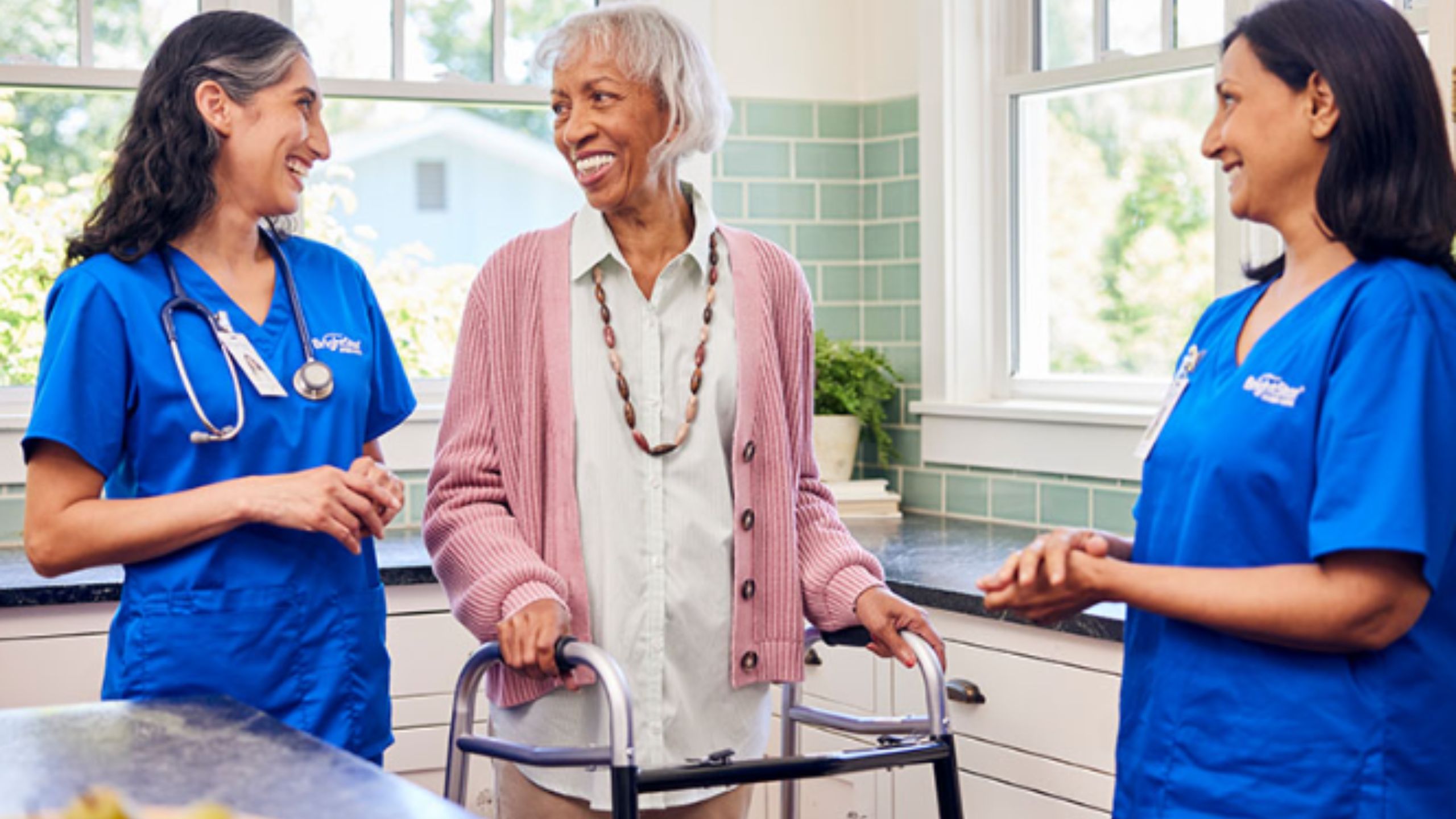
A home safety assessment done honestly and ideally with professional guidance is the foundation of any serious aging-in-place plan. Common modifications that make a significant difference include grab bars in the bathroom and near the toilet, a shower bench or walk-in shower conversion, improved lighting throughout the home particularly in hallways and stairways, removal of trip hazards like loose rugs and cluttered pathways, lever-style door handles and faucets for seniors with limited grip strength, and a ground-floor bedroom and bathroom setup that eliminates the need to navigate stairs daily.
None of these modifications signal that someone is old or incapable. They signal that someone has thought ahead and that is what aging in place actually requires.
These questions require honest answers, not the answers a senior gives when they want to reassure their children, and not the assumptions a family makes because the alternative is uncomfortable to think about.
A professional care assessment can help families get an objective picture of where a loved one actually stands and what level of support would genuinely address the gaps without overreaching what is necessary.
Loneliness and social isolation among older adults are not soft quality-of-life concerns. They are serious health risks. Research published in leading medical journals has linked chronic social isolation in seniors to increased rates of dementia, cardiovascular disease, depression, and premature death with effects comparable to smoking fifteen cigarettes a day.
In Racine, as in communities across Wisconsin, many older adults face genuine isolation: spouses who have passed, friends who have moved or died, adult children who live at a distance or are managing their own demanding lives, and a diminishing ability to drive or get out independently. The result is a daily life that can become very quiet and very small in ways that affect cognitive health, emotional health, and physical health simultaneously.
Any realistic aging-in-place plan must include an honest account of how a senior is staying connected and must build in consistent, reliable human contact as a non-negotiable component of care, not an afterthought.
Call us Today Visit Our Website
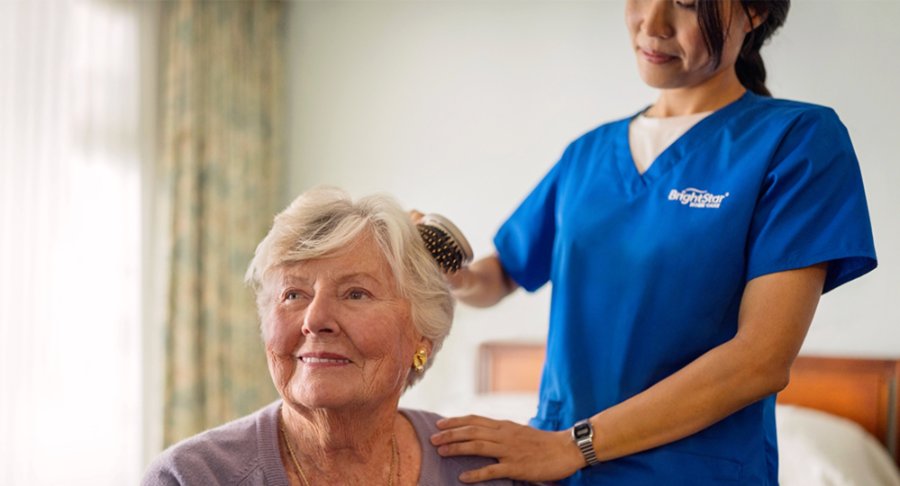
Most seniors do not need a nurse. They need someone reliable. Someone who shows up, helps with the things that have become hard, and does so in a way that preserves dignity rather than undermining it.
The daily tasks that gradually become difficult: cooking a full meal, keeping the house clean and organized, getting to appointments, managing the laundry, remembering to take medications are not trivial. They are the infrastructure of daily life, and when they start to erode, everything else follows.
Consistent, non-medical caregiving support addresses these needs directly: meal preparation, light housekeeping, transportation, medication reminders, personal care assistance, and the steady companionship of someone who shows up reliably and knows your routine. For seniors aging in place in the Racine area, this kind of regular in-home support is often the single most important factor in whether aging in place remains viable for months or for years.
Aging in place rarely involves just the senior. It involves a web of family members, adult children who may live nearby or far away, siblings who see the situation differently, spouses managing their own health challenges all navigating together, often without a clear structure for doing so.
The families who handle this well have regular, honest conversations. They share information rather than protecting each other from it. They divide responsibilities explicitly rather than leaving things to whoever volunteers or whoever feels most guilty. And they revisit the plan regularly because the plan that made sense six months ago may not be the right plan today.
The families who struggle often avoid the hard conversations until something forces them. A fall. A missed medication. A neighbor is calling because they are worried. By then, the choices are narrower and the stakes are higher than they needed to be.
The home is showing signs of neglect. Mail piling up, dishes going unwashed, a yard that has not been tended in weeks these are visible signals that the demands of daily maintenance are exceeding what the senior can manage alone.
Nutrition is declining. Weight loss, a refrigerator with little in it, meals that have simplified to crackers and canned soup these are signs that food preparation has become too difficult or that appetite and motivation have declined in ways that need attention.
Medications are being mismanaged. Pill bottles that are not being emptied on schedule, confusion about dosing, prescriptions that have not been refilled medication non-adherence is one of the most common drivers of hospitalizations among older adults, and it is often entirely preventable with consistent support.
Social withdrawal is increasing. A senior who used to be active and engaged and has become reluctant to leave the house, uninterested in activities they previously enjoyed, or who spends most of the day alone without meaningful interaction may be experiencing depression or simply the slow erosion that comes from too little connection over too long a period.
Family caregivers are showing signs of burnout. If the aging-in-place plan depends entirely on unpaid family members, and those family members are exhausted, resentful, or struggling to keep up the plan is not sustainable. The senior's ability to stay home is directly tied to the sustainability of the support around them.
None of these signs mean it is time to give up on aging in place. They mean it is time to adjust the plan.
Call us Today Visit Our Website
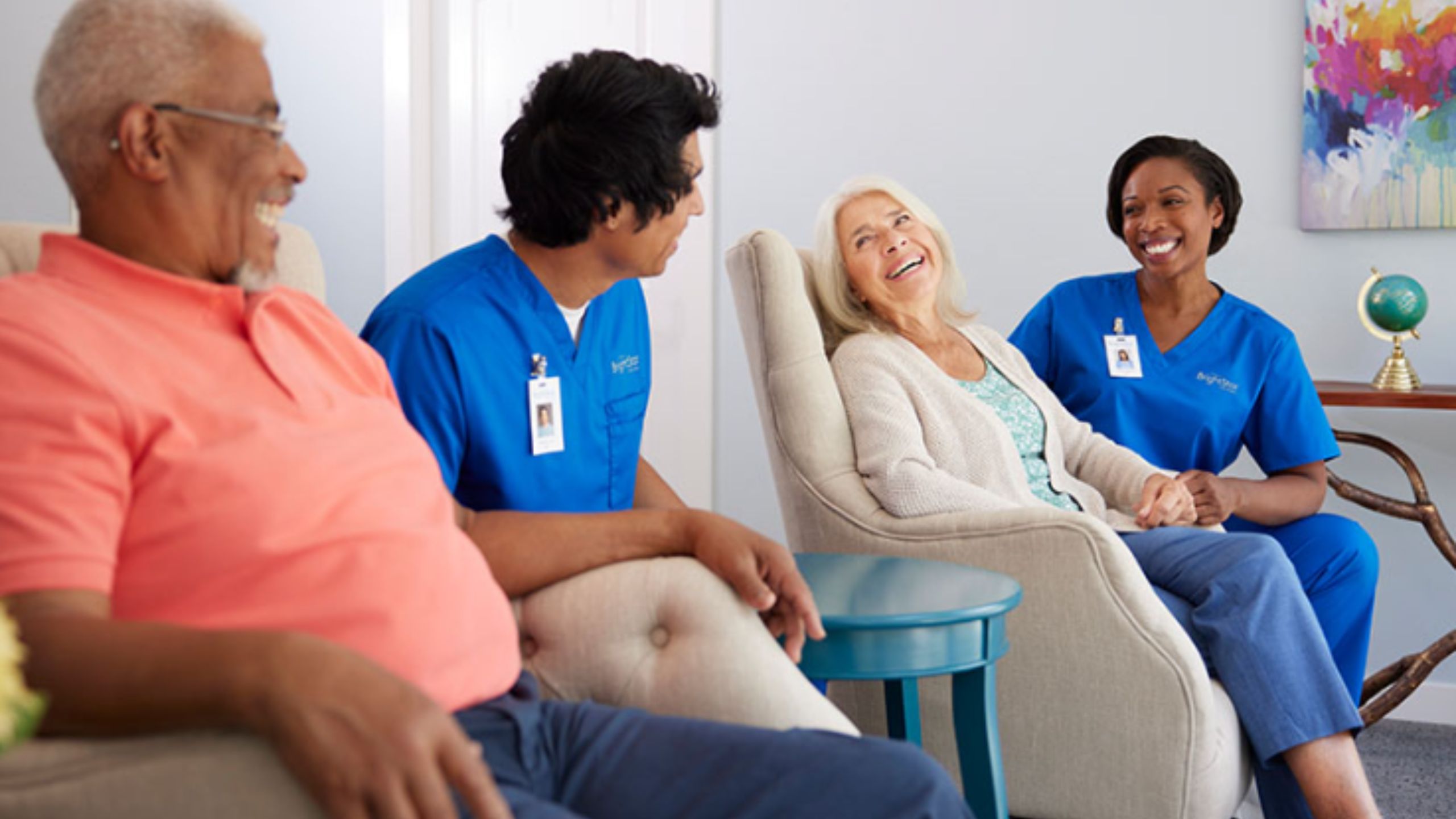
Our caregivers assist with personal care including bathing, dressing, and grooming; meal planning and preparation; light housekeeping and laundry; medication reminders; transportation to medical appointments, errands, and social activities throughout the Racine area; and companionship the steady human presence that keeps a senior's world from shrinking to the size of their living room.
We build care plans around the specific person, not a generic checklist. A 74-year-old who is largely independent but needs support with meals and transportation requires a very different plan than an 86-year-old managing early cognitive decline and mobility limitations. Our care coordinators take the time to understand both the practical needs and the preferences of each client because aging in place works best when care feels like support, not supervision.
We serve families throughout Racine, Kenosha, Mount Pleasant, Sturtevant, Caledonia, Burlington, and surrounding Racine and Kenosha County communities.
Contact Us Today:
The single most consistent piece of advice we offer families is this: start earlier than you think you need to.
Not because the situation is urgent. But because the conversations that shape a good aging-in-place plan about what a senior actually needs, about what family members can realistically provide, about what professional support makes sense and when are far easier to have before a crisis than in the middle of one.
A fall changes the timeline. A hospitalization changes the timeline. A rapid cognitive decline changes the timeline. But none of those things change the underlying reality: a plan built before the emergency is almost always better than one assembled in its aftermath.
If your loved one is aging at home in the Racine area and you have been meaning to have this conversation this is a good time to have it.

Non-medical in-home caregiving is the most common and most impactful support for seniors aging in place. This includes assistance with personal care such as bathing and dressing, meal preparation, light housekeeping, transportation to appointments and errands, medication reminders, and companionship. These services address the practical daily challenges that accumulate as aging progresses and they do so in a way that preserves the senior's independence and dignity rather than replacing them. Regular, consistent caregiving support is far more effective than sporadic help after a problem has already developed.
Signs that additional support is needed include visible home neglect, declining nutrition or weight loss, mismanaged medications, increasing social withdrawal, confusion about daily tasks that were previously manageable, and new safety incidents such as falls or getting lost. Family caregivers showing signs of exhaustion or burnout are also a signal that the current arrangement is not sustainable. Most families introduce additional support later than they should. If you are noticing more than one of these signs, it is worth having an honest conversation and a professional care assessment sooner rather than later.
BrightStar Care of Racine provides non-medical home care services for seniors and adults throughout Racine, Kenosha, Mount Pleasant, Sturtevant, Caledonia, Burlington, and surrounding Racine and Kenosha County communities. To speak with a care coordinator about building an aging-in-place plan for your loved one, contact our Racine office today at 262-637-7767.
Call us Today Visit Our Website
That desire is not just sentiment. Research consistently confirms that older adults who age in place, with the right support in place, have better physical health outcomes, stronger mental health, and a higher overall quality of life than those who transition to institutional care settings before it is truly necessary.
But aging in place is not simply a matter of staying put. It is a plan. And like any plan that is meant to hold up over years not just months it requires honest assessment, proactive preparation, and a willingness to build in support before a crisis makes the decision for you.
For families across Racine, Kenosha, Mount Pleasant, Sturtevant, and the surrounding communities along Lake Michigan's western shore, this guide offers a clear-eyed look at what aging in place actually requires and what it takes to make it last.
Why "Aging in Place" Is More Than a Preference
The phrase gets used casually, as if the desire to stay home is self-executing as if wanting it badly enough is sufficient. It is not.Aging in place is an active choice that requires ongoing maintenance, just like the home itself. The things that make independent living possible: mobility, cognition, social connection, safe physical surroundings, the ability to manage daily tasks do not stay constant. They change. Sometimes slowly, sometimes suddenly. And the plan that works at 72 may need significant adjustment at 78, and again at 84.
Families who treat aging in place as a static destination "Mom is fine at home, we will deal with things as they come" are the ones who end up in crisis: a fall, a hospitalization, a rapid cognitive decline that requires an emergency transition to a care facility that could have been avoided with earlier planning.
Families who treat aging in place as an evolving strategy, one that requires regular check-ins, honest conversations, and a willingness to add support as needs change are the ones who make it work for the long term.
The difference is not love. Both sets of families love their parents deeply. The difference is planning.
The Five Pillars of Successful Long-Term Aging in Place
1. A Safe and Adapted Home Environment
The home that served a family well for thirty years was not designed with aging in mind. Bathtubs become fall hazards. Stairs become barriers. Narrow doorways, poor lighting, and loose rugs become genuine risks as mobility, balance, and vision change with age.A home safety assessment done honestly and ideally with professional guidance is the foundation of any serious aging-in-place plan. Common modifications that make a significant difference include grab bars in the bathroom and near the toilet, a shower bench or walk-in shower conversion, improved lighting throughout the home particularly in hallways and stairways, removal of trip hazards like loose rugs and cluttered pathways, lever-style door handles and faucets for seniors with limited grip strength, and a ground-floor bedroom and bathroom setup that eliminates the need to navigate stairs daily.
None of these modifications signal that someone is old or incapable. They signal that someone has thought ahead and that is what aging in place actually requires.
2. Honest Assessment of Daily Function
Aging in place works when a senior can manage the activities of daily life or when support is in place for the ones they cannot. The honest question families need to ask is not "Can Mom manage?" in the abstract. It is: Can she bathe safely without risk of falling? Is she eating regular, nutritious meals? Are her medications being taken correctly and on schedule? Is she getting out of the house regularly? Is she connected to other people, or is she spending most of her days alone?These questions require honest answers, not the answers a senior gives when they want to reassure their children, and not the assumptions a family makes because the alternative is uncomfortable to think about.
A professional care assessment can help families get an objective picture of where a loved one actually stands and what level of support would genuinely address the gaps without overreaching what is necessary.
3. Social Connection as a Clinical Priority
Loneliness and social isolation among older adults are not soft quality-of-life concerns. They are serious health risks. Research published in leading medical journals has linked chronic social isolation in seniors to increased rates of dementia, cardiovascular disease, depression, and premature death with effects comparable to smoking fifteen cigarettes a day.In Racine, as in communities across Wisconsin, many older adults face genuine isolation: spouses who have passed, friends who have moved or died, adult children who live at a distance or are managing their own demanding lives, and a diminishing ability to drive or get out independently. The result is a daily life that can become very quiet and very small in ways that affect cognitive health, emotional health, and physical health simultaneously.
Any realistic aging-in-place plan must include an honest account of how a senior is staying connected and must build in consistent, reliable human contact as a non-negotiable component of care, not an afterthought.
Call us Today Visit Our Website
4. Consistent Support for Daily Tasks
Most seniors do not need a nurse. They need someone reliable. Someone who shows up, helps with the things that have become hard, and does so in a way that preserves dignity rather than undermining it.The daily tasks that gradually become difficult: cooking a full meal, keeping the house clean and organized, getting to appointments, managing the laundry, remembering to take medications are not trivial. They are the infrastructure of daily life, and when they start to erode, everything else follows.
Consistent, non-medical caregiving support addresses these needs directly: meal preparation, light housekeeping, transportation, medication reminders, personal care assistance, and the steady companionship of someone who shows up reliably and knows your routine. For seniors aging in place in the Racine area, this kind of regular in-home support is often the single most important factor in whether aging in place remains viable for months or for years.
5. A Family Communication Plan That Keeps Everyone on the Same Page
Aging in place rarely involves just the senior. It involves a web of family members, adult children who may live nearby or far away, siblings who see the situation differently, spouses managing their own health challenges all navigating together, often without a clear structure for doing so.The families who handle this well have regular, honest conversations. They share information rather than protecting each other from it. They divide responsibilities explicitly rather than leaving things to whoever volunteers or whoever feels most guilty. And they revisit the plan regularly because the plan that made sense six months ago may not be the right plan today.
The families who struggle often avoid the hard conversations until something forces them. A fall. A missed medication. A neighbor is calling because they are worried. By then, the choices are narrower and the stakes are higher than they needed to be.
When Aging in Place Starts to Strain
Even the best-laid plans encounter reality. There are signs that an aging-in-place arrangement needs recalibration not abandonment, but adjustment.The home is showing signs of neglect. Mail piling up, dishes going unwashed, a yard that has not been tended in weeks these are visible signals that the demands of daily maintenance are exceeding what the senior can manage alone.
Nutrition is declining. Weight loss, a refrigerator with little in it, meals that have simplified to crackers and canned soup these are signs that food preparation has become too difficult or that appetite and motivation have declined in ways that need attention.
Medications are being mismanaged. Pill bottles that are not being emptied on schedule, confusion about dosing, prescriptions that have not been refilled medication non-adherence is one of the most common drivers of hospitalizations among older adults, and it is often entirely preventable with consistent support.
Social withdrawal is increasing. A senior who used to be active and engaged and has become reluctant to leave the house, uninterested in activities they previously enjoyed, or who spends most of the day alone without meaningful interaction may be experiencing depression or simply the slow erosion that comes from too little connection over too long a period.
Family caregivers are showing signs of burnout. If the aging-in-place plan depends entirely on unpaid family members, and those family members are exhausted, resentful, or struggling to keep up the plan is not sustainable. The senior's ability to stay home is directly tied to the sustainability of the support around them.
None of these signs mean it is time to give up on aging in place. They mean it is time to adjust the plan.
Call us Today Visit Our Website
How BrightStar Care of Racine Supports Aging in Place
At BrightStar Care of Racine, we provide non-medical home care services designed to address the real, practical challenges that make aging in place difficult not in a crisis, but consistently, before the cracks become fractures.Our caregivers assist with personal care including bathing, dressing, and grooming; meal planning and preparation; light housekeeping and laundry; medication reminders; transportation to medical appointments, errands, and social activities throughout the Racine area; and companionship the steady human presence that keeps a senior's world from shrinking to the size of their living room.
We build care plans around the specific person, not a generic checklist. A 74-year-old who is largely independent but needs support with meals and transportation requires a very different plan than an 86-year-old managing early cognitive decline and mobility limitations. Our care coordinators take the time to understand both the practical needs and the preferences of each client because aging in place works best when care feels like support, not supervision.
We serve families throughout Racine, Kenosha, Mount Pleasant, Sturtevant, Caledonia, Burlington, and surrounding Racine and Kenosha County communities.
Contact Us Today:
- Phone: 262-637-7767
- Address: 5220 Washington Avenue, Suite 102, Racine, WI 53406
- Visit Us Online: BrightStar Care of Racine
Starting the Conversation Before You Need To
The single most consistent piece of advice we offer families is this: start earlier than you think you need to.Not because the situation is urgent. But because the conversations that shape a good aging-in-place plan about what a senior actually needs, about what family members can realistically provide, about what professional support makes sense and when are far easier to have before a crisis than in the middle of one.
A fall changes the timeline. A hospitalization changes the timeline. A rapid cognitive decline changes the timeline. But none of those things change the underlying reality: a plan built before the emergency is almost always better than one assembled in its aftermath.
If your loved one is aging at home in the Racine area and you have been meaning to have this conversation this is a good time to have it.
Frequently Asked Questions
Q: What does aging in place mean and what does it actually require?
Aging in place means choosing to remain in one's own home rather than transitioning to an assisted living facility or nursing home as one ages. Making it work long-term requires more than simply staying put. It requires a safe, adapted home environment, honest and ongoing assessment of daily functional needs, consistent support for tasks that become difficult over time, reliable social connection, and a family communication structure that keeps everyone informed and the plan current. The seniors who age in place most successfully are those whose families treat it as an active, evolving strategy rather than a passive default.
Q: What kind of in-home support helps seniors age in place successfully?
Non-medical in-home caregiving is the most common and most impactful support for seniors aging in place. This includes assistance with personal care such as bathing and dressing, meal preparation, light housekeeping, transportation to appointments and errands, medication reminders, and companionship. These services address the practical daily challenges that accumulate as aging progresses and they do so in a way that preserves the senior's independence and dignity rather than replacing them. Regular, consistent caregiving support is far more effective than sporadic help after a problem has already developed.
Q: How do I know when my aging parent needs more support at home?
Signs that additional support is needed include visible home neglect, declining nutrition or weight loss, mismanaged medications, increasing social withdrawal, confusion about daily tasks that were previously manageable, and new safety incidents such as falls or getting lost. Family caregivers showing signs of exhaustion or burnout are also a signal that the current arrangement is not sustainable. Most families introduce additional support later than they should. If you are noticing more than one of these signs, it is worth having an honest conversation and a professional care assessment sooner rather than later.BrightStar Care of Racine provides non-medical home care services for seniors and adults throughout Racine, Kenosha, Mount Pleasant, Sturtevant, Caledonia, Burlington, and surrounding Racine and Kenosha County communities. To speak with a care coordinator about building an aging-in-place plan for your loved one, contact our Racine office today at 262-637-7767.
Call us Today Visit Our Website