
It's a lot to carry.
Bringing professional pediatric support into the home can make that load more manageable. With in‑home care, your child can receive skilled, consistent support in familiar surroundings, and you can focus more on being a parent instead of feeling like a full-time care coordinator.
This guide outlines what "complex medical needs" can look like, how pediatric home care can help, and practical steps to begin building the right support system for your family.
What you will learn:
- What complex medical needs can look like in children and why home-based pediatric care can make daily life feel safer and more manageable for your family.
- How in-home pediatric support works, including the types of skilled nursing, daily care, and family education services that can be tailored to your child's unique needs.
- How to take practical first steps in arranging pediatric home care, from talking with your child's doctors and care coordinators to preparing your home and understanding coverage options.
- How partnering with a specialized pediatric home care provider can support your role as an advocate, giving you confidence, breathing room, and compassionate help as your child grows.
Understanding Complex Medical Needs in Children
Children with complex medical needs require frequent or ongoing medical care beyond standard pediatric checkups. They may need:- Regular monitoring for serious conditions.
- Specialized treatments or therapies.
- Technology or medical devices to support daily life.
- Congenital or genetic conditions.
- Neurological disorders or seizure disorders.
- Heart or respiratory problems.
- Severe asthma or lung disease.
- Developmental or physical disabilities that require daily medical support.
Because their needs are more complex, these children often move between hospitals, specialists, and home. A pediatric home care team helps create continuity so families aren't left to manage everything on their own.

Why Home-Based Care Matters
For many medically fragile children, home is the place where they feel safest and most at ease. Receiving care there offers several important benefits:
- Less disruption: Hospital stays can be exhausting and stressful for both kids and parents. Having qualified support at home can reduce preventable hospital visits.
- Familiar environment: Children can sleep in their own bed, be near siblings and pets, and keep up with their usual routines as much as possible.
- Personalized attention: In-home nurses and caregivers get to know each child's personality, preferences, and typical patterns, making it easier to notice when something is “off.”
- Support for parents and caregivers: Instead of shouldering every task alone, families gain partners who share the responsibility, provide education, and help plan for what's ahead.
Getting Started With In-Home Pediatric Support
The process of arranging care at home can feel intimidating at first, but breaking it into steps can make it easier:1. Talk with your child's doctor
Begin by discussing home care with your child's primary physician or specialist. They can explain the medically appropriate level of support, write orders for in‑home services, and identify the skills your home care team should have.
2. Connect with hospital care coordinators
If your child is in the hospital or has recently been hospitalized, ask to speak with a case manager, discharge planner, or social worker. They can help coordinate the transition home, gather documentation, and communicate with potential home care agencies so important details aren't missed.
Look for an agency experienced in caring for medically complex children. A provider like BrightStar Care of San Francisco and Marin County can offer skilled pediatric nurses familiar with ventilators, feeding tubes, seizure precautions, and other specialized needs.
4. Understand your coverage and financial options
Review your health insurance benefits to see what types of pediatric home care services are covered and for how many hours. Ask about:
- Private insurance coverage.
- Medi-Cal, Regional Centers (Golden Gate or East Bay in the San Francisco Area) or other state programs.
- Supplemental, waiver, or special needs programs that may provide additional support.
5. Prepare your home environment
Before services begin, think through how to make your home safe and functional for your child's care. This may involve:
- Designating space for medical supplies and equipment.
- Setting up backup power options for essential devices (if needed).
- Checking for safety hazards such as loose cords, clutter, or tripping hazards.
- Discuss with your provider where nurses or caregivers will chart, wash their hands, and store supplies.
Types of Care and Support You Can Arrange
Pediatric home care can cover a wide range of needs, from highly skilled nursing to help with daily routines. Depending on your child's situation, services may include:a. Pediatric skilled nursing
Registered Nurses (RNs) and Licensed Vocational/Practical Nurses (LVNs/LPNs) can provide:
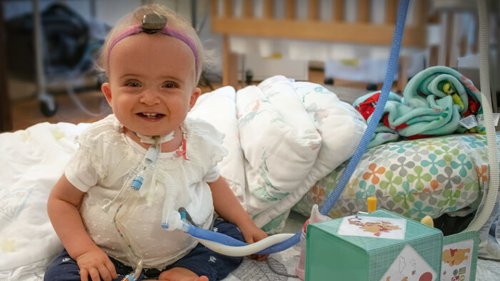
- Ventilator and trach care.
- Oxygen and respiratory support.
- Wound and post‑surgical care.
- Seizure monitoring and emergency response.
- Ongoing assessment of your child's condition.
Nurses and caregivers can assist with:
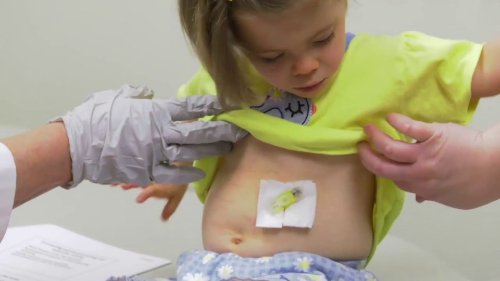
- Tube feedings (G‑tube, J‑tube, NG/NI tubes).
- Flushing and site care.
- Monitoring tolerance and intake.
For children on multiple medications, skilled support can help with:
- Accurate dosing and timing.
- Monitoring for side effects.
- Noticing changes that may require a call to the physician.
Home care teams often work closely with physical, occupational, and speech therapists to help reinforce therapy routines, positioning, and exercises between visits.
e. Help with daily activities
Caregivers may assist with:
- Bathing and hygiene.
- Dressing and grooming.
- Mobility, transfers, and positioning.
- Toileting support or diapering.
f. Flexible scheduling
Families can arrange:
- Around‑the‑clock care for children with high needs.
- Daytime support so parents can work or rest.
- Overnight care to allow uninterrupted sleep.
- Intermittent visits for specific tasks or check‑ins.
g. Training and education for families
A strong pediatric home care program includes teaching for parents and caregivers, showing you how to use equipment, respond to warning signs, and feel more confident in day‑to‑day care.
The Benefits of Working With a Specialized Pediatric Home Care Provider
Not all home care agencies are equipped to handle the complexities of pediatric care. Families with medically fragile children often need a provider with specific training, experience, and clinical oversight.
BrightStar Care of San Francisco and Marin County offers:
- Pediatric-focused clinical expertise: Our nurses and caregivers are trained to care for infants, children, and teens with complex medical conditions and advanced equipment needs.
- RN-led oversight: A Registered Nurse oversees each plan of care, regularly reviews progress, and adjusts services as your child's condition evolves.
- Family-centered approach: We involve parents and caregivers in planning, decision-making, and day-to-day communication so you always understand what is happening and why.
- Responsive, local support: As a local provider, BrightStar Care of San Francisco and Marin County can respond quickly to questions, concerns, or changes in your child's condition and adapt schedules as needed.
This combination of clinical skill and compassionate support can bring peace of mind, knowing that your child is receiving high-quality care in the place they feel most secure.
Speaking Up and Advocating for Your Child
Parents and guardians play a crucial role in making sure a child's needs are understood and met. Advocacy starts with speaking up and staying informed.
Here are some ways to advocate effectively:
- Ask clear, specific questions during medical appointments until you feel confident you understand the diagnosis, treatment options, and care instructions.
- Keep a central record of medications, equipment settings, emergency plans, and contact information for your child's providers and home care team.
- Coordinate with schools and other caregivers to ensure they understand your child's needs, any restrictions, and what to do in case of an emergency.
- Explore available resources such as insurance benefits, state or local programs, and nonprofit organizations that support families of children with special healthcare needs.
- Request additional training or support from your home care provider if you feel unsure about using equipment, handling certain procedures, or spotting early warning signs.
Advocacy is an ongoing process, and your home care team can be a valuable partner in speaking up for what your child needs.
.jpg?width=500&height=281)
Moving Forward With Support at Home
Caring for a child with complex medical needs at home requires resilience, patience, and the right kind of support. While the responsibilities can feel heavy, you don't have to shoulder them alone.
In‑home pediatric services can bring hospital-level skills into your living room, help stabilize daily routines, and allow your child to grow and develop in a familiar, loving environment.
BrightStar Care of San Francisco is here to provide the resources and support you need to care for your loved one. Contact us today to learn more about caregiving services! Our office is located at 150 Shoreline Hwy, Suite B28, Mill Valley, CA, 94941. You may also call us at (415) 332-3300.
Our team is available to answer questions, discuss your child's needs, and help you take the next steps toward creating a safer, more supported home.