
If you're reading this as the New Year begins, you might be feeling exhausted, guilty, and, honestly, a little scared to even think about taking a break.
But here's the truth: getting help is actually the smartest thing you can do for your child and your family!
The "New Year's Resolution" You Are Afraid to Make
Every January, families across San Francisco make resolutions: eat healthier, exercise more, spend quality time together. But if you're caring for a medically fragile child, there's one resolution you're probably afraid to even whisper:"I need a break."
That fear is completely understandable. When your child depends on specialized equipment, medications given at exact times, or monitoring for seizures, the idea of leaving them with someone else can feel downright terrifying. You've probably asked yourself a hundred times:
"Who could possibly watch my child the way I do?"
The Reality of Parent Burnout for Complex Care Families
Parent burnout isn't just feeling tired. Research shows that parents of children with special needs and disabilities face significantly higher rates of burnout compared to other parents.This isn't just "needing a nap" tired. Parents caring for medically fragile children report chronic exhaustion, depression, anxiety, sleep disturbances, and even physical health problems. When you're providing complex care (managing tracheostomies, administering medications, monitoring equipment), the demands never stop.
The emotional toll is enormous, too. Many parents describe feeling isolated, resentful (even though they hate admitting it), and guilty about needing help. One study found that nearly 40% of family caregivers face high emotional stress, and about 20% struggle with depression.
Why a Standard Babysitter Isn't an Option for Tracheostomies & Seizures
Here's where things get complicated. You can't just call the teenager down the street to watch a child who needs:-
Tracheostomy care: Routine suctioning, emergency management, and knowing how to respond if the tube becomes dislodged.
-
Seizure monitoring: Recognizing different types of seizures and administering rescue medications safely.
-
Ventilator management: Understanding alarms, troubleshooting equipment problems, and knowing when to call for help.
-
G-tube feeding: Proper medication administration through feeding tubes and preventing tubing complications.
What is Pediatric Respite Care? (And How It's Different)
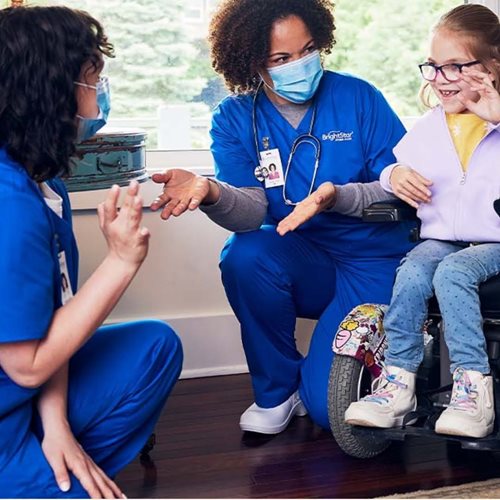
Respite care is specialized temporary care provided by trained professionals who understand complex medical needs. Unlike regular babysitting or even standard respite care, pediatric respite care for children involves caregivers and nurses who are specifically trained to handle medical equipment, medications, and emergency situations.At BrightStar Care of San Francisco & Marin County, pediatric respite care can include everything from a few hours so you can run errands to overnight care so you can actually sleep through the night. The key difference? Professional oversight and medical expertise.
Nurse Oversight: The BrightStar Care Standard of Safety
Here's what sets BrightStar Care apart: every care plan is led by a Registered Nurse Director. This isn't just a nice bonus; it's a game-changer for families with medically complex children.The difference between caregiver and nurse-led care:
|
Standard Caregiver |
BrightStar Care's Nurse-Led Model |
|
Basic personal care training |
RN Director oversees all care plans |
|
Cannot perform medical procedures |
Licensed nurses available for skilled care |
|
Limited to non-medical assistance |
Medical equipment management included |
|
No clinical oversight |
Continuous monitoring and care adjustments |
This nurse oversight means someone with clinical expertise is reviewing your child's care, training the caregivers, and making sure everything is done safely and correctly.
From Meds to Monitors: Skills Our Caregivers Possess
BrightStar Care's pediatric team receives specialized training that goes way beyond basic caregiving. Here's what they're equipped to handle:Medical Skills:
- Tracheostomy care, including routine maintenance and emergency management.
- Ventilator and oxygen support monitoring.
- Seizure management and emergency response protocols.
- Medication administration (including complex schedules and multiple routes).
- G-tube and J-tube feeding and maintenance.
- Vital signs monitoring with medical equipment.
Beyond the Medical Tasks:
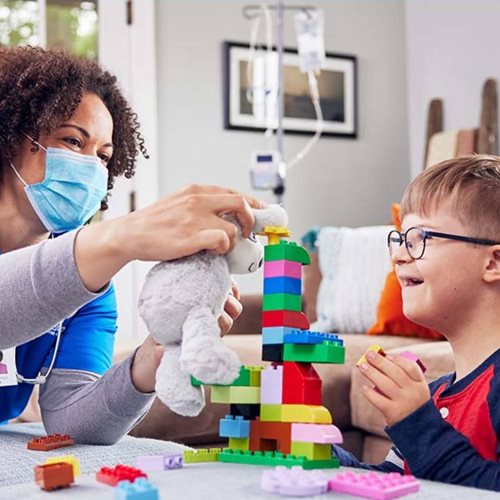
Our caregivers also understand that your child is still a kid who needs play, stimulation, and emotional support. They're trained to provide developmentally appropriate activities while maintaining all necessary medical protocols.
3 Signs You Need a "Respite Reset" This January
Not sure if you're at the breaking point? Here are three clear signs it's time to get help:
Sign #1: You Can't Remember the Last Time You Slept Through the Night
Chronic sleep deprivation isn't just inconvenient; it's dangerous. When you're exhausted, your decision-making suffers, your patience evaporates, and your own health deteriorates. If you're constantly checking monitors, doing nighttime medication administration, or just lying awake worrying, you need nighttime respite care.Sign #2: You're Canceling Medical Appointments (Yours, Not Your Child's)
When was your last dental cleaning? That physical you've been putting off for two years? If you're neglecting your own healthcare because you literally cannot find coverage for your child, that's a major red flag. You can't keep pouring from an empty cup.Sign #3: You Feel Resentment Creeping In
This is the one parents hate to admit, but it's so common. If you find yourself feeling angry at your child (even though you know it's not their fault), snapping at your partner, or avoiding friends and family, these are classic signs of caregiver burnout. The guilt about these feelings only makes things worse.How to Start: Building Your Pediatric Care Plan in San Francisco
Taking the first step is often the hardest part, but BrightStar Care of San Francisco & Marin County makes the process straightforward:Step 1: Schedule a Free In-Home Assessment
Call 415-332-3300 to arrange a consultation. A member of our care team will come to your home to meet your child, understand their specific needs, and assess what level of care would be most appropriate.Step 2: Develop Your Personalized Care Plan
Our RN Director will create a detailed care plan that addresses every aspect of your child's medical needs, from equipment requirements to medication schedules to emergency protocols. This isn't a one-size-fits-all approach.Step 3: Meet Your Care Team
You'll have the opportunity to meet the caregivers and nurses who will be working with your family. This is your chance to ask questions, demonstrate your child's specific care routines, and make sure everyone feels comfortable.Step 4: Start Small and Build Confidence
Many families start with just a few hours of care while they're home, gradually building up to longer periods and eventually overnight care. There's no rush; we work at your pace..png)
Contact BrightStar Care of San Francisco!
BrightStar Care of San Francisco is here to provide the resources and support you need to care for your loved one. Contact us today to learn more about caregiving services! Our office is located at 150 Shoreline Hwy, Suite B28, Mill Valley, CA, 94941. You may also call us at (415) 332-3300. We look forward to hearing from you!