
When families start exploring in-home care for the first time, one of the most common questions is also one of the most basic: what does a caregiver actually do when they're there?
It's a fair question and one that deserves a real answer. Because "home care" can mean a lot of different things, and the gap between what families imagine and what a skilled, compassionate caregiver actually provides is often significant. Some families picture someone sitting in the corner watching TV. Others worry it will feel like a stranger taking over their parent's home.
The reality is neither of those things. Good home care is purposeful, personal, and quietly powerful. Here's an honest, detailed look at what it actually looks like.
Before getting into the day-to-day, it helps to understand that home care comes in two distinct categories and both are available through BrightStar Care of Schaumburg.
Non-medical (non-skilled) caregiving covers the personal, companionship, and daily living support that helps a senior stay safe, comfortable, and engaged at home. This is what most people picture when they think of a home caregiver.
Skilled nursing and therapy covers clinical care delivered at home by licensed nurses or therapists wound care, medication administration, post-surgical recovery support, and more.
This post focuses primarily on the non-medical caregiver the person who shows up consistently, builds a relationship, and handles the daily work of helping someone live well at home. Think of them as the steady, trusted presence that makes everything else possible.
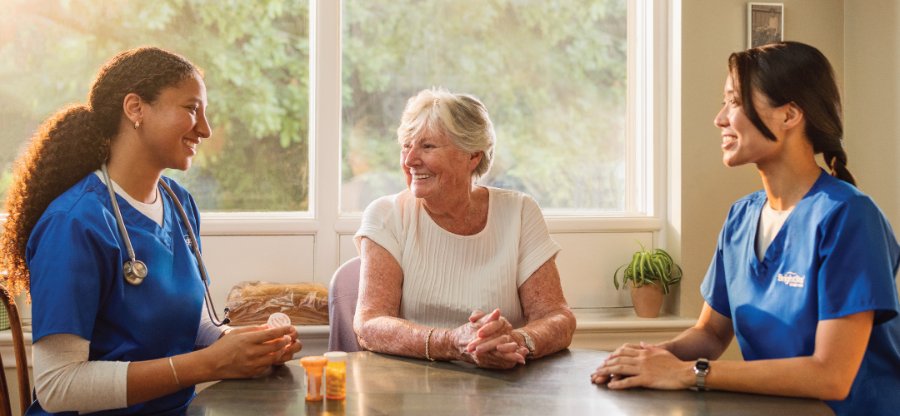
No two clients are alike, and no two caregiving schedules are identical. But here is an honest look at what a typical day of in-home care can include and why each piece matters more than it might appear on a task list.
A caregiver arrives and helps a client wake up and transition from bed safely. They may assist with a shower or sponge bath, help with dressing and personal grooming: hair, oral hygiene, skin care, and ensure the client is comfortable before the day begins.
This isn't just task completion. For a senior who has spent their whole life being independent, having someone assist with these intimate moments with patience, professionalism, and genuine warmth makes the difference between feeling cared for and feeling diminished. The best caregivers understand this intuitively.
Breakfast follows; prepared according to the client's preferences, dietary needs, and any restrictions. A caregiver might also lay out morning medications for the client to self-administer, or note in the care log if anything was skipped or refused.
This might include light housekeeping: dishes, laundry, tidying common areas, not because the client's home needs to be spotless, but because living in a clean, organized environment directly affects how a senior feels. Clutter and mess contribute to confusion and low mood. A clean home is part of good care.
Transportation is another significant component. Many seniors in Schaumburg and the surrounding northwest suburbs no longer drive, or drive only limitedly. A caregiver can take a client to a doctor's appointment, a hair salon, the grocery store, or a community event maintaining the independence and connection to outside life that keeps people feeling like themselves.
Midday is also when companionship becomes most visible. A caregiver and client might work on a puzzle together, look through old photo albums, go for a short walk, or simply sit and talk. This social engagement isn't a luxury; it is, for many isolated seniors, one of the most important services being provided. Research is unambiguous that loneliness and social isolation are serious health risks in older adults. A caregiver who genuinely connects with a client addresses that risk every single visit.
Lunch is prepared and shared. For seniors with specific nutrition needs: soft food diets, diabetic meal plans, low-sodium requirements, a caregiver ensures meals are appropriate and appetizing. Encouraging adequate hydration throughout the afternoon is also a consistent part of the role; dehydration in seniors is far more common and dangerous than most families realize.
But some of the most important work a caregiver does in the afternoon is simply observing. A good caregiver notices things. They notice when a client seems more confused than usual. They notice a change in appetite, a new bruise, a complaint that's been mentioned twice in the same week. They notice when someone who is usually talkative goes quiet.
This ongoing, informal monitoring is something no weekly physician visit or monthly check-in can replicate. A caregiver who is present regularly and paying attention is often the first person to catch a change in condition, and that early awareness can prevent a crisis.
For clients with evening or overnight care, the end of the day involves helping with dinner, managing the bedtime routine, and ensuring the client is safely settled for the night. This may include help with undressing, nighttime personal care, medication reminders, and ensuring the bedroom environment is safe; nightlights on, pathways clear, call devices within reach.
For seniors with dementia or significant cognitive decline, evenings can be particularly challenging. Sundowning, the increase in confusion and agitation that many dementia patients experience in the late afternoon and early evening, is real and difficult to manage without support. A trained caregiver who understands dementia behavior and responds with calm, redirection, and patience is invaluable during these hours.
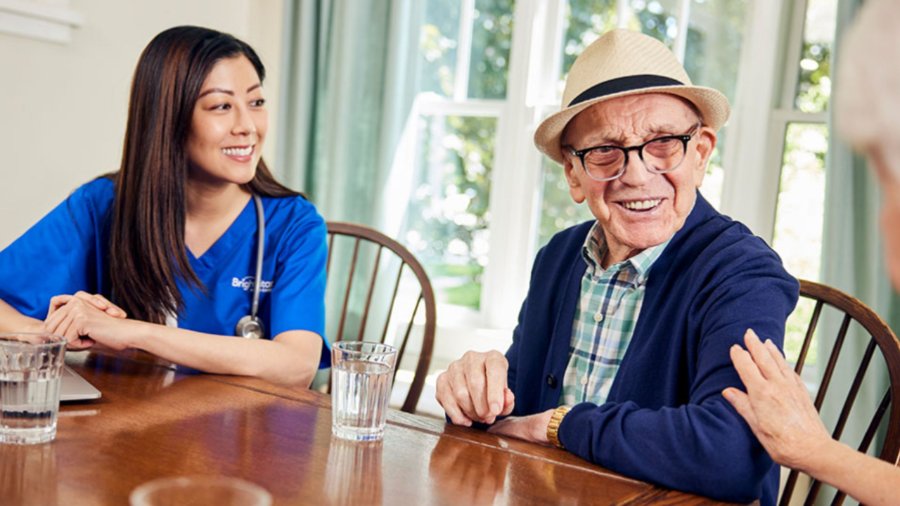
Beyond the visible tasks, a professional caregiver is doing something less obvious but equally important: keeping the family informed and the care team connected.
At BrightStar Care of Schaumburg, caregivers document their visits: what was done, how the client appeared, what was eaten, any observations worth noting. This documentation flows back to our care coordination team and is accessible to family members, so that no one is left guessing about how a loved one's day went.
When a caregiver notices something concerning, they don't wait for the next family call. They flag it. That communication loop, caregiver to care coordinator to family, is one of the most important things a professional home care agency provides that an informal arrangement simply cannot replicate.
It's worth being honest about this too, because clarity matters.
A non-medical caregiver does not diagnose, treat, or manage medical conditions. They do not administer medications (though they can remind a client to self-administer). They do not perform wound care, IV therapy, injections, or any other clinical procedure.
When those needs arise, and for many clients they do, BrightStar Care of Schaumburg's skilled nursing team can provide those services as a separate, coordinated layer of care. For families whose loved one needs both daily personal support and periodic clinical oversight, having both available through a single agency makes coordination significantly easier.
Call Us Today Visit Our Website
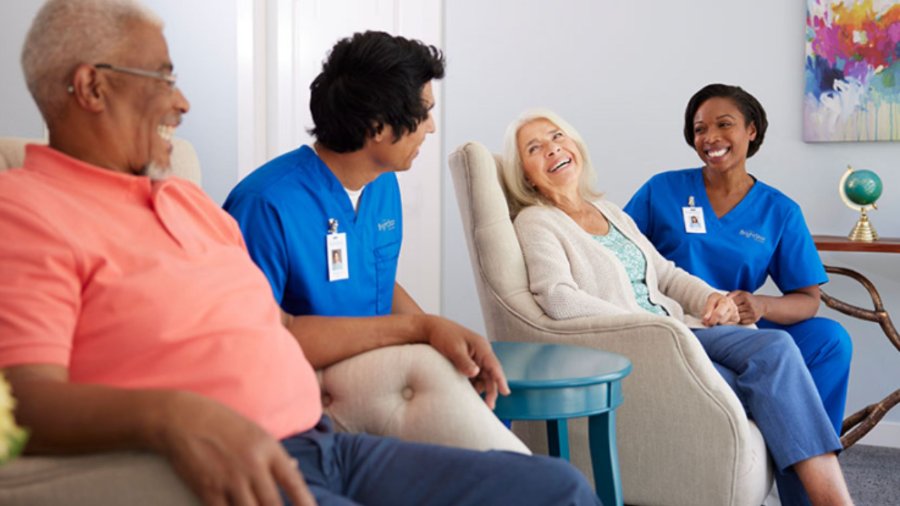
Families who bring in a caregiver for the first time often tell us the same thing a few weeks in: they didn't realize how much they had been carrying.
The low-grade worry: Is mom eating? Did she fall? Is she lonely? Doesn't go away entirely, but it quiets. There's someone there. Someone who knows her, notices her, and will call if something is off.
For seniors themselves, the change is often even more striking. Having consistent, professional support from someone who shows up reliably, treats them with respect, and helps them stay in the home and the community they love restores something that declining independence had started to erode. Confidence. Routine. A sense that life is still full.
That's what a home caregiver actually does.
Contact us to Schedule a Consultation:
A professional caregiver is trained, consistent, and objective in a way that family members no matter how loving often cannot be. They are not emotionally depleted by the relationship, they document their visits, they follow a care plan, and they are backed by a care coordination team. They also provide something family caregivers often sacrifice: relief. Regular professional care allows family members to step back from the daily burden and return to their role as a son, daughter, or spouse — not a full-time caregiver.
The right amount of in-home care varies widely depending on the senior's health, mobility, cognitive status, and living situation. Some clients benefit from a few hours several times a week help with mornings, transportation, and meals. Others need eight or more hours daily, or even overnight and live-in support. A care coordinator can assess your loved one's needs and recommend a schedule that provides adequate support without overreaching what's necessary.
BrightStar Care of Schaumburg provides both skilled nursing and non-medical home care services for seniors and adults throughout Schaumburg, Hoffman Estates, Palatine, Rolling Meadows, Elk Grove Village, Hanover Park, Roselle, Streamwood, and surrounding northwest suburban communities. To speak with a care coordinator or schedule a free in-home consultation, contact our Schaumburg office today.
Call Us Today Visit Our Website
It's a fair question and one that deserves a real answer. Because "home care" can mean a lot of different things, and the gap between what families imagine and what a skilled, compassionate caregiver actually provides is often significant. Some families picture someone sitting in the corner watching TV. Others worry it will feel like a stranger taking over their parent's home.
The reality is neither of those things. Good home care is purposeful, personal, and quietly powerful. Here's an honest, detailed look at what it actually looks like.
First: Not All Home Care Is the Same
Before getting into the day-to-day, it helps to understand that home care comes in two distinct categories and both are available through BrightStar Care of Schaumburg.Non-medical (non-skilled) caregiving covers the personal, companionship, and daily living support that helps a senior stay safe, comfortable, and engaged at home. This is what most people picture when they think of a home caregiver.
Skilled nursing and therapy covers clinical care delivered at home by licensed nurses or therapists wound care, medication administration, post-surgical recovery support, and more.
This post focuses primarily on the non-medical caregiver the person who shows up consistently, builds a relationship, and handles the daily work of helping someone live well at home. Think of them as the steady, trusted presence that makes everything else possible.
A Day in the Life: What a Home Caregiver Actually Does
No two clients are alike, and no two caregiving schedules are identical. But here is an honest look at what a typical day of in-home care can include and why each piece matters more than it might appear on a task list.Morning: Starting the Day With Dignity
For many seniors, mornings are when help is needed most. Getting out of bed, bathing or showering, dressing, and preparing breakfast can all become genuinely difficult with age, and the fear of falling during these routines is real and well-founded.A caregiver arrives and helps a client wake up and transition from bed safely. They may assist with a shower or sponge bath, help with dressing and personal grooming: hair, oral hygiene, skin care, and ensure the client is comfortable before the day begins.
This isn't just task completion. For a senior who has spent their whole life being independent, having someone assist with these intimate moments with patience, professionalism, and genuine warmth makes the difference between feeling cared for and feeling diminished. The best caregivers understand this intuitively.
Breakfast follows; prepared according to the client's preferences, dietary needs, and any restrictions. A caregiver might also lay out morning medications for the client to self-administer, or note in the care log if anything was skipped or refused.
Midday: Engagement, Errands, and Keeping Life Moving
After the morning routine, a caregiver's role shifts toward engagement and practical support.This might include light housekeeping: dishes, laundry, tidying common areas, not because the client's home needs to be spotless, but because living in a clean, organized environment directly affects how a senior feels. Clutter and mess contribute to confusion and low mood. A clean home is part of good care.
Transportation is another significant component. Many seniors in Schaumburg and the surrounding northwest suburbs no longer drive, or drive only limitedly. A caregiver can take a client to a doctor's appointment, a hair salon, the grocery store, or a community event maintaining the independence and connection to outside life that keeps people feeling like themselves.
Midday is also when companionship becomes most visible. A caregiver and client might work on a puzzle together, look through old photo albums, go for a short walk, or simply sit and talk. This social engagement isn't a luxury; it is, for many isolated seniors, one of the most important services being provided. Research is unambiguous that loneliness and social isolation are serious health risks in older adults. A caregiver who genuinely connects with a client addresses that risk every single visit.
Afternoon: Monitoring, Meals, and the Quiet Work of Observation
Lunch is prepared and shared. For seniors with specific nutrition needs: soft food diets, diabetic meal plans, low-sodium requirements, a caregiver ensures meals are appropriate and appetizing. Encouraging adequate hydration throughout the afternoon is also a consistent part of the role; dehydration in seniors is far more common and dangerous than most families realize.But some of the most important work a caregiver does in the afternoon is simply observing. A good caregiver notices things. They notice when a client seems more confused than usual. They notice a change in appetite, a new bruise, a complaint that's been mentioned twice in the same week. They notice when someone who is usually talkative goes quiet.
This ongoing, informal monitoring is something no weekly physician visit or monthly check-in can replicate. A caregiver who is present regularly and paying attention is often the first person to catch a change in condition, and that early awareness can prevent a crisis.
Evening: Winding Down Safely
For clients with evening or overnight care, the end of the day involves helping with dinner, managing the bedtime routine, and ensuring the client is safely settled for the night. This may include help with undressing, nighttime personal care, medication reminders, and ensuring the bedroom environment is safe; nightlights on, pathways clear, call devices within reach.For seniors with dementia or significant cognitive decline, evenings can be particularly challenging. Sundowning, the increase in confusion and agitation that many dementia patients experience in the late afternoon and early evening, is real and difficult to manage without support. A trained caregiver who understands dementia behavior and responds with calm, redirection, and patience is invaluable during these hours.
What a Caregiver Is Also Doing That You Don't See
Beyond the visible tasks, a professional caregiver is doing something less obvious but equally important: keeping the family informed and the care team connected.At BrightStar Care of Schaumburg, caregivers document their visits: what was done, how the client appeared, what was eaten, any observations worth noting. This documentation flows back to our care coordination team and is accessible to family members, so that no one is left guessing about how a loved one's day went.
When a caregiver notices something concerning, they don't wait for the next family call. They flag it. That communication loop, caregiver to care coordinator to family, is one of the most important things a professional home care agency provides that an informal arrangement simply cannot replicate.
What a Caregiver Is Not There to Do
It's worth being honest about this too, because clarity matters.A non-medical caregiver does not diagnose, treat, or manage medical conditions. They do not administer medications (though they can remind a client to self-administer). They do not perform wound care, IV therapy, injections, or any other clinical procedure.
When those needs arise, and for many clients they do, BrightStar Care of Schaumburg's skilled nursing team can provide those services as a separate, coordinated layer of care. For families whose loved one needs both daily personal support and periodic clinical oversight, having both available through a single agency makes coordination significantly easier.
Call Us Today Visit Our Website
The Part Families Don't Expect: What Changes When Care Is in Place
Families who bring in a caregiver for the first time often tell us the same thing a few weeks in: they didn't realize how much they had been carrying.The low-grade worry: Is mom eating? Did she fall? Is she lonely? Doesn't go away entirely, but it quiets. There's someone there. Someone who knows her, notices her, and will call if something is off.
For seniors themselves, the change is often even more striking. Having consistent, professional support from someone who shows up reliably, treats them with respect, and helps them stay in the home and the community they love restores something that declining independence had started to erode. Confidence. Routine. A sense that life is still full.
That's what a home caregiver actually does.
Contact us to Schedule a Consultation:
- Phone: 847-925-0818
- Location: 650 E. Algonquin Rd, Ste 301, Schaumburg, IL 60173
- Website: BrightStar Care Schaumburg
Frequently Asked Questions
Q: What tasks does a non-medical home caregiver typically help with?
A non-medical home caregiver typically assists with personal care (bathing, dressing, grooming), meal preparation, light housekeeping, transportation to appointments and errands, medication reminders, companionship, and mobility assistance. They also provide informal monitoring observing changes in a client's condition or behavior and communicating concerns to the family and care team.
Q: How is a professional home caregiver different from a family member providing care?
A professional caregiver is trained, consistent, and objective in a way that family members no matter how loving often cannot be. They are not emotionally depleted by the relationship, they document their visits, they follow a care plan, and they are backed by a care coordination team. They also provide something family caregivers often sacrifice: relief. Regular professional care allows family members to step back from the daily burden and return to their role as a son, daughter, or spouse — not a full-time caregiver.
Q: How many hours a day or week does a senior typically need in-home care?
The right amount of in-home care varies widely depending on the senior's health, mobility, cognitive status, and living situation. Some clients benefit from a few hours several times a week help with mornings, transportation, and meals. Others need eight or more hours daily, or even overnight and live-in support. A care coordinator can assess your loved one's needs and recommend a schedule that provides adequate support without overreaching what's necessary.BrightStar Care of Schaumburg provides both skilled nursing and non-medical home care services for seniors and adults throughout Schaumburg, Hoffman Estates, Palatine, Rolling Meadows, Elk Grove Village, Hanover Park, Roselle, Streamwood, and surrounding northwest suburban communities. To speak with a care coordinator or schedule a free in-home consultation, contact our Schaumburg office today.
Call Us Today Visit Our Website