
Functional movement focuses on natural, everyday motions like reaching, stretching, bending, balancing, and walking. These movements help support strength, mobility, coordination, and confidence in daily life. Best of all, they can be adapted for both seniors and children, making them a wonderful option for intergenerational wellness.
At BrightStar Care of Southeast & Southwest Houston, we love encouraging families to find practical, joyful ways to stay active together. If you’re looking for easy ideas that feel more like connection than exercise, these three low-impact activities are a lovely place to begin.
What Is Functional Movement?
Functional movement includes exercises and motions that reflect how we move throughout the day. Rather than focusing on intense workouts, it supports real-life activities like standing up from a chair, reaching overhead, maintaining balance, turning, and walking comfortably.
For seniors, functional movement can help maintain independence, reduce stiffness, improve balance, and lower the risk of falls. For children, it encourages body awareness, coordination, motor skill development, and healthy habits that can last a lifetime.
When families do these activities together, the benefits go beyond physical wellness. Shared movement can encourage laughter, conversation, emotional connection, and confidence across generations.
Activity One: Mirror Stretching
What It Is
Mirror stretching is a simple partner activity where one person performs gentle movements and the other copies them like a mirror. It can be done standing or seated, depending on comfort and mobility.
How To Do It
Ask one family member to lead with easy stretches such as:- Reaching both arms overhead
- Rolling the shoulders
- Stretching side to side
- Lifting one foot slightly off the floor
- Turning the head gently from side to side
Why It Helps
Mirror stretching supports:- Flexibility
- Joint mobility
- Coordination
- Focus
- Body awareness
Activity Two: Balloon Volleyball
What It Is
Balloon volleyball is a playful, low-impact activity that gets everyone moving without putting too much stress on the joints. Because the balloon moves slowly, it gives seniors and children time to react and enjoy the game together.
How To Play
All you need is a balloon and a little open space. You can:- Stand or sit across from each other
- Use a string, table, or imaginary line as a net
- Tap the balloon back and forth without letting it touch the ground
Why It Helps
Balloon volleyball can support:- Hand-eye coordination
- Gentle upper-body movement
- Balance
- Reaction time
- Light cardiovascular activity
Activity Three: The Scavenger Walk
What It Is
The scavenger walk combines light walking with observation and conversation. It turns a simple walk through the neighborhood, backyard, or park into an interactive activity for all ages.
How To Do It
Create a short list of things to find during the walk, such as:- A yellow flower
- A bird
- A stop sign
- Something round
- A butterfly
- A dog being walked
- A blue car
Why It Helps
The scavenger walk encourages:- Walking endurance
- Balance and mobility
- Cognitive stimulation
- Curiosity and conversation
- Emotional well-being through fresh air and time outside
Tips for Safe Family Movement
Before starting any activity, it helps to keep a few safety basics in mind. The goal is to make movement feel encouraging, not overwhelming.- Choose a clutter-free area with plenty of room to move
- Use supportive shoes when walking or standing
- Keep water nearby
- Encourage slow, steady movement
- Take breaks as needed
- Adapt activities based on comfort, balance, and mobility
Frequently Asked Questions
Q: What age range works best for these activities?
A: These activities are flexible enough for many age groups. Younger children may need simpler instructions and shorter activity times, while seniors may benefit from seated options or slower pacing. The beauty of functional movement is that it can be adapted to meet each person where they are.
Q: Are these activities safe for seniors with limited mobility?
A: They can be, especially when modified thoughtfully. Mirror stretching can be done in a chair, balloon volleyball can be played seated, and scavenger walks can be shortened or adjusted to fit energy and mobility levels. If there are medical concerns, it’s always wise to check with a healthcare professional before beginning a new activity routine.Q: How long should families do these activities?
A: You do not need a long session for movement to be meaningful. Even 10 to 20 minutes of intentional activity can support mobility, connection, and mood. Consistency matters more than length.Q: What if my child and older loved one have very different energy levels?
A: That’s very normal. Try choosing activities that allow each person to participate at their own pace. The goal is shared engagement, not perfect performance. One person may move more quickly while the other moves more gently, and that’s completely okay.Q: How often should families include functional movement?
A: A few times a week is a great place to begin. Short, regular movement sessions can be easier to maintain than occasional long ones. Families often find that once these activities become part of the routine, everyone starts looking forward to them.Q: How does BrightStar Care Support Active Living?
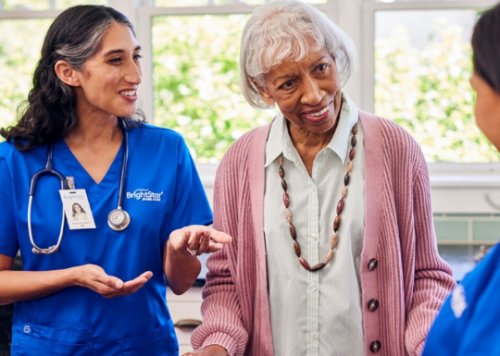
A: At BrightStar Care of Southeast & Southwest Houston, we understand that maintaining mobility and independence can make a meaningful difference in everyday life. Our team supports families with compassionate care that helps older adults remain safe, engaged, and empowered at home.Whether your loved one needs companionship, personal care, mobility support, or skilled nursing services, we’re here to help create a plan that fits your family’s needs.
If you’re looking for simple ways to bring generations together, functional movement is a wonderful place to begin. Activities like mirror stretching, balloon volleyball, and scavenger walks can help seniors and kids stay active while creating genuine moments of joy and connection.
If your family could use extra support caring for an older loved one at home, BrightStar Care of Southeast & Southwest Houston is here for you. Call us today or visit our website to learn more: https://www.brightstarcare.com/locations/southeast-houston-sw-metro/