
The holiday season brings families together in ways nothing else can. Yet for many adult children and extended family members, the holidays also bring something unexpected: clarity.
When families converge under one roof for the first time in months, the gaps in your aging parent's abilities suddenly become visible. These moments, often unplanned realizations, can spark important conversations about care and support.
The holiday season, while busy and sometimes chaotic, offers a unique opportunity to recognize when your loved one might benefit from professional caregiving support. This isn't about losing independence; it's about preserving the moments that matter most and ensuring your family can focus on connection rather than stress.
They may be:
Think of holiday gatherings as a natural, real-world assessment of your loved one's capabilities.
Pay attention to:
If your parent:
Many seniors and their families misunderstand professional in-home care. It's not:
Professional caregivers become facilitators of independence, not replacements for it.
At BrightStar Care, every client's care plan is supervised by a Registered Nurse from day one.
This nurse-led approach means:
This means your parent receives consistent, high-quality care, whether it's your aunt visiting or a professional caregiver providing assistance.
The Solution: Professional caregivers can handle meal preparation, setup, and cleanup while your mother focuses on being the gracious host and enjoying her family. A companion caregiver can be present to ensure kitchen safety and assist with mobility. Your mother maintains her beloved tradition without the physical exhaustion.
The Solution: These observations are important signals to discuss with his physician. Professional caregivers can provide cognitive stimulation through activities and conversation, monitor for changes, and help with routine tasks that might be causing stress. A nurse-led care team can create a structured environment that supports his cognitive health.
The Solution: Professional caregivers can step in during the holiday period, providing respite care that gives your sister actual breaks. Trained caregivers work with your parent's established routines, coordinate with your sister on specific needs, and free her to be a family member rather than solely a caregiver. This might be a temporary holiday support or a longer-term arrangement.
The Solution: Professional in-home care can provide structured support with daily activities, meal preparation, and mobility assistance, allowing your mother to focus on being a wife and parent rather than a full-time caregiver. Family members can arrange visits without worrying about whether caregiving needs are being met. The holidays become about connection rather than logistics.
If you're noticing signs that professional care might help, here's how to initiate the conversation:
BrightStar Care of Springfield/Bloomington's team of professionals will assist you in finding the right caregiver for your loved one. Contact us today to learn more about caregiving services! Our office is at 801 S MacArthur Blvd, Springfield, IL 62704. You may also call us at (217) 318-3396.
We look forward to hearing from you!
When families converge under one roof for the first time in months, the gaps in your aging parent's abilities suddenly become visible. These moments, often unplanned realizations, can spark important conversations about care and support.
The holiday season, while busy and sometimes chaotic, offers a unique opportunity to recognize when your loved one might benefit from professional caregiving support. This isn't about losing independence; it's about preserving the moments that matter most and ensuring your family can focus on connection rather than stress.
The Holiday Lens: When Clarity Meets Concern
During the holidays, you're seeing your loved one in a different context than their daily routine.They may be:
- Managing increased cognitive demands (remembering guests' names, following multiple conversations).
- Dealing with physical strain from preparing food, managing visitors, or hosting.
- Experiencing disrupted sleep patterns due to houseguests.
- Feeling overwhelmed by sensory stimulation and social demands.
- Taking on activities they normally handle independently but now find challenging.

The Family Gathering as a Care Assessment Tool
Think of holiday gatherings as a natural, real-world assessment of your loved one's capabilities.Pay attention to:
- Mobility and Physical Safety: Does your parent move confidently, or do you notice hesitation in walking? Are they managing stairs safely? Do they need railings or furniture for support?
-
Cognitive Function: Are they following conversations? Do they remember who the guests are? Do they seem confused about timing or scheduling?
- Personal Care Maintenance: Have you noticed changes in grooming or hygiene? Does their appearance suggest they're maintaining these routines independently?
-
Kitchen and Meal Management: Can they safely prepare food? Are they managing dietary needs, or are shortcuts becoming necessary?
- Medication Management: Do they seem clear about when to take medications? Are they managing prescriptions independently?
-
Social Engagement: Are they actively participating, or have they withdrawn? Does fatigue seem excessive?
Signs That Professional Support May Be Needed
Professional in-home care can be valuable when:- Your loved one struggles with bathing or grooming, but resists help from family.
- Walking assistance is needed, but family members aren't always present.
- Medication management has become complicated or confusing.
- Household tasks like meal preparation are becoming safety concerns.
- Mobility around the home requires support.
- Memory lapses that concern you (forgetting recent conversations, repeating questions).
- Difficulty managing finances or paperwork.
- Confusion about time, dates, or daily schedules.
- Social withdrawal or signs of isolation.
- Anxiety about managing daily tasks independently.
- Loss of interest in activities they once enjoyed.
The "But I Don't Want to Burden Anyone" Factor
One of the most significant indicators that professional care would help is when your loved one is reluctant to ask family members for help.If your parent:
- Refuses assistance from adult children to maintain independence.
- Feels guilty about needing help.
- Tries to manage difficult tasks alone rather than ask.
- Puts on a brave face but shows signs of strain.
Recognizing Caregiver Stress in Family Members
Sometimes the clearest sign that professional support is needed comes not from your parent but from the family members already providing care. During the holidays, watch for:- Adult children who seem exhausted or anxious about their parents' safety.
- Family members are having difficult conversations about who will "take care of things."
- Caregiving duties consume holiday time and joy.
- Visible strain in family relationships due to caregiving stress.

The Balance Between Independence and Support
Many seniors and their families misunderstand professional in-home care. It's not:
- Giving up independence.
- Admitting defeat.
- The first step toward institutional care.
- An all-or-nothing commitment.
- Strategic support that enables greater independence.
- A tool for maintaining safety while preserving autonomy.
- Flexible and responsive to changing needs.
- A way to free up family time for actual connection rather than task management.
The Independence Paradox
Here's what many families discover: accepting professional support actually preserves independence. When your parent isn't exhausted from managing everything alone, they have energy for the activities and relationships that matter. When medications are managed correctly, and meals are nutritious, their physical and cognitive health stays stronger longer.Professional caregivers become facilitators of independence, not replacements for it.
Finding the Right Level of Support
Professional in-home care exists on a spectrum:- Companion care provides social engagement, meal preparation, light housekeeping, and transportation, perfect for someone who's largely independent but benefits from support and safety monitoring.
-
Personal care adds assistance with activities of daily living like bathing, dressing, and grooming while maintaining your loved one's independence in decision-making and daily choices.
-
Skilled nursing care involves medical oversight and specialized care for specific health conditions, appropriate when medical needs exceed what the family can safely manage.
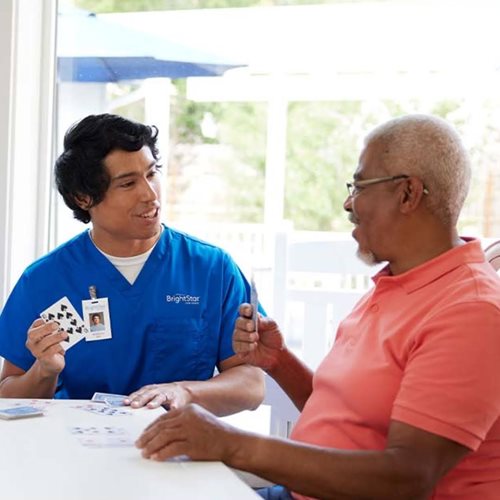
How BrightStar Care's Nurse-Led Model Makes a Difference
At BrightStar Care, every client's care plan is supervised by a Registered Nurse from day one. This nurse-led approach means:
- Your loved one receives care based on a comprehensive health assessment.
- A healthcare professional is actively overseeing all aspects of their support.
- Changes in health or safety are identified quickly.
- Family members can consult a medical professional with questions.
- Care is coordinated with physicians and medical providers.
- Quality and safety standards are consistently maintained.
Trained Caregivers, Professional Oversight
BrightStar Care caregivers aren't just kind and compassionate; they're trained, screened, background-checked, and supervised by nursing professionals. They work closely with nurses to monitor for changes in your loved one's condition and communicate concerns immediately.This means your parent receives consistent, high-quality care, whether it's your aunt visiting or a professional caregiver providing assistance.
The Family Impact
When professional care is in place:- Adult children can actually enjoy the holidays rather than managing their parents' care.
- Multiple family members aren't needed to coordinate tasks and responsibilities.
- Caregiving stress decreases, improving relationships.
- Conversations can focus on connection rather than logistics.
- Your parent receives care from trained professionals while the family provides love and companionship.
Real-Life Holiday Scenarios Springfield Families Experience
Scenario 1: The Holiday Host Who's Running on Empty
The Situation: Your mother has hosted Thanksgiving for 30 years. This year, she insists on doing it again, but you notice she's sleeping 14 hours a day in the weeks leading up to the holiday. She's struggling with meal planning, and you're concerned about her safely managing the oven and standing for hours.The Solution: Professional caregivers can handle meal preparation, setup, and cleanup while your mother focuses on being the gracious host and enjoying her family. A companion caregiver can be present to ensure kitchen safety and assist with mobility. Your mother maintains her beloved tradition without the physical exhaustion.
Scenario 2: The Holiday Gathering That Reveals Cognitive Changes
The Situation: Your father seems fine in routine daily life, but when the whole family gathers, you notice he's asking the same questions repeatedly, seems confused about dates, and is withdrawn from conversations. Your siblings don't see him regularly and are concerned about what they're observing.The Solution: These observations are important signals to discuss with his physician. Professional caregivers can provide cognitive stimulation through activities and conversation, monitor for changes, and help with routine tasks that might be causing stress. A nurse-led care team can create a structured environment that supports his cognitive health.
Scenario 3: The Overwhelmed Primary Caregiver
The Situation: Your sister has been caring for your parent for two years. She's exhausted, and the holidays are adding pressure. The extended family is visiting, and while they want to help, they don't know your parents' routines and limitations. Your sister is stretched impossibly thin, managing care while trying to enjoy family time.The Solution: Professional caregivers can step in during the holiday period, providing respite care that gives your sister actual breaks. Trained caregivers work with your parent's established routines, coordinate with your sister on specific needs, and free her to be a family member rather than solely a caregiver. This might be a temporary holiday support or a longer-term arrangement.
Scenario 4: The Multi-Generational Coordination Challenge
The Situation: Your parents still live independently, but they need growing support. Your elderly mother is the primary caregiver for your father, who has mobility limitations. During the holidays, you and your siblings want to be present, but coordinating care schedules is complicated. Your mother is stressed about managing everything while hosting the family.The Solution: Professional in-home care can provide structured support with daily activities, meal preparation, and mobility assistance, allowing your mother to focus on being a wife and parent rather than a full-time caregiver. Family members can arrange visits without worrying about whether caregiving needs are being met. The holidays become about connection rather than logistics.
Having the Conversation
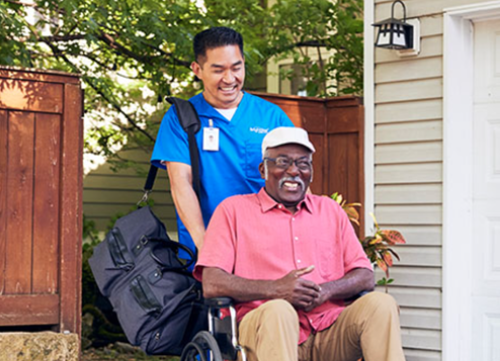
If you're noticing signs that professional care might help, here's how to initiate the conversation:
Lead with Observation, Not Judgment
- "I've noticed you seem tired after hosting. What if we brought in support to handle some of the physical tasks?"
- "I want to make sure you're safe. Would it help to have someone assist with [specific task]?"
Frame It as Maintaining Their Lifestyle
- "I want you to be able to stay in your home and keep doing the things you love. Professional support could help make that possible."
- "This isn't about you needing care; it's about having the support you want."
Emphasize Family Connection
- "I want to spend the holidays with you, not managing tasks. Professional caregivers could handle [specific things] so we can actually enjoy time together."
- "This helps us be better family members. We can visit and connect rather than worrying about whether everything is being managed."
Include Other Family Members
- A unified family perspective carries more weight than individual concern.
- Different family members may have observed different issues that paint a complete picture.
- Shared responsibility for initiating and supporting this transition.
Listen More Than You Talk
- Your parent may have concerns about professional care that you can address.
- They may have different perspectives on their needs than you do.
- Understanding their priorities helps find solutions they'll actually accept.

Contact BrightStar Care of Springfield/Bloomington!
BrightStar Care of Springfield/Bloomington's team of professionals will assist you in finding the right caregiver for your loved one. Contact us today to learn more about caregiving services! Our office is at 801 S MacArthur Blvd, Springfield, IL 62704. You may also call us at (217) 318-3396. We look forward to hearing from you!