
If you're a Vietnam-era or Korean War-era veteran living in Sun City Center, you probably know the difference between a condition you manage and a condition that manages you. A back injury from your service years, hearing loss that crept up over decades, respiratory problems traced back to Agent Orange exposure: at 50, these were things you worked around. At 70 or 80, they're a different story.
That's not weakness. That's just the reality of aging with a service-connected disability. The conditions themselves don't change, but your body's ability to compensate does. And when you layer a service-connected condition on top of normal aging changes, the cumulative effect on daily life can be significant. The good news is that support exists, and a lot of Sun City veterans don't know the full picture of what they're entitled to.
Call 813-634-7711 Our Website
Most of the veterans we work with in Sun City Center carry conditions from their service that they've been managing for decades. The challenge is that what was manageable at 50 becomes genuinely limiting in your late 70s or beyond.
Musculoskeletal conditions are among the most common. Physical service demands put real wear on backs, knees, hips, and joints. When you're younger, you compensate. As you age, that compensation becomes harder, and the pain and mobility limitations become more central to daily life. Getting in and out of the shower, walking to the mailbox, preparing meals: these are the tasks that start to require a second thought.
Respiratory conditions tied to Agent Orange exposure are significant in this population. COPD, pulmonary fibrosis, and lung cancer survivors all face ongoing respiratory management. When breathing is harder, everything is harder. Energy is limited. Activity tolerance drops. The ripple effect on independence is real.
The cardiovascular conditions linked to Agent Orange, particularly ischemic heart disease, require consistent monitoring and medication adherence. So does peripheral neuropathy, which affects sensation and balance in ways that make falls a genuine risk. Hearing loss and tinnitus are nearly universal in this age group and affect communication, awareness, and sometimes emotional wellbeing more than people expect.
PTSD in older veterans deserves mention here as well. It's sometimes underacknowledged in men who grew up not talking about it, but it affects sleep, stress tolerance, and social engagement in ways that compound with the physical picture.
Home care for aging veterans isn't just about helping around the house, though that matters too. BrightStar Care provides both skilled nursing and personal care services, and for veterans with service-connected conditions, that combination can be genuinely meaningful.
On the skilled nursing side, our RN-supervised team can manage medication adherence for veterans on complex cardiovascular or respiratory regimens. We monitor vitals, watch for changes that warrant a call to the care team, and provide wound care for veterans managing diabetic or vascular complications. For veterans whose conditions require consistent, trained eyes on a regular basis, skilled home nursing keeps them safer and catches problems earlier.
Personal care addresses the daily function piece. Bathing, dressing, mobility assistance, help with meal preparation: these are the tasks that mobility limitations and pain make difficult, and where a lot of independent living starts to break down. When a veteran can get support with the physical tasks that their service-connected condition makes hard, they can keep living in their own home, in the community they chose.
Companionship is the third piece, and it's not a soft add-on. Many veterans in Sun City Center have outlived close friends, have children living at a distance, and spend significant time alone. Social isolation in older adults has real health consequences. Having someone come in regularly, someone who is trained and consistent, matters.
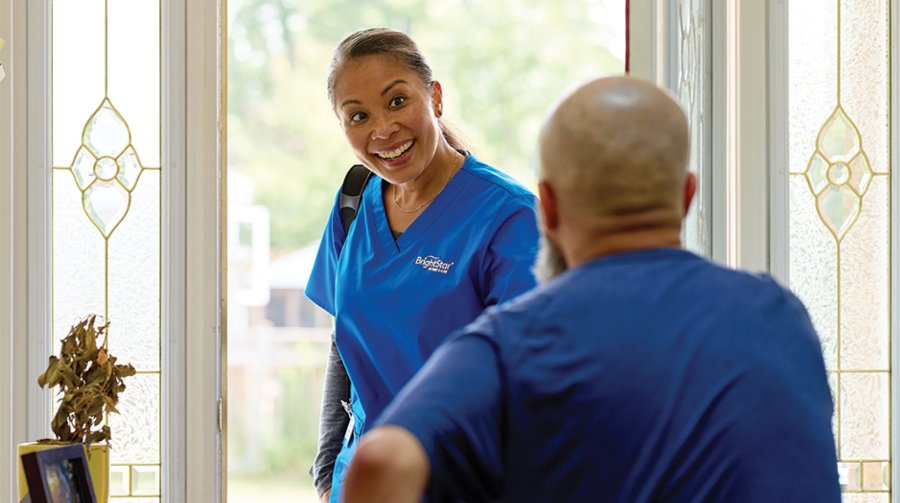
If you're a Vietnam-era veteran and you've been denied VA benefits in the past for conditions you believe were connected to your service, it's worth revisiting that. The PACT Act expanded presumptive service connection for many conditions tied to toxic exposure, including a much longer list of Agent Orange-associated conditions. Veterans who were previously denied, or who never filed because they expected denial, now have standing they didn't have before.
This matters for home care specifically because VA coverage through the Community Care Network (CCN) is available to veterans whose service-connected conditions affect their daily function. If your eligibility picture has changed under the PACT Act, your access to covered home care services may have changed with it.
The two VA medical centers most relevant to Sun City Center veterans are James A. Haley VA Medical Center in Tampa and Bay Pines VA Medical Center in St. Petersburg. Veterans enrolled in VA healthcare who have service-connected conditions affecting daily function have strong grounds for a Community Care Network home care referral.
VA CCN home care is provided at no cost to the veteran. That's a significant distinction from assisted living, which VA CCN does not cover. For veterans weighing their options, the financial math is clear. Beyond the cost, most Sun City veterans chose this community specifically. Their neighbors are here. Their routines are here. Staying home in Sun City Center is not just a preference; it's often the better clinical and quality-of-life outcome.
When VA-authorized hours don't fully cover a veteran's needs, private pay can fill the gap seamlessly. BrightStar Care works with both, so veterans and their families don't have to piece together care from multiple providers.
Here's a reality that doesn't get talked about enough. A lot of Sun City veterans are married to someone who is also in their late 70s or 80s. The spouse has often been the informal caregiver for years, managing medications, providing physical assistance, being the person who is just there. As both partners age, the spouse's ability to carry that role safely diminishes. They're managing their own health changes while trying to support someone else's.
Home care supports the veteran, but it also gives the spouse back some of their own life. It reduces the physical burden, the vigilance, the exhaustion. For couples where both partners are aging, professional home care isn't a replacement for the relationship; it's what allows the relationship to stay what it should be, rather than becoming a caregiving arrangement.
Call 813-634-7711 Our Website
BrightStar Care of Sun City serves veterans and their families throughout Sun City Center, Ruskin, Apollo Beach, Wimauma, Gibsonton, and the surrounding South Hillsborough County area. If you have a veteran in your family who is aging with a service-connected condition, or if you're a veteran yourself who wants to understand your options, reach out. We know this community and we know how to navigate VA CCN. You've earned the support.
Contact BrightStar Care of Sun City for a free consultation:
That's not weakness. That's just the reality of aging with a service-connected disability. The conditions themselves don't change, but your body's ability to compensate does. And when you layer a service-connected condition on top of normal aging changes, the cumulative effect on daily life can be significant. The good news is that support exists, and a lot of Sun City veterans don't know the full picture of what they're entitled to.
Call 813-634-7711 Our Website
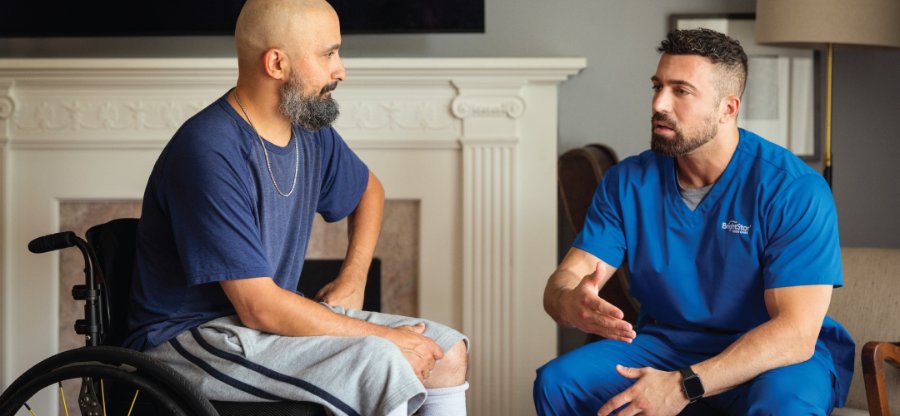
What Long-Term Service-Connected Conditions Actually Look Like at 70 and 80
Most of the veterans we work with in Sun City Center carry conditions from their service that they've been managing for decades. The challenge is that what was manageable at 50 becomes genuinely limiting in your late 70s or beyond.Musculoskeletal conditions are among the most common. Physical service demands put real wear on backs, knees, hips, and joints. When you're younger, you compensate. As you age, that compensation becomes harder, and the pain and mobility limitations become more central to daily life. Getting in and out of the shower, walking to the mailbox, preparing meals: these are the tasks that start to require a second thought.
Respiratory conditions tied to Agent Orange exposure are significant in this population. COPD, pulmonary fibrosis, and lung cancer survivors all face ongoing respiratory management. When breathing is harder, everything is harder. Energy is limited. Activity tolerance drops. The ripple effect on independence is real.
The cardiovascular conditions linked to Agent Orange, particularly ischemic heart disease, require consistent monitoring and medication adherence. So does peripheral neuropathy, which affects sensation and balance in ways that make falls a genuine risk. Hearing loss and tinnitus are nearly universal in this age group and affect communication, awareness, and sometimes emotional wellbeing more than people expect.
PTSD in older veterans deserves mention here as well. It's sometimes underacknowledged in men who grew up not talking about it, but it affects sleep, stress tolerance, and social engagement in ways that compound with the physical picture.
How Home Care Addresses These Conditions Directly
Home care for aging veterans isn't just about helping around the house, though that matters too. BrightStar Care provides both skilled nursing and personal care services, and for veterans with service-connected conditions, that combination can be genuinely meaningful.On the skilled nursing side, our RN-supervised team can manage medication adherence for veterans on complex cardiovascular or respiratory regimens. We monitor vitals, watch for changes that warrant a call to the care team, and provide wound care for veterans managing diabetic or vascular complications. For veterans whose conditions require consistent, trained eyes on a regular basis, skilled home nursing keeps them safer and catches problems earlier.
Personal care addresses the daily function piece. Bathing, dressing, mobility assistance, help with meal preparation: these are the tasks that mobility limitations and pain make difficult, and where a lot of independent living starts to break down. When a veteran can get support with the physical tasks that their service-connected condition makes hard, they can keep living in their own home, in the community they chose.
Companionship is the third piece, and it's not a soft add-on. Many veterans in Sun City Center have outlived close friends, have children living at a distance, and spend significant time alone. Social isolation in older adults has real health consequences. Having someone come in regularly, someone who is trained and consistent, matters.
The PACT Act and What It Means for Sun City Veterans
If you're a Vietnam-era veteran and you've been denied VA benefits in the past for conditions you believe were connected to your service, it's worth revisiting that. The PACT Act expanded presumptive service connection for many conditions tied to toxic exposure, including a much longer list of Agent Orange-associated conditions. Veterans who were previously denied, or who never filed because they expected denial, now have standing they didn't have before.This matters for home care specifically because VA coverage through the Community Care Network (CCN) is available to veterans whose service-connected conditions affect their daily function. If your eligibility picture has changed under the PACT Act, your access to covered home care services may have changed with it.
VA CCN Home Care for Sun City Veterans: What to Know
The two VA medical centers most relevant to Sun City Center veterans are James A. Haley VA Medical Center in Tampa and Bay Pines VA Medical Center in St. Petersburg. Veterans enrolled in VA healthcare who have service-connected conditions affecting daily function have strong grounds for a Community Care Network home care referral.VA CCN home care is provided at no cost to the veteran. That's a significant distinction from assisted living, which VA CCN does not cover. For veterans weighing their options, the financial math is clear. Beyond the cost, most Sun City veterans chose this community specifically. Their neighbors are here. Their routines are here. Staying home in Sun City Center is not just a preference; it's often the better clinical and quality-of-life outcome.
When VA-authorized hours don't fully cover a veteran's needs, private pay can fill the gap seamlessly. BrightStar Care works with both, so veterans and their families don't have to piece together care from multiple providers.
The Spouse Who Is Also Aging
Here's a reality that doesn't get talked about enough. A lot of Sun City veterans are married to someone who is also in their late 70s or 80s. The spouse has often been the informal caregiver for years, managing medications, providing physical assistance, being the person who is just there. As both partners age, the spouse's ability to carry that role safely diminishes. They're managing their own health changes while trying to support someone else's.Home care supports the veteran, but it also gives the spouse back some of their own life. It reduces the physical burden, the vigilance, the exhaustion. For couples where both partners are aging, professional home care isn't a replacement for the relationship; it's what allows the relationship to stay what it should be, rather than becoming a caregiving arrangement.
Call 813-634-7711 Our Website
FAQs
Q: Does VA CCN cover home care for veterans in Sun City Center?
A: Yes. Veterans enrolled in VA healthcare who have service-connected conditions that affect daily function can request a Community Care Network referral for home care. The care is provided at no cost to the veteran. The relevant VA medical centers for Sun City veterans are James A. Haley in Tampa and Bay Pines in St. Petersburg. If you haven't checked your eligibility recently, it's worth doing, especially if your conditions have expanded in scope or if you were previously denied benefits that may now qualify under the PACT Act.Q: What service-connected conditions typically qualify a veteran for home care support?
A: Any service-connected condition that affects daily function can support a home care referral. For Vietnam-era veterans in particular, this often includes musculoskeletal conditions like back and joint injuries, Agent Orange-linked conditions such as COPD, pulmonary fibrosis, ischemic heart disease, and peripheral neuropathy, as well as hearing loss, PTSD, and the complications of diabetes. The functional impact is key: if your service-connected condition makes it harder to bathe, dress, manage medications, move safely around your home, or manage chronic health monitoring, you have grounds for a care conversation.Q: What if the VA-authorized hours aren't enough to cover what the veteran needs?
A: It's common for authorized CCN hours to cover a portion of what a veteran actually needs. Private pay can fill that gap without requiring a separate provider. BrightStar Care of Sun City works with both VA CCN and private pay, so families can build a consistent care team and adjust hours as needs change, rather than navigating multiple agencies or leaving needs unmet because of a coverage gap.BrightStar Care of Sun City serves veterans and their families throughout Sun City Center, Ruskin, Apollo Beach, Wimauma, Gibsonton, and the surrounding South Hillsborough County area. If you have a veteran in your family who is aging with a service-connected condition, or if you're a veteran yourself who wants to understand your options, reach out. We know this community and we know how to navigate VA CCN. You've earned the support.
Contact BrightStar Care of Sun City for a free consultation: