
When You Need More Than “Basic Home Care”
Imagine your loved one is coming home after major surgery, a stroke, or a serious medical decline. Discharge papers are printed. Medications are changed. Follow-ups are scheduled.But once you’re home, the real pressure starts:
- Meds must be taken correctly (and on time)
- Symptoms can change quickly
- Wounds, vitals, and recovery need monitoring
- One small issue can turn into an ER trip
Here’s the important clarification:
What most families actually need (and what we typically provide)
24/7 care coverage with RN oversight means:- A caregiver is present 24/7 to support safety, routines, mobility, and day-to-day needs
- An RN leads and oversees the care plan, monitors clinical risk, and coordinates with physicians
- There is 24/7 on-call clinical support to respond to urgent changes
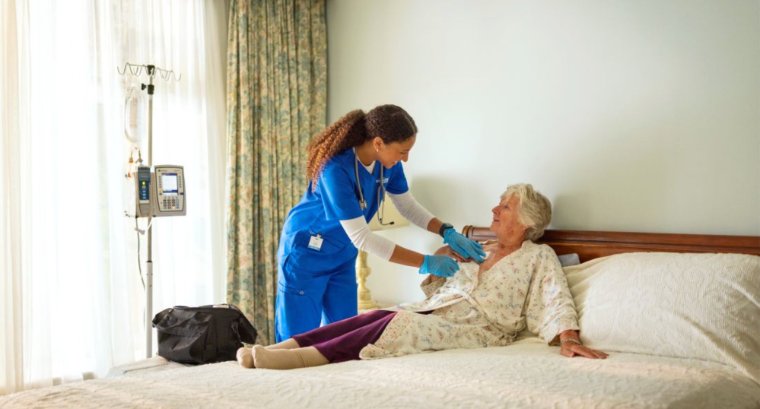
When 24/7 bedside nursing is needed
In some high-acuity cases, families may require continuous RN bedside care (an RN physically present around the clock). That’s a different level of service and depends on medical complexity and goals of care.This post focuses on what most Baltimore families are truly looking for:
24/7 support at home with strong RN clinical leadership and coordination.
The Hidden Risks of “Good Enough” Home Care
When care begins without clinical structure, families end up paying for gaps—sometimes with stress, setbacks, or readmissions.“Good enough” care can mean:
- No nurse reviews the discharge summary
- Medication changes aren’t tracked carefully
- Early warning signs are missed
- Family members become the “care coordinator” by default
- Everyone is reacting instead of preventing
What RN-Led Care Looks Like in Real Life
RN-led care doesn’t mean a nurse is physically in the home every hour of the day. It means your loved one’s care is clinically directed—so the plan is safe, informed, and responsive.Here’s what that includes:
1) A clinical intake (not just scheduling)
We review:- diagnosis, hospital course, discharge instructions
- medications and potential interactions
- fall risk, mobility status, and home setup
- warning signs to watch for based on the condition
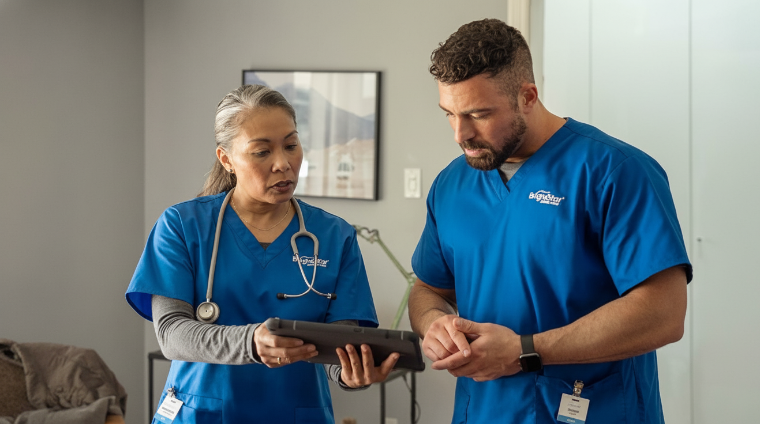
2) An RN-developed plan that caregivers follow
Your RN-led plan guides the caregiver team with clear direction on:
- routines, safety steps, and red flags
- medication support and documentation
- escalation protocols (what to do when something changes)
3) Caregivers trained to observe and report changes
Caregivers are often the ones seeing your loved one hour by hour. The difference is what happens next:
- changes are documented
- concerns are escalated promptly
- an RN reviews the pattern and adjusts the plan
4) Ongoing RN monitoring and coordination
Clinical oversight means:the care plan evolves as recovery evolves
symptoms are watched closely
communication is streamlined between family + providers
5) Coordination with doctors and discharge teams
We communicate with:
- physicians and discharge planners
- PT/OT teams when involved
- family members who need updates and clarity
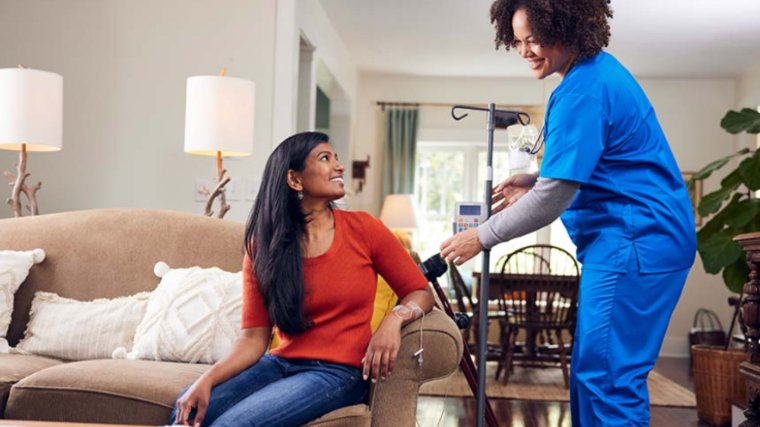
What to Ask Before You Commit to “24/7 RN Care”
If an agency says they provide 24/7 RN care, ask:
- Will an RN be physically present 24/7—or is it RN oversight with caregiver coverage?
- Who completes the clinical assessment?
- How are medications tracked and updated after appointments?
- How are condition changes documented and escalated?
- Who is the RN overseeing the case and how often do they review it?
- What happens after hours when something feels “off”?
Why Baltimore Families Choose RN-Led Support at Home
Families come to us because they want care that is structured, clinically guided, and responsive—especially when the situation feels fragile.With BrightStar Care, families receive:
- RN-led care plans
- caregiver support available 24/7 (when needed)
- clinical oversight, monitoring, and escalation protocols
- coordination after hospital discharge and during recovery
- a team approach that reduces family burnout
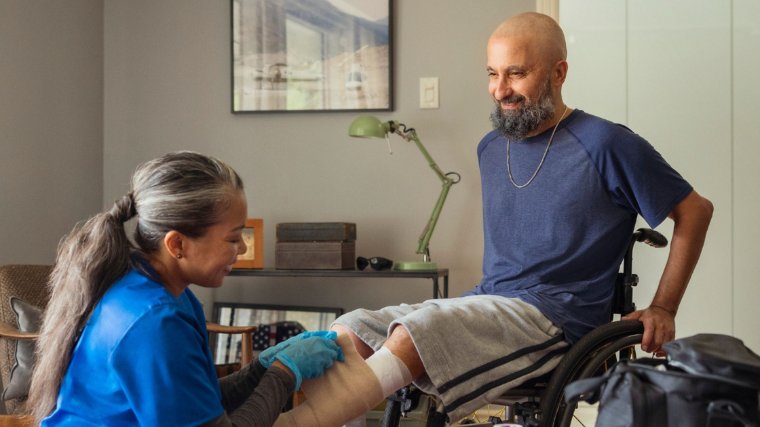
Ready to Talk Through the Right Level of Support?
If your family is exploring private pay, RN-led care after a hospital stay—or because needs have become more complex—we’re here to help you make the right call.Contact BrightStar Care of Baltimore City / County at 443-275-2796 or visit our website to schedule a free consultation. Our address is 6 N Park Dr Suite 110, Cockeysville, MD 21030, United States. We’ll listen, ask the right questions, and help you understand what effective RN care looks like without pressure.
We’ll help you clarify what level of clinical support is truly needed—without pressure.