
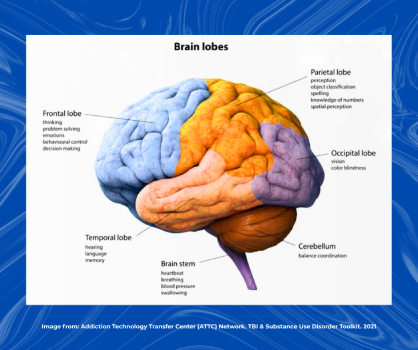
.png "BSC-copy-(1).png")
Brain injuries are more common than many people realize. According to national estimates, approximately one in five U.S. adults report having experienced a brain injury during their lifetime, resulting from causes such as motor vehicle accidents, sports injuries, falls, or stroke (Centers for Disease Control and Prevention [CDC]).
There are two primary categories of brain injury: Acquired Brain Injury (ABI) and Traumatic Brain Injury (TBI).
Acquired Brain Injury (ABI) is defined as brain damage that occurs after birth and is not related to a genetic or congenital condition. This includes injuries caused by stroke, infection, lack of oxygen, or other medical events, but excludes degenerative diseases such as Alzheimer’s or Parkinson’s disease (Brain Injury Association of Michigan).
Traumatic Brain Injury (TBI) refers to brain injury caused by an external force, such as a blow or jolt to the head. These injuries can result from events including falls, motor vehicle accidents, sports injuries, or penetrating injuries, and may involve rapid acceleration, deceleration, or rotational forces (Brain Injury Association of Michigan).
Depending on the type and severity of injury, individuals may experience changes in physical functioning, cognition, and behavioral health. In some cases, this can lead to a need for professional assistance with daily activities.
Research indicates that TBIs are associated with an increased risk of:
- Seizure disorders
- Psychiatric conditions such as depression, anxiety, and post-traumatic stress disorder (PTSD)
- Chronic pain, including headaches
- Earlier cognitive decline
- More severe substance use challenges, particularly among individuals with a history of substance use prior to the injury
According to Lemsky, PhD, ABPP-CN, most individuals recover well from a mild TBI. However, evidence suggests that experiencing one or more TBIs involving loss of consciousness is associated with a significantly higher risk of behavioral health concerns, including problematic substance use.
Studies also suggest that alcohol or drug use following a TBI may negatively affect recovery outcomes. Individuals report increased sensitivity to substances, slowed recovery, and greater impulsivity after injury (Addiction Technology Transfer Center Network).
Following a traumatic brain injury, many individuals require support as they work to regain independence and return to daily routines. Home care services can play an important role in supporting recovery by assisting with personal care, safety, and routine activities.
At BrightStar Care, we provide a range of services, including skilled nursing and companion care, tailored to each client’s needs. Under the supervision of licensed nurses, our caregivers are trained to support individuals living with brain injuries and related challenges.
Sources
- Brain Injury Association of Michigan. Definitions of ABI and TBI. (biami.org)
- Addiction Technology Transfer Center (ATTC) Network. TBI & Substance Use Disorder Toolkit. 2021.
- Centers for Disease Control and Prevention (CDC). Traumatic Brain Injury & Concussion Data and Statistics.