
Spina bifida brings layers of complexity to everyday life, whether you’re a child just starting school or an adult managing work and health with a disability. Independence isn’t one big leap—it’s dozens of daily steps. For families in Columbus, support from in-home caregivers can transform routines, foster real progress, and help people with spina bifida find more control over their environment and health.
The Value of Encouragement in Daily Care
Encouragement, when it’s authentic, isn’t about forced optimism or cheerleading. For people living with spina bifida, it’s about being met where they are and having someone who recognizes progress, no matter how incremental.
Dependable caregivers use encouragement by:
- Offering clear feedback and breaking down routines
- Giving people time to attempt a task before stepping in
- Using setbacks as teaching moments to troubleshoot together
Rather than focusing on the end result, they help clients notice their own improvements, which gradually builds confidence in new skills.
Building Life Skills: Practical Approaches That Make a Difference
Most tasks—getting dressed, managing bladder routines, or learning to navigate the kitchen—require more than a pep talk. Caregivers in Columbus often use these approaches to strengthen independence:
- Step-by-step demonstrations, then gradual release so the person takes the lead
- Adaptive equipment like grab bars, non-slip mats, or specialized kitchen tools
- Establishing a routine: same time, same method, so skills become habits
- Collaborative problem-solving (“What could help you transfer more easily to your chair?”)
- Encouraging use of planners or reminders for medications, meals, or appointments
There’s no universal path—some days are a slog, others bring a sense of achievement. The trick is sticking with it.
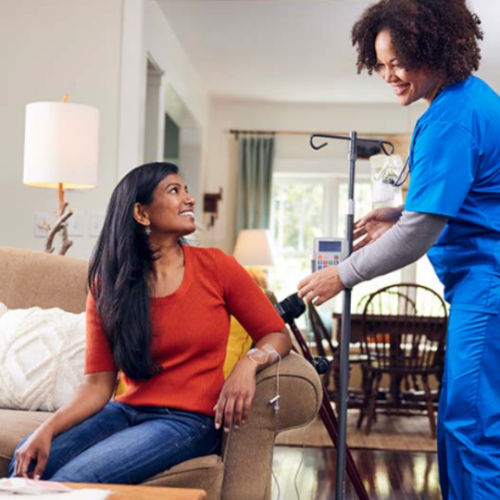
Emotional Encouragement That Doesn’t Sugarcoat
Bad days happen. Maybe the new transfer routine is harder than expected or a complication crops up with skin care. Honest encouragement is about listening, respecting frustration, and acknowledging how tough it can be—while also helping families and clients refocus on what’s possible next.
Caregivers can help by:
- Respecting the person’s goals, not just the family’s
- Checking in with “What’s one thing that felt easier this week?”
- Connecting clients with peer support or accessible social activities
- Making space for downtime and rest
A little compassion, especially when setbacks hit, can restore motivation and resilience.
Adapting Across Ages and Changing Abilities
The kind of encouragement and support needed shifts with age and life stage. For kids, it might mean letting them help set up medical supplies or pick out clothes. Teens might tackle more complex routines, like managing their own appointments or medications (with backup). Adults may want guidance organizing work, accessing community services, or developing new health habits as their needs evolve.
In-home caregivers from BightStar Care of Columbus often re-evaluate routines, gently nudge for more independence where it’s realistic, and advocate for the client’s preferences even as circumstances change.
Tracking Progress: Small Wins, Real Impact
Rather than focusing only on big goals, it helps to mark progress in meaningful, specific ways. Many families keep a shared journal or use a whiteboard to note new skills or everyday “wins.” That could be as simple as remembering to use a mobility aid without being prompted, or learning a new way to prepare a meal.
FAQs
How can encouragement help my family member build more independence with spina bifida?
Consistent, realistic feedback helps them trust their own progress, reduces anxiety about new challenges, and turns small steps into lasting skills.
What types of adaptive support work best at home?
Simple, affordable changes—like installing grab bars or using a visual kitchen timer—can have a big impact. It’s key for caregivers and families to tailor strategies to specific needs and spaces.
How do we avoid frustration and burnout when routines aren’t working?
Be patient with setbacks, ask honest questions, and invite the person with spina bifida to help troubleshoot. Outside support networks or caregiver sharing groups can be a major help as well.
Progress (Not Perfection)
Encouragement doesn’t mean pretending everything is easy. Instead, it’s about sticking with hard routines, adapting strategies over time, and respecting the pace of progress. With honest support, access to adaptive tools, and practical problem-solving, caregivers in Columbus help children and adults with spina bifida strengthen real-world independence—one routine at a time.
We believe in the profound impact that companion care can have on reducing depression and anxiety in seniors. By offering emotional support, companionship, and a calming presence, our caregivers help seniors feel more connected and engaged, improving their overall well-being. Companion care isn’t just about assisting with daily tasks—it’s about enhancing quality of life and providing the emotional support seniors need to thrive.
BrightStar Care of Columbus NW / E is here to provide the resources and support you need to care for your loved one. Contact us today to learn more about caregiving services! Our office is located at 1685 Old Henderson Road, Columbus, OH, 43220. You may also call us at (614) 442-1000.
We look forward to hearing from you!