
September is Alzheimer's and Dementia Awareness Month, and while Alzheimer's disease rightly receives much of the public attention this time of year, it is far from the only form of dementia that families are living with. Vascular dementia is the second most common type, accounting for roughly 10 to 15 percent of dementia cases, and it is one of the least understood.
Families caring for someone with vascular dementia often find that the standard dementia information they encounter does not quite describe what they are seeing. The pattern of decline is different. The triggers are different. The caregiving challenges are different. And the medical picture is more complex, because vascular dementia is tied directly to cardiovascular and cerebrovascular health in ways that Alzheimer's disease is not.
This guide is written for families in Denton, Sherman and surrounding areas who are caring for a loved one with vascular dementia at home. It covers what the condition actually is, how it differs from Alzheimer's, what caregiving looks like in practice, and how BrightStar Care of Denton and Sherman can support your family through it.
Our Alzheimer's and Dementia Services Call 940-432-5555
The most common underlying causes include ischemic strokes, which block blood flow to part of the brain; transient ischemic attacks (TIAs or "mini-strokes"), which cause brief interruptions in blood flow; and small vessel disease, in which the tiny blood vessels deep in the brain become damaged over time, often in association with high blood pressure, diabetes, or high cholesterol. The condition can also occur as a complication of heart disease, atrial fibrillation, or other cardiovascular conditions that affect circulation. Vascular dementia can develop suddenly, immediately following a significant stroke, or gradually, as cumulative damage from small vessel disease or multiple TIAs accumulates over months or years
For families who have read general dementia information or who know someone else with Alzheimer's disease, vascular dementia can feel confusing because the presentation is often quite different.
The pattern of decline is stepwise, not gradual. Alzheimer's disease typically follows a slow, progressive decline. Vascular dementia more commonly follows a stepwise pattern, where the person seems relatively stable for a period and then worsens noticeably following a new vascular event. Families sometimes describe this as the person being "okay, then suddenly much worse" after what may or may not have been a recognized stroke.
Thinking problems are often more pronounced than memory problems early on. In Alzheimer's disease, memory loss is typically the first and most prominent symptom. In vascular dementia, executive function, the ability to plan, organize, make decisions, and follow multistep tasks, is often more severely affected early on than memory. The person may remember conversations and events relatively well while struggling to manage their finances, follow a recipe, or make decisions about everyday situations.
Physical symptoms are more prominent. Because vascular dementia is tied to strokes and cerebrovascular disease, physical symptoms are more commonly present alongside cognitive ones. These can include weakness or numbness on one side of the body, gait disturbances and balance problems, bladder control issues, slowed movement, and difficulty with swallowing. The physical dimension of vascular dementia often makes caregiving more physically demanding than Alzheimer's caregiving.
Mood and behavioral changes are common and specific. Depression is particularly common in vascular dementia, more so than in Alzheimer's disease, and it is thought to be both a psychological response to the condition and a direct neurological consequence of the brain changes involved. Emotional lability, inappropriate crying or laughing, apathy, and personality changes are also frequently reported by families.
Cardiovascular risk factors matter. Because vascular dementia is driven by damage to blood vessels, managing the underlying cardiovascular risk factors, blood pressure, blood sugar, cholesterol, atrial fibrillation, and smoking, can slow the rate of progression in a way that is not possible with Alzheimer's disease. This makes medical management an active part of care rather than purely supportive.
Our Alzheimer's and Dementia Services Call 940-432-5555
Medication management is critical and complex. People with vascular dementia are typically managing multiple medications for their underlying cardiovascular conditions, blood pressure medications, anticoagulants, diabetes medications, and sometimes cognitive symptoms. Getting medications taken correctly and consistently is both important and difficult when the person has cognitive impairment. Medication errors in this population can directly worsen the underlying condition.
Physical safety requires active attention. The gait disturbances, balance problems, and physical weakness that accompany vascular dementia significantly elevate fall risk. Home safety modifications, supervision during mobility, and appropriate assistive equipment are not optional. Falls in this population, as in any older adult population, can be catastrophic.
Structured daily routine reduces behavioral symptoms. The cognitive and behavioral symptoms of vascular dementia, including apathy, emotional lability, and confusion, are generally better managed with a predictable, structured daily routine. Consistency in timing for meals, activities, personal care, and rest reduces the cognitive load on the person and the frequency of difficult behavioral episodes.
Depression needs to be recognized and addressed. Depression in vascular dementia is underdiagnosed and undertreated, partly because its symptoms overlap with the cognitive and motivational symptoms of dementia itself. Apathy, withdrawal, loss of interest, and reduced activity can look like dementia progression when they are actually depression that is treatable. If a loved one seems more withdrawn or sad than their cognitive decline alone would explain, this warrants a conversation with their physician.
Caregiver fatigue is significant. The combined physical and cognitive demands of vascular dementia caregiving are substantial. Many family caregivers find that the physical care demands, particularly if the person has weakness, balance problems, or incontinence, come on top of the cognitive and behavioral caregiving they expected. The result is a caregiving burden that is higher than many families anticipated.
BrightStar Care of Denton and Sherman provides both skilled nursing and non-medical caregiving services for people with vascular dementia and their families throughout Denton, Sherman, and the surrounding area.
Skilled nursing care is particularly relevant to vascular dementia because of the medical complexity involved. Our registered nurses provide medication management visits that address the complex multi-medication regimens this population typically carries, including monitoring for medication effects and communicating concerns to the treating physician. We also provide blood pressure monitoring, wound care when relevant, and coordination with the physician around the cardiovascular health management that influences disease progression.
Non-medical caregiving addresses the daily support needs that allow someone with vascular dementia to remain safely at home. This includes personal care assistance, meal preparation and supervision, mobility assistance and fall prevention support, structured daily routines, and companionship that addresses the social isolation and depression that are common features of the condition.
Consistent caregiver assignment matters particularly in vascular dementia, where the person's reduced executive function and emotional lability make adapting to new faces and routines difficult. We prioritize caregiver consistency so that familiar faces and predictable interactions become part of the stabilizing routine rather than a source of confusion.
Respite for family caregivers is available for families who need relief from the demanding physical and cognitive work of vascular dementia caregiving. Whether you need a few hours of relief each week or a longer respite period, we can provide consistent, trained caregiver coverage so that family members can rest.
Our Alzheimer's and Dementia Services Call 940-432-5555

This does not reverse what has already occurred. But it means that the quality of medical management genuinely matters in a way that goes beyond comfort. Families who ensure that their loved one's cardiovascular risk factors are well controlled, that medications are taken correctly and consistently, and that any new stroke symptoms are recognized and acted on promptly are actively participating in their loved one's disease management, not just their daily care.
BrightStar Care of Denton works alongside the medical team to support this. Our skilled nursing oversight helps keep the medical picture visible and managed, even on the days when the primary care physician is not present.
BrightStar Care of Denton provides skilled nursing and non-medical home care services for adults throughout Denton, Sherman, and surrounding communities. To speak with a care coordinator about support for your loved one this September, contact our office today.
Contact Us for a Free Consultation:
Phone: 940-432-5555
Address: 1300 Fulton St Suite 300B, Denton, TX 76201, United States
Visit Us Online: BrightStar Care of Denton & Sherman, TX
Families caring for someone with vascular dementia often find that the standard dementia information they encounter does not quite describe what they are seeing. The pattern of decline is different. The triggers are different. The caregiving challenges are different. And the medical picture is more complex, because vascular dementia is tied directly to cardiovascular and cerebrovascular health in ways that Alzheimer's disease is not.
This guide is written for families in Denton, Sherman and surrounding areas who are caring for a loved one with vascular dementia at home. It covers what the condition actually is, how it differs from Alzheimer's, what caregiving looks like in practice, and how BrightStar Care of Denton and Sherman can support your family through it.
Our Alzheimer's and Dementia Services Call 940-432-5555
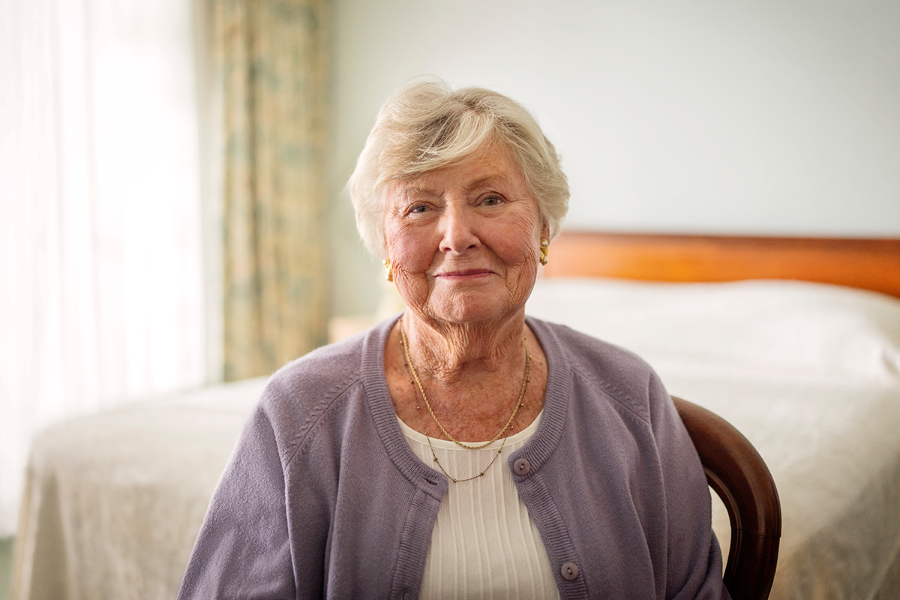
What Vascular Dementia Actually Is
Vascular dementia is cognitive decline caused by reduced or interrupted blood flow to the brain. When brain tissue is deprived of oxygen and nutrients, whether through a stroke, a series of small strokes, or chronic small vessel disease, it sustains damage that affects thinking, memory, and function.The most common underlying causes include ischemic strokes, which block blood flow to part of the brain; transient ischemic attacks (TIAs or "mini-strokes"), which cause brief interruptions in blood flow; and small vessel disease, in which the tiny blood vessels deep in the brain become damaged over time, often in association with high blood pressure, diabetes, or high cholesterol. The condition can also occur as a complication of heart disease, atrial fibrillation, or other cardiovascular conditions that affect circulation. Vascular dementia can develop suddenly, immediately following a significant stroke, or gradually, as cumulative damage from small vessel disease or multiple TIAs accumulates over months or years
How Vascular Dementia Differs From Alzheimer's Disease
For families who have read general dementia information or who know someone else with Alzheimer's disease, vascular dementia can feel confusing because the presentation is often quite different.The pattern of decline is stepwise, not gradual. Alzheimer's disease typically follows a slow, progressive decline. Vascular dementia more commonly follows a stepwise pattern, where the person seems relatively stable for a period and then worsens noticeably following a new vascular event. Families sometimes describe this as the person being "okay, then suddenly much worse" after what may or may not have been a recognized stroke.
Thinking problems are often more pronounced than memory problems early on. In Alzheimer's disease, memory loss is typically the first and most prominent symptom. In vascular dementia, executive function, the ability to plan, organize, make decisions, and follow multistep tasks, is often more severely affected early on than memory. The person may remember conversations and events relatively well while struggling to manage their finances, follow a recipe, or make decisions about everyday situations.
Physical symptoms are more prominent. Because vascular dementia is tied to strokes and cerebrovascular disease, physical symptoms are more commonly present alongside cognitive ones. These can include weakness or numbness on one side of the body, gait disturbances and balance problems, bladder control issues, slowed movement, and difficulty with swallowing. The physical dimension of vascular dementia often makes caregiving more physically demanding than Alzheimer's caregiving.
Mood and behavioral changes are common and specific. Depression is particularly common in vascular dementia, more so than in Alzheimer's disease, and it is thought to be both a psychological response to the condition and a direct neurological consequence of the brain changes involved. Emotional lability, inappropriate crying or laughing, apathy, and personality changes are also frequently reported by families.
Cardiovascular risk factors matter. Because vascular dementia is driven by damage to blood vessels, managing the underlying cardiovascular risk factors, blood pressure, blood sugar, cholesterol, atrial fibrillation, and smoking, can slow the rate of progression in a way that is not possible with Alzheimer's disease. This makes medical management an active part of care rather than purely supportive.
Our Alzheimer's and Dementia Services Call 940-432-5555
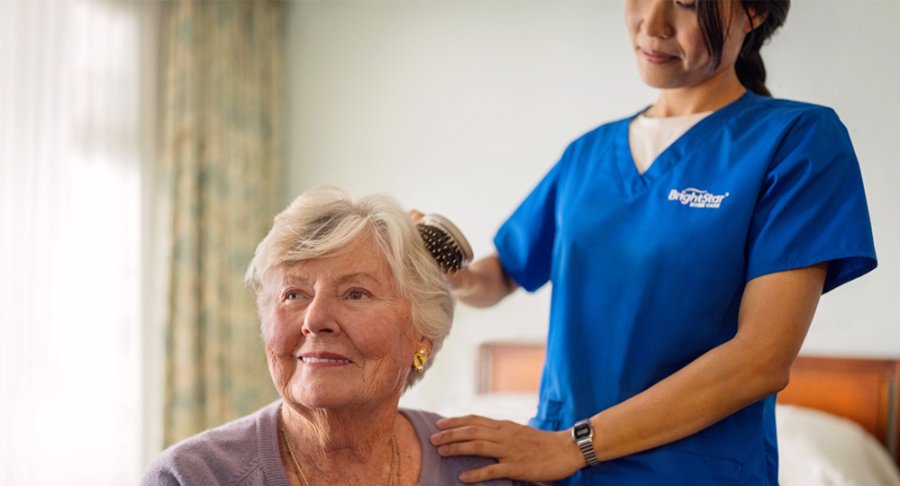
The Caregiving Picture at Home
Caring for someone with vascular dementia at home involves managing both the cognitive and the physical dimensions of the condition, while also attending to the cardiovascular health factors that influence how quickly it progresses. That is a complex caregiving picture, and families who try to manage it without support often find themselves stretched thin quickly.Medication management is critical and complex. People with vascular dementia are typically managing multiple medications for their underlying cardiovascular conditions, blood pressure medications, anticoagulants, diabetes medications, and sometimes cognitive symptoms. Getting medications taken correctly and consistently is both important and difficult when the person has cognitive impairment. Medication errors in this population can directly worsen the underlying condition.
Physical safety requires active attention. The gait disturbances, balance problems, and physical weakness that accompany vascular dementia significantly elevate fall risk. Home safety modifications, supervision during mobility, and appropriate assistive equipment are not optional. Falls in this population, as in any older adult population, can be catastrophic.
Structured daily routine reduces behavioral symptoms. The cognitive and behavioral symptoms of vascular dementia, including apathy, emotional lability, and confusion, are generally better managed with a predictable, structured daily routine. Consistency in timing for meals, activities, personal care, and rest reduces the cognitive load on the person and the frequency of difficult behavioral episodes.
Depression needs to be recognized and addressed. Depression in vascular dementia is underdiagnosed and undertreated, partly because its symptoms overlap with the cognitive and motivational symptoms of dementia itself. Apathy, withdrawal, loss of interest, and reduced activity can look like dementia progression when they are actually depression that is treatable. If a loved one seems more withdrawn or sad than their cognitive decline alone would explain, this warrants a conversation with their physician.
Caregiver fatigue is significant. The combined physical and cognitive demands of vascular dementia caregiving are substantial. Many family caregivers find that the physical care demands, particularly if the person has weakness, balance problems, or incontinence, come on top of the cognitive and behavioral caregiving they expected. The result is a caregiving burden that is higher than many families anticipated.
How BrightStar Care of Denton, Sherman and Surrounding Areas Supports Families With Vascular Dementia
BrightStar Care of Denton and Sherman provides both skilled nursing and non-medical caregiving services for people with vascular dementia and their families throughout Denton, Sherman, and the surrounding area.Skilled nursing care is particularly relevant to vascular dementia because of the medical complexity involved. Our registered nurses provide medication management visits that address the complex multi-medication regimens this population typically carries, including monitoring for medication effects and communicating concerns to the treating physician. We also provide blood pressure monitoring, wound care when relevant, and coordination with the physician around the cardiovascular health management that influences disease progression.
Non-medical caregiving addresses the daily support needs that allow someone with vascular dementia to remain safely at home. This includes personal care assistance, meal preparation and supervision, mobility assistance and fall prevention support, structured daily routines, and companionship that addresses the social isolation and depression that are common features of the condition.
Consistent caregiver assignment matters particularly in vascular dementia, where the person's reduced executive function and emotional lability make adapting to new faces and routines difficult. We prioritize caregiver consistency so that familiar faces and predictable interactions become part of the stabilizing routine rather than a source of confusion.
Respite for family caregivers is available for families who need relief from the demanding physical and cognitive work of vascular dementia caregiving. Whether you need a few hours of relief each week or a longer respite period, we can provide consistent, trained caregiver coverage so that family members can rest.
Our Alzheimer's and Dementia Services Call 940-432-5555
A Note on Slowing Progression
One thing that sets vascular dementia apart from most other dementias is that its progression is partly modifiable. Managing blood pressure, blood sugar, and cholesterol tightly, ensuring medication adherence, and avoiding additional vascular events through both medical management and lifestyle factors can slow the rate of new brain damage.This does not reverse what has already occurred. But it means that the quality of medical management genuinely matters in a way that goes beyond comfort. Families who ensure that their loved one's cardiovascular risk factors are well controlled, that medications are taken correctly and consistently, and that any new stroke symptoms are recognized and acted on promptly are actively participating in their loved one's disease management, not just their daily care.
BrightStar Care of Denton works alongside the medical team to support this. Our skilled nursing oversight helps keep the medical picture visible and managed, even on the days when the primary care physician is not present.
Frequently Asked Questions
Q: My parent was recently diagnosed with vascular dementia after a stroke. How quickly should we expect things to change?
The trajectory after a stroke-related vascular dementia diagnosis varies considerably depending on the severity of the stroke, the person's underlying cardiovascular health, and how well risk factors are managed going forward. Some people stabilize relatively well after an initial event and remain fairly stable for months or years with good medical management. Others experience additional events that produce stepwise decline. What matters most immediately after a diagnosis is getting the medical management optimized, ensuring medications are taken correctly, and making the home environment as safe as possible. A care planning conversation with the treating neurologist or geriatrician is a good early step for understanding what to expect in your specific situation.Q: How do we know when in-home care is no longer enough and a higher level of care is needed?
The threshold is usually reached when the person's safety cannot be reliably maintained at home, even with significant caregiver support. This typically involves some combination of severe mobility impairment that requires two-person transfers, significant swallowing difficulties that pose aspiration risk, severe behavioral symptoms that cannot be safely managed, or a level of physical care need that exceeds what can be sustainably provided at home. There is no universal threshold, and many families with robust in-home care support are able to maintain their loved one at home longer than they initially expected. A care coordinator at BrightStar Care of Denton can help families think through this honestly and practically.Q: Is vascular dementia hereditary?
Vascular dementia itself is not directly inherited the way some rare forms of dementia are. However, the cardiovascular risk factors that cause it, including high blood pressure, diabetes, and heart disease, do have genetic components. Family members of someone with vascular dementia have an elevated risk of the same cardiovascular conditions and should prioritize managing their own cardiovascular health, including regular blood pressure monitoring, blood sugar management, and cardiovascular risk reduction.BrightStar Care of Denton provides skilled nursing and non-medical home care services for adults throughout Denton, Sherman, and surrounding communities. To speak with a care coordinator about support for your loved one this September, contact our office today.
Contact Us for a Free Consultation:
Phone: 940-432-5555
Address: 1300 Fulton St Suite 300B, Denton, TX 76201, United States
Visit Us Online: BrightStar Care of Denton & Sherman, TX