
January often arrives with quiet mornings, chilly weather, and shorter days. After the rush of holiday gatherings, many seniors suddenly find themselves spending more time alone — and that shift can have a real impact on emotional well-being.
It’s common for older adults to feel a little lonely or disconnected this time of year, especially when family routines pick up again, adult children return to work, and winter weather limits outings. But the good news is that meaningful support doesn’t always come from medical care. Sometimes, companionship is the care that matters most.
The post-holiday slowdown can create a sudden sense of isolation. Schedules quiet down, visits become less frequent, and the cold weather makes it harder to stay active or social. These changes may lead to:

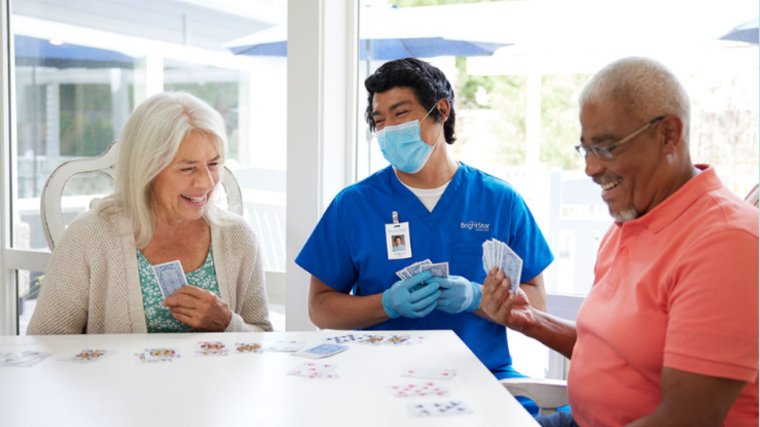
Companion caregivers offer much more than help — they bring presence, conversation, and uplifting moments that restore energy and joy. Here’s how they make a difference:
If so, companion care may be exactly what they need to feel supported, connected, and uplifted through the winter season.
The January blues are real — but no one needs to face them alone. Compassion, conversation, and consistent companionship can transform a quiet winter into a season of comfort and connection.
If you’re noticing changes in your loved one’s mood, routine, or energy, companion care can be a gentle and meaningful way to help them feel like themselves again.
BrightStar Care of Fredericksburg is here to provide the resources and support you need to care for your loved one. Contact us today to learn more about caregiving services! Our office is located at 4820 Southpoint Dr # 101, Fredericksburg, VA 22407. You may also call us at (540) 376-3131.
We look forward to helping your loved one stay safe - no matter the hour!

It’s common for older adults to feel a little lonely or disconnected this time of year, especially when family routines pick up again, adult children return to work, and winter weather limits outings. But the good news is that meaningful support doesn’t always come from medical care. Sometimes, companionship is the care that matters most.
Why January Feels Especially Tough for Seniors
The post-holiday slowdown can create a sudden sense of isolation. Schedules quiet down, visits become less frequent, and the cold weather makes it harder to stay active or social. These changes may lead to:
- Increased feelings of loneliness
- Low motivation
- Reduced movement or exercise
- Disrupted routines
- Emotional or mental fatigue
How Companion Care Brings Light Into Winter Days
Companion caregivers offer much more than help — they bring presence, conversation, and uplifting moments that restore energy and joy. Here’s how they make a difference:
Providing Conversation & Genuine Social Connection
A friendly voice, a listening ear, and regular conversation can brighten a senior’s day instantly. Social engagement helps stimulate the mind, reduce feelings of isolation, and remind seniors that someone is truly there for them.Encouraging Activities, Movement & Hobbies
From puzzle books and knitting to stretching, chair exercises, or simply sitting on the porch for some fresh air — companion caregivers help seniors stay engaged in ways that feel enjoyable and doable.Helping With Errands & Appointments
Winter weather can make travel tough. Having someone to accompany your loved one to the grocery store, pharmacy, or doctor appointment adds safety, confidence, and peace of mind.Bringing Consistency & Joy Back Into Daily Life
Regular visits create structure, comfort, and familiarity — all essential for emotional stability during the slower winter months. Even small routines, like sharing morning coffee, can make each day feel purposeful.A Moment to Reflect
Has your loved one been spending more time alone lately?If so, companion care may be exactly what they need to feel supported, connected, and uplifted through the winter season.
Contact BrightStar Care of Fredericksburg!
The January blues are real — but no one needs to face them alone. Compassion, conversation, and consistent companionship can transform a quiet winter into a season of comfort and connection.If you’re noticing changes in your loved one’s mood, routine, or energy, companion care can be a gentle and meaningful way to help them feel like themselves again.
BrightStar Care of Fredericksburg is here to provide the resources and support you need to care for your loved one. Contact us today to learn more about caregiving services! Our office is located at 4820 Southpoint Dr # 101, Fredericksburg, VA 22407. You may also call us at (540) 376-3131.
We look forward to helping your loved one stay safe - no matter the hour!