
For a senior managing one or more chronic conditions, a hospitalization is rarely just an inconvenience. It is a disruption that carries real clinical risk exposure to hospital-acquired infections, the disorientation of an unfamiliar environment, the physical and cognitive decline that often follows a period of immobility and institutional care, and the challenge of a discharge that sends a person home less stable than they were before the admission.
What many families do not realize is how often these hospitalizations are preventable. Research consistently shows that a significant proportion of hospital admissions among older adults particularly those with chronic conditions are attributable to factors that could have been identified and addressed before they escalated to a crisis: a medication that was missed or taken incorrectly, a change in condition that went unnoticed for too long, a fall that could have been prevented with a safer home environment, a chronic condition that was inadequately managed between physician appointments.
For seniors in Gilbert, Mesa, Chandler, Queen Creek, and throughout the East Valley, the combination of Arizona's extreme summer heat, the risk of dehydration, and the complexity of managing chronic illness makes this particularly relevant. This post is for families who want to be proactive who want to understand what actually prevents hospitalizations and how to build a care plan around that goal.
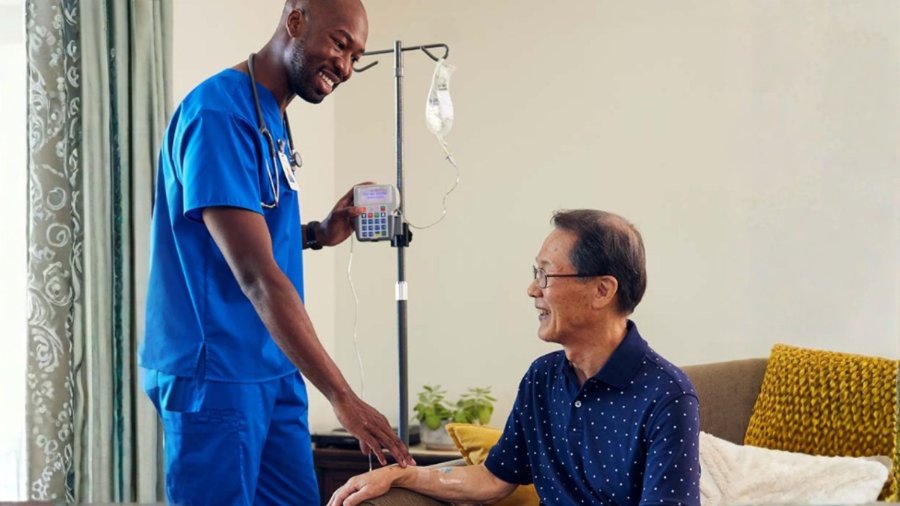
A senior living with a single well-managed chronic condition faces a meaningfully different risk profile than one managing multiple conditions simultaneously and a very different profile than one whose conditions are not being consistently monitored and managed.
Chronic conditions do not stay static. Heart failure can decompensate. COPD can worsen with changes in air quality, exertion, or respiratory infection. Diabetes requires consistent monitoring and medication management to avoid both hypoglycemic events and the longer-term complications of poorly controlled blood sugar. Chronic kidney disease progresses in ways that affect medication tolerability and fluid balance. Each of these conditions has a trajectory, and that trajectory is influenced heavily by what happens between medical appointments the daily habits, the medication adherence, the diet, the activity level, and the presence or absence of someone who notices when something has changed.
For many seniors living alone or with family caregivers who are not medically trained, that monitoring gap is where hospitalizations originate. Not from sudden catastrophic events, but from slow-building changes that were not caught early enough.
Call Us Today Visit Our Website
Understanding what actually sends seniors to the hospital is the starting point for preventing it.
Seniors managing multiple chronic conditions are typically managing multiple medications, sometimes a dozen or more. The complexity of that regimen, combined with the cognitive changes that can accompany aging, makes medication errors common even among people who are genuinely trying to manage their health carefully.
A skilled nurse who visits regularly to review medications, confirm adherence, assess for side effects, and communicate with the prescribing physician about concerns is one of the most effective interventions available for reducing medication-related hospitalizations.
Dehydration is a serious and underrecognized driver of acute illness in older adults, and in the East Valley's climate where summer temperatures routinely exceed 110 degrees it is a year-round concern for seniors whose sense of thirst diminishes with age and whose medications may increase fluid loss.
Dehydration contributes directly to hospitalizations through urinary tract infections, kidney dysfunction, falls related to dizziness and orthostatic hypotension, and the worsening of existing chronic conditions. A senior who drinks too little fluid over several days may appear increasingly confused, weak, or unwell in ways that escalate quickly.
Caregivers who monitor fluid intake, encourage consistent hydration throughout the day, and recognize the early signs of dehydration provide a simple but clinically meaningful layer of protection.
Many hospitalizations that appear sudden are not actually sudden; they are the endpoint of a gradual deterioration that was not caught early enough. A senior with heart failure who gains three pounds over three days due to fluid retention is showing a warning sign that, if recognized and reported to their cardiologist, can typically be managed with a medication adjustment. If it goes unnoticed for a week, it may result in a hospitalization for acute decompensated heart failure.
The ability to recognize meaningful changes in a senior's condition changes in weight, vital signs, breathing, energy level, skin color, appetite, urinary output, and mental status requires both clinical knowledge and consistent presence. Family members who see their loved one daily can sometimes miss gradual changes that a trained clinical eye would catch. A skilled nurse who conducts regular assessments and compares findings to baseline is positioned to identify these changes at a point when intervention is still straightforward.
For seniors with chronic conditions that affect balance, strength, vision, or cognition Parkinson's disease, diabetic neuropathy, heart failure, dementia fall risk is elevated and requires active, specific management rather than general caution.
When a chronic condition is not adequately managed when blood pressure is consistently elevated, blood sugar is out of range, or oxygen saturation is chronically low the risk of an acute event increases over time. Regular monitoring, consistent communication with the treating physician, and adherence to the prescribed care plan are the foundations of chronic disease management at home.
Call Us Today Visit Our Website
At BrightStar Care of Gilbert / Mesa, our skilled nurses conduct thorough assessments at each visit and maintain communication with the client's treating physicians, ensuring that the care team has current, accurate information about the client's status between appointments. When a nurse observes something concerning, they do not wait for the next scheduled appointment — they communicate it promptly.
Medication management by a skilled nurse reviewing the medication list, confirming adherence, assessing for side effects, identifying potential interactions, and coordinating with prescribing physicians when adjustments are needed is one of the highest-value interventions for preventing medication-related hospitalizations.
For seniors who are not yet receiving skilled nursing visits, structured support systems such as pill organizers, automated dispensers, and caregiver medication reminders can reduce missed doses, though they do not replace the clinical assessment that a skilled nurse provides.
A professional caregiver who is present consistently who knows the client's baseline, notices when something is off, and can respond appropriately when it is provides a safety net that family members, even dedicated ones, cannot always maintain on their own.
For families in the Gilbert and Mesa area managing the added challenge of extreme summer heat, a caregiver who ensures the home is adequately cooled, who monitors fluid intake, who prevents the door-to-car-to-supermarket-in-110-degree-heat routine that puts frail seniors at serious risk, is providing something with genuine clinical value.
Malnutrition and dehydration are both preventable and both contribute to hospitalization risk in seniors with chronic conditions. A caregiver who assists with meal preparation, monitors intake, and ensures that a senior is eating and drinking adequately provides a practical layer of protection against these risks.
For seniors with conditions that affect appetite, heart failure, chronic kidney disease, cancer, advanced dementia nutritional support is often a specific clinical priority, not simply a matter of comfort.
An active fall prevention plan includes home safety assessment and modification removing trip hazards, improving lighting, adding grab bars and non-slip surfaces, ensuring that assistive devices are appropriate and in good condition alongside caregiver support during high-risk activities and regular review of medications that affect balance or blood pressure.
For seniors recovering from a fall or identified as high fall risk, physical therapy evaluation, which can sometimes be coordinated through the client's physician, may provide specific recommendations that reduce risk significantly.
Hospitalizations are often preceded by a failure of communication a change in condition that was noticed but not reported, a medication concern that was not raised, a symptom that was minimized rather than flagged. A care team that includes a skilled nurse as a consistent communicator between the client and the treating physicians creates a channel through which concerns move quickly rather than accumulating until they become crises.
Call Us Today Visit Our Website
Seniors in Gilbert and Mesa face a specific environmental risk that families in more temperate climates do not. Extreme heat particularly during the extended summer months when temperatures can exceed 115 degrees poses a serious and direct risk to seniors with chronic conditions, many of whom are on medications that impair heat tolerance (diuretics, beta-blockers, anticholinergics) and whose ability to thermoregulate is already diminished by age.
Heat-related illness, dehydration, and the worsening of cardiovascular and renal conditions during extreme heat events are all preventable with adequate hydration, cool indoor environments, and avoidance of outdoor activity during peak heat hours. A caregiver who is present and attentive during these periods provides a meaningful layer of protection for seniors who may not reliably recognize their own heat-related distress.
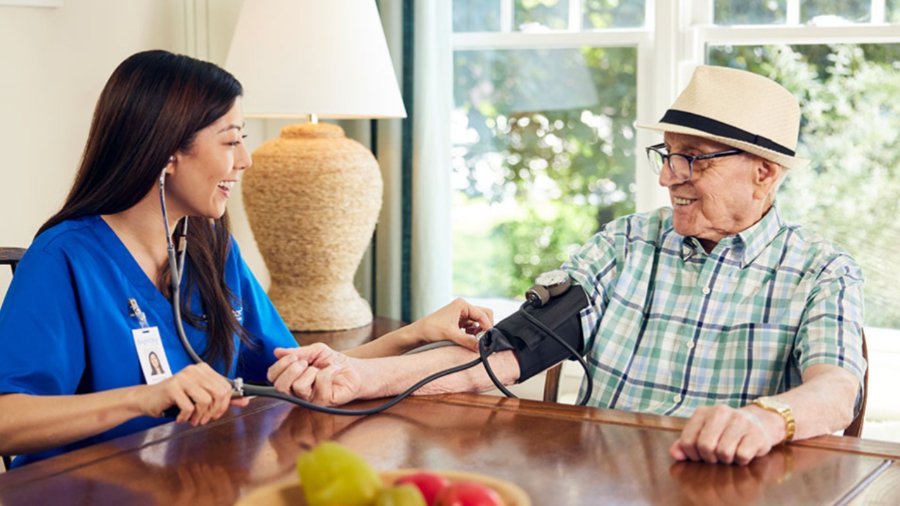
At BrightStar Care of Gilbert / Mesa, we provide both skilled nursing and non-medical home care for seniors with chronic conditions throughout Gilbert, Mesa, Chandler, Queen Creek, Apache Junction, and surrounding East Valley communities.
Our care model is built around the principle that consistent, high-quality care at home is the most effective alternative to the hospital. Our skilled nurses conduct thorough clinical assessments, manage medications, communicate with treating physicians, and monitor for the early signs of deterioration that, if caught in time, can be addressed without an emergency room visit.
Our non-medical caregivers provide the consistent daily presence that keeps a senior safe, hydrated, nourished, and supported between nursing visits and that gives families the confidence of knowing someone is there and paying attention.
If your loved one is managing chronic conditions and you are looking for a care plan that is genuinely focused on keeping them at home and out of the hospital, we would like to be part of that conversation.
A skilled nurse who visits regularly conducts thorough clinical assessments, reviews medications for adherence and safety, monitors vital signs and condition-specific indicators, and communicates with the treating physician team when changes are observed. This consistent clinical presence fills the monitoring gap that exists between physician appointments and enables early intervention at a point when problems can typically be addressed with a medication adjustment or a physician call rather than an emergency room visit.
Family caregivers can reduce hospitalization risk by monitoring fluid intake and encouraging consistent hydration, ensuring medications are taken correctly and on schedule, watching for meaningful changes in the senior's condition and reporting them promptly to the physician, maintaining a fall-safe home environment, and ensuring consistent follow-up with the senior's medical team. When the clinical complexity of a senior's conditions exceeds what a family caregiver can safely monitor and manage, adding skilled nursing visits is the most effective way to fill that gap.
Contact BrightStar Care of Gilbert/Mesa:
Phone: 480-898-0880
Address: 1223 South Clearview Avenue, Suite 110, Mesa, AZ, 85209
Visit Us Online: BrightStar Care of Mesa / Gilbert
BrightStar Care of Gilbert / Mesa provides skilled nursing and non-medical home care services for seniors with chronic conditions throughout Gilbert, Mesa, Chandler, Queen Creek, Apache Junction, and surrounding East Valley communities. To speak with a care coordinator about preventing hospitalizations and building a home care plan around your loved one's chronic conditions, contact our office today.
What many families do not realize is how often these hospitalizations are preventable. Research consistently shows that a significant proportion of hospital admissions among older adults particularly those with chronic conditions are attributable to factors that could have been identified and addressed before they escalated to a crisis: a medication that was missed or taken incorrectly, a change in condition that went unnoticed for too long, a fall that could have been prevented with a safer home environment, a chronic condition that was inadequately managed between physician appointments.
For seniors in Gilbert, Mesa, Chandler, Queen Creek, and throughout the East Valley, the combination of Arizona's extreme summer heat, the risk of dehydration, and the complexity of managing chronic illness makes this particularly relevant. This post is for families who want to be proactive who want to understand what actually prevents hospitalizations and how to build a care plan around that goal.
Why Seniors With Chronic Conditions Are at Higher Risk
A senior living with a single well-managed chronic condition faces a meaningfully different risk profile than one managing multiple conditions simultaneously and a very different profile than one whose conditions are not being consistently monitored and managed.Chronic conditions do not stay static. Heart failure can decompensate. COPD can worsen with changes in air quality, exertion, or respiratory infection. Diabetes requires consistent monitoring and medication management to avoid both hypoglycemic events and the longer-term complications of poorly controlled blood sugar. Chronic kidney disease progresses in ways that affect medication tolerability and fluid balance. Each of these conditions has a trajectory, and that trajectory is influenced heavily by what happens between medical appointments the daily habits, the medication adherence, the diet, the activity level, and the presence or absence of someone who notices when something has changed.
For many seniors living alone or with family caregivers who are not medically trained, that monitoring gap is where hospitalizations originate. Not from sudden catastrophic events, but from slow-building changes that were not caught early enough.
Call Us Today Visit Our Website
The Most Common Preventable Causes of Hospitalization in Seniors
Understanding what actually sends seniors to the hospital is the starting point for preventing it.
Medication Errors and Non-Adherence
Medication-related problems are among the leading causes of preventable hospitalization in older adults. The issues are varied: missed doses, incorrect dosing, taking medications at the wrong time, taking medications that interact dangerously with each other, and stopping medications prematurely because of side effects or cost.Seniors managing multiple chronic conditions are typically managing multiple medications, sometimes a dozen or more. The complexity of that regimen, combined with the cognitive changes that can accompany aging, makes medication errors common even among people who are genuinely trying to manage their health carefully.
A skilled nurse who visits regularly to review medications, confirm adherence, assess for side effects, and communicate with the prescribing physician about concerns is one of the most effective interventions available for reducing medication-related hospitalizations.
Dehydration
Dehydration is a serious and underrecognized driver of acute illness in older adults, and in the East Valley's climate where summer temperatures routinely exceed 110 degrees it is a year-round concern for seniors whose sense of thirst diminishes with age and whose medications may increase fluid loss.Dehydration contributes directly to hospitalizations through urinary tract infections, kidney dysfunction, falls related to dizziness and orthostatic hypotension, and the worsening of existing chronic conditions. A senior who drinks too little fluid over several days may appear increasingly confused, weak, or unwell in ways that escalate quickly.
Caregivers who monitor fluid intake, encourage consistent hydration throughout the day, and recognize the early signs of dehydration provide a simple but clinically meaningful layer of protection.
Unrecognized Changes in Condition
Many hospitalizations that appear sudden are not actually sudden; they are the endpoint of a gradual deterioration that was not caught early enough. A senior with heart failure who gains three pounds over three days due to fluid retention is showing a warning sign that, if recognized and reported to their cardiologist, can typically be managed with a medication adjustment. If it goes unnoticed for a week, it may result in a hospitalization for acute decompensated heart failure.The ability to recognize meaningful changes in a senior's condition changes in weight, vital signs, breathing, energy level, skin color, appetite, urinary output, and mental status requires both clinical knowledge and consistent presence. Family members who see their loved one daily can sometimes miss gradual changes that a trained clinical eye would catch. A skilled nurse who conducts regular assessments and compares findings to baseline is positioned to identify these changes at a point when intervention is still straightforward.
Falls
Falls are the leading cause of injury-related hospitalization in adults over 65, and a significant proportion of serious falls are preventable with appropriate home safety modifications, assistive devices, and caregiver support during high-risk activities such as transfers, bathing, and nighttime mobility.For seniors with chronic conditions that affect balance, strength, vision, or cognition Parkinson's disease, diabetic neuropathy, heart failure, dementia fall risk is elevated and requires active, specific management rather than general caution.
Poorly Managed Chronic Conditions
When a chronic condition is not adequately managed when blood pressure is consistently elevated, blood sugar is out of range, or oxygen saturation is chronically low the risk of an acute event increases over time. Regular monitoring, consistent communication with the treating physician, and adherence to the prescribed care plan are the foundations of chronic disease management at home.Call Us Today Visit Our Website
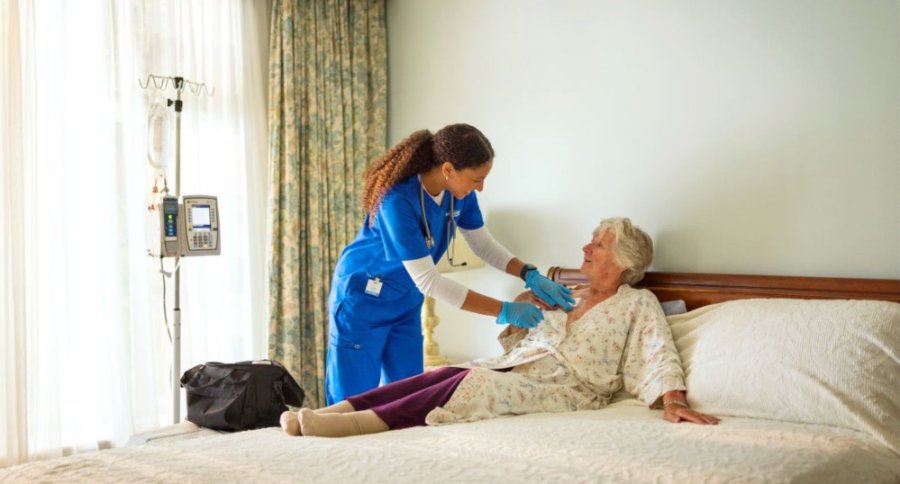
What Prevents Hospitalizations: A Practical Framework
Regular Skilled Nursing Assessment
For seniors with significant chronic conditions, regular skilled nursing visits at home provide the clinical oversight that makes early detection and early intervention possible. A registered nurse who visits weekly or biweekly assessing vital signs, reviewing medications, examining the client, and communicating with the physician team provides a layer of clinical monitoring that cannot be replicated by family caregivers or by a physician who sees the patient every few months.At BrightStar Care of Gilbert / Mesa, our skilled nurses conduct thorough assessments at each visit and maintain communication with the client's treating physicians, ensuring that the care team has current, accurate information about the client's status between appointments. When a nurse observes something concerning, they do not wait for the next scheduled appointment — they communicate it promptly.
Medication Management Support
Medication management by a skilled nurse reviewing the medication list, confirming adherence, assessing for side effects, identifying potential interactions, and coordinating with prescribing physicians when adjustments are needed is one of the highest-value interventions for preventing medication-related hospitalizations.For seniors who are not yet receiving skilled nursing visits, structured support systems such as pill organizers, automated dispensers, and caregiver medication reminders can reduce missed doses, though they do not replace the clinical assessment that a skilled nurse provides.
Consistent Caregiver Presence
A professional caregiver who is present consistently who knows the client's baseline, notices when something is off, and can respond appropriately when it is provides a safety net that family members, even dedicated ones, cannot always maintain on their own.For families in the Gilbert and Mesa area managing the added challenge of extreme summer heat, a caregiver who ensures the home is adequately cooled, who monitors fluid intake, who prevents the door-to-car-to-supermarket-in-110-degree-heat routine that puts frail seniors at serious risk, is providing something with genuine clinical value.
Nutritional Support
Malnutrition and dehydration are both preventable and both contribute to hospitalization risk in seniors with chronic conditions. A caregiver who assists with meal preparation, monitors intake, and ensures that a senior is eating and drinking adequately provides a practical layer of protection against these risks.For seniors with conditions that affect appetite, heart failure, chronic kidney disease, cancer, advanced dementia nutritional support is often a specific clinical priority, not simply a matter of comfort.
Fall Prevention
An active fall prevention plan includes home safety assessment and modification removing trip hazards, improving lighting, adding grab bars and non-slip surfaces, ensuring that assistive devices are appropriate and in good condition alongside caregiver support during high-risk activities and regular review of medications that affect balance or blood pressure.For seniors recovering from a fall or identified as high fall risk, physical therapy evaluation, which can sometimes be coordinated through the client's physician, may provide specific recommendations that reduce risk significantly.
Clear Communication With the Medical Team
Hospitalizations are often preceded by a failure of communication a change in condition that was noticed but not reported, a medication concern that was not raised, a symptom that was minimized rather than flagged. A care team that includes a skilled nurse as a consistent communicator between the client and the treating physicians creates a channel through which concerns move quickly rather than accumulating until they become crises.Call Us Today Visit Our Website
The Arizona Heat Factor
Seniors in Gilbert and Mesa face a specific environmental risk that families in more temperate climates do not. Extreme heat particularly during the extended summer months when temperatures can exceed 115 degrees poses a serious and direct risk to seniors with chronic conditions, many of whom are on medications that impair heat tolerance (diuretics, beta-blockers, anticholinergics) and whose ability to thermoregulate is already diminished by age.Heat-related illness, dehydration, and the worsening of cardiovascular and renal conditions during extreme heat events are all preventable with adequate hydration, cool indoor environments, and avoidance of outdoor activity during peak heat hours. A caregiver who is present and attentive during these periods provides a meaningful layer of protection for seniors who may not reliably recognize their own heat-related distress.
How BrightStar Care of Gilbert / Mesa Supports Chronic Condition Management at Home
At BrightStar Care of Gilbert / Mesa, we provide both skilled nursing and non-medical home care for seniors with chronic conditions throughout Gilbert, Mesa, Chandler, Queen Creek, Apache Junction, and surrounding East Valley communities.Our care model is built around the principle that consistent, high-quality care at home is the most effective alternative to the hospital. Our skilled nurses conduct thorough clinical assessments, manage medications, communicate with treating physicians, and monitor for the early signs of deterioration that, if caught in time, can be addressed without an emergency room visit.
Our non-medical caregivers provide the consistent daily presence that keeps a senior safe, hydrated, nourished, and supported between nursing visits and that gives families the confidence of knowing someone is there and paying attention.
If your loved one is managing chronic conditions and you are looking for a care plan that is genuinely focused on keeping them at home and out of the hospital, we would like to be part of that conversation.
Frequently Asked Questions
Q: What are the most common preventable causes of hospitalization in seniors with chronic conditions?
The most common preventable causes include medication errors and non-adherence, dehydration, unrecognized changes in condition that escalate before being addressed, falls, and inadequate management of chronic diseases between physician appointments. Many hospitalizations originate not from sudden acute events but from slow-building deterioration that was not identified and addressed early enough. Regular skilled nursing assessment at home is one of the most effective interventions for catching these changes before they become crises.
Q: How does in-home skilled nursing help prevent hospitalizations?
A skilled nurse who visits regularly conducts thorough clinical assessments, reviews medications for adherence and safety, monitors vital signs and condition-specific indicators, and communicates with the treating physician team when changes are observed. This consistent clinical presence fills the monitoring gap that exists between physician appointments and enables early intervention at a point when problems can typically be addressed with a medication adjustment or a physician call rather than an emergency room visit.
Q: What can family caregivers do to reduce the risk of hospitalization for a senior with a chronic condition?
Family caregivers can reduce hospitalization risk by monitoring fluid intake and encouraging consistent hydration, ensuring medications are taken correctly and on schedule, watching for meaningful changes in the senior's condition and reporting them promptly to the physician, maintaining a fall-safe home environment, and ensuring consistent follow-up with the senior's medical team. When the clinical complexity of a senior's conditions exceeds what a family caregiver can safely monitor and manage, adding skilled nursing visits is the most effective way to fill that gap.Contact BrightStar Care of Gilbert/Mesa:
Phone: 480-898-0880
Address: 1223 South Clearview Avenue, Suite 110, Mesa, AZ, 85209
Visit Us Online: BrightStar Care of Mesa / Gilbert
BrightStar Care of Gilbert / Mesa provides skilled nursing and non-medical home care services for seniors with chronic conditions throughout Gilbert, Mesa, Chandler, Queen Creek, Apache Junction, and surrounding East Valley communities. To speak with a care coordinator about preventing hospitalizations and building a home care plan around your loved one's chronic conditions, contact our office today.