
As we recognize Alzheimer’s & Brain Awareness Month this June, families across Kane County are looking for ways to connect with loved ones whose memories are fading.
Dementia often feels like a locked door, but science has shown us that music acts as a "back door" to the brain. While the parts of the brain that store names and dates may be damaged, the parts that process rhythm and emotion often remain untouched for much longer. At BrightStar Care of Kane County, we believe that finding these "back doors" is the key to a more peaceful, connected day.
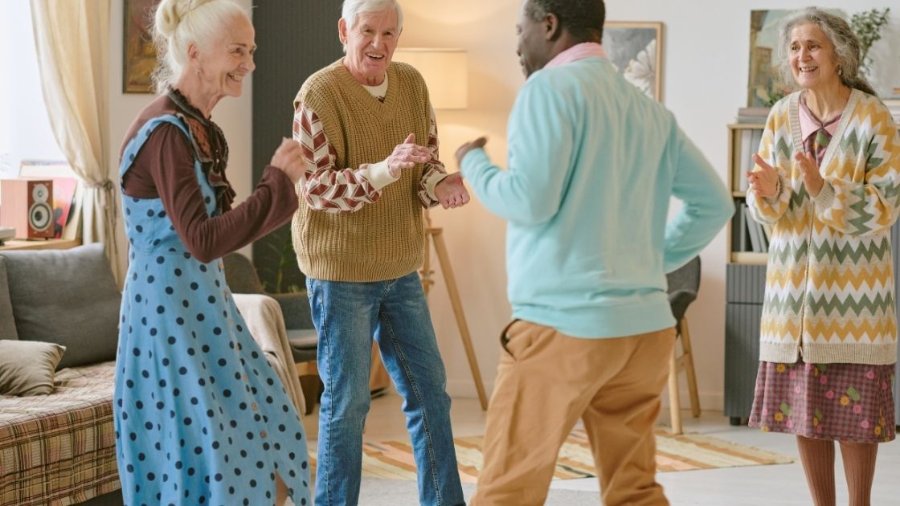
You don't need expensive equipment or a subscription to play. You just need a phone or tablet and a few minutes of quiet time together.
For the "Family CEO"—the person who once managed the house and the kids—the frustration of dementia comes from the pressure to "perform." They know they should remember the date or what they had for breakfast, and the "Logic Trap" of trying to remember causes anxiety.
Music removes that pressure. It bypasses the "fact-checking" part of the brain and goes straight to the emotional memory. It’s the difference between asking someone to solve a math problem and asking them to describe a sunset. One is work; the other is a feeling.

At BrightStar Care of Kane County, our caregivers act as Rhythm Keepers. Because our care is Nurse-Led, we understand that a "Soundtrack Game" isn't just a way to pass the time—it’s a clinical tool to reduce "sundowning" and agitation.
Absolutely. In the later stages, even if they can no longer speak, they may still hum along or tap a finger. It is one of the last ways to maintain a "thread" of communication.
Yes. Use the "15-to-25" rule. The music they loved as teenagers is the most likely to spark a deep response.
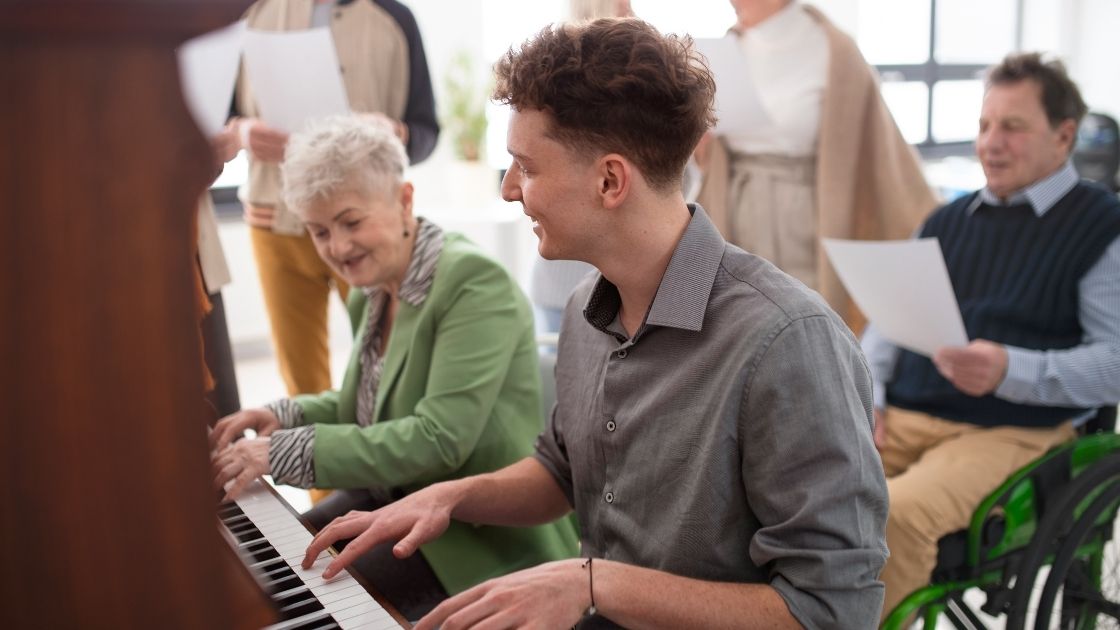
This Alzheimer’s & Brain Awareness Month, don't stay trapped in the frustration of "facts." Let our nurse-led team help you find the music again.
Contact Us for a Free Consultation:
Dementia often feels like a locked door, but science has shown us that music acts as a "back door" to the brain. While the parts of the brain that store names and dates may be damaged, the parts that process rhythm and emotion often remain untouched for much longer. At BrightStar Care of Kane County, we believe that finding these "back doors" is the key to a more peaceful, connected day.
The "Soundtrack" Game: How to Play
You don't need expensive equipment or a subscription to play. You just need a phone or tablet and a few minutes of quiet time together.
- The Setup: Think about when your loved one was between the ages of 15 and 25. What was on the radio in Kane County back then? Whether it was Big Band, early Rock ‘n’ Roll, or 60s Folk, those are the songs "hardwired" into their brain.
- The Game: Play just 5 to 10 seconds of a classic song.
- The Goal: Don't make it a "test." Don't focus on the name of the artist or the year. Instead, ask: "How does this make you feel?" or "Does this remind you of a summer night or a dance?"
- Why it works: It’s a low-stress way to spark long-term memory retrieval. There is no "wrong" answer. If the song makes them tap their toe or smile, they’ve already won.
Why Music Beats "Facts"
For the "Family CEO"—the person who once managed the house and the kids—the frustration of dementia comes from the pressure to "perform." They know they should remember the date or what they had for breakfast, and the "Logic Trap" of trying to remember causes anxiety.Music removes that pressure. It bypasses the "fact-checking" part of the brain and goes straight to the emotional memory. It’s the difference between asking someone to solve a math problem and asking them to describe a sunset. One is work; the other is a feeling.
The "Rhythm Keeper" Approach
At BrightStar Care of Kane County, our caregivers act as Rhythm Keepers. Because our care is Nurse-Led, we understand that a "Soundtrack Game" isn't just a way to pass the time—it’s a clinical tool to reduce "sundowning" and agitation.
- Expert Engagement: Our caregivers are trained to use music as a "reset button." If a senior is feeling restless or anxious in the late afternoon, we can use a favorite song to ground them and change the energy of the room.
- Clinical Oversight: Our Registered Nurse (RN) Director of Nursing monitors how these interactions affect a senior’s overall mood and stability. We coordinate with doctors at Northwestern Medicine Delnor Hospital or Mercyane Hospital to ensure the "clinical whole" is supported.
- A Safety Net for You: While our caregivers manage the medical math and the "Soundtrack Game," you get a break from the "Invisible Load" of caregiving. You can go back to being a daughter, a son, or a spouse.
FAQs for Kane County Families
1. What if my loved one gets sad when they hear certain songs?
That’s okay. Music can bring up all kinds of emotions. If a song causes distress, simply turn it off and move to something lighter. The goal is to follow their lead.
2. Can I use music if they are in the later stages of dementia?
Absolutely. In the later stages, even if they can no longer speak, they may still hum along or tap a finger. It is one of the last ways to maintain a "thread" of communication.
3. Does the genre of music matter?
Yes. Use the "15-to-25" rule. The music they loved as teenagers is the most likely to spark a deep response.
Find the Rhythm Again This June
This Alzheimer’s & Brain Awareness Month, don't stay trapped in the frustration of "facts." Let our nurse-led team help you find the music again.Contact Us for a Free Consultation:
- Phone: 630-938-4738
- Address: 2580 Foxfield Rd #304, St. Charles, IL 60174, United States
- Visit Us Online: BrightStar Care of Kane County