
October is Spina Bifida Awareness Month. At BrightStar Care of La Crosse, we want to use this time to address something that sits at the practical center of daily life for people with Spina Bifida and their families: activities of daily living, and what meaningful support with those activities actually looks like at home.
Activities of daily living — ADLs — is the clinical term for the basic self-care tasks that most people perform without much thought. Bathing. Dressing. Grooming. Eating. Toileting. Transferring from one position or surface to another. Mobility within the home. For a person without a disability, these tasks are largely automatic, completed in the background of a morning while attention is already on the day ahead.
For a person with Spina Bifida, these same tasks are deliberate, structured, time-consuming, and in many cases require assistance, adaptive equipment, or both. The ADL picture for Spina Bifida is not a simplified version of normal daily living. It is its own distinct clinical and practical landscape, shaped by neurogenic bladder and bowel, impaired sensation, mobility differences, and the specific management routines that keeping the body safe and functional requires.
For families in La Crosse, Onalaska, Holmen, West Salem, and throughout La Crosse County who are supporting someone with Spina Bifida, this post covers what ADL support in this population actually involves, what professional caregiving adds to the picture, and why the quality of that support matters more than most people outside this community understand.
When clinicians and care coordinators talk about ADL support for older adults or people recovering from injury, they are usually describing assistance with tasks that were once fully independent and have become difficult due to illness, injury, or the natural process of aging. The goal is typically to restore as much independence as possible and to assist with what cannot be fully recovered.
ADL support for Spina Bifida is fundamentally different in two important ways.
First, for most people with myelomeningocele, the ADL picture has been complex since birth. The tasks have never been simple or automatic. The person has developed, over a lifetime, highly individualized approaches to each ADL — specific sequences, specific equipment, specific techniques that work for their body and their presentation. A caregiver who arrives without understanding this is not simply stepping in to help with tasks. They are entering a carefully constructed system that works because of its specificity, and that can fail if that specificity is not respected.
Second, several of the ADLs that matter most for Spina Bifida — bladder and bowel management in particular — are not simply hygiene tasks. They are clinical management functions with direct consequences for long-term health. Toileting for a person with neurogenic bladder is not equivalent to toileting assistance for a frail older adult. It is part of a kidney protection protocol that determines, over years and decades, whether that person's renal function remains intact.
Understanding these two distinctions is the foundation of effective ADL support for Spina Bifida.
Bathing is among the most intimate and most risk-laden ADLs for people with Spina Bifida. The risks are specific and worth naming clearly.
Temperature regulation. Reduced or absent sensation below the level of the spinal lesion means that water that feels comfortable to the caregiver may be hot enough to cause burns to the skin of the person being bathed. Testing water temperature carefully — with a thermometer or with the caregiver's inner wrist rather than hand — before any skin contact is a non-negotiable precaution that not all caregivers think to apply unless they understand the sensation picture.
Skin integrity during bathing. Friction during washing and drying, particularly in skin folds, between the toes, around catheter entry points, and in areas in contact with orthotic equipment, can cause microabrasions that begin the cascade toward breakdown. A caregiver who uses gentle technique, pats rather than rubs during drying, and pays deliberate attention to these areas provides meaningfully safer care than one who applies the same approach they would use for a person with intact sensation.
Post-bathing skin inspection. Bathing provides an ideal opportunity for thorough skin inspection of areas that cannot otherwise be easily visualized. The back, sacrum, buttocks, heels, and any area in contact with positioning equipment or orthotics should be inspected systematically after bathing, with any redness, warmth, or skin change documented and reported to the supervising nurse.
Accessible bathing setup. La Crosse County's housing stock, like much of Wisconsin's, includes many older homes that were not built with accessibility in mind. Roll-in showers, tub transfer benches, shower chairs, handheld showerheads, and grab bars make bathing safer and more manageable, but the specific setup varies by home and by individual. A caregiver who can adapt safely to the environment available — and who flags when the environment creates safety risks that need to be addressed — is providing a level of situational awareness that matters.
Dressing for a person with Spina Bifida involves considerations that go well beyond choosing clothes and putting them on.
For ambulatory individuals who use ankle-foot orthoses, knee-ankle-foot orthoses, or other bracing, the donning and doffing of orthotics is a skilled task with direct skin integrity implications. Orthotics that are applied incorrectly, over wrinkled socks or clothing, or that have shifted out of correct alignment, create pressure points that can produce significant skin breakdown within hours on skin that cannot feel the warning. A caregiver who understands this checks sock smoothness, checks orthotic alignment, and checks the skin after removal every time — not as an optional extra but as a built-in component of dressing assistance.
For wheelchair users, dressing requires positioning knowledge specific to the individual's transfer needs and physical presentation. Clothing choices matter practically as well as aesthetically: clothing that is easy to manage during catheterization, that does not bunch under the person during seating, and that does not create pressure from waistbands or seams in areas of impaired sensation affects both comfort and skin safety.
Adaptive clothing — designed with accessible fastenings, side-opening seams, and other features that reduce the physical effort and positioning complexity of dressing — is worth discussing with the occupational therapist if it is not already part of the picture. A caregiver who is familiar with adaptive clothing options and who assists with dressing in a way that supports the person's independence in the parts of the task they can manage is providing more than physical help.
Call 608-519-4324 Visit Our Website
This is not a hygiene task. It is a kidney protection protocol.
A caregiver who assists with or performs catheterization needs specific training in the procedure, in correct technique, in sterile and clean technique distinctions, in the correct handling and disposal of supplies, and in the signs that suggest a urinary tract infection is developing. Catheterization performed with incorrect technique — contaminated catheter contact, inadequate lubrication where needed, incorrect positioning — increases infection risk with every episode. Over time, that risk accumulates.
At BrightStar Care of La Crosse, catheterization assistance is provided under the oversight of a registered nurse who trains the caregiver, monitors technique, and remains the clinical point of contact for any change in the bladder management picture. This is not a task that should be delegated to a caregiver without nursing oversight and training, and families should ask specifically about this when evaluating any home care agency.
Beyond the catheterization schedule, toileting assistance for people with Spina Bifida also includes awareness of the signs of urinary tract infection — cloudiness or odor in urine, increased spasticity, fever, unusual fatigue or irritability, or a general change in the person's condition — and prompt reporting of those signs to the supervising nurse. A caregiver who knows what to look for because someone has explained why it matters is a meaningful component of UTI prevention and early detection.
The bowel program is a scheduled, structured routine — typically daily or every other day, at a consistent time — that manages neurogenic bowel through a combination of timing, positioning, dietary management, suppositories, digital stimulation, or other components specific to the individual.
For a caregiver assisting with the bowel program, knowledge of the specific program matters enormously. The sequence of steps, the timing within the program, the positioning that works for this person, the supplies required — these are not generic. They have been developed and refined over time, often over years, and they work because of their specificity. A caregiver who follows the program correctly provides real clinical value. One who approximates it, rushing through steps or substituting their judgment for the established protocol, introduces risk of unplanned episodes, constipation, or impaction that has direct quality-of-life and skin integrity consequences.
Changes in bowel function — new constipation, new incontinence within the program, significant changes in the effectiveness of the established routine — can signal changes in neurological status, including tethered cord, and warrant reporting to the supervising nurse and ultimately to the treating physician.Call 608-519-4324 Visit Our Website
Transfers — the movements between surfaces that structure a person's day — are among the highest-stakes ADLs for people with Spina Bifida. A fall during a transfer creates injury risk for the person that, in someone with impaired sensation and altered skin integrity, can have consequences well beyond the immediate event. Incorrect transfer technique creates injury risk for the caregiver as well.
The specific transfer technique for each person with Spina Bifida depends on their physical presentation, their equipment, their strength and function, and their own established approach to each transfer point in their day. Bed to wheelchair. Wheelchair to toilet or shower commode. Wheelchair to car. Each of these is a specific skill that needs to be learned for the individual, not assumed from general transfer training.
For ambulatory individuals who walk with assistive devices, mobility assistance within the home involves steadying support, awareness of fall risk during fatigue or on uneven surfaces, and the attention to recognize when the person's gait or stamina has changed in ways that warrant reporting. La Crosse's terrain — including the hilly neighborhoods near the bluffs and older housing stock with steps and uneven entries — creates specific outdoor mobility challenges in all seasons, and the addition of ice and snow for a significant portion of the Wisconsin year makes fall risk during community mobility a genuine and ongoing concern.
Instrumental activities of daily living — IADLs — are the tasks that support independent living beyond basic self-care: meal preparation, household management, medication management, transportation, financial management, and communication. For many adults with Spina Bifida, particularly those who are managing multiple specialist relationships and complex medication regimens, IADL support is as important to quality of life and functional independence as ADL support.
Meal preparation that accounts for the nutritional priorities of Spina Bifida management — adequate hydration for kidney and bladder health, sufficient fiber for bowel regularity, appropriate caloric balance as mobility limitations affect metabolic demands — is more specific than general cooking assistance. A caregiver who understands these priorities brings practical clinical value to what looks like a domestic task.
Medication management for adults with Spina Bifida often involves multiple medications prescribed by multiple specialists. A caregiver who ensures medications are taken correctly and on schedule, who maintains an accurate and current medication list, and who reports concerns about side effects or missed doses to the supervising nurse is supporting a clinical function that has real health consequences.
Transportation to the multiple specialist appointments that adult Spina Bifida management requires — particularly in La Crosse County, where some specialist travel to the Mayo Clinic Health System or UW Health facilities in the region may be needed — is a practical IADL that significantly affects whether specialist follow-up actually happens consistently.
When ADL support needs grow, some La Crosse families begin wondering whether assisted living might be easier than managing complex care at home. It is worth thinking through what assisted living actually offers — and where it falls short for someone with Spina Bifida.
Assisted living is designed for people who need help with basic daily activities in a residential setting. The model works well for many older adults who need assistance with meals, dressing, and basic personal care. It is not designed for the specific, protocol-driven care that Spina Bifida requires.
The catheterization schedule that a person with Spina Bifida needs every three to four hours cannot be reliably delivered in an assisted living setting where one staff member may be responsible for a dozen or more residents. The bowel program — which depends on precise timing, specific technique, and an undisturbed, private environment — is not compatible with shared facility schedules. The daily skin inspection that protects against pressure injury requires knowing what this person's skin looks like on a normal day, which no rotating staff member in a busy facility can provide.
Adults with Spina Bifida who move into assisted living frequently experience a deterioration in their condition-specific management. Urinary tract infections increase. Skin integrity declines. Bowel programs that worked at home stop working because the timing and consistency the program depends on cannot be maintained.
Home care in La Crosse keeps the person in the environment where their routines work: their own bathroom, their own equipment, their own space, and a caregiver who learns their specific system. The bluffs, the terrain, the older housing stock — all of it is familiar, navigable, and adaptable in a way that a generic assisted living environment is not. For most adults with Spina Bifida, the right answer when care needs increase is not to move to a facility. It is to bring better professional support into the home they are already in.
Does the agency provide skilled nursing, or only personal care? This is the first and most important question. Many home care agencies in western Wisconsin provide non-medical personal care only. For Spina Bifida, skilled nursing oversight is a clinical requirement — catheterization, skin assessment, wound care, and bowel program oversight are not tasks that can be safely managed without a licensed nurse involved. If an agency cannot provide nursing oversight, it cannot safely meet the clinical needs of a person with Spina Bifida.
How does the agency handle caregiver consistency? For someone with Spina Bifida, the caregiver is not interchangeable. The knowledge that comes from consistent presence — knowing how this person's bowel program runs, what their skin looks like at baseline, how their transfers work — cannot be transferred through documentation alone. Ask specifically about how the agency manages scheduling and what their caregiver turnover looks like. A revolving door of unfamiliar caregivers is a risk factor for this population, not an inconvenience.
What is the agency's experience with neurogenic bladder and bowel? Ask directly. General caregiving experience is not the same as Spina Bifida-specific experience. Agencies that work regularly with this population have caregivers who understand catheterization protocol, bowel program specifics, and what to report and when.
Does a nurse visit the client, or only supervise from a distance? Ask whether supervisory nurses make in-home visits and how frequently. Supervisory nursing that consists only of phone check-ins does not provide the clinical oversight that Spina Bifida care requires. In-person nursing visits allow for direct skin assessment, technique observation, and the kind of clinical monitoring that keeps secondary complications from developing undetected.
BrightStar Care of La Crosse provides skilled nursing and non-medical caregiving for individuals with Spina Bifida and their families throughout La Crosse, Onalaska, Holmen, West Salem, Sparta, and surrounding La Crosse County communities.
Our skilled nursing team provides clinical oversight of the ADL picture — catheterization training and monitoring, skin assessment and wound care, bowel program oversight, medication management, and communication with the treating physician and specialist team. Our caregivers provide the consistent, trained daily support that makes ADL and IADL management sustainable over time.
We develop care plans that are specific to the individual — built around their established routines, their equipment, their preferences, and their own expertise about what works for their body. We provide caregiver training that goes beyond general home care orientation to cover the specific clinical considerations of Spina Bifida. And we maintain caregiver consistency as a clinical priority, because the knowledge that a consistent caregiving relationship builds is not replaceable by any amount of documentation.
If your family is navigating ADL support for a loved one with Spina Bifida and you are not sure where to start, we are glad to be a resource.
Call 608-519-4324 Visit Our Website
BrightStar Care of La Crosse provides skilled nursing and non-medical home care services for individuals with Spina Bifida and their families throughout La Crosse, Onalaska, Holmen, West Salem, Sparta, and surrounding La Crosse County communities. To speak with a care coordinator about ADL support for your loved one this October, contact our office today.
Activities of daily living — ADLs — is the clinical term for the basic self-care tasks that most people perform without much thought. Bathing. Dressing. Grooming. Eating. Toileting. Transferring from one position or surface to another. Mobility within the home. For a person without a disability, these tasks are largely automatic, completed in the background of a morning while attention is already on the day ahead.
For a person with Spina Bifida, these same tasks are deliberate, structured, time-consuming, and in many cases require assistance, adaptive equipment, or both. The ADL picture for Spina Bifida is not a simplified version of normal daily living. It is its own distinct clinical and practical landscape, shaped by neurogenic bladder and bowel, impaired sensation, mobility differences, and the specific management routines that keeping the body safe and functional requires.
For families in La Crosse, Onalaska, Holmen, West Salem, and throughout La Crosse County who are supporting someone with Spina Bifida, this post covers what ADL support in this population actually involves, what professional caregiving adds to the picture, and why the quality of that support matters more than most people outside this community understand.
Call 608-519-4324 Visit Our Website
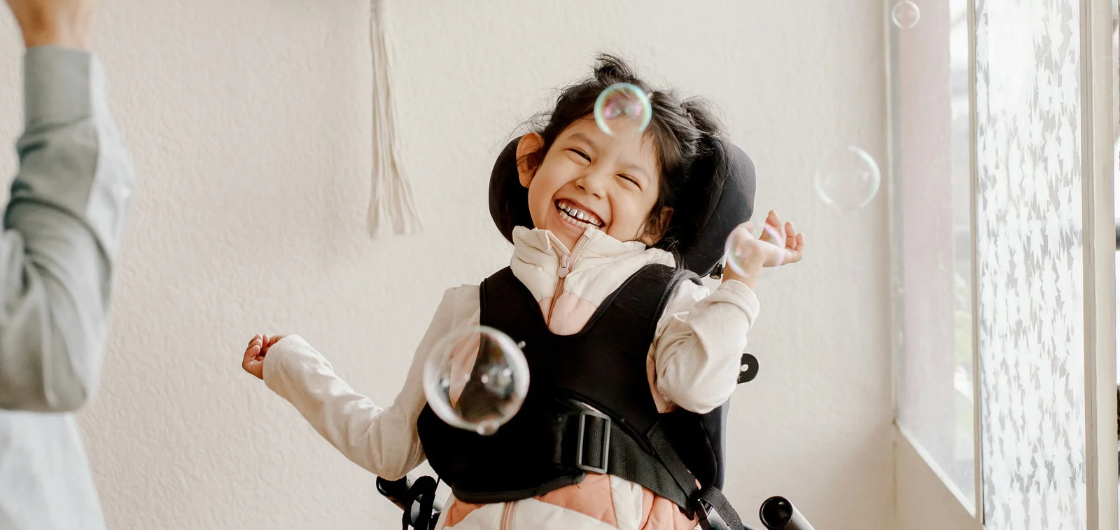
Why ADLs Are Different With Spina Bifida
When clinicians and care coordinators talk about ADL support for older adults or people recovering from injury, they are usually describing assistance with tasks that were once fully independent and have become difficult due to illness, injury, or the natural process of aging. The goal is typically to restore as much independence as possible and to assist with what cannot be fully recovered.ADL support for Spina Bifida is fundamentally different in two important ways.
First, for most people with myelomeningocele, the ADL picture has been complex since birth. The tasks have never been simple or automatic. The person has developed, over a lifetime, highly individualized approaches to each ADL — specific sequences, specific equipment, specific techniques that work for their body and their presentation. A caregiver who arrives without understanding this is not simply stepping in to help with tasks. They are entering a carefully constructed system that works because of its specificity, and that can fail if that specificity is not respected.
Second, several of the ADLs that matter most for Spina Bifida — bladder and bowel management in particular — are not simply hygiene tasks. They are clinical management functions with direct consequences for long-term health. Toileting for a person with neurogenic bladder is not equivalent to toileting assistance for a frail older adult. It is part of a kidney protection protocol that determines, over years and decades, whether that person's renal function remains intact.
Understanding these two distinctions is the foundation of effective ADL support for Spina Bifida.
Bathing and Personal Hygiene
Bathing is among the most intimate and most risk-laden ADLs for people with Spina Bifida. The risks are specific and worth naming clearly.Temperature regulation. Reduced or absent sensation below the level of the spinal lesion means that water that feels comfortable to the caregiver may be hot enough to cause burns to the skin of the person being bathed. Testing water temperature carefully — with a thermometer or with the caregiver's inner wrist rather than hand — before any skin contact is a non-negotiable precaution that not all caregivers think to apply unless they understand the sensation picture.
Skin integrity during bathing. Friction during washing and drying, particularly in skin folds, between the toes, around catheter entry points, and in areas in contact with orthotic equipment, can cause microabrasions that begin the cascade toward breakdown. A caregiver who uses gentle technique, pats rather than rubs during drying, and pays deliberate attention to these areas provides meaningfully safer care than one who applies the same approach they would use for a person with intact sensation.
Post-bathing skin inspection. Bathing provides an ideal opportunity for thorough skin inspection of areas that cannot otherwise be easily visualized. The back, sacrum, buttocks, heels, and any area in contact with positioning equipment or orthotics should be inspected systematically after bathing, with any redness, warmth, or skin change documented and reported to the supervising nurse.
Accessible bathing setup. La Crosse County's housing stock, like much of Wisconsin's, includes many older homes that were not built with accessibility in mind. Roll-in showers, tub transfer benches, shower chairs, handheld showerheads, and grab bars make bathing safer and more manageable, but the specific setup varies by home and by individual. A caregiver who can adapt safely to the environment available — and who flags when the environment creates safety risks that need to be addressed — is providing a level of situational awareness that matters.
Dressing and Orthotic Management
Dressing for a person with Spina Bifida involves considerations that go well beyond choosing clothes and putting them on.For ambulatory individuals who use ankle-foot orthoses, knee-ankle-foot orthoses, or other bracing, the donning and doffing of orthotics is a skilled task with direct skin integrity implications. Orthotics that are applied incorrectly, over wrinkled socks or clothing, or that have shifted out of correct alignment, create pressure points that can produce significant skin breakdown within hours on skin that cannot feel the warning. A caregiver who understands this checks sock smoothness, checks orthotic alignment, and checks the skin after removal every time — not as an optional extra but as a built-in component of dressing assistance.
For wheelchair users, dressing requires positioning knowledge specific to the individual's transfer needs and physical presentation. Clothing choices matter practically as well as aesthetically: clothing that is easy to manage during catheterization, that does not bunch under the person during seating, and that does not create pressure from waistbands or seams in areas of impaired sensation affects both comfort and skin safety.
Adaptive clothing — designed with accessible fastenings, side-opening seams, and other features that reduce the physical effort and positioning complexity of dressing — is worth discussing with the occupational therapist if it is not already part of the picture. A caregiver who is familiar with adaptive clothing options and who assists with dressing in a way that supports the person's independence in the parts of the task they can manage is providing more than physical help.
Call 608-519-4324 Visit Our Website
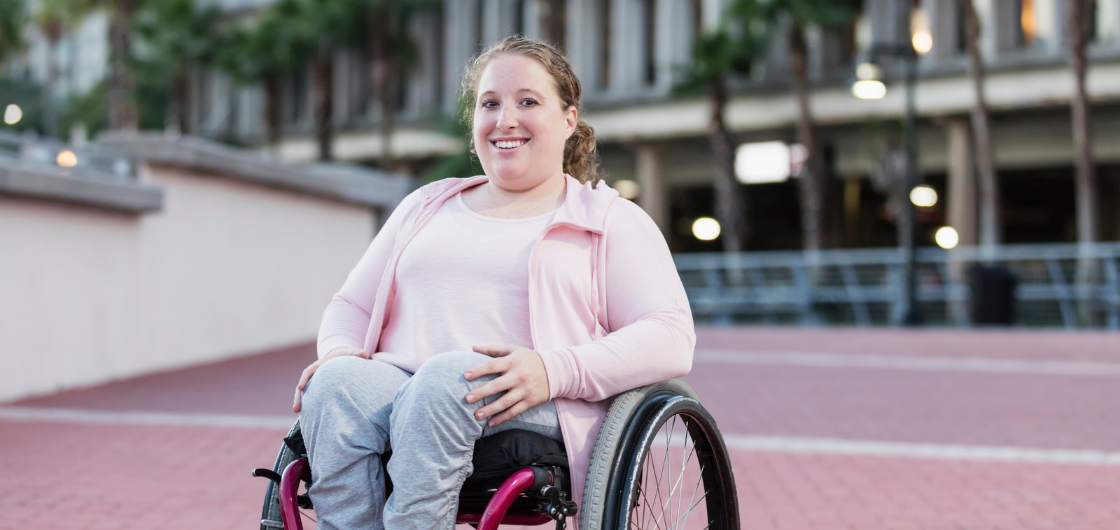
Toileting and Bladder Management
For most adults with myelomeningocele, toileting does not mean simply transferring to the toilet and waiting. It means performing clean intermittent catheterization on a schedule — typically every three to four hours — that is the clinical management program protecting kidney function.This is not a hygiene task. It is a kidney protection protocol.
A caregiver who assists with or performs catheterization needs specific training in the procedure, in correct technique, in sterile and clean technique distinctions, in the correct handling and disposal of supplies, and in the signs that suggest a urinary tract infection is developing. Catheterization performed with incorrect technique — contaminated catheter contact, inadequate lubrication where needed, incorrect positioning — increases infection risk with every episode. Over time, that risk accumulates.
At BrightStar Care of La Crosse, catheterization assistance is provided under the oversight of a registered nurse who trains the caregiver, monitors technique, and remains the clinical point of contact for any change in the bladder management picture. This is not a task that should be delegated to a caregiver without nursing oversight and training, and families should ask specifically about this when evaluating any home care agency.
Beyond the catheterization schedule, toileting assistance for people with Spina Bifida also includes awareness of the signs of urinary tract infection — cloudiness or odor in urine, increased spasticity, fever, unusual fatigue or irritability, or a general change in the person's condition — and prompt reporting of those signs to the supervising nurse. A caregiver who knows what to look for because someone has explained why it matters is a meaningful component of UTI prevention and early detection.
Bowel Management
The bowel program is a scheduled, structured routine — typically daily or every other day, at a consistent time — that manages neurogenic bowel through a combination of timing, positioning, dietary management, suppositories, digital stimulation, or other components specific to the individual.For a caregiver assisting with the bowel program, knowledge of the specific program matters enormously. The sequence of steps, the timing within the program, the positioning that works for this person, the supplies required — these are not generic. They have been developed and refined over time, often over years, and they work because of their specificity. A caregiver who follows the program correctly provides real clinical value. One who approximates it, rushing through steps or substituting their judgment for the established protocol, introduces risk of unplanned episodes, constipation, or impaction that has direct quality-of-life and skin integrity consequences.
Changes in bowel function — new constipation, new incontinence within the program, significant changes in the effectiveness of the established routine — can signal changes in neurological status, including tethered cord, and warrant reporting to the supervising nurse and ultimately to the treating physician.
Call 608-519-4324 Visit Our Website
Transfers and Mobility Within the Home
Transfers — the movements between surfaces that structure a person's day — are among the highest-stakes ADLs for people with Spina Bifida. A fall during a transfer creates injury risk for the person that, in someone with impaired sensation and altered skin integrity, can have consequences well beyond the immediate event. Incorrect transfer technique creates injury risk for the caregiver as well.The specific transfer technique for each person with Spina Bifida depends on their physical presentation, their equipment, their strength and function, and their own established approach to each transfer point in their day. Bed to wheelchair. Wheelchair to toilet or shower commode. Wheelchair to car. Each of these is a specific skill that needs to be learned for the individual, not assumed from general transfer training.
For ambulatory individuals who walk with assistive devices, mobility assistance within the home involves steadying support, awareness of fall risk during fatigue or on uneven surfaces, and the attention to recognize when the person's gait or stamina has changed in ways that warrant reporting. La Crosse's terrain — including the hilly neighborhoods near the bluffs and older housing stock with steps and uneven entries — creates specific outdoor mobility challenges in all seasons, and the addition of ice and snow for a significant portion of the Wisconsin year makes fall risk during community mobility a genuine and ongoing concern.
IADLs: The Tasks Beyond Basic Self-Care
Instrumental activities of daily living — IADLs — are the tasks that support independent living beyond basic self-care: meal preparation, household management, medication management, transportation, financial management, and communication. For many adults with Spina Bifida, particularly those who are managing multiple specialist relationships and complex medication regimens, IADL support is as important to quality of life and functional independence as ADL support.Meal preparation that accounts for the nutritional priorities of Spina Bifida management — adequate hydration for kidney and bladder health, sufficient fiber for bowel regularity, appropriate caloric balance as mobility limitations affect metabolic demands — is more specific than general cooking assistance. A caregiver who understands these priorities brings practical clinical value to what looks like a domestic task.
Medication management for adults with Spina Bifida often involves multiple medications prescribed by multiple specialists. A caregiver who ensures medications are taken correctly and on schedule, who maintains an accurate and current medication list, and who reports concerns about side effects or missed doses to the supervising nurse is supporting a clinical function that has real health consequences.
Transportation to the multiple specialist appointments that adult Spina Bifida management requires — particularly in La Crosse County, where some specialist travel to the Mayo Clinic Health System or UW Health facilities in the region may be needed — is a practical IADL that significantly affects whether specialist follow-up actually happens consistently.
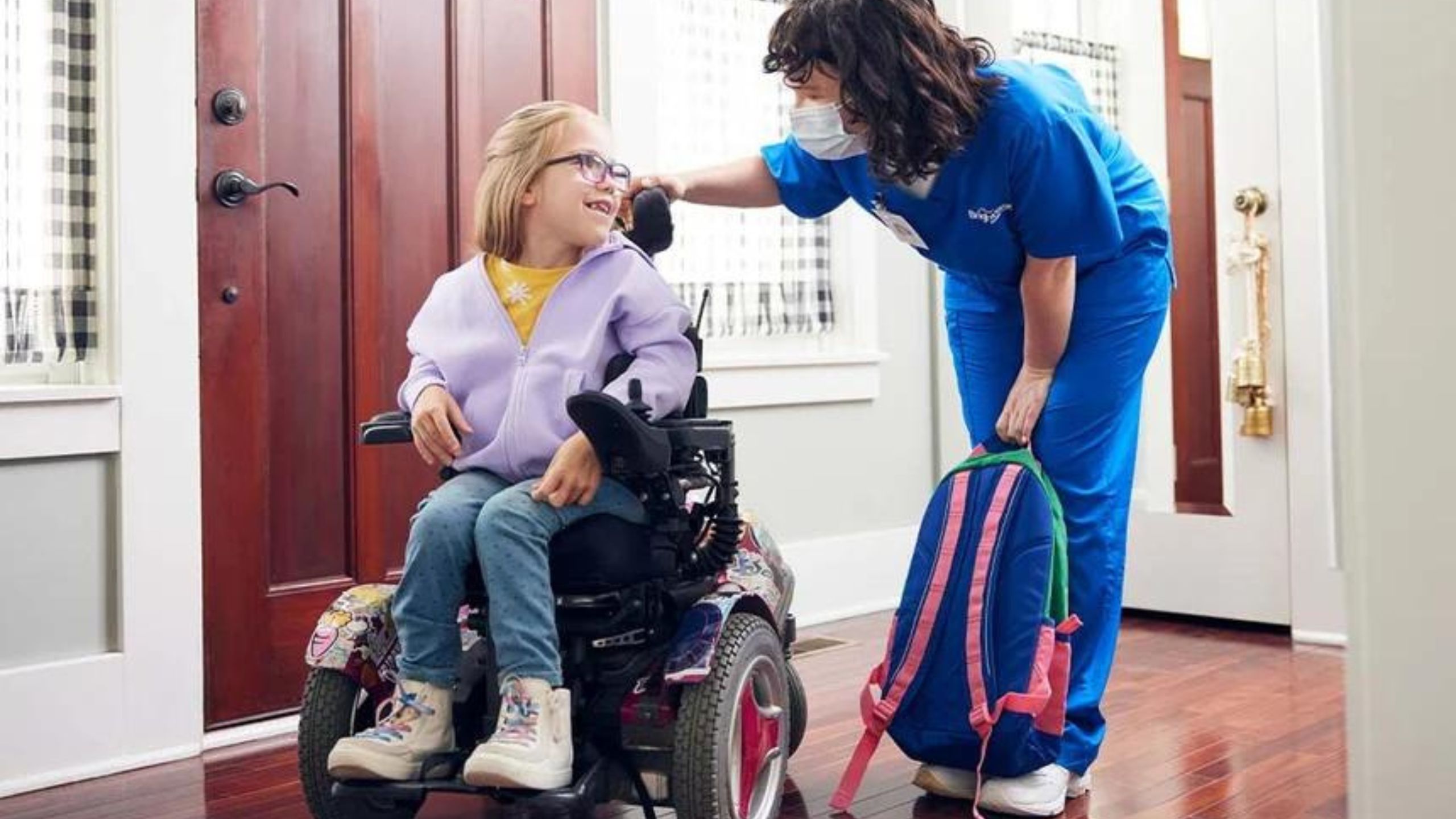
Home Care vs. Assisted Living: What Families With a Spina Bifida Loved One Should Know
When ADL support needs grow, some La Crosse families begin wondering whether assisted living might be easier than managing complex care at home. It is worth thinking through what assisted living actually offers — and where it falls short for someone with Spina Bifida.Assisted living is designed for people who need help with basic daily activities in a residential setting. The model works well for many older adults who need assistance with meals, dressing, and basic personal care. It is not designed for the specific, protocol-driven care that Spina Bifida requires.
The catheterization schedule that a person with Spina Bifida needs every three to four hours cannot be reliably delivered in an assisted living setting where one staff member may be responsible for a dozen or more residents. The bowel program — which depends on precise timing, specific technique, and an undisturbed, private environment — is not compatible with shared facility schedules. The daily skin inspection that protects against pressure injury requires knowing what this person's skin looks like on a normal day, which no rotating staff member in a busy facility can provide.
Adults with Spina Bifida who move into assisted living frequently experience a deterioration in their condition-specific management. Urinary tract infections increase. Skin integrity declines. Bowel programs that worked at home stop working because the timing and consistency the program depends on cannot be maintained.
Home care in La Crosse keeps the person in the environment where their routines work: their own bathroom, their own equipment, their own space, and a caregiver who learns their specific system. The bluffs, the terrain, the older housing stock — all of it is familiar, navigable, and adaptable in a way that a generic assisted living environment is not. For most adults with Spina Bifida, the right answer when care needs increase is not to move to a facility. It is to bring better professional support into the home they are already in.
Call 608-519-4324 Visit Our Website
How to Choose a Home Care Agency for Spina Bifida in La Crosse County
Families in La Crosse and the surrounding area have home care options, and not all of them are equally equipped to support someone with Spina Bifida. These are the questions that surface the most important differences.Does the agency provide skilled nursing, or only personal care? This is the first and most important question. Many home care agencies in western Wisconsin provide non-medical personal care only. For Spina Bifida, skilled nursing oversight is a clinical requirement — catheterization, skin assessment, wound care, and bowel program oversight are not tasks that can be safely managed without a licensed nurse involved. If an agency cannot provide nursing oversight, it cannot safely meet the clinical needs of a person with Spina Bifida.
How does the agency handle caregiver consistency? For someone with Spina Bifida, the caregiver is not interchangeable. The knowledge that comes from consistent presence — knowing how this person's bowel program runs, what their skin looks like at baseline, how their transfers work — cannot be transferred through documentation alone. Ask specifically about how the agency manages scheduling and what their caregiver turnover looks like. A revolving door of unfamiliar caregivers is a risk factor for this population, not an inconvenience.
What is the agency's experience with neurogenic bladder and bowel? Ask directly. General caregiving experience is not the same as Spina Bifida-specific experience. Agencies that work regularly with this population have caregivers who understand catheterization protocol, bowel program specifics, and what to report and when.
Does a nurse visit the client, or only supervise from a distance? Ask whether supervisory nurses make in-home visits and how frequently. Supervisory nursing that consists only of phone check-ins does not provide the clinical oversight that Spina Bifida care requires. In-person nursing visits allow for direct skin assessment, technique observation, and the kind of clinical monitoring that keeps secondary complications from developing undetected.
How BrightStar Care of La Crosse Supports ADL and IADL Needs
BrightStar Care of La Crosse provides skilled nursing and non-medical caregiving for individuals with Spina Bifida and their families throughout La Crosse, Onalaska, Holmen, West Salem, Sparta, and surrounding La Crosse County communities.Our skilled nursing team provides clinical oversight of the ADL picture — catheterization training and monitoring, skin assessment and wound care, bowel program oversight, medication management, and communication with the treating physician and specialist team. Our caregivers provide the consistent, trained daily support that makes ADL and IADL management sustainable over time.
We develop care plans that are specific to the individual — built around their established routines, their equipment, their preferences, and their own expertise about what works for their body. We provide caregiver training that goes beyond general home care orientation to cover the specific clinical considerations of Spina Bifida. And we maintain caregiver consistency as a clinical priority, because the knowledge that a consistent caregiving relationship builds is not replaceable by any amount of documentation.
If your family is navigating ADL support for a loved one with Spina Bifida and you are not sure where to start, we are glad to be a resource.
Call 608-519-4324 Visit Our Website
Frequently Asked Questions
Q: How do I know if my loved one needs professional ADL support or if family caregiving is sufficient?
Family caregiving is often sufficient in the earlier adult years, particularly when the person with Spina Bifida retains significant independence and the family members providing support are physically capable and well-trained. The signal that professional support is worth adding is usually one of a few things: a family caregiver who is aging and finding the physical demands of transfers and personal care increasingly difficult; an increase in the frequency of skin breakdown, UTIs, or other complications that suggests the management routine is not being consistently maintained; the person with Spina Bifida reporting fatigue or difficulty keeping up with their own management routines; or a change in living situation that removes a previous source of informal support. A care assessment does not commit anyone to ongoing services. It creates an honest picture of the current situation and what support could look like.Q: My sibling with Spina Bifida is very particular about how their care is done. Will a professional caregiver respect that?
They should, and if they do not, that is information worth having about the agency. Adults with Spina Bifida who are particular about their care routines are particular for good reason — their routines work, and they have often learned through hard experience what happens when they do not. At BrightStar Care of La Crosse, we begin every care relationship with a thorough intake that asks the person with Spina Bifida to walk us through their routines in their own words. We treat that information as the foundation of the care plan, not as a preference to be accommodated when convenient. If a caregiver is not respecting established routines, we want to know, and our nurse oversight structure creates a clear pathway for raising and addressing those concerns.Q: What is the difference between the ADL support a home care aide provides and what a skilled nurse provides for someone with Spina Bifida?
A home care aide provides hands-on assistance with the physical tasks of daily living — bathing, dressing, transfers, bowel program assistance, meal preparation, household support. They implement the care plan and report observations to the supervising nurse. A skilled nurse provides clinical assessment, performs or supervises skilled procedures including catheterization and wound care, monitors for the secondary complications of Spina Bifida, manages medications clinically, communicates with the treating physician and specialist team, and adjusts the care plan as the clinical picture changes. For most adults with Spina Bifida, both are needed and both are most effective when they are working within the same care structure with clear communication between them — which is exactly how BrightStar Care of La Crosse operates.BrightStar Care of La Crosse provides skilled nursing and non-medical home care services for individuals with Spina Bifida and their families throughout La Crosse, Onalaska, Holmen, West Salem, Sparta, and surrounding La Crosse County communities. To speak with a care coordinator about ADL support for your loved one this October, contact our office today.
Contact Us for a Free Consultation:
- Phone: 608-519-4324
- Address: 1062 Oak Forest Dr, Ste 500, Onalaska, WI 54650
- Visit Us Online: BrightStar Care of La Crosse