
For many families in Lakeland and Winter Haven, the first signs that a loved one needs help aren’t dramatic. They show up quietly in skipped showers, trouble getting dressed, or a growing fear of falling. These moments can be uncomfortable to talk about, but they matter.
Personal care at home isn’t about taking over someone’s life. It’s about supporting daily routines in a way that protects dignity, preserves independence, and keeps people safe in the place they know best, their own home.
When families hear “personal care,” they often imagine something clinical or intrusive. In reality, good personal care is gentle, respectful, and centered around the individual.
Personal care at home typically includes:
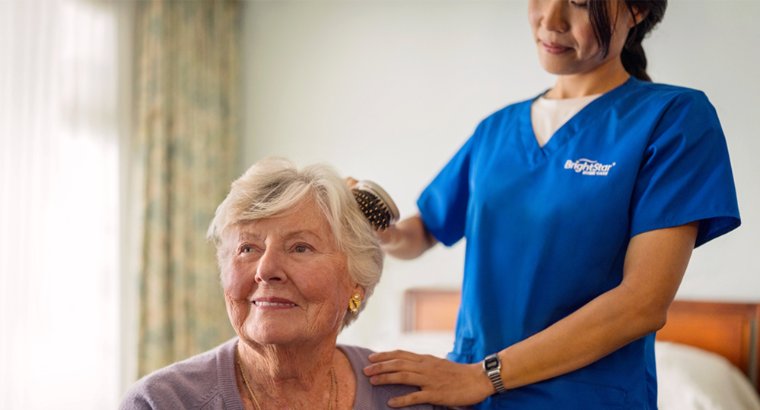
Daily routines anchor a person’s sense of normalcy, especially as aging, illness, or mobility changes set in. When routines become difficult or unsafe, seniors may start avoiding them altogether.
That’s when families notice:
Many serious injuries happen during everyday moments—not emergencies.
Common risk points include:
For seniors, needing help with bathing or dressing can feel deeply personal and emotional. That’s why how care is delivered matters just as much as what care is provided.
BrightStar Care caregivers are trained to:
Personal care doesn’t just help the person receiving it. It supports the family as well.
Adult children and spouses often feel torn between wanting to help and realizing certain tasks have become physically or emotionally difficult. Bringing in professional support allows families to:
Personal care at home might look like:
No. Quality personal care supports independence by helping seniors safely do what they can, stepping in only when needed, and preserving routines that promote confidence and autonomy.
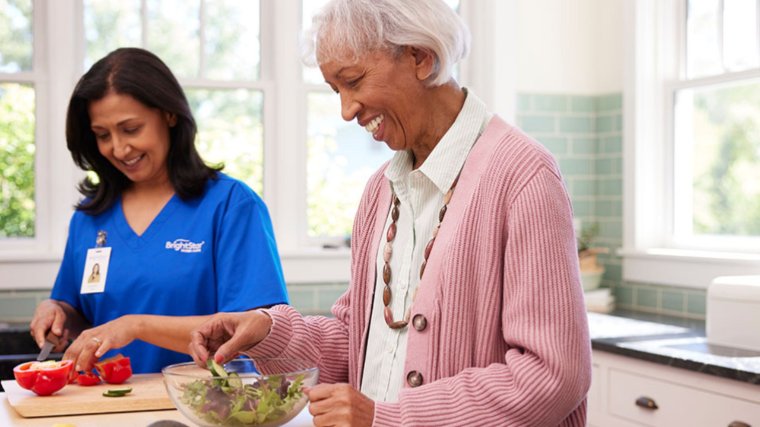
If you’ve been quietly wondering whether your loved one could use help with daily activities, that instinct matters. Early support often prevents falls, hospitalizations, and unnecessary stress—while helping seniors stay home longer.
BrightStar Care of Lakeland & Winter Haven offers personalized personal care services designed to support safety, dignity, and independence at home.
Contact BrightStar Care of Lakeland / Winter Haven today to schedule a free in-home consultation and learn how we can support your loved one right where they’re most comfortable: home. Call us at 813-725-4090 or visit our website. Our office is also located at 20 Lake Wire Dr Suites 187, Lakeland, FL 33815.
You don’t have to wait for a crisis to get help.
Personal care at home isn’t about taking over someone’s life. It’s about supporting daily routines in a way that protects dignity, preserves independence, and keeps people safe in the place they know best, their own home.
What “Personal Care” Really Means (and What It Doesn’t)
When families hear “personal care,” they often imagine something clinical or intrusive. In reality, good personal care is gentle, respectful, and centered around the individual.Personal care at home typically includes:
- Assistance with bathing or showering
- Help with dressing and grooming
- Support with toileting and hygiene
- Safe transfers (bed to chair, chair to standing)
- Mobility assistance around the home
Why Daily Routines Matter More Than You Think
Daily routines anchor a person’s sense of normalcy, especially as aging, illness, or mobility changes set in. When routines become difficult or unsafe, seniors may start avoiding them altogether.That’s when families notice:
- Wearing the same clothes repeatedly
- Skipping showers due to fear of falling
- Avoiding movement or staying seated most of the day
- Increased isolation or withdrawal
The Safety Factor Families Often Overlook
Many serious injuries happen during everyday moments—not emergencies.Common risk points include:
- Stepping in and out of the shower
- Standing up from low chairs or beds
- Pulling on pants or shoes while unsteady
- Navigating bathrooms or hallways at night
Dignity Is the Heart of Personal Care
For seniors, needing help with bathing or dressing can feel deeply personal and emotional. That’s why how care is delivered matters just as much as what care is provided.BrightStar Care caregivers are trained to:
- Encourage independence wherever possible
- Step in only when help is truly needed
- Maintain privacy and respectful communication
- Preserve routines and personal preferences
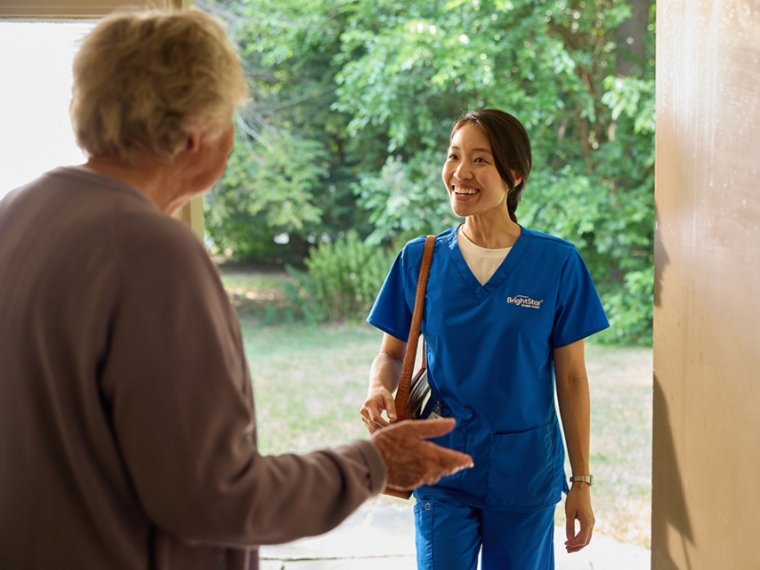
Support for Families, Too
Personal care doesn’t just help the person receiving it. It supports the family as well.Adult children and spouses often feel torn between wanting to help and realizing certain tasks have become physically or emotionally difficult. Bringing in professional support allows families to:
- Worry less about safety
- Reduce caregiver burnout
- Focus on quality time instead of constant supervision
- Rest knowing care is consistent and reliable
What Personal Care Looks Like in Real Life
Personal care at home might look like:
- Morning help with bathing, dressing, and breakfast
- Evening support getting ready for bed safely
- A calm presence that encourages routine and confidence
- Light assistance that adapts as needs change
Frequently Asked Questions
1. What is personal care at home?
Personal care at home includes help with daily activities such as bathing, dressing, grooming, toileting, and mobility. It focuses on safety, comfort, and dignity while allowing seniors to remain independent at home.2. When should families consider personal care services?
Families should consider personal care when a loved one struggles with daily routines, avoids bathing or dressing, has balance issues, or when safety concerns—like fall risk—start to appear.
3. Does personal care at home take away independence?
No. Quality personal care supports independence by helping seniors safely do what they can, stepping in only when needed, and preserving routines that promote confidence and autonomy.
A Gentle Next Step for Lakeland & Winter Haven Families
If you’ve been quietly wondering whether your loved one could use help with daily activities, that instinct matters. Early support often prevents falls, hospitalizations, and unnecessary stress—while helping seniors stay home longer.BrightStar Care of Lakeland & Winter Haven offers personalized personal care services designed to support safety, dignity, and independence at home.
Contact BrightStar Care of Lakeland / Winter Haven today to schedule a free in-home consultation and learn how we can support your loved one right where they’re most comfortable: home. Call us at 813-725-4090 or visit our website. Our office is also located at 20 Lake Wire Dr Suites 187, Lakeland, FL 33815.
You don’t have to wait for a crisis to get help.