
Chronic conditions don’t usually announce themselves with emergencies.
They show up quietly—missed medications, growing fatigue, slower movement, subtle confusion, or a fall that “almost” happened.
For many families, the question isn’t if their loved one needs help.
It’s how long can we manage this on our own?
In-home care plays a critical role in helping people live safely, comfortably, and with dignity while managing chronic health conditions—especially when those conditions require ongoing attention, consistency, and monitoring.
That’s where things often break down.
Families try to juggle:

Rather than forcing seniors to adjust to a facility or unfamiliar setting, care comes to them. Familiar routines, surroundings, and comforts stay intact, which is especially important for people with chronic or cognitive conditions.
A trained caregiver or nurse can notice:
In-home care helps with:
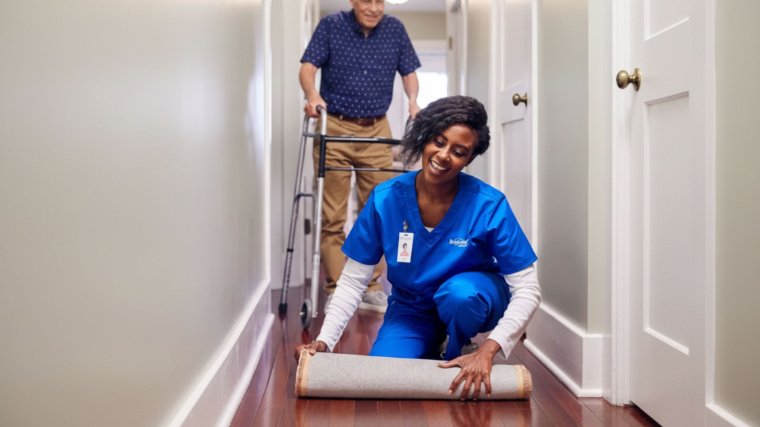
Many chronic conditions increase fall risk or make everyday tasks harder.
In-home caregivers help by:
In-home care provides:
Caregiving often starts gradually… then suddenly feels overwhelming.
In-home care allows family members to:
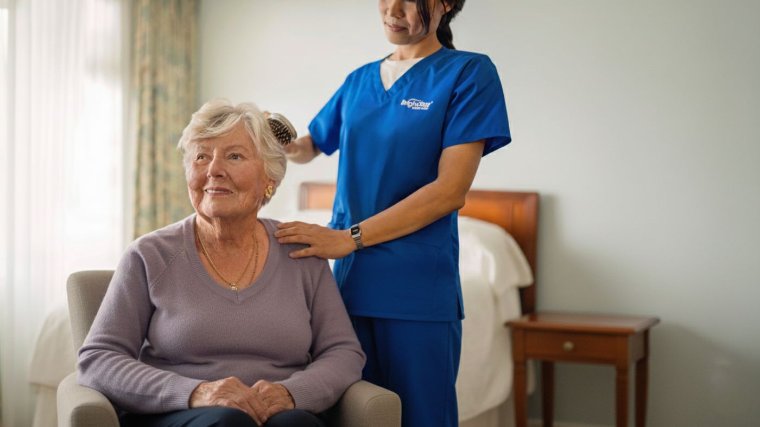
“If we bring in help, they’ll stop doing things for themselves.”
In reality, the right care protects independence.
Caregivers are trained to:
It’s about making daily life safer, calmer, and more manageable—for everyone involved.
For people living with chronic conditions, consistency matters.
For families, peace of mind matters.
And sometimes, having the right support at the right time makes all the difference.
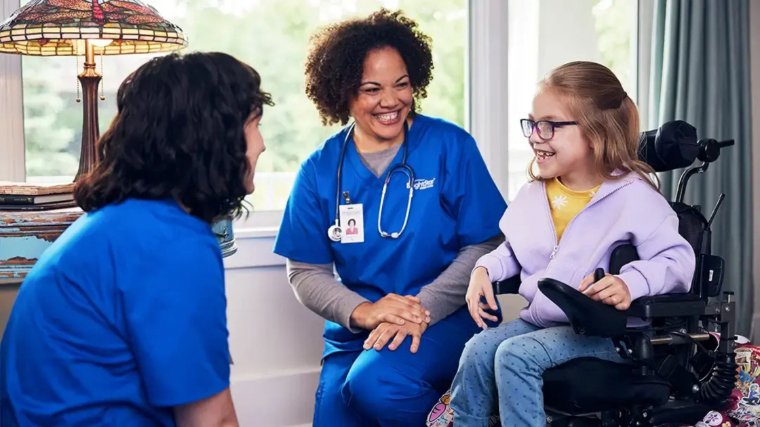
Managing a chronic condition doesn’t have to mean constant worry, burnout, or waiting for a crisis to act. The right in-home care can help your loved one stay safe, stable, and supported—while giving your family peace of mind.
BrightStar Care of Lakeland / Winter Haven offers personalized in-home care and skilled nursing support designed specifically for individuals managing chronic conditions. From medication support and daily monitoring to companionship and long-term care planning, our nurse-led team is here to help every step of the way.
If you’ve been thinking, “We might need some help,” that’s usually your sign to start the conversation.
Contact BrightStar Care of Lakeland / Winter Haven today to schedule a free in-home consultation and learn how we can support your loved one—right where they’re most comfortable: home. Call us at 813-725-4090 or visit our website. Our office is also located at 20 Lake Wire Dr Suites 183 & 187, Lakeland, FL 33815.
In-home care helps prevent readmissions by ensuring medications are taken correctly, monitoring symptoms daily, supporting mobility and fall prevention, and catching health changes early—before they turn into emergencies.
No. BrightStar Care does not accept Medicaid. Our services are private pay, which allows for faster access to care, flexible scheduling, consistent caregivers, and highly personalized care plans—especially important for long-term and chronic condition management.
They show up quietly—missed medications, growing fatigue, slower movement, subtle confusion, or a fall that “almost” happened.
For many families, the question isn’t if their loved one needs help.
It’s how long can we manage this on our own?
In-home care plays a critical role in helping people live safely, comfortably, and with dignity while managing chronic health conditions—especially when those conditions require ongoing attention, consistency, and monitoring.
Chronic Conditions Are Long-Term—and So Is the Impact
Conditions like diabetes, heart disease, Parkinson’s, COPD, arthritis, and early-stage dementia don’t resolve with a single doctor visit. They require daily management, routine, and follow-through.That’s where things often break down.
Families try to juggle:
- Medication schedules
- Diet and hydration needs
- Mobility challenges
- Monitoring symptoms
- Doctor appointments
- Emotional changes
Why In-Home Care Makes a Difference
In-home care meets people where they are—literally and emotionally.Rather than forcing seniors to adjust to a facility or unfamiliar setting, care comes to them. Familiar routines, surroundings, and comforts stay intact, which is especially important for people with chronic or cognitive conditions.
1. Daily Monitoring Catches Problems Early
Chronic conditions rarely worsen overnight—but small changes matter.A trained caregiver or nurse can notice:
- Changes in appetite or sleep
- Increased confusion or forgetfulness
- Swelling, shortness of breath, or fatigue
- Missed medications or skipped meals
- Declines in mobility or balance
2. Medication Support Reduces Risk
Medication errors are one of the most common reasons seniors with chronic conditions end up in the hospital.In-home care helps with:
- Medication reminders or administration
- Monitoring side effects
- Ensuring prescriptions are taken correctly and consistently
3. Safety at Home Isn’t Automatic—It’s Supported
Many chronic conditions increase fall risk or make everyday tasks harder.In-home caregivers help by:
- Assisting with bathing, dressing, and mobility
- Keeping walkways clear and reducing hazards
- Providing a steady presence during high-risk moments
4. Emotional Health Matters More Than You Think
Chronic illness doesn’t just affect the body—it affects mood, confidence, and independence.In-home care provides:
- Companionship and social interaction
- Encouragement without pressure
- Consistent routines that reduce anxiety
For Families, In-Home Care Changes Everything
Caregiving often starts gradually… then suddenly feels overwhelming.In-home care allows family members to:
- Step out of constant crisis mode
- Share responsibility instead of carrying it alone
- Return to being a spouse, child, or sibling—not just a caregiver
- Support doesn’t replace family care—it strengthens it.
Chronic Conditions Don’t Mean Losing Independence
One of the biggest misconceptions families have is:“If we bring in help, they’ll stop doing things for themselves.”
In reality, the right care protects independence.
Caregivers are trained to:
- Assist only where needed
- Encourage safe participation in daily tasks
- Preserve dignity and routine
When to Consider In-Home Care for Chronic Conditions
You may want to explore support if:- Managing health feels harder than it used to
- You worry about missed medications or falls
- Doctor visits are increasing
- You’re exhausted or constantly “on alert”
- Your loved one insists they’re fine—but things feel off
The Goal Isn’t More Care—It’s Better Care
In-home care isn’t about taking over someone’s life.It’s about making daily life safer, calmer, and more manageable—for everyone involved.
For people living with chronic conditions, consistency matters.
For families, peace of mind matters.
And sometimes, having the right support at the right time makes all the difference.
Ready to Get Support for Chronic Condition Care at Home?
Managing a chronic condition doesn’t have to mean constant worry, burnout, or waiting for a crisis to act. The right in-home care can help your loved one stay safe, stable, and supported—while giving your family peace of mind.BrightStar Care of Lakeland / Winter Haven offers personalized in-home care and skilled nursing support designed specifically for individuals managing chronic conditions. From medication support and daily monitoring to companionship and long-term care planning, our nurse-led team is here to help every step of the way.
If you’ve been thinking, “We might need some help,” that’s usually your sign to start the conversation.
Contact BrightStar Care of Lakeland / Winter Haven today to schedule a free in-home consultation and learn how we can support your loved one—right where they’re most comfortable: home. Call us at 813-725-4090 or visit our website. Our office is also located at 20 Lake Wire Dr Suites 183 & 187, Lakeland, FL 33815.