
Leaving the hospital should feel like the start of healing—not a countdown to returning. Yet many older adults and medically fragile patients face a tough reality: the risk of being readmitted within 30 days is high. In fact, according to the Centers for Medicare & Medicaid Services (CMS), nearly 1 in 5 Medicare patients are readmitted within a month of leaving the hospital—often due to preventable complications, missed medications, or lack of proper follow-up care.
That’s where short-term transitional care makes all the difference. At BrightStar Care of Louisville, our nurses and caregivers help bridge the gap between hospital and home, offering the support, guidance, and monitoring needed to keep recovery on track.
Without the right support, small issues can escalate quickly—leading to infections, falls, unmanaged symptoms, medication errors, or worsening of their original condition.
Short-term transitional care is designed to prevent these risks before they turn into readmissions.
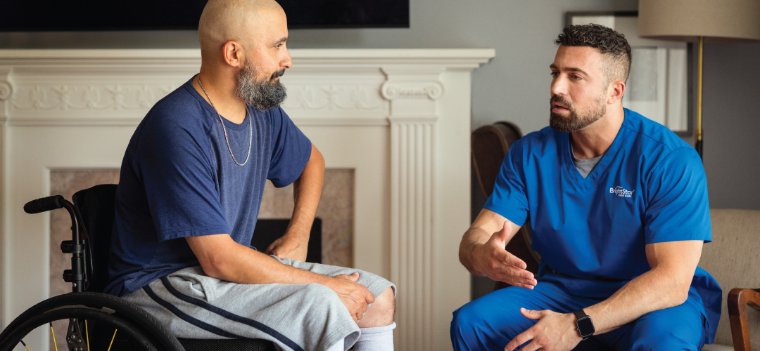
Our BrightStar Care nurses help with:
BrightStar Care’s skilled nurses can provide:
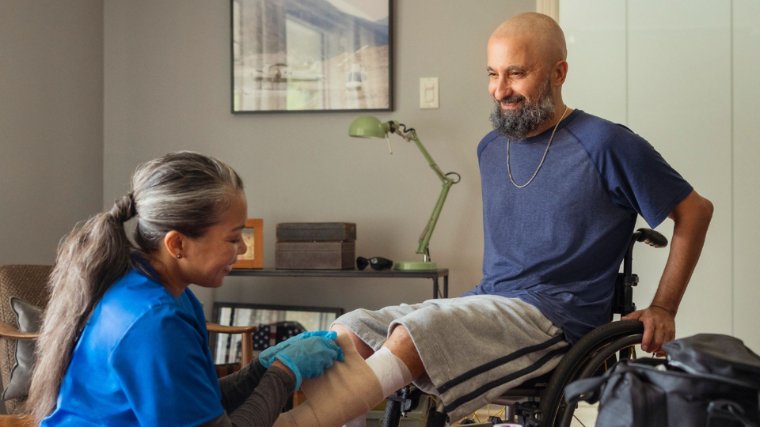
Our caregivers help ensure safety through:
BrightStar Care of Louisville acts as a communication hub by:

Healthy meals, hydration, hygiene, and rest aren’t just comforting—they’re essential to preventing setbacks.
Companionship, reassurance, and encouragement play a vital role in:

We look forward to hearing from you!
That’s where short-term transitional care makes all the difference. At BrightStar Care of Louisville, our nurses and caregivers help bridge the gap between hospital and home, offering the support, guidance, and monitoring needed to keep recovery on track.
Why the Transition Home Is So Risky
The period right after a hospital stay is one of the most vulnerable times for patients. Even when someone feels ready to go home, they may still be dealing with:- New medications
- Weakness or limited mobility
- Wound sites or medical devices
- Cognitive fog from illness, anesthesia, or medications
- Anxiety about managing care independently
Without the right support, small issues can escalate quickly—leading to infections, falls, unmanaged symptoms, medication errors, or worsening of their original condition.
Short-term transitional care is designed to prevent these risks before they turn into readmissions.
How Transitional Care Prevents Hospital Readmission
1. Medication Management That Reduces Errors
Medication mistakes are one of the leading causes of hospital readmission.Our BrightStar Care nurses help with:
- Reviewing medication lists for accuracy
- Setting up medication reminders
- Monitoring for side effects
- Communicating concerns to physicians
2. Skilled Nursing for Wounds, IVs, and Post-Surgical Care
Many people go home with complex medical needs, including wound care or IV therapy.BrightStar Care’s skilled nurses can provide:
- Wound assessment and dressing changes
- Infection monitoring
- Catheter or ostomy support
- IV infusions or injections
3. Fall Prevention and Home Safety Support
After a hospital stay, patients may be weak, dizzy, or unsteady on their feet.Our caregivers help ensure safety through:
- Mobility assistance
- Fall-prevention techniques
- Safe transfers
- Light housekeeping to reduce tripping hazards
4. Monitoring for Warning Signs Before They Escalate
Nurses and caregivers are trained to notice subtle changes in:- Breathing
- Pain levels
- Mental status
- Swelling
- Vital signs
5. Coordination With Your Medical Team
One of the biggest challenges after discharge is keeping everyone on the same page.BrightStar Care of Louisville acts as a communication hub by:
- Updating physicians on patient progress
- Helping schedule follow-up appointments
- Ensuring discharge instructions are understood and followed
6. Personal Care and Support With Activities of Daily Living
Bathing, meal prep, dressing, toileting, and mobility can feel overwhelming after a hospital stay. Our caregivers provide hands-on help that allows patients to focus on healing.Healthy meals, hydration, hygiene, and rest aren’t just comforting—they’re essential to preventing setbacks.
7. Emotional Support and Confidence During Recovery
Hospital stays can leave patients feeling anxious or unsure about managing care on their own.Companionship, reassurance, and encouragement play a vital role in:
- Reducing stress
- Improving motivation
- Supporting mental well-being
Is Transitional Care Right for Your Loved One?
Consider short-term transitional care if your loved one recently:- Had surgery or a procedure
- Has a chronic condition like COPD, CHF, or diabetes
- Has been hospitalized for a fall or injury
- Lives alone or has limited family support
- Feels weak or overwhelmed after discharge
The BrightStar Care of Louisville Difference
Our team delivers transitional care with:- Registered Nurse oversight on every care plan
- Highly trained caregivers and nurses
- Clear communication with physicians
- 24/7 availability for questions or urgent needs
- A compassionate approach that honors dignity and independence
Frequently Asked Questions (FAQs)
1. What is transitional care after a hospital stay?
Transitional care is short-term support that helps patients safely recover at home after being discharged from a hospital or rehab facility. It includes skilled nursing, personal care, medication management, mobility assistance, and monitoring for any warning signs that could lead to complications or readmission.2. How does transitional care help prevent hospital readmission?
Most readmissions happen because patients don’t have enough support at home. Transitional care reduces this risk by:- Ensuring medications are taken correctly
- Monitoring symptoms and catching complications early
- Providing wound care and skilled nursing
- Preventing falls and home safety hazards
- Helping with daily activities so patients don’t overexert themselves
3. Who can benefit from transitional care?
Transitional care is ideal for individuals who:- Recently had surgery
- Have chronic conditions like heart failure, diabetes, or COPD
- Were hospitalized due to a fall
- Feel weak, overwhelmed, or unsafe after discharge
- Live alone or lack consistent support at home
4. How long does transitional care usually last?
It depends on the patient’s needs. Some individuals need only a few days of support, while others may benefit from several weeks. BrightStar Care of Louisville creates customized care plans that evolve as the patient regains strength and independence.5. What services are included in BrightStar Care of Louisville’s transitional care program?
Our transitional care may include:- RN-led care oversight
- Medication reminders and education
- Wound and post-surgical care
- Mobility assistance and fall prevention
- Help with bathing, dressing, and meals
- Vital sign monitoring and symptom tracking
- Transportation to follow-up appointments
- Emotional support and companionship
6. Does insurance or Medicare cover transitional home care?
Medicare typically does not cover non-medical home care, but skilled nursing may be covered with a physician’s order. Some long-term care insurance plans cover transitional care services. BrightStar Care of Louisville can help review your coverage options and discuss private-pay alternatives.BrightStar Care of Louisville
We are here to provide the resources and support you need to care for your loved one. Contact us today to learn more about our caregiving services! Our office is located at 406 Blankenbaker Parkway, Ste. G, Louisville, KY, 40243. You may also call us at (502) 443-7304.We look forward to hearing from you!