
There's a pattern a lot of Madison veterans know well. The diagnosis comes, the treatment starts, and for a while, everything feels manageable. The COPD is stable. The heart disease is controlled with medication. The diabetes responds to diet. Years go by. And then, without any single dramatic event, it isn't manageable anymore. The COPD that was stable now means oxygen at home and monitoring for exacerbations. The cardiac condition that felt like a footnote becomes a hospitalization and a much more complex medication regimen. The diabetes that was diet-controlled requires insulin, daily blood glucose checks, and careful attention to wounds that didn't used to be a concern.
Service-connected chronic conditions don't stay static, and the management required at home grows over time. For veterans in Dane County who are navigating this shift, skilled home nursing can make a real clinical difference, and in many cases, it's available through the VA's Community Care Network.
Call 608-441-8620 Our Website
Living with COPD at home is a daily management challenge. It means knowing when to use rescue inhalers versus maintenance medications, recognizing the early signs that an exacerbation is building (increased breathlessness, changes in sputum color, fatigue that feels different than usual), conserving energy across the day to reduce respiratory demand, and understanding when a symptom warrants a call to the physician versus when to call 911.
Skilled nursing support for COPD at home typically includes monitoring oxygen saturation levels, assessing breath sounds, managing medications and ensuring adherence to the full inhaler protocol, and educating the veteran and family on early warning signs. A nurse who visits regularly can catch the early signs of an exacerbation before it becomes an emergency admission. That's not a small thing for someone who's already managing oxygen at home in Middleton or Verona.
Ischemic heart disease is a VA-presumptive condition for veterans with Agent Orange exposure. For veterans who have had a cardiac event or cardiac surgery, the post-acute period at home is when the risk of deterioration is real and when consistent monitoring genuinely changes outcomes.
What skilled nursing covers for cardiac management at home: daily vital signs, weight monitoring to catch fluid retention early (a critical early indicator of heart failure exacerbation), assessment of peripheral edema, and medication management for the often complex cardiac regimen that follows a hospitalization. Cardiac medications interact with each other and with other drugs in a veteran's care plan. Adherence matters, timing matters, and having a nurse who is tracking the full picture matters.
Skilled nursing also provides direct communication with the veteran's care team. If a veteran in Fitchburg or Monona sees a two-pound overnight weight gain and increasing ankle swelling, the nurse who is there knows what to do with that information and how to get it to the cardiologist or VA provider before it becomes an emergency.
Diabetes is both a service-connected condition for some veterans and one of the most common comorbidities in the aging veteran population. Managing it well at home is not just about keeping glucose numbers in range, though that matters enormously.
Home nursing for diabetes covers blood glucose monitoring support, insulin administration assistance or oversight, careful foot inspection and wound prevention, reinforcement of dietary guidance, and recognition of hypoglycemic events, including the subtler presentations that can be missed, particularly in veterans who also have cardiovascular conditions that can blunt the usual warning signs.
The clinical stakes are direct and documented. Poorly managed diabetes leads to peripheral neuropathy, which reduces sensation in the feet. Reduced sensation means wounds go unnoticed. Unnoticed wounds in people with compromised circulation can progress faster than most people expect. The link between inadequate diabetes management at home and hospitalization or amputation is not theoretical.
A skilled nurse who is inspecting a veteran's feet in Sun Prairie or Cottage Grove every week is providing a specific, preventable-harm intervention.
Call 608-441-8620 Our Website
A veteran managing all three of these conditions is not managing three separate problems. They are managing a single, interconnected clinical picture in which each condition affects the others.
COPD-related fatigue can make it harder to prepare the low-sodium, consistent-carbohydrate diet that both heart disease and diabetes require. Heart failure can cause fluid shifts that affect kidney function, which affects how diabetes medications are metabolized. Diabetic neuropathy in the feet contributes to reduced mobility, which reduces cardiovascular fitness and makes respiratory symptoms feel worse. And across all of it, the medication complexity for a veteran managing three major chronic conditions is genuinely demanding.
This is where seeing the whole picture matters. A skilled nurse who visits with awareness of all three conditions, reviewing the full medication list, assessing for signs of change across systems, and communicating findings to the relevant providers, is more clinically effective than any single-condition approach. It's also more practical for the veteran and family, who are otherwise trying to coordinate between multiple specialists and a VA care team simultaneously.
The William S. Middleton Memorial Veterans Hospital is the primary VA medical center for Dane County veterans and manages Community Care Network referrals for the region. In Wisconsin, the VA CCN is administered through Optum, which operates within UnitedHealthcare's network.
Veterans who are receiving care at the VA and whose providers determine that skilled nursing monitoring at home is clinically appropriate for chronic condition management can receive a referral to a community provider through the CCN. This is not automatic; it requires a clinical determination from the VA care team that the need exists and that community care is the appropriate pathway. But for veterans managing COPD, cardiac conditions, or diabetes at home, it is worth a direct conversation with the VA provider about whether skilled nursing home care is an appropriate part of the care plan.
New service connections can open new VA healthcare benefits and, where clinical need exists, new CCN pathways. This is particularly relevant for veterans who stopped pursuing VA care after an earlier denial and are now managing these conditions without VA support.
Not every home care agency is equipped to support medically complex veterans. When you're evaluating options, the right questions make the difference.
Does the agency employ licensed nurses, not just home health aides? Is there a registered nurse who develops and oversees the care plan, rather than just supervising aides remotely? How does the nursing team communicate clinical findings to the veteran's VA care team and specialists? Can the agency provide skilled nursing visits alongside personal care assistance within the same coordinated plan?
These questions matter because chronic condition management at home is a clinical service. It requires licensed nurses with the training and authority to assess, report, and intervene. An agency that provides companion care or personal care alone is providing something valuable, but it is not the same service.
Call 608-441-8620 Our Website
BrightStar Care of Madison provides skilled nursing and personal care for veterans throughout Dane County, including Madison, Middleton, Sun Prairie, Fitchburg, Verona, Monona, and Cottage Grove. If you're a veteran or a family caregiver navigating chronic condition management at home, we're glad to talk through what the right level of support looks like for your situation.
Contact BrightStar Care of Madison:
Service-connected chronic conditions don't stay static, and the management required at home grows over time. For veterans in Dane County who are navigating this shift, skilled home nursing can make a real clinical difference, and in many cases, it's available through the VA's Community Care Network.
Call 608-441-8620 Our Website
What COPD and Respiratory Conditions Look Like in Veterans Living at Home
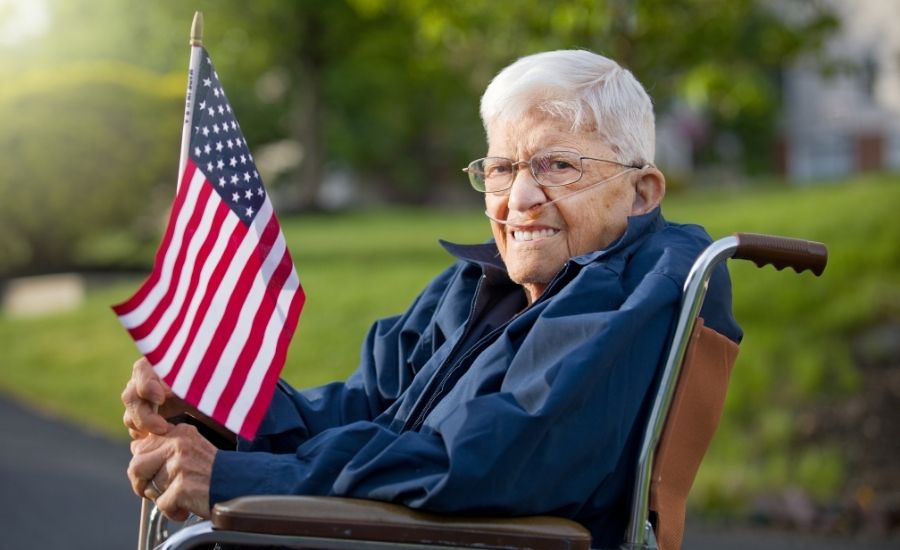
COPD is among the conditions most frequently managed by older veterans in Madison, particularly those who served during the Vietnam era. Exposure to Agent Orange is linked to respiratory cancers and other pulmonary conditions, and many of these are now VA-presumptive conditions. Veterans who served more recently and were exposed to burn pits may qualify for respiratory condition coverage under the PACT Act, which expanded presumptive eligibility significantly.Living with COPD at home is a daily management challenge. It means knowing when to use rescue inhalers versus maintenance medications, recognizing the early signs that an exacerbation is building (increased breathlessness, changes in sputum color, fatigue that feels different than usual), conserving energy across the day to reduce respiratory demand, and understanding when a symptom warrants a call to the physician versus when to call 911.
Skilled nursing support for COPD at home typically includes monitoring oxygen saturation levels, assessing breath sounds, managing medications and ensuring adherence to the full inhaler protocol, and educating the veteran and family on early warning signs. A nurse who visits regularly can catch the early signs of an exacerbation before it becomes an emergency admission. That's not a small thing for someone who's already managing oxygen at home in Middleton or Verona.
Heart Disease After Service: Why Home Monitoring Is a Clinical Intervention
Ischemic heart disease is a VA-presumptive condition for veterans with Agent Orange exposure. For veterans who have had a cardiac event or cardiac surgery, the post-acute period at home is when the risk of deterioration is real and when consistent monitoring genuinely changes outcomes.What skilled nursing covers for cardiac management at home: daily vital signs, weight monitoring to catch fluid retention early (a critical early indicator of heart failure exacerbation), assessment of peripheral edema, and medication management for the often complex cardiac regimen that follows a hospitalization. Cardiac medications interact with each other and with other drugs in a veteran's care plan. Adherence matters, timing matters, and having a nurse who is tracking the full picture matters.
Skilled nursing also provides direct communication with the veteran's care team. If a veteran in Fitchburg or Monona sees a two-pound overnight weight gain and increasing ankle swelling, the nurse who is there knows what to do with that information and how to get it to the cardiologist or VA provider before it becomes an emergency.
Diabetes Management at Home: More Than Blood Sugar Numbers
Diabetes is both a service-connected condition for some veterans and one of the most common comorbidities in the aging veteran population. Managing it well at home is not just about keeping glucose numbers in range, though that matters enormously.Home nursing for diabetes covers blood glucose monitoring support, insulin administration assistance or oversight, careful foot inspection and wound prevention, reinforcement of dietary guidance, and recognition of hypoglycemic events, including the subtler presentations that can be missed, particularly in veterans who also have cardiovascular conditions that can blunt the usual warning signs.
The clinical stakes are direct and documented. Poorly managed diabetes leads to peripheral neuropathy, which reduces sensation in the feet. Reduced sensation means wounds go unnoticed. Unnoticed wounds in people with compromised circulation can progress faster than most people expect. The link between inadequate diabetes management at home and hospitalization or amputation is not theoretical.
A skilled nurse who is inspecting a veteran's feet in Sun Prairie or Cottage Grove every week is providing a specific, preventable-harm intervention.
Call 608-441-8620 Our Website
When COPD, Heart Disease, and Diabetes Exist Together
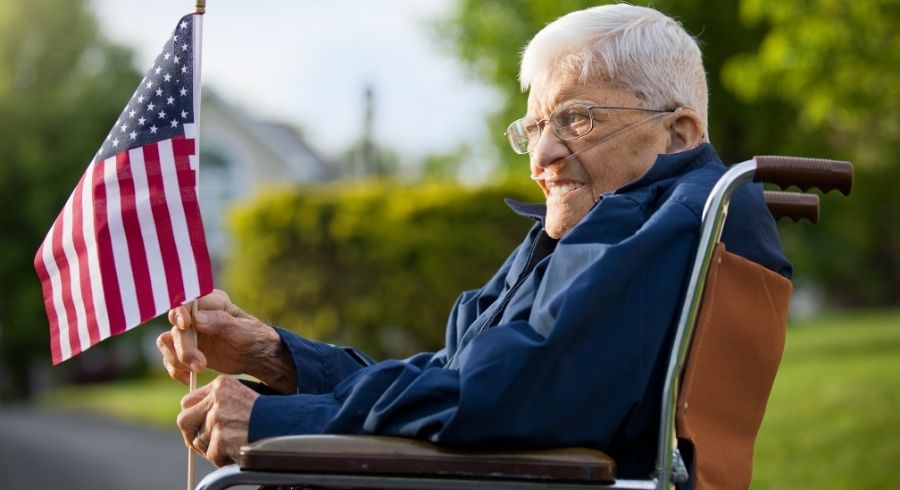
A veteran managing all three of these conditions is not managing three separate problems. They are managing a single, interconnected clinical picture in which each condition affects the others.COPD-related fatigue can make it harder to prepare the low-sodium, consistent-carbohydrate diet that both heart disease and diabetes require. Heart failure can cause fluid shifts that affect kidney function, which affects how diabetes medications are metabolized. Diabetic neuropathy in the feet contributes to reduced mobility, which reduces cardiovascular fitness and makes respiratory symptoms feel worse. And across all of it, the medication complexity for a veteran managing three major chronic conditions is genuinely demanding.
This is where seeing the whole picture matters. A skilled nurse who visits with awareness of all three conditions, reviewing the full medication list, assessing for signs of change across systems, and communicating findings to the relevant providers, is more clinically effective than any single-condition approach. It's also more practical for the veteran and family, who are otherwise trying to coordinate between multiple specialists and a VA care team simultaneously.
VA CCN for Chronic Condition Home Nursing in Madison
The William S. Middleton Memorial Veterans Hospital is the primary VA medical center for Dane County veterans and manages Community Care Network referrals for the region. In Wisconsin, the VA CCN is administered through Optum, which operates within UnitedHealthcare's network.Veterans who are receiving care at the VA and whose providers determine that skilled nursing monitoring at home is clinically appropriate for chronic condition management can receive a referral to a community provider through the CCN. This is not automatic; it requires a clinical determination from the VA care team that the need exists and that community care is the appropriate pathway. But for veterans managing COPD, cardiac conditions, or diabetes at home, it is worth a direct conversation with the VA provider about whether skilled nursing home care is an appropriate part of the care plan.
PACT Act: Recheck Your Eligibility If You Were Previously Denied
The PACT Act, signed in 2022, significantly expanded VA presumptive eligibility for veterans exposed to burn pits, Agent Orange, and other toxic exposures. Veterans who were previously denied service connection for COPD, respiratory conditions, certain cancers, or other conditions now covered under PACT Act presumptions should recheck their eligibility.New service connections can open new VA healthcare benefits and, where clinical need exists, new CCN pathways. This is particularly relevant for veterans who stopped pursuing VA care after an earlier denial and are now managing these conditions without VA support.
What to Ask a Home Care Agency About Chronic Condition Nursing
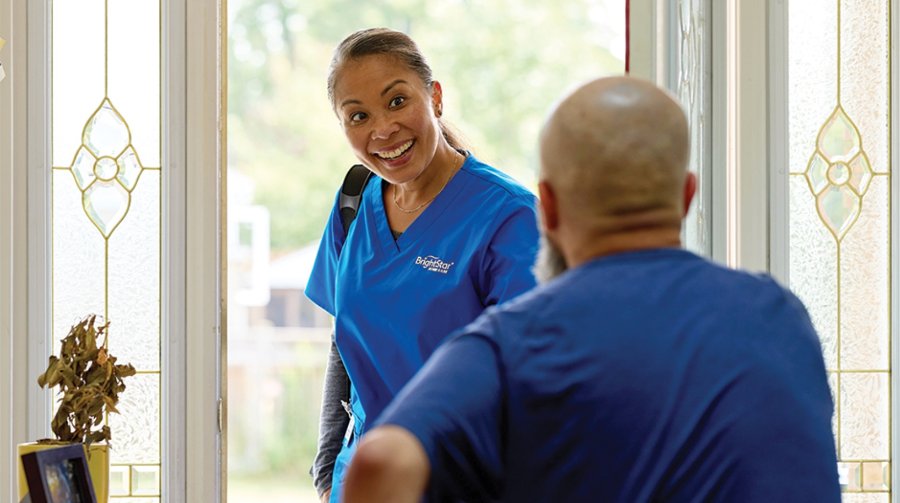
Not every home care agency is equipped to support medically complex veterans. When you're evaluating options, the right questions make the difference.Does the agency employ licensed nurses, not just home health aides? Is there a registered nurse who develops and oversees the care plan, rather than just supervising aides remotely? How does the nursing team communicate clinical findings to the veteran's VA care team and specialists? Can the agency provide skilled nursing visits alongside personal care assistance within the same coordinated plan?
These questions matter because chronic condition management at home is a clinical service. It requires licensed nurses with the training and authority to assess, report, and intervene. An agency that provides companion care or personal care alone is providing something valuable, but it is not the same service.
Call 608-441-8620 Our Website
Frequently Asked Questions
Q: Can a veteran use VA benefits to pay for skilled nursing at home for COPD or heart disease?
A: Yes, in many cases. Veterans enrolled in VA healthcare whose providers determine that skilled nursing at home is medically necessary for chronic condition management can be referred to a community provider through the VA Community Care Network. In Wisconsin, the CCN is administered through Optum. The referral requires a clinical determination from the VA care team, so veterans should bring the question directly to their VA provider.Q: What does a skilled nurse actually do differently than a home health aide for someone with multiple chronic conditions?
A: A licensed nurse can assess clinical status (breath sounds, vital signs, wound condition, signs of fluid retention), manage and oversee medications, document and communicate clinical findings to physicians and care teams, and make judgment calls about when a change requires urgent attention. A home health aide provides personal care: bathing, dressing, mobility assistance. Both have real value, but they are different services. For veterans managing COPD, heart disease, or diabetes, skilled nursing provides the clinical monitoring that can catch deterioration before it becomes an emergency.Q: My father is a Vietnam veteran with Agent Orange-related conditions. Where do we start if we want to explore VA-covered home nursing?
A: Start with his VA care team at the William S. Middleton Memorial Veterans Hospital in Madison. Ask whether skilled nursing at home is clinically appropriate for his current condition management, and whether a Community Care Network referral is an option. If he was previously denied service connection for a condition now covered under Agent Orange or PACT Act presumptions, it may also be worth a conversation with a VSO (Veterans Service Organization) about reopening that claim before pursuing care.BrightStar Care of Madison provides skilled nursing and personal care for veterans throughout Dane County, including Madison, Middleton, Sun Prairie, Fitchburg, Verona, Monona, and Cottage Grove. If you're a veteran or a family caregiver navigating chronic condition management at home, we're glad to talk through what the right level of support looks like for your situation.
Contact BrightStar Care of Madison:
- Phone: 608-441-8620
- Address: 3240 University Ave, Suite 3A, Madison, WI 53705
- Visit Us Online: https://www.brightstarcare.com/locations/madison/