
There is a version of this conversation that frames senior loneliness as a quality-of-life concern something that makes aging harder and less pleasant, a problem worth addressing if you can but not exactly urgent. That framing is wrong, and the evidence against it has been accumulating for years.
Senior loneliness is a health crisis. Not metaphorically. Not in the soft sense that everything difficult in aging eventually gets called a crisis. In the clinical, measurable, mortality-affecting sense that the medical community has been documenting with increasing urgency and that the U.S. Surgeon General formally recognized in a 2023 advisory on the epidemic of loneliness and isolation in America.
The research is consistent and sobering. Social isolation in older adults is associated with a 26 percent increased risk of dementia. It raises the risk of heart disease by 29 percent and stroke by 32 percent. It is associated with higher rates of depression, anxiety, and cognitive decline. The health impact of chronic loneliness has been compared, in multiple studies, to smoking fifteen cigarettes a day. It increases the risk of premature death by approximately 26 percent.
For families in Madison, Middleton, Sun Prairie, Verona, Fitchburg, and throughout Dane County who have a parent or loved one living alone or who live with others but are functionally isolated understanding what isolation actually does to the body and the mind, and what can meaningfully address it, is not a peripheral concern. It is one of the most important health conversations a family can have.
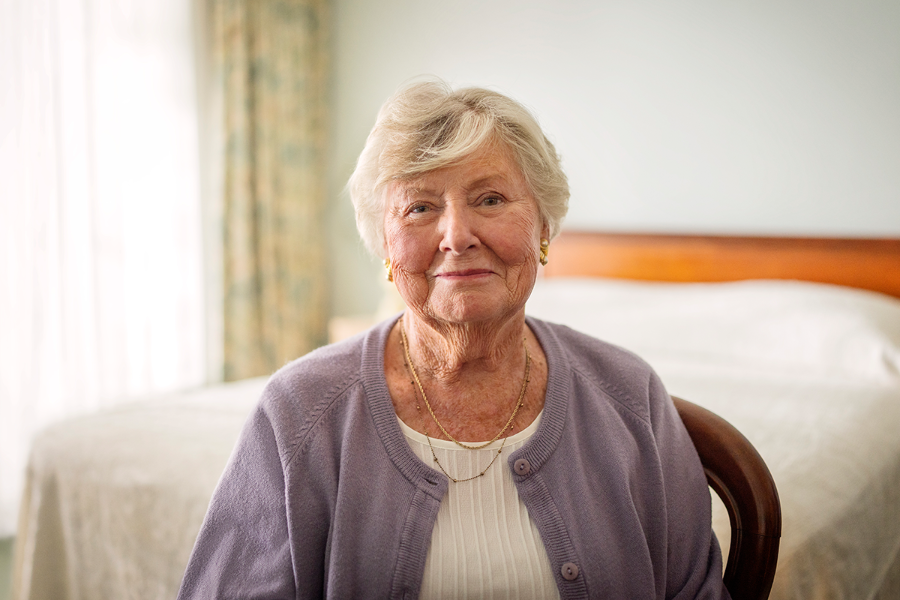
Loneliness at any age is painful. In older adults, it is structurally more likely and physiologically more damaging for reasons that are worth understanding.
The social networks that sustain people through midlife work colleagues, neighborhood connections, the social fabric built through children's activities and community involvement contract significantly in later life. Retirement removes the daily social infrastructure of the workplace. Friends and contemporaries die or develop their own health limitations. Adult children move away or are absorbed in their own lives and families. Driving becomes limited or stops. Chronic health conditions reduce mobility and the energy available for social engagement.
The result, for many older adults, is a daily life with far fewer human interactions than they experienced at any previous point and often far fewer than they are aware of needing. Many older adults who are significantly isolated report that they feel fine, that they are used to being alone, that they do not want to be a burden. The subjective experience of loneliness and the objective health impact of isolation do not always track together. A person can be physiologically harmed by isolation without fully experiencing it as loneliness which makes it easier for families to underestimate what is happening.
In Wisconsin, the picture is particularly relevant. Long winters in Madison and Dane County reduce the outdoor activity and informal community interaction that more moderate climates sustain year-round. Rural older adults in surrounding communities may face geographic barriers to social participation that are distinct from urban isolation but no less significant in their impact.
Companion Care Services
The mechanism through which social isolation damages health is not simply emotional. It is physiological and understanding that makes the health stakes clearer.
The research on social isolation and dementia is not correlational in a loose sense it reflects a genuine biological relationship. Chronic isolation is associated with increased amyloid plaque accumulation, the neurological hallmark of Alzheimer's disease. It accelerates cognitive decline in ways that are measurable and meaningful. For older adults who are already at elevated risk of dementia due to age or family history, the added risk of isolation is compounded.
Conversely, robust social engagement has been consistently identified as one of the most protective factors against cognitive decline more protective than many pharmacological interventions. This is not an argument against medical treatment. It is an argument for taking social connection as seriously as medication adherence in the management of cognitive aging.
This is why the stroke and heart disease risk elevations associated with isolation are not trivially small. A 29 percent increase in heart disease risk and a 32 percent increase in stroke risk are clinically significant numbers that would prompt immediate attention if they were associated with a medication, a diet pattern, or a modifiable behavioral risk factor. Social isolation is a modifiable risk factor.
Untreated depression in older adults is not benign. It is associated with accelerated physical decline, reduced adherence to medical treatment, increased pain perception, and significantly elevated mortality risk. It is also associated with a dramatically increased risk of suicide in older men specifically a population whose isolation risk is often less visible than that of older women.
Companion care is non-medical in-home care focused on social connection, engagement, and the practical support that enables an older adult to remain active and connected to their community. It is not clinical care a companion caregiver is not a nurse, and companion care is not a medical service. It is something different and, in the context of isolation, something the clinical evidence suggests is at least as important.
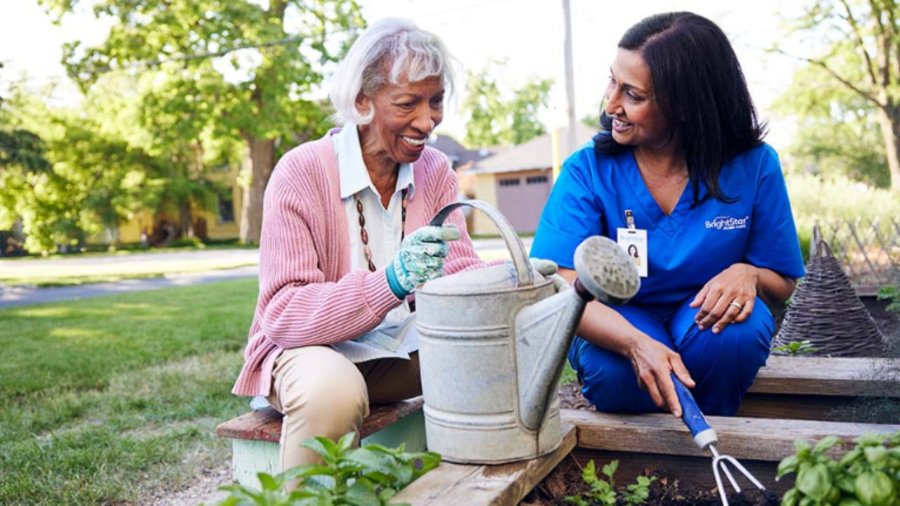
A companion caregiver provides consistent, warm human presence. They engage in conversation, share activities, and provide the kind of unhurried attention that is hard to find when family members are managing their own demanding lives. They accompany a client to appointments, to community events, to the coffee shop they used to visit before driving became difficult. They notice when something has changed when the client seems more withdrawn than usual, less interested in things they normally enjoy, more confused or more flat and they are positioned to communicate those observations to the family.
For isolated older adults in Madison and the surrounding Dane County communities, this is not a supplemental service. It is often the most significant health intervention available because it directly addresses the mechanism through which isolation causes harm.
There is a cultural tendency to view companion care as something families arrange when they feel guilty, or when they want to do something for a parent without quite knowing what. That framing undervalues what companion care actually does. The evidence supports treating consistent social engagement as a genuine health priority and companion care is the mechanism through which that priority is delivered for older adults who can no longer sustain it independently.
Call Us Now Companion Care Services
Madison is in many ways an excellent city for older adults with walkable neighborhoods, a strong arts and culture scene, access to excellent healthcare, a university community that generates the kind of intellectual and social energy that makes urban aging more engaging than in many comparable cities. The farmer's markets, the community events along the lakeshore, the breadth of programming available through the City of Madison Senior Center and surrounding Dane County resources all of these are genuine assets for older adults who can access them.
The challenge is access. For older adults with limited mobility, without a car, managing chronic health conditions that reduce stamina, or simply living in the kind of quiet that descends when a life's social infrastructure has contracted, these assets are theoretical rather than practical. They exist, but they are out of reach.
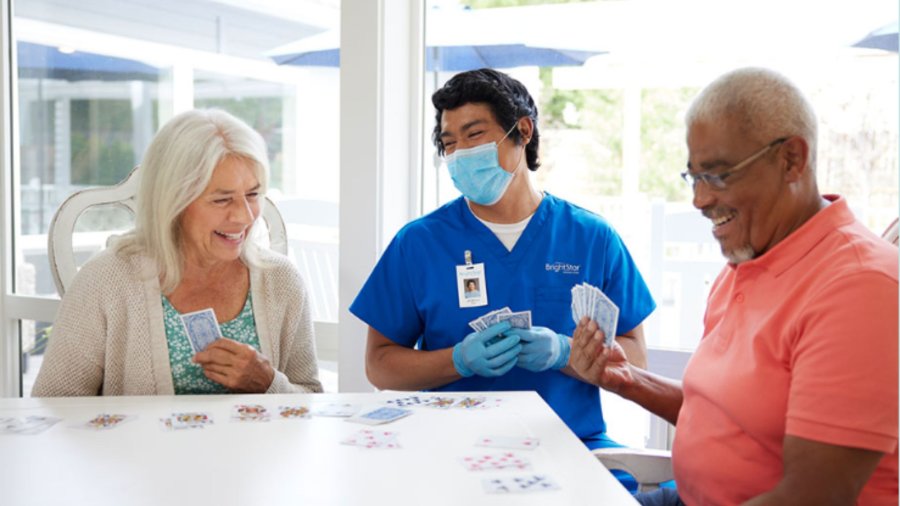
A companion caregiver who knows the client, understands what they used to enjoy and what still lights something up in them, and can facilitate access to the community they live in whether that means accompanying them to the Dane County Farmers' Market, sharing a walk around Wingra Park, or simply sitting across from them at their kitchen table and having a real conversation is doing something the healthcare system does not have a billing code for and cannot provide.
Contact BrightStar Care of Madison:
Because isolation often does not present as a dramatic crisis because it accumulates quietly, because affected older adults frequently minimize it, and because family members who are not present daily often miss the gradual change it is worth knowing what the signs actually look like.
Withdrawal from activities the person previously enjoyed. A noticeable decrease in phone or video calls with family and friends. Increased time watching television or sleeping. A home that feels quieter and less maintained than it used to. Less interest in food and meals. Comments, even casual ones, about having no one to talk to, or about feeling like a burden. Increased complaints about physical symptoms of pain, fatigue, headaches that may reflect the somatic expression of depression. Cognitive changes that seem to be accelerating faster than expected.
None of these signs requires a crisis to prompt action. They are the signals that companion care is worth considering now, before the isolation has progressed further and the health costs have accumulated.
At BrightStar Care of Madison, we provide both skilled nursing and non-medical home care including companion care for older adults and their families throughout Madison, Middleton, Sun Prairie, Verona, Fitchburg, Monona, and surrounding Dane County communities.
Our companion caregivers are matched to clients with attention to personality, interests, and the specific kind of connection each person needs. For some clients, that is an active companion who can accompany them to community events and get them out of the house. For others, it is someone who will sit and talk, really talk, not just be present and engage with the person they are, not just the care needs they have.
We take this matching seriously because we know that the quality of the relationship is the service. A companion caregiver who genuinely connects with a client provides something that cannot be replicated by a well-meaning but poorly matched presence. Getting it right is the work.
Many older adults benefit from both, and the two are not mutually exclusive. Companion care addresses the social, emotional, and practical dimensions of daily life. Skilled nursing addresses clinical needs medication management, wound care, health monitoring. If your parent is showing signs of significant physical health decline alongside social isolation, a conversation with their physician and a home care assessment can help determine what level of support is appropriate. If the primary concern is isolation, loneliness, and the absence of consistent human connection, companion care is the right starting point.
BrightStar Care of Madison provides skilled nursing and non-medical home care services including companion care for older adults and their families throughout Madison, Middleton, Sun Prairie, Verona, Fitchburg, Monona, and surrounding Dane County communities. To speak with a care coordinator about companion care for your loved one, contact our Madison office today.
Call Us Now Companion Care Services
Senior loneliness is a health crisis. Not metaphorically. Not in the soft sense that everything difficult in aging eventually gets called a crisis. In the clinical, measurable, mortality-affecting sense that the medical community has been documenting with increasing urgency and that the U.S. Surgeon General formally recognized in a 2023 advisory on the epidemic of loneliness and isolation in America.
The research is consistent and sobering. Social isolation in older adults is associated with a 26 percent increased risk of dementia. It raises the risk of heart disease by 29 percent and stroke by 32 percent. It is associated with higher rates of depression, anxiety, and cognitive decline. The health impact of chronic loneliness has been compared, in multiple studies, to smoking fifteen cigarettes a day. It increases the risk of premature death by approximately 26 percent.
For families in Madison, Middleton, Sun Prairie, Verona, Fitchburg, and throughout Dane County who have a parent or loved one living alone or who live with others but are functionally isolated understanding what isolation actually does to the body and the mind, and what can meaningfully address it, is not a peripheral concern. It is one of the most important health conversations a family can have.
Why Older Adults Are Uniquely Vulnerable to Isolation
Loneliness at any age is painful. In older adults, it is structurally more likely and physiologically more damaging for reasons that are worth understanding.The social networks that sustain people through midlife work colleagues, neighborhood connections, the social fabric built through children's activities and community involvement contract significantly in later life. Retirement removes the daily social infrastructure of the workplace. Friends and contemporaries die or develop their own health limitations. Adult children move away or are absorbed in their own lives and families. Driving becomes limited or stops. Chronic health conditions reduce mobility and the energy available for social engagement.
The result, for many older adults, is a daily life with far fewer human interactions than they experienced at any previous point and often far fewer than they are aware of needing. Many older adults who are significantly isolated report that they feel fine, that they are used to being alone, that they do not want to be a burden. The subjective experience of loneliness and the objective health impact of isolation do not always track together. A person can be physiologically harmed by isolation without fully experiencing it as loneliness which makes it easier for families to underestimate what is happening.
In Wisconsin, the picture is particularly relevant. Long winters in Madison and Dane County reduce the outdoor activity and informal community interaction that more moderate climates sustain year-round. Rural older adults in surrounding communities may face geographic barriers to social participation that are distinct from urban isolation but no less significant in their impact.
Companion Care Services
What Isolation Does to the Body and Brain
The mechanism through which social isolation damages health is not simply emotional. It is physiological and understanding that makes the health stakes clearer.
Cognitive Decline and Dementia
Human brains are social organs. They are maintained and stimulated through conversation, through the cognitive demands of social interaction, through the emotional engagement that relationships require. When that stimulation is consistently absent, the brain loses the input it uses to stay sharp.The research on social isolation and dementia is not correlational in a loose sense it reflects a genuine biological relationship. Chronic isolation is associated with increased amyloid plaque accumulation, the neurological hallmark of Alzheimer's disease. It accelerates cognitive decline in ways that are measurable and meaningful. For older adults who are already at elevated risk of dementia due to age or family history, the added risk of isolation is compounded.
Conversely, robust social engagement has been consistently identified as one of the most protective factors against cognitive decline more protective than many pharmacological interventions. This is not an argument against medical treatment. It is an argument for taking social connection as seriously as medication adherence in the management of cognitive aging.
Cardiovascular Disease and Stroke
The cardiovascular impact of chronic loneliness is mediated through the stress response. Social isolation activates the same threat-detection systems that respond to physical danger triggering elevated cortisol levels, inflammatory responses, and autonomic nervous system dysregulation that, sustained over time, damage the heart and vascular system.This is why the stroke and heart disease risk elevations associated with isolation are not trivially small. A 29 percent increase in heart disease risk and a 32 percent increase in stroke risk are clinically significant numbers that would prompt immediate attention if they were associated with a medication, a diet pattern, or a modifiable behavioral risk factor. Social isolation is a modifiable risk factor.
Depression and Mental Health
Depression in older adults is consistently underdiagnosed and undertreated, and social isolation is among its most reliable precipitants. The relationship is bidirectional, depression increases isolation, and isolation deepens depression in a cycle that can be very difficult to interrupt without external intervention.Untreated depression in older adults is not benign. It is associated with accelerated physical decline, reduced adherence to medical treatment, increased pain perception, and significantly elevated mortality risk. It is also associated with a dramatically increased risk of suicide in older men specifically a population whose isolation risk is often less visible than that of older women.
Physical Health and Self-Care
Isolated older adults are less likely to eat well, exercise consistently, take medications as prescribed, and attend medical appointments. The motivational scaffolding that sustains healthy behavior, social reinforcement, accountability, and the simple presence of someone who notices and cares is absent. The result is a pattern of physical self-neglect that compounds over time in ways that accelerate decline across multiple health domains simultaneously.
What Companion Care Is and Why It Is Not a Luxury
Companion care is non-medical in-home care focused on social connection, engagement, and the practical support that enables an older adult to remain active and connected to their community. It is not clinical care a companion caregiver is not a nurse, and companion care is not a medical service. It is something different and, in the context of isolation, something the clinical evidence suggests is at least as important.A companion caregiver provides consistent, warm human presence. They engage in conversation, share activities, and provide the kind of unhurried attention that is hard to find when family members are managing their own demanding lives. They accompany a client to appointments, to community events, to the coffee shop they used to visit before driving became difficult. They notice when something has changed when the client seems more withdrawn than usual, less interested in things they normally enjoy, more confused or more flat and they are positioned to communicate those observations to the family.
For isolated older adults in Madison and the surrounding Dane County communities, this is not a supplemental service. It is often the most significant health intervention available because it directly addresses the mechanism through which isolation causes harm.
There is a cultural tendency to view companion care as something families arrange when they feel guilty, or when they want to do something for a parent without quite knowing what. That framing undervalues what companion care actually does. The evidence supports treating consistent social engagement as a genuine health priority and companion care is the mechanism through which that priority is delivered for older adults who can no longer sustain it independently.
Call Us Now Companion Care Services
The Madison Community Context
Madison is in many ways an excellent city for older adults with walkable neighborhoods, a strong arts and culture scene, access to excellent healthcare, a university community that generates the kind of intellectual and social energy that makes urban aging more engaging than in many comparable cities. The farmer's markets, the community events along the lakeshore, the breadth of programming available through the City of Madison Senior Center and surrounding Dane County resources all of these are genuine assets for older adults who can access them.The challenge is access. For older adults with limited mobility, without a car, managing chronic health conditions that reduce stamina, or simply living in the kind of quiet that descends when a life's social infrastructure has contracted, these assets are theoretical rather than practical. They exist, but they are out of reach.
A companion caregiver who knows the client, understands what they used to enjoy and what still lights something up in them, and can facilitate access to the community they live in whether that means accompanying them to the Dane County Farmers' Market, sharing a walk around Wingra Park, or simply sitting across from them at their kitchen table and having a real conversation is doing something the healthcare system does not have a billing code for and cannot provide.
Contact BrightStar Care of Madison:
- Phone: 608-441-8620
- Address: 3240 University Ave, Suite 3A, Madison, WI 53705
- Visit Us Online: BrightStar Care of Madison
What Families Should Know About Recognizing Isolation
Because isolation often does not present as a dramatic crisis because it accumulates quietly, because affected older adults frequently minimize it, and because family members who are not present daily often miss the gradual change it is worth knowing what the signs actually look like.Withdrawal from activities the person previously enjoyed. A noticeable decrease in phone or video calls with family and friends. Increased time watching television or sleeping. A home that feels quieter and less maintained than it used to. Less interest in food and meals. Comments, even casual ones, about having no one to talk to, or about feeling like a burden. Increased complaints about physical symptoms of pain, fatigue, headaches that may reflect the somatic expression of depression. Cognitive changes that seem to be accelerating faster than expected.
None of these signs requires a crisis to prompt action. They are the signals that companion care is worth considering now, before the isolation has progressed further and the health costs have accumulated.
How BrightStar Care of Madison Approaches Companion Care
At BrightStar Care of Madison, we provide both skilled nursing and non-medical home care including companion care for older adults and their families throughout Madison, Middleton, Sun Prairie, Verona, Fitchburg, Monona, and surrounding Dane County communities.Our companion caregivers are matched to clients with attention to personality, interests, and the specific kind of connection each person needs. For some clients, that is an active companion who can accompany them to community events and get them out of the house. For others, it is someone who will sit and talk, really talk, not just be present and engage with the person they are, not just the care needs they have.
We take this matching seriously because we know that the quality of the relationship is the service. A companion caregiver who genuinely connects with a client provides something that cannot be replicated by a well-meaning but poorly matched presence. Getting it right is the work.
Frequently Asked Questions
Q: Is senior loneliness really as serious a health risk as the research suggests?
Yes. The research on social isolation and older adult health is extensive, consistent across multiple independent studies, and has been formally recognized by public health authorities including the U.S. Surgeon General. The health impacts of elevated dementia risk, cardiovascular disease, stroke, depression, accelerated cognitive decline, and increased mortality are not marginal. They are clinically significant in ways that place social isolation alongside smoking, physical inactivity, and obesity as a major modifiable risk factor for poor health outcomes in older adults.Q: How is companion care different from just having family visit more often?
Family visits are valuable and irreplaceable but they are not a substitute for consistent, ongoing social engagement, for several reasons. Family members typically cannot visit as frequently as a consistent companion care relationship provides. The dynamic of a family relationship is different from the dynamic of a companion relationship family interactions often involve care tasks, logistical discussions, and emotional weight that is distinct from the kind of relaxed, focused engagement a companion caregiver provides. And family members are often not available during the hours of the day, weekday mornings, long afternoons when isolation is most acute.
Q: How do I know if my parent needs companion care or more clinical support?
Many older adults benefit from both, and the two are not mutually exclusive. Companion care addresses the social, emotional, and practical dimensions of daily life. Skilled nursing addresses clinical needs medication management, wound care, health monitoring. If your parent is showing signs of significant physical health decline alongside social isolation, a conversation with their physician and a home care assessment can help determine what level of support is appropriate. If the primary concern is isolation, loneliness, and the absence of consistent human connection, companion care is the right starting point.BrightStar Care of Madison provides skilled nursing and non-medical home care services including companion care for older adults and their families throughout Madison, Middleton, Sun Prairie, Verona, Fitchburg, Monona, and surrounding Dane County communities. To speak with a care coordinator about companion care for your loved one, contact our Madison office today.
Call Us Now Companion Care Services