
If you have a parent or spouse living with memory loss in Evanston, Northbrook, or Skokie, you’ve likely seen the advertisements. Your social media feed is probably full of "brain-training" apps and puzzles promising to sharpen focus or even "reverse" the signs of aging.
It’s natural to be skeptical. In fact, skepticism is healthy. Families often ask us: “Can a game actually help her memory, or are we just passing the time?”
As we recognize Alzheimer’s & Brain Awareness Month this June, we want to provide an honest look at what brain games can and cannot do for your loved one.
Let’s start with the hard truth: There is currently no game, app, or puzzle that can "cure" dementia or stop the underlying physical changes in the brain. If a product claims to "reverse" Alzheimer’s, it is over-promising.
When we rely solely on a screen or a standardized app, it can sometimes lead to more frustration than help. If a game is too difficult or lacks a personal connection, a senior may feel like they are being "tested," which can trigger anxiety and outbursts.
While games aren't a cure, they are a vital clinical tool when used correctly. At BrightStar Care of Evanston Northbrook, we incorporate cognitive engagement into our care plans for three specific reasons:
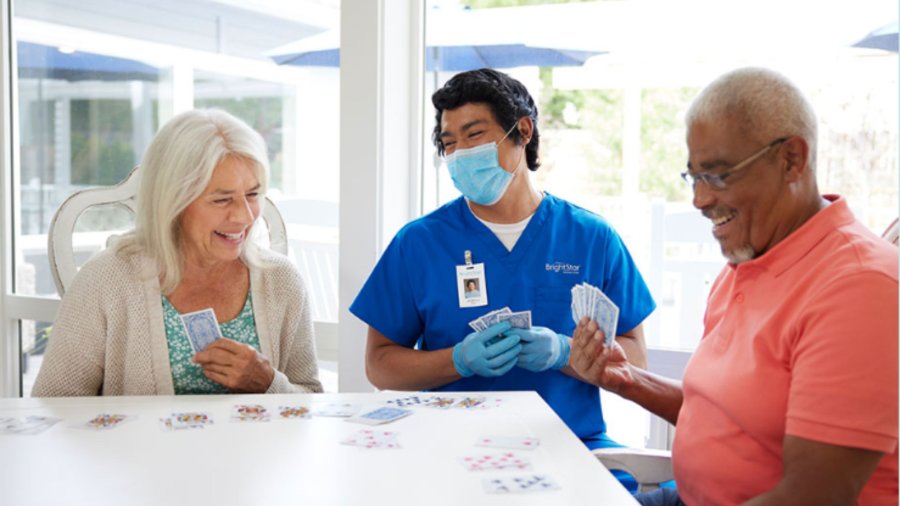
Think of the brain like a muscle. While we can’t stop the disease, we can strengthen the "healthy" parts of the brain. Meaningful engagement like a game of cards or a sorting task helps maintain "cognitive reserve," which can lead to more "good days" and better communication for a longer period.
Boredom and isolation are two of the biggest triggers for "agitated" behavior. When a senior is engaged in a low-stress game, their brain is occupied and their dopamine levels rise. This sense of accomplishment can significantly reduce the restlessness that often hits in the late afternoon.
The best "brain games" aren't digital; they are social.
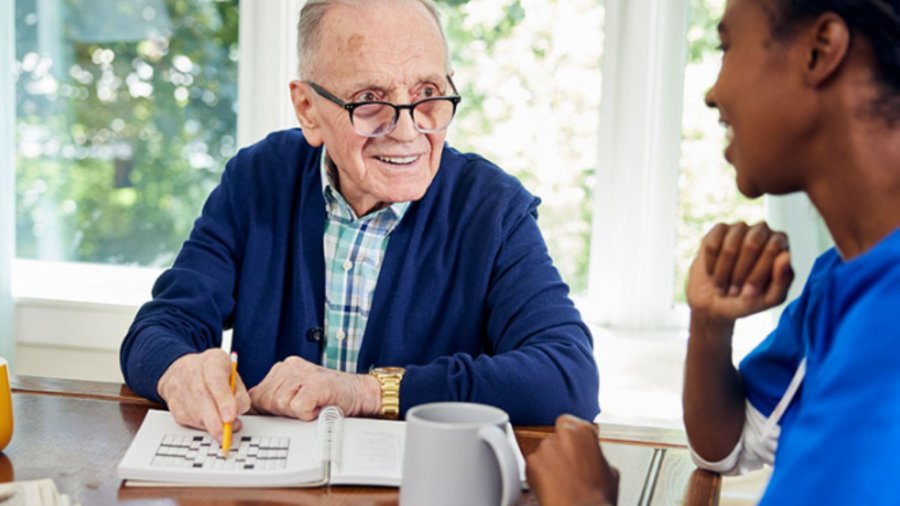
What makes memory care effective isn't the game itself it’s the person facilitating it. Because our care is Nurse-Led, we don't just hand someone a puzzle and walk away.
Short bursts are best. Aim for 15 to 20 minutes of engagement. If they start to look tired or frustrated, it’s time to stop and move to a different activity or a rest period.
Let them! If they want to sort the cards by color instead of suit, or if they want to make up their own rules for checkers, follow their lead. The goal is the connection and the "win," not the rules.

This Alzheimer’s & Brain Awareness Month, don't stay trapped in skepticism or frustration. Let our nurse-led team provide the professional support and the brain-boosting routines your family deserves.
Contact BrightStar Care of Evanston & Northbrook:
It’s natural to be skeptical. In fact, skepticism is healthy. Families often ask us: “Can a game actually help her memory, or are we just passing the time?”
As we recognize Alzheimer’s & Brain Awareness Month this June, we want to provide an honest look at what brain games can and cannot do for your loved one.
The Reality Check: What Games Can’t Do
Let’s start with the hard truth: There is currently no game, app, or puzzle that can "cure" dementia or stop the underlying physical changes in the brain. If a product claims to "reverse" Alzheimer’s, it is over-promising.When we rely solely on a screen or a standardized app, it can sometimes lead to more frustration than help. If a game is too difficult or lacks a personal connection, a senior may feel like they are being "tested," which can trigger anxiety and outbursts.
The Clinical Value: What Games Can Do
While games aren't a cure, they are a vital clinical tool when used correctly. At BrightStar Care of Evanston Northbrook, we incorporate cognitive engagement into our care plans for three specific reasons:
1. Building "Cognitive Reserve"
Think of the brain like a muscle. While we can’t stop the disease, we can strengthen the "healthy" parts of the brain. Meaningful engagement like a game of cards or a sorting task helps maintain "cognitive reserve," which can lead to more "good days" and better communication for a longer period.
2. Reducing Anxiety and "Sundowning"
Boredom and isolation are two of the biggest triggers for "agitated" behavior. When a senior is engaged in a low-stress game, their brain is occupied and their dopamine levels rise. This sense of accomplishment can significantly reduce the restlessness that often hits in the late afternoon.
3. Sparking Real-World Connection
The best "brain games" aren't digital; they are social.
- The "Soundtrack Game": Playing music from their youth to spark emotional memories.
- The "Grocery Challenge": Asking for help remembering a simple three-item list for lunch.
- Tactile Sorting: Organizing a collection of buttons or a deck of cards.
The Nurse-Led Difference
What makes memory care effective isn't the game itself it’s the person facilitating it. Because our care is Nurse-Led, we don't just hand someone a puzzle and walk away.
- RN Oversight: Our Registered Nurse (RN) Director of Nursing evaluates each client’s "clinical whole." We match the level of challenge to their specific ability to ensure they feel successful, not frustrated.
- Clinical Monitoring: We act as the "eyes and ears" for doctors at NorthShore Evanston Hospital or Glenbrook Hospital. If a senior suddenly loses interest in a favorite game, our RNs know to check for underlying issues like a UTI or a medication change.
- 1:1 Engagement: Our caregivers are trained to use these games as a bridge to conversation, ensuring your loved one is never navigating the "fog" of dementia in isolation.
FAQs for Metro North Families
1. Is it better to use an iPad or physical games?
While tablets have their place, physical, tactile games (like cards or sorting objects) are often better for seniors with dementia. The "touch and feel" aspect provides more sensory input, which helps ground them in the present.
2. How long should we play?
Short bursts are best. Aim for 15 to 20 minutes of engagement. If they start to look tired or frustrated, it’s time to stop and move to a different activity or a rest period.
3. What if they want to play the game "wrong"?
Let them! If they want to sort the cards by color instead of suit, or if they want to make up their own rules for checkers, follow their lead. The goal is the connection and the "win," not the rules.
Find a Better Way to Connect This June
This Alzheimer’s & Brain Awareness Month, don't stay trapped in skepticism or frustration. Let our nurse-led team provide the professional support and the brain-boosting routines your family deserves.Contact BrightStar Care of Evanston & Northbrook:
- Phone: 847-510-5750
- Address: 950 Skokie Blvd, Ste 301, Northbrook, IL 60062
- Visit Us Online: BrightStar Care Northbrook/Evanston