
When families first start researching in-home care, they often encounter terminology that sounds interchangeable but isn't. Companion care. Personal care. Non-medical home care. Home health aide. The words get used loosely by agencies, by insurance companies, by well-meaning friends who've been through this with their own parents and the result is a lot of confusion at exactly the moment when clarity matters most.
The distinction between companion care and personal care isn't just semantic. It shapes what services your loved one receives, what your caregiving budget needs to cover, and whether the support you put in place actually meets the needs that exist. For families in Evanston, Northbrook, and the surrounding North Shore communities, understanding this difference is one of the most practical things you can do before making a care decision.
Here's a clear, honest breakdown.
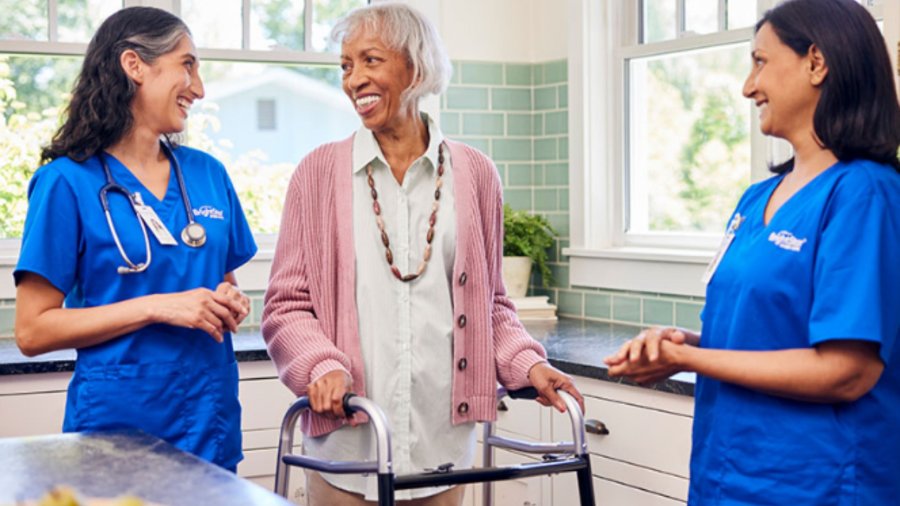
Companion care is exactly what it sounds like care centered on presence, connection, and engagement. It is the social and emotional layer of in-home support, and it addresses something that physical assistance alone cannot: the very real human need to feel connected, seen, and not alone.
A companion caregiver provides:
Companion care is well-suited for seniors who are largely independent in their physical daily life but are struggling with isolation, loneliness, or the loss of the social structures that used to fill their days: a career, a driving routine, a spouse. It is also appropriate as a proactive support for seniors whose families live at a distance and want consistent, trusted eyes and ears in the home.
On the North Shore, where many adult children commute to Chicago or travel frequently for work, companion care provides families with genuine peace of mind that a parent living alone in Evanston or Northbrook has regular, reliable human contact, not just a check-in call.
Call Us Today Visit Our Website
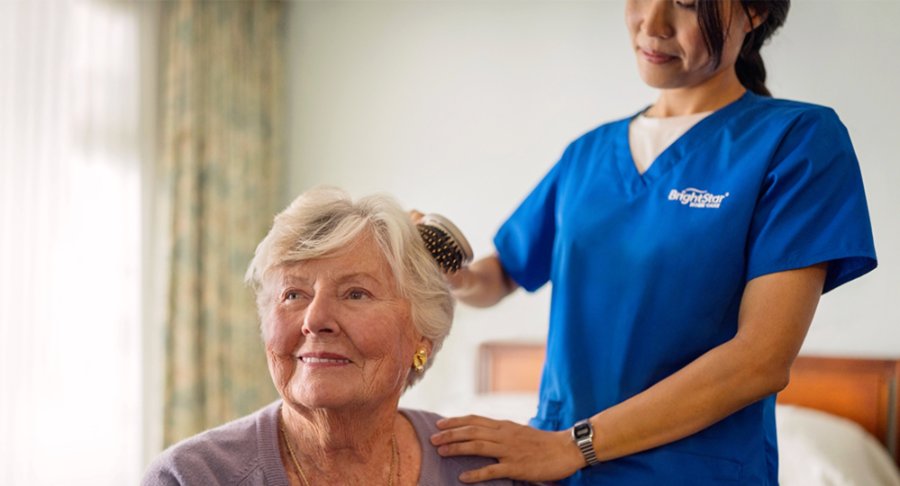
Personal care goes a step further. It encompasses hands-on assistance with the activities of daily living the intimate, physical tasks that become difficult or unsafe as mobility declines, strength decreases, or health conditions progress.
A personal care caregiver provides everything a companion caregiver does, plus:
Personal care is appropriate for seniors whose physical limitations - whether from aging, a chronic condition, post-surgical recovery, or progressive illness - have made managing their own body safely a real challenge. Families often recognize this need when they notice a parent skipping showers, wearing the same clothes for multiple days, or showing signs of a fall risk during routine movements like getting up from a chair or stepping out of a tub.
It is also the appropriate level of care for seniors with moderate to advanced dementia who can no longer safely manage their own hygiene or physical routines without guidance and assistance.
Understanding the difference between companion and personal care isn't just an academic exercise - it has real, practical implications for how care is planned and delivered.
At BrightStar Care of Evanston & Northbrook, every client begins with a care assessment. Part of what that assessment determines is which type of care companion, personal, or a combination of both is actually needed. A care plan built around companion care for a client who quietly needs personal care will fall short. Conversely, personal care for a client who only needs companionship can feel intrusive and unnecessary.
Getting this right from the start makes care more effective and more respectful of what your loved one actually needs.
Most clients don't stay at the same level of need indefinitely. A senior who begins with companion care regular visits, outings, shared meals may gradually need personal care assistance as physical ability declines. Having a care team in place that already knows the client, has built trust, and can expand its scope without disruption is a significant advantage.
This continuity matters enormously. Introducing personal care to a client who is already comfortable with a caregiver is a very different experience than bringing in someone new for the first time to help with bathing and dressing. The relationship that companion care builds becomes the foundation that personal care depends on.
For families navigating the conversation about bringing in support, the framing matters. Many seniors are far more receptive to the idea of a companion, someone to keep them company, drive them around, help around the house than they are to the idea of a caregiver helping them bathe. Starting with companion care, when needs allow for it, is often the gentler, more effective entry point.
Yes — and in practice, most caregiving relationships involve elements of both companion and personal care, often within a single visit.
A caregiver might arrive in the morning, help a client shower and dress, prepare breakfast, then spend the rest of the visit on a walk through Evanston's lakefront neighborhoods, working on a crossword puzzle together, or driving to a medical appointment in Northbrook. That visit weaves personal care and companionship together seamlessly and the best caregivers do this naturally, without making the personal care feel clinical or the companionship feel programmatic.
At BrightStar Care of Evanston & Northbrook, we tailor every care plan to the actual person, their needs, their preferences, their personality, and their schedule. Whether your loved one needs primarily companionship, primarily personal care, or a thoughtful blend of both, we build care around what they need to live well at home.
What we do provide, we do exceptionally well: compassionate, professional, non-medical care that helps seniors across the North Shore - in Evanston, Northbrook, Wilmette, Winnetka, Glenview, and surrounding communities - stay safely and comfortably in the homes they love.
Contact BrightStar Care of Evanston & Northbrook:
If your parent is physically independent but struggling with loneliness, isolation, or managing daily tasks like cooking and errands, companion care is likely the right fit. If they are having difficulty safely bathing, dressing, or moving around the home or if you've noticed signs of declining hygiene or fall risk personal care is likely needed. A professional care assessment can help identify the right level of support based on your loved one's specific situation.
It can feel that way at first and that's a legitimate concern worth taking seriously. The key is finding a caregiver who approaches personal care with professionalism, patience, and genuine respect for the client's dignity. Many seniors who were initially resistant to personal care find that with the right caregiver, it becomes a comfortable and even appreciated part of their routine. Starting with companion care and building the relationship first, when the situation allows for it, can also make the transition to personal care feel less abrupt.
BrightStar Care of Evanston & Northbrook provides non-medical home care services including companion care and personal care for seniors and adults throughout Evanston, Northbrook, Wilmette, Winnetka, Glenview, and surrounding North Shore communities. To schedule a free care consultation, contact our office at 847-510-5750 today.
Call Us Today Visit Our Website
The distinction between companion care and personal care isn't just semantic. It shapes what services your loved one receives, what your caregiving budget needs to cover, and whether the support you put in place actually meets the needs that exist. For families in Evanston, Northbrook, and the surrounding North Shore communities, understanding this difference is one of the most practical things you can do before making a care decision.
Here's a clear, honest breakdown.
What Is Companion Care?
Companion care is exactly what it sounds like care centered on presence, connection, and engagement. It is the social and emotional layer of in-home support, and it addresses something that physical assistance alone cannot: the very real human need to feel connected, seen, and not alone.A companion caregiver provides:
- Conversation and emotional support
- Accompaniment on walks, outings, and errands
- Help with hobbies and leisure activities reading together, working on puzzles, playing cards, gardening
- Transportation to appointments, social events, houses of worship, or community activities
- Light meal preparation and shared mealtimes
- Light housekeeping tidying, laundry, dishes to maintain a comfortable home environment
- Help with correspondence, reading mail, or making phone calls
- Reminders for medications that a client self-administers
Who Needs Companion Care?
Companion care is well-suited for seniors who are largely independent in their physical daily life but are struggling with isolation, loneliness, or the loss of the social structures that used to fill their days: a career, a driving routine, a spouse. It is also appropriate as a proactive support for seniors whose families live at a distance and want consistent, trusted eyes and ears in the home.On the North Shore, where many adult children commute to Chicago or travel frequently for work, companion care provides families with genuine peace of mind that a parent living alone in Evanston or Northbrook has regular, reliable human contact, not just a check-in call.
Call Us Today Visit Our Website
What Is Personal Care?
Personal care goes a step further. It encompasses hands-on assistance with the activities of daily living the intimate, physical tasks that become difficult or unsafe as mobility declines, strength decreases, or health conditions progress.A personal care caregiver provides everything a companion caregiver does, plus:
- Bathing and showering assistance
- Dressing and undressing
- Grooming - hair care, oral hygiene, shaving, nail care
- Toileting and incontinence care
- Mobility assistance - transferring from bed to chair, navigating stairs, fall prevention support
- Positioning and repositioning for clients with limited mobility
- Feeding assistance for clients who need support at mealtimes
Who Needs Personal Care?
Personal care is appropriate for seniors whose physical limitations - whether from aging, a chronic condition, post-surgical recovery, or progressive illness - have made managing their own body safely a real challenge. Families often recognize this need when they notice a parent skipping showers, wearing the same clothes for multiple days, or showing signs of a fall risk during routine movements like getting up from a chair or stepping out of a tub.It is also the appropriate level of care for seniors with moderate to advanced dementia who can no longer safely manage their own hygiene or physical routines without guidance and assistance.
Call Us Today Visit Our Website
Why the Distinction Matters in Practice
Understanding the difference between companion and personal care isn't just an academic exercise - it has real, practical implications for how care is planned and delivered.
It Affects the Care Plan
At BrightStar Care of Evanston & Northbrook, every client begins with a care assessment. Part of what that assessment determines is which type of care companion, personal, or a combination of both is actually needed. A care plan built around companion care for a client who quietly needs personal care will fall short. Conversely, personal care for a client who only needs companionship can feel intrusive and unnecessary.Getting this right from the start makes care more effective and more respectful of what your loved one actually needs.
It Affects How Care Evolves Over Time
Most clients don't stay at the same level of need indefinitely. A senior who begins with companion care regular visits, outings, shared meals may gradually need personal care assistance as physical ability declines. Having a care team in place that already knows the client, has built trust, and can expand its scope without disruption is a significant advantage.This continuity matters enormously. Introducing personal care to a client who is already comfortable with a caregiver is a very different experience than bringing in someone new for the first time to help with bathing and dressing. The relationship that companion care builds becomes the foundation that personal care depends on.
It Affects How You Talk to Your Loved One About Care
For families navigating the conversation about bringing in support, the framing matters. Many seniors are far more receptive to the idea of a companion, someone to keep them company, drive them around, help around the house than they are to the idea of a caregiver helping them bathe. Starting with companion care, when needs allow for it, is often the gentler, more effective entry point.
Can a Caregiver Provide Both?
Yes — and in practice, most caregiving relationships involve elements of both companion and personal care, often within a single visit.A caregiver might arrive in the morning, help a client shower and dress, prepare breakfast, then spend the rest of the visit on a walk through Evanston's lakefront neighborhoods, working on a crossword puzzle together, or driving to a medical appointment in Northbrook. That visit weaves personal care and companionship together seamlessly and the best caregivers do this naturally, without making the personal care feel clinical or the companionship feel programmatic.
At BrightStar Care of Evanston & Northbrook, we tailor every care plan to the actual person, their needs, their preferences, their personality, and their schedule. Whether your loved one needs primarily companionship, primarily personal care, or a thoughtful blend of both, we build care around what they need to live well at home.
A Note on What We Don't Provide
BrightStar Care of Evanston & Northbrook provides non-medical home care services. We do not provide skilled nursing, physical therapy, wound care, medication administration, or other clinical services. If your loved one requires skilled medical care at home, we are happy to help connect you with appropriate resources but it is important to have accurate expectations about the scope of what our caregivers provide.What we do provide, we do exceptionally well: compassionate, professional, non-medical care that helps seniors across the North Shore - in Evanston, Northbrook, Wilmette, Winnetka, Glenview, and surrounding communities - stay safely and comfortably in the homes they love.
Contact BrightStar Care of Evanston & Northbrook:
- Phone: 847-510-5750
- Address: 950 Skokie Blvd, Ste 301, Northbrook, IL 60062
- Visit Us Online: BrightStar Care Northbrook/Evanston
Frequently Asked Questions
Q: What is the difference between companion care and personal care for seniors?
Companion care focuses on social engagement, emotional support, light household tasks, and transportation it does not involve hands-on physical assistance with the body. Personal care includes all of that plus direct assistance with bathing, dressing, grooming, toileting, and mobility. Many seniors need a combination of both, and a professional caregiver can provide either or both within a single visit depending on what the client's care plan requires.
Q: How do I know if my parent needs companion care or personal care?
If your parent is physically independent but struggling with loneliness, isolation, or managing daily tasks like cooking and errands, companion care is likely the right fit. If they are having difficulty safely bathing, dressing, or moving around the home or if you've noticed signs of declining hygiene or fall risk personal care is likely needed. A professional care assessment can help identify the right level of support based on your loved one's specific situation.
Q: Does in-home personal care feel intrusive for seniors who value their independence?
It can feel that way at first and that's a legitimate concern worth taking seriously. The key is finding a caregiver who approaches personal care with professionalism, patience, and genuine respect for the client's dignity. Many seniors who were initially resistant to personal care find that with the right caregiver, it becomes a comfortable and even appreciated part of their routine. Starting with companion care and building the relationship first, when the situation allows for it, can also make the transition to personal care feel less abrupt.BrightStar Care of Evanston & Northbrook provides non-medical home care services including companion care and personal care for seniors and adults throughout Evanston, Northbrook, Wilmette, Winnetka, Glenview, and surrounding North Shore communities. To schedule a free care consultation, contact our office at 847-510-5750 today.
Call Us Today Visit Our Website