
October is Spina Bifida Awareness Month, and at BrightStar Care of Evanston and Northbrook, we want to use this time to address one of the most consequential and least-prepared-for moments in the life of a family living with Spina Bifida: the transition from pediatric to adult care.
For families in Evanston, Northbrook, Skokie, Wilmette, Glenview, and throughout the North Shore area, this transition is often described as one of the hardest things they have navigated — harder, in some ways, than the early years of diagnosis and treatment. The pediatric system that has supported the family for eighteen years, the specialists who know their child, the coordinated care teams, the school-based services, all of it changes at once. And on the other side, the adult healthcare system is often less organized, less coordinated, and less familiar with the specific complexities of Spina Bifida than the pediatric world the family is leaving behind.
This post is a practical guide for families who are approaching this transition or who are in the middle of it. It covers what changes, what stays the same, what to plan for, and how in-home support can make the difference between a transition that goes smoothly and one that does not.
Call 847-510-5750 Our Website
The transition from pediatric to adult care is not a single event. It is a process that ideally begins years before the young person turns 18 and continues for several years afterward as the new adult care system is established and stabilized.
Care coordination changes. Pediatric care for complex conditions like Spina Bifida is typically coordinated through a multidisciplinary clinic where specialists communicate with each other and with the family. Adult care is far more fragmented. The family, and increasingly the young person themselves, becomes responsible for coordinating across multiple specialists who may not communicate with each other.
School-based services end. Occupational therapy, physical therapy, speech therapy, and other services delivered through the school system under an IEP end at 22 at the latest, often earlier. Adult community-based services through Illinois state programs exist but involve separate eligibility determination, waitlists, and application processes that must be initiated well before school services end.
Insurance coverage changes. Under the Affordable Care Act, young adults can remain on a parent's private insurance until age 26. For young people with Spina Bifida who use Medicaid, eligibility must be re-evaluated under adult criteria, which are different from pediatric criteria. Social Security Disability Insurance eligibility is also evaluated differently for adults than for children. The financial and insurance landscape shifts significantly and requires proactive management.
Legal status changes. At 18, a young person with Spina Bifida is legally an adult regardless of the nature or extent of their disability. This means parents no longer have automatic legal authority to make medical or financial decisions on their behalf. For young people who have the cognitive capacity to make their own decisions, this is appropriate and important. For those whose cognitive disabilities affect decision-making capacity, families may need to pursue guardianship or supported decision-making arrangements before the 18th birthday.
The research on healthcare transitions for young people with Spina Bifida is consistent and sobering. Studies show that the transition period is associated with increased rates of secondary complications, hospitalizations, and gaps in care. Young adults with Spina Bifida who lose consistent specialist follow-up during the transition period are at elevated risk for urological complications including kidney damage, pressure injuries from inadequate skin monitoring, shunt malfunctions that go unrecognized, and orthopedic deterioration.
These are not inevitable outcomes. They are the consequences of inadequate transition planning, and they are preventable when families approach the transition proactively and with the right support in place.
The Spina Bifida Association and most pediatric specialty centers recommend beginning transition planning no later than age 14, and ideally earlier. Starting at 14 does not mean transferring care at 14. It means beginning the process of building the young person's own understanding of their condition, their medications, their care routines, and their healthcare needs so that by the time they enter the adult system, they are not starting from zero.
Medication management should be transitioning to the young person where cognitively appropriate. Adult providers will expect the patient, not the parent, to manage and describe their own medications. Building this capacity gradually through the teenage years is far less stressful than expecting it to appear fully formed at 18.
A comprehensive medical summary document should be created. This document, often called a transition portfolio or medical passport, summarizes the young person's full medical history, current medications, current providers, relevant imaging, and specific care needs. It becomes the essential document for introducing the young person to adult providers who have no prior context.
Adult providers should be identified before the transfer happens. The search for adult specialists with Spina Bifida experience should begin at least a year before the planned transfer. Lurie Children's Hospital in Chicago and Northwestern Memorial both have adult care programs and transition resources that are accessible to families on the North Shore.
Families in the Evanston and Northbrook area have access to several Illinois-specific resources that are worth knowing about during the transition period.
The Illinois Department of Human Services Division of Rehabilitation Services (DRS) provides vocational rehabilitation, independent living support, and transition planning services for young adults with disabilities. Applications should be initiated during the high school years.
The Illinois Home Services Program provides personal care funding for adults with significant disabilities who need assistance with activities of daily living. Eligibility determination and waitlist timelines mean that families should begin the application process before school services end.
Lurie Children's Hospital's Spina Bifida Program offers a structured transition program that prepares young patients for the move to adult care and provides referrals to adult providers. For families currently receiving care at Lurie's, engaging this program explicitly is one of the most important steps they can take.
The Spina Bifida Association's national helpline and state chapter resources offer transition-specific guides, provider directories, and peer support for families navigating this process.
For many young adults with Spina Bifida, in-home caregiving support is an important component of the adult care picture, particularly during the transition period when the structured support of school services and coordinated pediatric care is ending.
BrightStar Care of Evanston and Northbrook provides non-medical caregiving support for young adults with Spina Bifida and other complex conditions throughout Evanston, Northbrook, Skokie, Wilmette, Glenview, Highland Park, and surrounding North Shore communities.
Our caregivers assist with personal care, mobility support, bowel and bladder management routines, skin monitoring and pressure injury prevention, transportation to medical appointments, and the daily living support that allows a young adult with Spina Bifida to maintain independence and community participation.
Caregiver consistency is particularly important during the transition period, when other familiar support structures are changing simultaneously. A consistent caregiver who knows the young person well, who understands their routines and their specific care needs, provides stability during a time that can otherwise feel overwhelmingly uncertain.
We work with families to build a caregiving plan that complements the young person's own growing independence rather than replacing it, supporting the activities they need help with while encouraging autonomy in the areas where they are capable.
Call 847-510-5750 Our Website
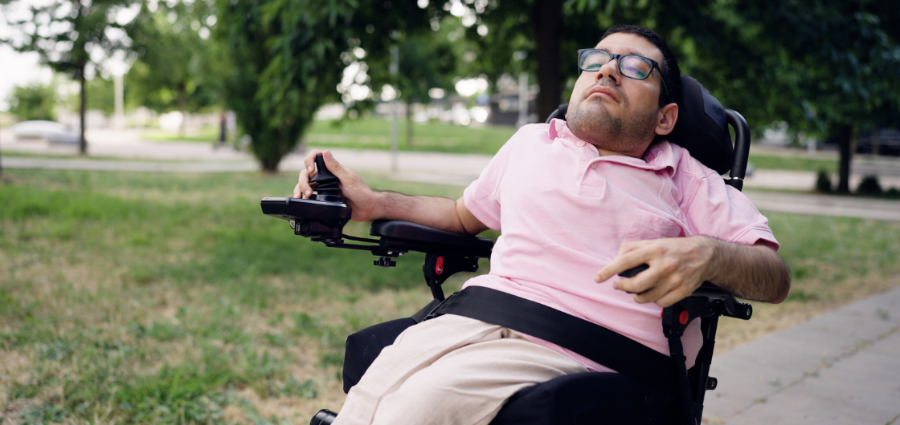
If you are the young adult with Spina Bifida reading this alongside your family: this transition is genuinely hard, and it is reasonable to feel overwhelmed by it. It is also an opportunity. The adult care system, for all its limitations, is a system where you are the patient and the decision-maker in ways you were not as a child.
Building your own understanding of your body, your care needs, and your rights as a patient is the most powerful thing you can do to navigate the adult system well. You do not have to do it alone, and you do not have to do it all at once. But you do have more agency than you may realize, and that agency grows as you step into it.
Call 847-510-5750 Our Website
BrightStar Care of Evanston and Northbrook provides professional non-medical caregiving services for young adults and seniors throughout Evanston, Northbrook, Skokie, Wilmette, Glenview, Highland Park, and surrounding North Shore communities. To speak with a care coordinator about in-home support for a young adult with Spina Bifida, contact our office today.
For families in Evanston, Northbrook, Skokie, Wilmette, Glenview, and throughout the North Shore area, this transition is often described as one of the hardest things they have navigated — harder, in some ways, than the early years of diagnosis and treatment. The pediatric system that has supported the family for eighteen years, the specialists who know their child, the coordinated care teams, the school-based services, all of it changes at once. And on the other side, the adult healthcare system is often less organized, less coordinated, and less familiar with the specific complexities of Spina Bifida than the pediatric world the family is leaving behind.
This post is a practical guide for families who are approaching this transition or who are in the middle of it. It covers what changes, what stays the same, what to plan for, and how in-home support can make the difference between a transition that goes smoothly and one that does not.
Call 847-510-5750 Our Website

What the Transition Actually Means
The transition from pediatric to adult care is not a single event. It is a process that ideally begins years before the young person turns 18 and continues for several years afterward as the new adult care system is established and stabilized.
What changes at transition:
Medical care providers change. Pediatric specialists, the neurosurgeon, the urologist, the orthopedist, the physiatrist who have managed the young person's Spina Bifida from childhood, do not follow patients into adulthood. Adult specialists with Spina Bifida experience are significantly harder to find. Many adult physicians have limited experience with Spina Bifida because historically many people with the condition did not survive to adulthood. That is no longer true, but the adult medical system has not fully caught up.Care coordination changes. Pediatric care for complex conditions like Spina Bifida is typically coordinated through a multidisciplinary clinic where specialists communicate with each other and with the family. Adult care is far more fragmented. The family, and increasingly the young person themselves, becomes responsible for coordinating across multiple specialists who may not communicate with each other.
School-based services end. Occupational therapy, physical therapy, speech therapy, and other services delivered through the school system under an IEP end at 22 at the latest, often earlier. Adult community-based services through Illinois state programs exist but involve separate eligibility determination, waitlists, and application processes that must be initiated well before school services end.
Insurance coverage changes. Under the Affordable Care Act, young adults can remain on a parent's private insurance until age 26. For young people with Spina Bifida who use Medicaid, eligibility must be re-evaluated under adult criteria, which are different from pediatric criteria. Social Security Disability Insurance eligibility is also evaluated differently for adults than for children. The financial and insurance landscape shifts significantly and requires proactive management.
Legal status changes. At 18, a young person with Spina Bifida is legally an adult regardless of the nature or extent of their disability. This means parents no longer have automatic legal authority to make medical or financial decisions on their behalf. For young people who have the cognitive capacity to make their own decisions, this is appropriate and important. For those whose cognitive disabilities affect decision-making capacity, families may need to pursue guardianship or supported decision-making arrangements before the 18th birthday.
What the Research Says About This Transition
The research on healthcare transitions for young people with Spina Bifida is consistent and sobering. Studies show that the transition period is associated with increased rates of secondary complications, hospitalizations, and gaps in care. Young adults with Spina Bifida who lose consistent specialist follow-up during the transition period are at elevated risk for urological complications including kidney damage, pressure injuries from inadequate skin monitoring, shunt malfunctions that go unrecognized, and orthopedic deterioration.These are not inevitable outcomes. They are the consequences of inadequate transition planning, and they are preventable when families approach the transition proactively and with the right support in place.
Starting the Transition Early
The Spina Bifida Association and most pediatric specialty centers recommend beginning transition planning no later than age 14, and ideally earlier. Starting at 14 does not mean transferring care at 14. It means beginning the process of building the young person's own understanding of their condition, their medications, their care routines, and their healthcare needs so that by the time they enter the adult system, they are not starting from zero.
Concrete steps that should happen before age 18:
The young person should be able to name their diagnosis and describe their specific presentation. Spina Bifida presents very differently across individuals. The young person should be able to articulate what type of Spina Bifida they have, what their specific functional limitations are, what surgeries they have had, what their shunt status is, and what complications they have experienced.Medication management should be transitioning to the young person where cognitively appropriate. Adult providers will expect the patient, not the parent, to manage and describe their own medications. Building this capacity gradually through the teenage years is far less stressful than expecting it to appear fully formed at 18.
A comprehensive medical summary document should be created. This document, often called a transition portfolio or medical passport, summarizes the young person's full medical history, current medications, current providers, relevant imaging, and specific care needs. It becomes the essential document for introducing the young person to adult providers who have no prior context.
Adult providers should be identified before the transfer happens. The search for adult specialists with Spina Bifida experience should begin at least a year before the planned transfer. Lurie Children's Hospital in Chicago and Northwestern Memorial both have adult care programs and transition resources that are accessible to families on the North Shore.
Illinois-Specific Resources for the Transition
Families in the Evanston and Northbrook area have access to several Illinois-specific resources that are worth knowing about during the transition period.The Illinois Department of Human Services Division of Rehabilitation Services (DRS) provides vocational rehabilitation, independent living support, and transition planning services for young adults with disabilities. Applications should be initiated during the high school years.
The Illinois Home Services Program provides personal care funding for adults with significant disabilities who need assistance with activities of daily living. Eligibility determination and waitlist timelines mean that families should begin the application process before school services end.
Lurie Children's Hospital's Spina Bifida Program offers a structured transition program that prepares young patients for the move to adult care and provides referrals to adult providers. For families currently receiving care at Lurie's, engaging this program explicitly is one of the most important steps they can take.
The Spina Bifida Association's national helpline and state chapter resources offer transition-specific guides, provider directories, and peer support for families navigating this process.
Where In-Home Care Fits In
For many young adults with Spina Bifida, in-home caregiving support is an important component of the adult care picture, particularly during the transition period when the structured support of school services and coordinated pediatric care is ending.BrightStar Care of Evanston and Northbrook provides non-medical caregiving support for young adults with Spina Bifida and other complex conditions throughout Evanston, Northbrook, Skokie, Wilmette, Glenview, Highland Park, and surrounding North Shore communities.
Our caregivers assist with personal care, mobility support, bowel and bladder management routines, skin monitoring and pressure injury prevention, transportation to medical appointments, and the daily living support that allows a young adult with Spina Bifida to maintain independence and community participation.
Caregiver consistency is particularly important during the transition period, when other familiar support structures are changing simultaneously. A consistent caregiver who knows the young person well, who understands their routines and their specific care needs, provides stability during a time that can otherwise feel overwhelmingly uncertain.
We work with families to build a caregiving plan that complements the young person's own growing independence rather than replacing it, supporting the activities they need help with while encouraging autonomy in the areas where they are capable.
Call 847-510-5750 Our Website
A Note for the Young Person
If you are the young adult with Spina Bifida reading this alongside your family: this transition is genuinely hard, and it is reasonable to feel overwhelmed by it. It is also an opportunity. The adult care system, for all its limitations, is a system where you are the patient and the decision-maker in ways you were not as a child.Building your own understanding of your body, your care needs, and your rights as a patient is the most powerful thing you can do to navigate the adult system well. You do not have to do it alone, and you do not have to do it all at once. But you do have more agency than you may realize, and that agency grows as you step into it.
Call 847-510-5750 Our Website
Frequently Asked Questions
Q: My child has both physical and cognitive disabilities from Spina Bifida. Do we need to pursue guardianship?
Not necessarily, and guardianship is not the only option. Supported decision-making is an increasingly recognized alternative that allows a young adult to make their own decisions with the support of a trusted network of people, without transferring legal authority to a guardian. Full guardianship removes legal decision-making authority from the individual entirely and should only be pursued when the person genuinely lacks decision-making capacity across all domains. Consulting with a special needs attorney before the 18th birthday is the best way to understand what arrangement is appropriate for your specific situation. Illinois has recognized supported decision-making agreements as an alternative to guardianship.Q: My son is 16 and shows no interest in learning about his own care. How do we get him more engaged?
This is one of the most common challenges in transition planning and is not unique to Spina Bifida. A few approaches tend to help: having the pediatric specialist speak directly with the young person, rather than through the parent, about their condition and their future care, which shifts the communication dynamic in a way that feels different from parental instruction. Peer mentorship through the Spina Bifida Association connects young people with adults who have Spina Bifida and have navigated the transition, which can be more motivating than any amount of parental explanation. Starting with one small piece of self-management, knowing the names of their medications, for example, rather than attempting the full picture at once, makes the task feel less overwhelming.Q: We are just starting to look for adult providers and cannot find anyone with Spina Bifida experience. What do we do?
This is a real and common problem. The Spina Bifida Association maintains a provider directory that is worth checking first. Reaching out to the transition coordinators at your current pediatric center for specific referrals is often more productive than a general search. In the Chicago area, Northwestern Medicine and the University of Illinois Health system both have providers with adult complex care experience who may be appropriate. For subspecialty needs, some pediatric specialists will see patients into young adulthood on a transitional basis while an adult provider is being established. Do not wait until the 18th birthday to begin this search.BrightStar Care of Evanston and Northbrook provides professional non-medical caregiving services for young adults and seniors throughout Evanston, Northbrook, Skokie, Wilmette, Glenview, Highland Park, and surrounding North Shore communities. To speak with a care coordinator about in-home support for a young adult with Spina Bifida, contact our office today.
Contact BrightStar Care of Evanston & Northbrook:
- Phone: 847-510-5750
- Address: 950 Skokie Blvd, Ste 301, Northbrook, IL 60062
- Visit Us Online: BrightStar Care Northbrook/Evanston