
Surgery is a big step. But it is not the finish line. For most families, the real challenge starts the moment your loved one walks through the front door and you realize the hospital had a whole team handling things that now fall on you.
The bed is familiar. The people nearby actually know their name. That matters. But so does having someone who knows how to manage a wound site, catch a medication interaction, or recognize when something is not healing the way it should.
You are not supposed to figure this out alone. And you do not have to.
Why Recovery at Home Works
Hospitals are built for acute care, not comfort. And every study on post-surgical outcomes points to the same thing: patients who get home with the right support recover faster and with fewer complications.
More than one in four older adults are readmitted to the hospital within 180 days of major surgery. For frail patients, that climbs to nearly 37%. Meanwhile, structured discharge planning and home visits can reduce those readmissions by up to 23%.
That is not a marginal improvement. That is the difference between a smooth recovery and another ER visit.
What Home Recovery Care Actually Looks Like
This is not someone stopping by to check a box. It is hands-on support that adapts to whatever the recovery demands:
- Wound care and medication management overseen through skilled nursing, so nothing gets missed or misread
- Mobility support, especially in those first fragile days when a fall could undo the surgery
- Meal preparation, because your body cannot rebuild on toast and willpower
- Personal care assistance with bathing, dressing, and hygiene
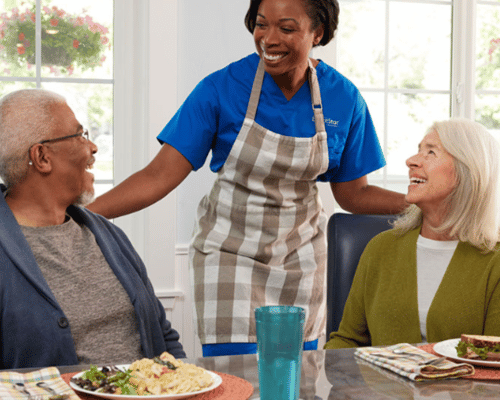
- Companion care, because recovery is isolating and a steady presence makes a real difference
Every plan is built around the individual, not a template.
What Recovery Does to Families
Recovery is hard on families too. Spouses who have never changed a surgical dressing. Adult children juggling jobs and kids while driving across town to check on Dad. The 2 a.m. worry spiral about whether that swelling looks normal.
Home recovery care is not a replacement for family. It is respite. It means you get to be a daughter, a son, or a partner instead of an untrained nurse running on adrenaline and Google searches. The person recovering gets professional care, and the people who love them get to breathe.
Frequently Asked Questions
How soon should home recovery care start?
Ideally before the surgery happens. The hospital-to-home transition is the highest-risk window for complications. Having a caregiver ready on discharge day means nothing falls through the cracks.
How long do families typically need it?
It depends on the procedure. Some families need daily support for two to four weeks, then taper. Others maintain a few hours a week for months. Plans flex as healing progresses.
What if my loved one needs around-the-clock support?
For complex recoveries, 24-hour care ensures someone trained is always present. We build flexible schedules that scale up or down as healing allows.
Your Recovery Starts at Home
BrightStar Care of Danvers/North Shore provides home recovery care backed by RN oversight, personalized plans, and caregivers matched to your family's needs. Every plan starts with an in-home assessment by our Director of Nursing, so your caregiver arrives already understanding the protocols.
Ready to put a plan in place? Call our 24/7 care team at (978) 278-3320 or visit our contact page. No pressure, just a conversation about what is possible.