
Navigating the path of caring for a veteran family member brings pride, joy, and sometimes, unexpected twists. Catching those subtle clues that it’s time for home health care isn’t always clear-cut—but peace of mind is just around the corner once you know what to look for. Five Signs Your Veteran Loved One May Need Home Health Care will guide you through what matters most, so you can bring comfort and confidence back into the mix.
Recognizing the Tipping Points
Sign One: Mobility and Strength Are Slipping
You notice Dad’s trips around the house look more like an Olympic event than a casual stroll. Chairs become his best friends, stairs a daily nemesis, and stumbling spells raise eyebrows. Sudden changes in mobility—like frequent falls, struggles with standing up, or slow movement—might mean help is needed at home. Veterans often downplay these issues, so if everyday movement seems exhausting, don’t shrug it off.
Sign Two: Medication Management Mix-ups
Oops—was that pill for morning, or was it last night’s dose? Veterans living with chronic conditions often juggle complicated medication routines. Missed doses, confusion over bottles, or expired prescriptions aren’t minor slip-ups. You might spot untouched pillboxes or notice that prescriptions aren’t getting refilled on time. Home health care can include skilled nursing support for safe, timely medication management that takes the worry off everyone’s shoulders.
Sign Three: Personal Hygiene and Self-Care Declines
You catch a whiff—has Mom skipped her morning shower again? Maybe laundry’s piling up higher than Mount Everest or teeth brushing becomes a rare occasion. Declining hygiene and self-care might seem like insignificant details, but these changes often stem from pain, memory troubles, or sheer exhaustion. If grooming, bathing, or getting dressed becomes a struggle, it’s a sure sign that extra hands could help.
Sign Four: Emotional Well-being Takes a Hit
Old photographs gather dust, calls to friends dwindle, and laughter seldom fills the room. Depression, withdrawal, or chronic loneliness are tough foes for veteran loved ones, especially those coping with PTSD or loss. Watch out for mood swings, persistent sadness, sleep troubles, or a sudden lack of interest in hobbies. Kind, professional companionship at home can bring sparkle and a sense of hope right back where it belongs.
Sign Five: Medical Needs Are Mounting
Doctor visits feel like routine errands, new diagnoses arrive unannounced, and health seems to spiral instead of stabilize. Chronic wounds, therapy requirements, or recurring hospital stays send clear signals. At this stage, skilled medical care—think wound care, injections, or physical therapy—might be needed right in the comfort of home. Comprehensive home health care can keep your veteran safe and sound, reducing the risks and worries of complex conditions.
Numbered List: Quick Checklist for Concerned Families
- Has your loved one had more than one fall in the past few months?
- Are medications sometimes forgotten, skipped, or mixed up?
- Are personal hygiene and grooming noticeably lacking?
- Is your veteran withdrawn, anxious, or losing interest in beloved activities?
- Are new or recurring health issues making medical visits more frequent?
Making the Decision: Caring with Compassion
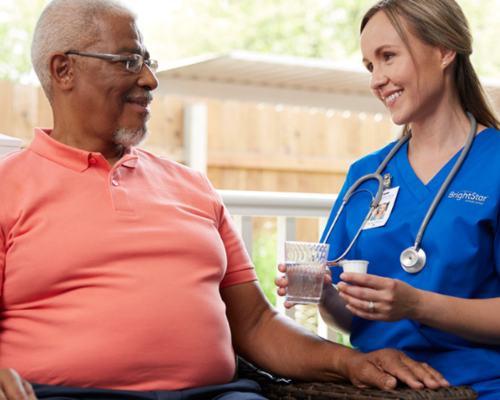
Deciding to bring home health care into the mix takes courage—and a whole lot of love. Listen, observe, and trust your instincts. Remember, reaching for a helping hand doesn’t mean giving up independence; it means choosing comfort, safety, and peace for someone who served their country and family so selflessly.
FAQs
How do I know if my veteran loved one truly needs home health care?
Watch for multiple warning signs together—mobility issues, mood changes, or health complications. If daily routines are risky or overwhelming, it’s time to consider professional support.
What kinds of services are offered through home health care?
Care ranges from skilled nursing, medication management, and personal care to physical therapy, emotional support, and companionship.
Will getting home health care take away my loved one’s independence?
Absolutely not! The goal is to support independence—making life safer and more enjoyable, not limiting freedom.
Does insurance or VA benefits cover home health care for veterans?
Many veterans are eligible for VA benefits and insurance plans that help cover in-home health care. It’s smart to talk with providers like BrightStar Care to explore available options.
Contact BrightStar Care of Danvers Today!
Every veteran deserves comfort, respect, and safety at home. By catching the early, you’re taking charge of their well-being and honoring their legacy. Need advice, info, or someone to talk to? BrightStar Care of Danvers/North Shore provides the resources and support you need to care for your loved one. If you have any questions or would like more information, please don’t hesitate to contact us. We are always happy to help. Contact us online, by phone at (978) 278-3320, or by visiting us at 300 Rosewood Dr. #103, Danvers, MA 01923.
We hope you hear from you soon!