
Rethinking What “Needing Help” Really Means
When you are caring for a child with medical or developmental needs, it is easy to think that support is meant for families who are in constant crisis. You might find yourself thinking:
If we are not rushing to the hospital, we should be able to manage.
Other families have it so much harder.
We are getting by… most days.
But “getting by” can still feel very heavy. Keeping track of medications and equipment, lifting and positioning, watching for symptoms, and trying to hold the rest of life together at the same time can quietly drain your energy and your spirit.
Pediatric home care is not just for emergencies or “worst case” moments. It is also for families who are doing everything they can and simply need more support so that life at home feels safer, steadier, and less overwhelming.
At BrightStar Care of Danvers, we meet many families in that in‑between place: not in immediate crisis, but carrying a lot. Our role is to step in gently, so you do not have to wait until everything feels urgent before you get help.
Quiet Moments When Home Care Can Make a Big Difference
You may not think of your daily routines as “serious,” but they can still take a real toll on your body and your heart. Pediatric home care can bring relief in moments like these:
- Evenings when you are trying to manage medications, tube feedings, and bedtime stories all at once.
- Mornings when transfers, dressing, and preparing for school or appointments feel like a marathon before the day has even started.
- Nights when you wake up over and over to check on your child’s breathing, alarms, or pain and then still have to function the next day.
- Days when you want to help your child practice therapy exercises but your energy is already stretched thin.
Support at home can feel like:
- Calm, unhurried help with bathing, dressing, and personal care.
- Gentle hands guiding safe mobility, transfers, and positioning.
- A trusted presence to help with medication reminders and simple health checks.
- Another adult who can quietly weave therapy strategies into everyday moments.
None of this requires an emergency. It simply recognizes that your family deserves help in the everyday, not only when everything is falling apart.
When “We’re Fine” Starts to Feel Too Heavy
Parents are often the first to say “we’re fine,” even when they are worn down on the inside. You might see yourself in some of these signs:
- You feel nervous leaving the house, even to run a quick errand.
- You struggle to remember the last time you truly rested.
- You are the only person who knows every detail of your child’s care routine.
- You lie awake at night worrying about what would happen if you got sick or injured.
Feeling this way does not mean you are failing. It means you have been doing an incredibly demanding job for a very long time, often without enough support.
Inviting help into your home can feel vulnerable, but it can also feel like a deep breath you did not know you needed.
How Pediatric Home Care Fits With the Support You Already Have
You may already have a patchwork of support in place, including:
- Outpatient therapies such as physical, occupational, or speech therapy.
- School‑based services and IEP supports.
- Regular appointments with pediatricians and specialists.
Pediatric home care does not replace these important pieces. Instead, it helps everything work together more smoothly by:
- Bringing therapy goals into everyday activities at home—like getting dressed, moving from room to room, or playing.
- Making it more realistic to follow through on recommendations between appointments.
- Providing observations from home that you can share with your child’s care team to fine‑tune their plan.
Think of home care as another caring voice in the circle around your child, helping to connect the dots between clinic, school, and home in ways that feel natural and supportive.
A Range of Support: From Extra Hands to Skilled Nursing
Every child and every family is different. Pediatric home care can be tailored to match what you need right now, and it can change as your life changes.
Some families are looking for:
- Extra hands to help with daily care so routines feel calmer and less rushed.
- Gentle supervision and companionship so a parent can step away for a shower, a nap, or time with a sibling.
Other families need skilled pediatric nursing, such as:
- Managing tube feedings, tracheostomies, ventilators, or oxygen.
- Administering and closely monitoring medications.
- Providing wound care and support after hospital stays or surgeries.
- Watching for early signs that something is changing in breathing, vital signs, or symptoms.
At BrightStar Care of Danvers, a Registered Nurse can help you think through what level of support might fit your child’s needs and your family’s comfort level, so the plan feels safe and reassuring rather than overwhelming.
What It Can Feel Like to Have Help Before a Crisis
Families who begin home care before reaching a breaking point often describe subtle but meaningful shifts, such as:
- Feeling more comfortable stepping out of the room, knowing someone capable and caring is with their child.
- Noticing that mornings and evenings move at a gentler pace.
- Feeling more confident with equipment and daily medical tasks.
- Seeing siblings receive a bit more attention and one‑on‑one time.
Perhaps most importantly, parents often share that they finally feel a little less alone. Instead of carrying everything by themselves, they have someone beside them who understands the medical details and the emotional weight at the same time.
What to Expect When You Reach Out
Taking the first step can feel big, but reaching out does not commit you to anything. It is simply an invitation to talk about what life is like in your home.
When you contact BrightStar Care of Danvers, you can expect:
- A conversation where you are invited to share your story, not just your child’s diagnoses and medications.
- Gentle questions about what your days and nights really look like and where things feel the hardest.
- Space to talk about your hopes: more rest, fewer worries, more presence with your child, or more balance for your family.
- A clear explanation of what types of support exist and how they might fit into your routine.
If you decide to take the next step, an in‑home assessment allows a nurse to get to know your child and your home environment in a relaxed, respectful way. Together, you can build a plan that supports your child and takes care of you, too.
Quick FAQs: “Is It Okay To Ask for Help Now?”
Do we have to be in crisis for pediatric home care to make sense?
No. In fact, home care often works best when it begins before things feel unmanageable. It is there to prevent crises, not just respond to them.
What if our child “only” needs help with a few tasks?
Those “few tasks” may take a lot of time, focus, and energy. If they feel stressful or draining, it is absolutely reasonable to ask whether support could help.
Can we have home care if we already have therapies and school services?
Yes. Home care often strengthens what your child is already working on by bringing those skills and strategies into everyday moments at home.
Will someone judge our home or how we are doing things now?
No. Assessments and visits are about support, not judgment. The focus is on safety, comfort, and helping your family feel more at ease.
Can the amount or type of care change over time?
Yes. As your child grows and your family’s needs shift, your care plan can be adjusted. Support is meant to be flexible, not fixed.
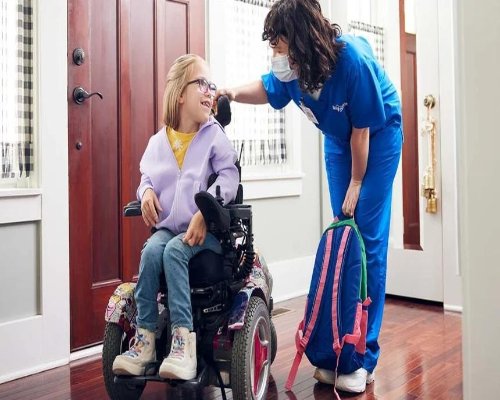
You Do Not Have to Wait for an Emergency
If you have been waiting for things to get “bad enough” before asking for help, consider this your gentle permission to reach out sooner.
You are allowed to want your home to feel safer and calmer.
You are allowed to want more rest and more room to simply enjoy your child.
You are allowed to ask for support before you are at your breaking point.
Call BrightStar Care of Danvers at (978) 278-3320 to connect with our local team and schedule a personalized in‑home assessment. Together, we can explore what support might look like for your family so that home feels a little lighter, a little more peaceful, and a lot less lonely.