
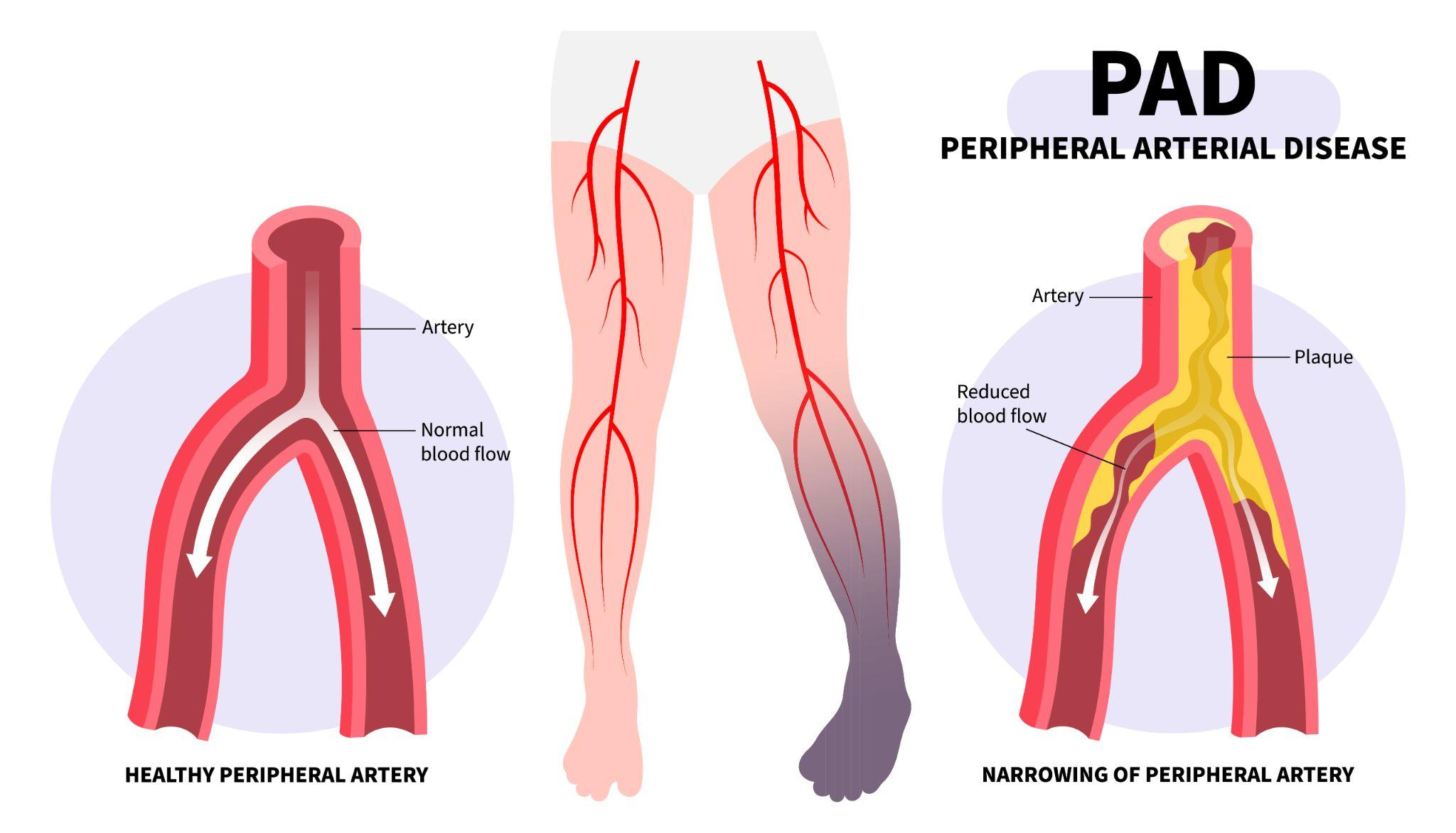
Peripheral artery disease (PAD) affects more than 12 million Americans, and one in five adults over the age of 60 is living with the condition. In PAD, fatty plaque narrows the arteries that carry blood to the legs and feet. The result is poor circulation, leg pain when walking, and, for those with the most advanced disease, slow-healing wounds, foot ulcers, infections, and, in roughly a quarter of severe cases, eventual amputation.
PAD is especially common in adults who also have diabetes, high blood pressure, or a history of smoking. In Phoenix, Arcadia, Ahwatukee, and Tempe, where extreme summer heat magnifies dehydration and cardiovascular stress, families managing PAD at home have a clear stake in getting the daily routine right. A small toe wound that would heal quickly in a healthy adult can become a hospital admission within days in a PAD patient, and most of those crises are preventable with consistent foot care, medication oversight, and supervised walking.
This guide walks Phoenix-area families through how PAD is managed at home, what the 2024 American Heart Association/American College of Cardiology guidelines now recommend, and how Registered Nurse-supervised home care from BrightStar Care of Phoenix NW/NE and Tempe supports daily safety and wound prevention.
What Peripheral Artery Disease Looks Like at Home
The hallmark symptom of PAD is claudication, leg cramping or aching pain that comes on with walking and disappears within a few minutes of rest. The pain typically settles in the calves, but it can also appear in the thighs, hips, or buttocks. Many patients also notice that one foot feels colder than the other, that toenails become thick or brittle, that hair growth on the legs disappears, or that small cuts on the feet take an unusually long time to heal.
Advanced PAD looks different. At that stage, pain may occur at rest (particularly at night when the legs are elevated) and small wounds on the toes, heels, or shin may stop healing entirely. This is called chronic limb-threatening ischemia (CLTI). It is a medical emergency in slow motion: without prompt vascular evaluation and aggressive wound care, the limb is at risk.Globally, the burden of PAD is projected to grow by 220% by 2050, with mortality from PAD doubling. The Phoenix area's aging population means many local families will encounter PAD over the next decade, often layered on top of diabetes or heart disease.
The PAD Foot Care Routine: Why Daily Matters
The 2024 ACC/AHA/Multisociety Guideline for the Management of Lower Extremity Peripheral Artery Disease emphasizes preventive foot care across every clinical stage of PAD. The reason is mathematical: poor circulation plus a minor injury equals a slow-healing wound, and a slow-healing wound is the most common path to amputation.
A daily foot care routine for a PAD patient is not complicated, but it is non-negotiable:
- Inspect both feet every day in good light, including the bottoms of the feet, between the toes, and around the heels. Use a hand mirror if needed, or have a caregiver inspect.
- Wash the feet daily with lukewarm (not hot) water and mild soap; dry thoroughly, especially between the toes.
- Apply moisturizer to the tops and bottoms of the feet, but never between the toes: moisture there encourages fungal infection.
- Wear well-fitting, closed-toe shoes; never go barefoot, even indoors. Check the inside of every shoe for pebbles or rough spots before putting it on.
- Trim toenails straight across, or have a podiatrist do it. PAD patients with diabetes should generally have professional nail care.
- Never use heating pads, hot water bottles, or microwaved socks on the feet. Neuropathy may prevent the patient from feeling a burn until tissue damage is severe.
A skilled home nurse weaves this routine into the daily care plan, conducts weekly foot exams, and escalates to the vascular team or wound clinic at the first sign of trouble.
Wound Care When PAD Becomes Advanced
When a wound does develop on a PAD patient's foot or leg, time matters. The clinical priority shifts from prevention to active wound management. A Registered Nurse coordinates with the patient's vascular specialist and wound care center to ensure the dressing protocol is followed precisely, often involving specialized non-adherent dressings, offloading boots or footwear, antibiotic management, and frequent reassessment.
BrightStar Care of Phoenix NW/NE and Tempe provides skilled wound care in the home for patients with chronic vascular wounds. The RN assesses the wound, photographs it for the clinical record, monitors for signs of infection, performs sterile dressing changes when ordered, and communicates progress back to the vascular surgeon. For many families, having a clinician handle wound care at home is the difference between continued healing and another emergency department visit.
Supervised Walking and Exercise: The Single Best PAD Treatment
It sounds counterintuitive, but walking (even when it causes claudication) is one of the most effective treatments for symptomatic PAD. Both the American Heart Association and the European Society of Cardiology recommend supervised exercise therapy as first-line treatment for PAD claudication.
The protocol is specific. The patient walks at a steady pace until claudication pain reaches a moderate level (typically three to five minutes), rests until the pain resolves, then walks again. Sessions last 30 to 45 minutes and are repeated three times a week for at least 12 weeks. Walking improves the legs' ability to use the oxygen that does reach them, encourages small new blood vessels to form, and improves overall cardiovascular health.
Caregivers play an important role here. Many older adults with PAD are reluctant to walk because it hurts, and they walk less and less over time. A trained caregiver or RN provides the structured encouragement, scheduling, and safety supervision that turns walking from a chore into a habit. In Phoenix neighborhoods, that often means walking in air-conditioned indoor spaces, local malls, community centers, or the home itself, during the hot months.
Medication and Risk Factor Management
PAD is a cardiovascular disease, not just a leg problem. Patients with PAD face significantly higher rates of heart attack and stroke, which is why medication oversight is critical. Most PAD patients are prescribed a combination of an antiplatelet medication (typically aspirin or clopidogrel), a statin to lower cholesterol, and aggressive blood pressure control. Many also benefit from the newer combination of low-dose rivaroxaban plus low-dose aspirin, based on the COMPASS and VOYAGER trials cited in the 2024 ACC/AHA guidelines.
Patients with diabetes need tight blood sugar control because every percentage point of elevated A1C raises the risk of foot ulceration. Smoking cessation is the single most important risk factor change a PAD patient can make, and the most difficult. A skilled home nurse reviews medications, supports diabetes management, and provides regular check-ins on smoking cessation goals when relevant.
Phoenix-Specific Context: PAD in the Arizona Climate
Managing PAD in the desert involves a few specific challenges. First, the heat. Phoenix summers regularly exceed 105°F from May through September, and dehydration thickens the blood and worsens circulation. Patients with PAD should follow a daily hydration plan written with their cardiologist or primary care provider, and they should avoid outdoor exercise during midday heat. Indoor walking (at a community center, an air-conditioned hallway, or even a single long room at home) is the safer route from late spring through fall.
Second, dry air. Arizona's low humidity dries skin quickly, and dry, cracked skin on the feet is an entry point for infection. Daily moisturizing of the feet (avoiding between the toes) becomes more important here than in more humid climates.
Third, the local senior population. With about 16% of Maricopa County residents over age 65, and a substantial portion of those individuals living with diabetes, PAD is common across Phoenix, Arcadia, Ahwatukee, and Tempe. Local hospital systems and vascular centers have built considerable expertise treating PAD, but coordinating outpatient care, transportation, and home support still falls heavily on families.
How RN-Supervised Home Care Supports PAD Management
BrightStar Care of Phoenix NW/NE and Tempe is locally owned and operated, state licensed, and has been Joint Commission accredited for 11 consecutive years. Every PAD case is overseen by a Registered Nurse from the first assessment through ongoing care, and every caregiver is Level 1 fingerprint cleared by the State of Arizona. There is no minimum-hour requirement, which lets families build a plan around the patient's real needs, whether that is daily foot care and medication oversight, weekly skilled wound care, or 24-hour support after a hospital stay.
BrightStar provides private duty nursing and personal care. It is not a Medicare-certified skilled home health benefit. Many PAD patients combine a short Medicare home health episode with BrightStar's private duty services to ensure consistent coverage between clinical visits.
Talk to BrightStar Care About PAD Support at Home
If a loved one is managing peripheral artery disease, especially if there is a wound, diabetes, or a recent hospitalization in the picture, a free in-home assessment with a Registered Nurse can clarify exactly what is needed. Call BrightStar Care of Phoenix NW/NE and Tempe at 480-897-1166 to schedule an evaluation across Phoenix, Arcadia, Ahwatukee, and Tempe.
Local Phoenix-Area Resources for PAD and Vascular Care
- Area Agency on Aging, Region One: Senior support, caregiver resources, and benefits assistance for Maricopa County. 24-Hour Senior HELP LINE: 602-264-4357. Website: aaaphx.org
- Abrazo Arizona Heart Hospital – Peripheral Vascular Disease Institute: Comprehensive PAD diagnosis and treatment including minimally invasive procedures. Main line: 602-406-3000. Website: abrazohealth.com
- Banner – University Medical Center Phoenix Vascular Surgery: Academic vascular surgery program offering PAD evaluation, limb salvage, and wound care. Main line: 602-839-2000. Website: bannerhealth.com
- Western Vascular Institute: Long-established Arizona vascular surgery practice with multiple Phoenix-area offices. Main line: 480-668-5000. Website: westernvascular.com
- American Heart Association – PAD Patient Resources: Free patient education on peripheral artery disease, foot care, and exercise. Website: heart.org
Frequently Asked Questions
What are the early warning signs of peripheral artery disease?
The most common early sign is cramping or aching in the calves, thighs, or buttocks that comes on with walking and goes away with rest, this is called claudication. Other early signs include one foot feeling colder than the other, thick or brittle toenails, slow hair growth on the legs, and small cuts on the feet that take a long time to heal. Any of these symptoms in an older adult (especially one with diabetes, high blood pressure, or a history of smoking) should be evaluated by a primary care provider or vascular specialist.
Can someone with PAD still exercise?
Yes. and they should. Supervised walking is one of the most effective treatments for symptomatic PAD. The 2024 ACC/AHA guidelines recommend supervised exercise therapy as first-line treatment. The walking does cause some leg pain, but it gradually improves the legs' ability to use oxygen and can meaningfully extend the distance a patient can walk pain-free. In Phoenix, indoor walking is usually the safer option from May through September. A home caregiver from BrightStar Care of Phoenix NW/NE and Tempe can supervise daily walking sessions safely.
How quickly should a foot wound on someone with PAD be evaluated?
Within 24 hours, ideally same-day. A wound that would be minor in a healthy adult can become a serious infection or non-healing ulcer in a PAD patient within just a few days. Call the patient's primary care provider, vascular specialist, or a wound care center immediately. If you would like a Registered Nurse to assess the situation at home and coordinate care, call BrightStar Care of Phoenix NW/NE and Tempe at 480-897-1166.
Does insurance cover home care for PAD patients?
Coverage varies. Medicare may cover short-term skilled home health visits when ordered by a physician and provided through a Medicare-certified agency. BrightStar Care provides private duty nursing and personal care, which is typically paid privately, through long-term care insurance, or in some cases through VA benefits. Many families combine the two, Medicare home health for brief skilled visits and private duty for the ongoing daily oversight.
Is BrightStar Care available in Ahwatukee and Arcadia?
Yes. BrightStar Care of Phoenix NW/NE and Tempe serves families across Phoenix, Arcadia (a Phoenix neighborhood), Ahwatukee (in Phoenix's South Mountain area), and Tempe. Call 480-897-1166 for a free in-home assessment.
Sources
- American College of Cardiology / American Heart Association – 2024 ACC/AHA/Multisociety Guideline for the Management of Lower Extremity Peripheral Artery Disease
- American College of Cardiology – Exercise Therapy in Symptomatic Peripheral Artery Disease (2025)
- American College of Cardiology – Management of Peripheral Artery Disease in Adults With Diabetes: 2025 ACC Scientific Statement
- National Institutes of Health, PubMed Central – Forecasting the Global Burden of Peripheral Artery Disease from 2021 to 2050
- National Institutes of Health, PubMed Central – Physical Activity in the Prevention of Peripheral Artery Disease in the Elderly
- American Heart Association – Peripheral Artery Disease Patient Education
- U.S. Census Bureau QuickFacts – Maricopa County, Arizona
- Area Agency on Aging, Region One – Phoenix Senior Resources
- Abrazo Health, Banner Health, Western Vascular Institute – Phoenix Area Vascular Care